
Selecting your first tennis racket bag is just as important as choosing the right racket when picking up the sport in Singapore. A proper bag does more than simply hold your gear; it protects your strings from the intense tropical heat, keeps sweaty apparel separate from clean items, and makes commuting on public transport highly manageable. For most beginners, the ideal choice is a specialized 2-to-3 racket backpack or a lightweight 3-pack shoulder bag. These options offer the perfect balance of storage, portability, and value without the unnecessary bulk of professional-grade tour bags.
Understanding your specific commuting habits, playing frequency, and gear requirements will prevent you from overspending on a bag that does not fit your lifestyle. By matching your bag choice to your routine, you can ensure your equipment remains protected and ready for the court. This guide breaks down the essential factors to consider and highlights the best bag styles available for beginners navigating the local tennis scene.
How to Choose the Right Tennis Bag as a Beginner
Capacity Needs
Beginners rarely carry more than one or two rackets to the court, making a bag designed for 1 to 3 rackets the absolute sweet spot. This capacity provides enough room for your primary racket, a backup frame or a partner’s racket, a tube of balls, and your essential personal items. Choosing a larger 6-to-12 racket tour bag is usually an expensive mistake for those just starting out. These oversized bags are heavy, awkward to carry, and mostly sit empty, making them highly impractical for a beginner.
Products mentioned in this guide
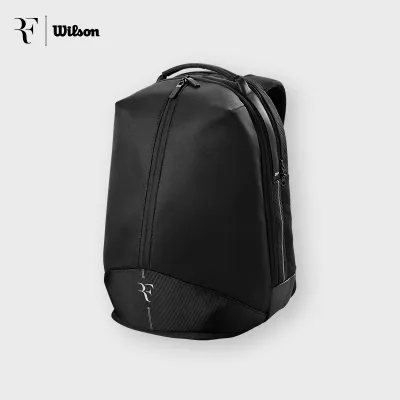
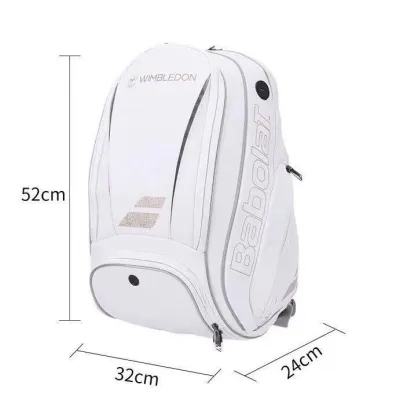
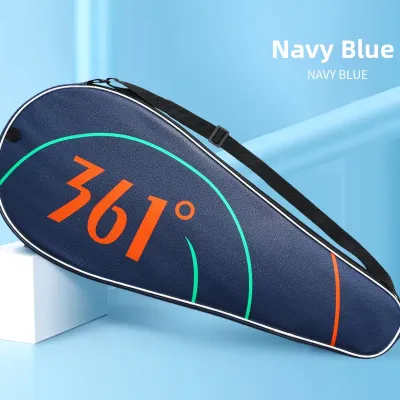
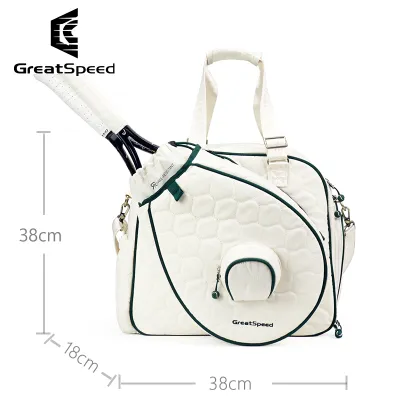
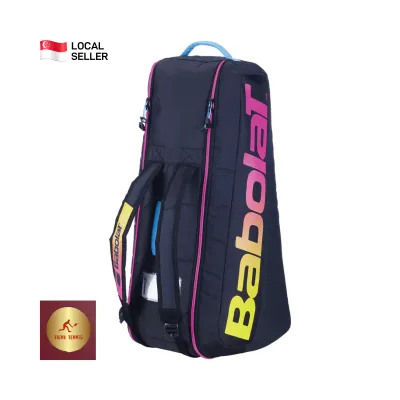
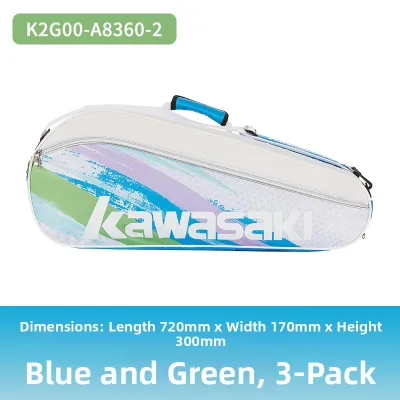
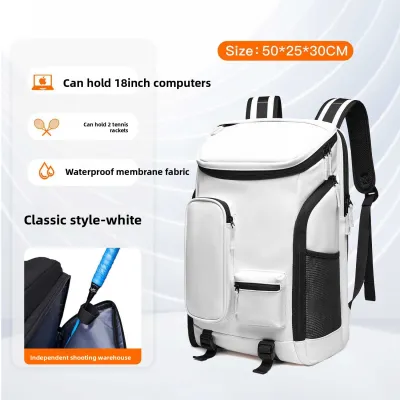
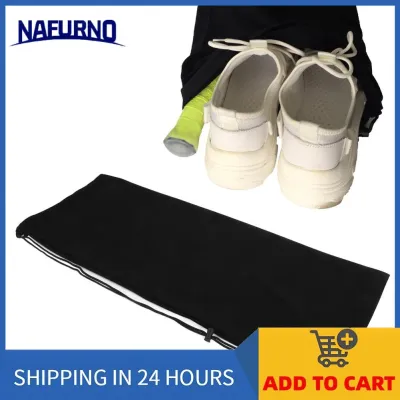
Prices are valid at publication and may change. Please refer to the product page for the latest price.
As your skills develop and you begin playing more frequently, your gear needs may expand. However, starting with a compact bag keeps your setup lightweight and easy to manage. A smaller bag also encourages you to pack efficiently, carrying only what you truly need for a single session. This prevents clutter and makes it easier to locate your gear when you are on the court.
Carrying Styles
Your daily commute in Singapore heavily influences which bag style will work best for your needs. Backpacks are highly favored by players who walk, cycle, or take public transit, as they distribute weight evenly across both shoulders and keep your hands free. This hands-free convenience is invaluable when navigating crowded train stations or bus interchanges during peak hours.
Shoulder bags, also known as traditional 3-packs, offer a classic tennis silhouette and are excellent if you travel primarily by car or taxi. These bags provide quick, wide-zip access to your gear and lie flat in a car trunk. Totes are a stylish, casual alternative, perfect for players who primarily use condominium courts or nearby club facilities where carrying heavy equipment over long distances is not required.
Local Climate Factors
Singapore’s tropical climate presents unique challenges for tennis gear that you must account for when choosing a bag. High humidity and sudden afternoon downpours mean a water-resistant base is crucial for keeping your bag’s contents dry when placed on damp court benches or wet grass. Look for bags featuring durable, wipe-clean materials on the bottom panel to prevent moisture from seeping upward.
Furthermore, the intense year-round heat can rapidly degrade racket strings, causing them to lose tension or become brittle over time. Investing in a bag with thermal insulation helps regulate internal temperatures, shielding your equipment from extreme heat fluctuations during transit. This protection is especially important if you travel during the hottest hours of the day or play on unshaded outdoor courts.
Top Tennis Racket Bag Categories for Beginners in Singapore
3-Racket Backpacks for MRT and Bus Commuters
Commuting on Singapore’s public transport network during peak hours requires a compact, streamlined gear solution. A 3-racket backpack is highly practical for active commuters who need to transition seamlessly from the office or school directly to the court. Major tennis brands, including Wilson, HEAD, and Babolat, offer excellent entry-to-mid-range backpacks designed specifically for this lifestyle. These bags typically feature a dedicated rear compartment that holds up to two rackets securely, ensuring the handles point upward and do not hit fellow passengers.

When evaluating commuter backpacks, look for ergonomic, padded shoulder straps and a chest strap to distribute weight comfortably during long walks from the MRT station to the court. Another essential feature is a ventilated shoe compartment. Keeping your clay- or hard-court shoes isolated from your clean clothes and work documents prevents dirt, court dust, and odors from spreading throughout the main compartment. External mesh pockets are also invaluable, providing quick access to water bottles or a transit card.
Most commuter-friendly backpacks fall into the mid-range price band, typically costing between S$60 and S$120. This makes them an affordable investment that offers excellent long-term utility. Because they look and function similarly to standard daypacks, you can easily use them for gym sessions or weekend trips, maximizing their value.
Limitations & Checks: While highly versatile, entry-level commuter backpacks often lack advanced thermal protection. If you frequently travel during the hottest hours of the day or leave your bag in warm areas, check the product specifications carefully. Look for terms like “thermal shield” or “insulated compartment” to verify if the racket section has a protective lining. If it does not, try to keep your transit times in direct sunlight to a minimum to preserve your string tension.
Thermal-Insulated Bags to Protect Strings from Heat
Singapore’s relentless heat can be exceptionally harsh on tennis equipment. When a racket is exposed to high temperatures, the synthetic materials in the strings—such as polyester, nylon, or multifilament—stretch and lose their structural elasticity. This process, known as tension drop, directly impacts your control on the court, making your shots feel unpredictable and reducing the overall lifespan of your string job. In extreme cases, prolonged exposure to intense heat can even warp the composite materials of modern racket frames.
To combat this, manufacturers incorporate specialized thermal linings into their mid-range shoulder bags and select premium backpacks. These linings use reflective materials to block external heat radiation and maintain a stable internal temperature. For a beginner, a 3-to-6 racket shoulder bag with at least one dedicated thermal compartment is an excellent investment. It ensures your primary racket remains protected while leaving standard pockets available for non-sensitive gear like towels, grips, and clothing.
These specialized bags are generally priced in the mid-to-high band, ranging from S$80 to S$150 depending on the brand and the number of insulated compartments. While slightly more expensive than basic covers, they can save you money over time by reducing the frequency of racket restringing. Brands like Babolat and Yonex are particularly well-known for integrating high-quality thermal barriers into their consumer bag lines.
Buying Advice: Beginners do not need to purchase massive, fully insulated 12-racket bags. Instead, focus on compact 3-pack or 6-pack options where only the main racket slot is insulated. Before buying, check the manufacturer’s official product page or consult a specialist at a local authorized sports retailer to confirm the level of thermal protection provided. Be aware that basic, budget-friendly models often mimic the look of premium bags but lack the actual heat-reflective lining inside.
Minimalist Covers and Totes for Casual Weekend Play
For casual players who only step onto the court once or twice a month, a heavy-duty bag might feel like an unnecessary commitment. Minimalist racket covers and stylish tennis totes offer a lightweight, low-profile alternative. A basic single-racket cover, often made of lightweight nylon or polyester, protects your frame from scratches and minor scuffs during transport. Many of these covers feature an adjustable shoulder strap and a small zippered pocket for car keys, a phone, or a spare overgrip, making them incredibly easy to grab and go.
Tennis totes are another popular option, particularly for players who prefer a blend of athletic utility and everyday style. These totes often feature a dedicated external sleeve that holds one or two racket faces securely while leaving the handles exposed. The spacious interior can accommodate a change of clothes, a towel, and personal items, allowing the bag to double as a gym tote or a casual day bag. This dual-purpose design is highly convenient for weekend players who combine their tennis sessions with social plans or brunch.
These minimalist options represent the most budget-friendly category, with prices typically ranging from S$20 to S$60. They are widely available at major sports retailers and online marketplaces, making them highly accessible for those who want to keep their initial setup costs low while still protecting their racket during transit.
Limitations: While highly convenient, minimalist covers and totes offer very little structural protection. They lack the thick foam padding found in dedicated backpacks and shoulder bags, leaving your rackets vulnerable to damage from heavy impacts or accidental drops. Additionally, they rarely feature thermal insulation or separate shoe compartments. If you must walk long distances in the humidity or commute via crowded public transport, the lack of ergonomic shoulder support can make carrying these bags uncomfortable over time.
Quick Comparison: Backpack vs. Shoulder Bag vs. Tote
To help you decide which style fits your playing habits, it is useful to compare their core features side by side. Each design excels in different environments, and matching your bag to your primary mode of transport will significantly improve your overall court experience.
| Bag Style | Typical Capacity | Commute Friendliness (Public Transport) | Heat Protection Potential | Best For (Beginner Profile) |
|---|---|---|---|---|
| Backpack | 1-2 Rackets | Excellent (Hands-free, compact) | Moderate (Select models only) | Active commuters, students, and public transport users |
| Shoulder Bag | 3-6 Rackets | Moderate (Can be bulky on trains) | High (Often features thermal slots) | Players with multiple rackets or those who drive |
| Tote | 1-2 Rackets | Good (Lightweight, casual) | Low (Rarely insulated) | Condo players and casual weekend players |
When finalizing your choice, consider your most frequent route to the tennis court. If you regularly walk from an MRT station or ride a bicycle, the hands-free convenience of a backpack is unmatched. Conversely, if you drive or play exclusively at your residential condominium’s private court, a lightweight tote or a classic shoulder bag will provide all the storage and accessibility you need without any unnecessary bulk.
What to Pack: Let Your Gear Dictate Your Bag Size
Many beginners underestimate how much space their non-racket gear actually takes up. While a tennis racket is thin, the accessories and personal items required for a comfortable session can quickly fill a small bag. To avoid buying a bag that you will outgrow in a few weeks, it is helpful to list the essential items you will need to carry to every session.
Your core tennis gear is relatively straightforward: one or two rackets, a pressurized tube of tennis balls, and a few spare overgrips to replace worn, slippery handles. However, Singapore’s high humidity demands a robust approach to hydration and sweat management. You will need to pack a large insulated water bottle, ideally 1L to 1.5L, to stay hydrated during intense outdoor sessions. Additionally, carrying two small sweat towels and at least one change of dry clothing is highly recommended to keep you comfortable after your match.
Beyond the essentials, a well-prepared beginner’s bag should contain basic comfort and first-aid items. This includes high-SPF sunscreen, blister plasters for breaking in new court shoes, and a small wet bag to isolate damp clothes after playing. If you do not have a dedicated shoe compartment, you will also need to factor in the space required for your court shoes, which can be bulky and carry clay or court dust.
When you add up the physical volume of a large water bottle, a pair of bulky court shoes, a change of clothes, and your rackets, a minimalist single-racket cover quickly becomes impractical. This is why most local players find that a dedicated 3-racket backpack or a compact shoulder bag is the most practical entry point. It ensures you have enough room for all your daily essentials without forcing you to carry multiple separate bags to the court.
Frequently Asked Questions (FAQ)
Do beginners really need a thermal compartment for their rackets?
For absolute beginners who play casually once a week, a thermal compartment is a helpful feature but not an absolute necessity. If you string your rackets with durable synthetic gut or thick nylon strings, these materials are relatively resilient to minor temperature changes. However, if you use polyester strings or leave your bag inside a hot car trunk for extended periods, the heat will rapidly degrade your string tension, making your racket feel dead and unresponsive. If you plan to play regularly or store your gear in non-air-conditioned spaces, prioritizing a bag with a thermal lining is highly recommended to extend the lifespan of your strings.
Can I just use a regular gym backpack instead of a specific tennis bag?
While you can use a standard gym backpack in the short term, it presents several functional risks that can damage your equipment. Regular backpacks lack a dedicated racket compartment, forcing you to leave the main zipper partially open to let the racket handle stick out. This puts pressure on the zipper teeth, which can easily split, and leaves your racket handle exposed to sudden rain. Furthermore, standard backpacks rarely feature shoe compartments or internal padding designed to protect the delicate frame of a tennis racket. Investing in a dedicated, budget-friendly tennis bag ensures your gear is protected, organized, and dry.
Community discussion
Share your experience or ask a question. Comments are reviewed before publication.