
Quick Answer: What to Look for in a Beginner Tennis Racket
Selecting the right tennis racket is one of the most critical decisions you will make when starting your tennis journey. The ideal beginner racket must prioritize three essential pillars: forgiveness, comfort, and value. When you are still developing your swing mechanics, you need a frame that compensates for off-center hits while protecting your arm from repetitive stress. This is achieved through specific physical design attributes rather than cosmetic appeal or professional endorsements.
A forgiving racket features a generous head size, which expands the hitting area and ensures that slightly misjudged balls still clear the net. Comfort is delivered through a lightweight construction and proper vibration dampening, which reduce physical strain on your shoulder, elbow, and wrist. Value lies in choosing a durable frame material, such as graphite, that supports your development without requiring an immediate upgrade as your skills improve. Focusing on these structural specifications will help you find a starter racket that keeps the game enjoyable and pain-free.
Core Specifications That Define Forgiveness and Comfort
Understanding the technical specifications printed on a tennis racket frame is essential for making an informed purchase. These numbers are not just for advanced players; they directly dictate how much effort is required to swing the racket and how much shock is transmitted to your body. By learning to decode these measurements, you can select a racket that matches your physical capabilities and playing environment.
Products mentioned in this guide
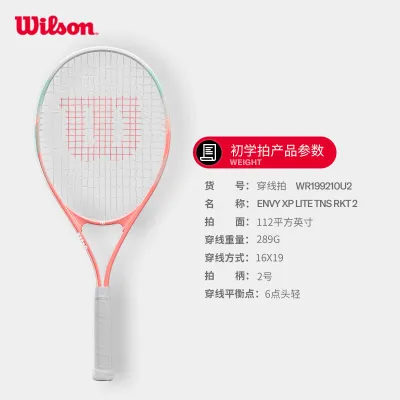
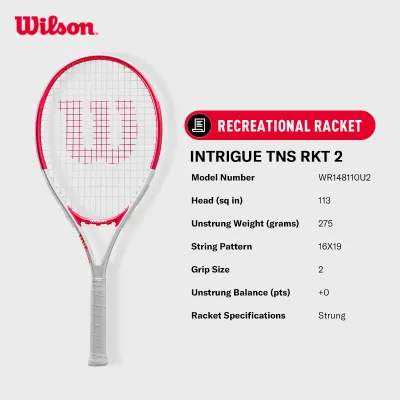
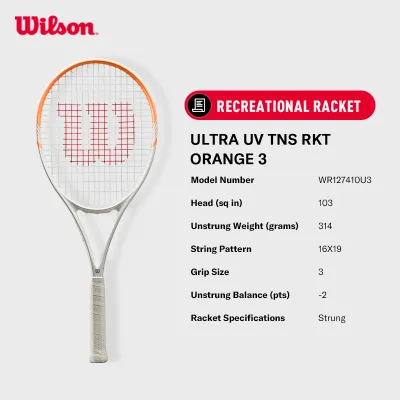
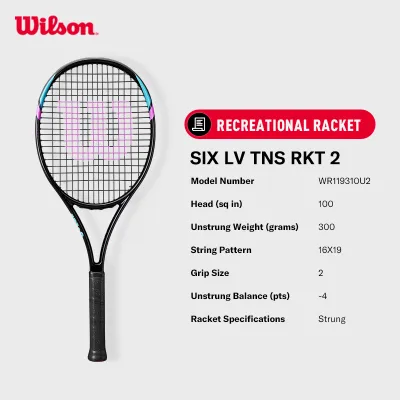
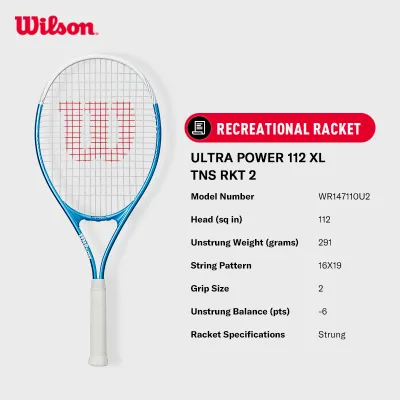
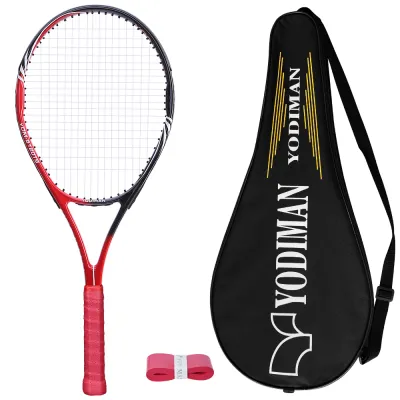
Prices are valid at publication and may change. Please refer to the product page for the latest price.

Head Size and the Sweet Spot
Head size refers to the total surface area of the racket face, measured in square inches. For adult players, rackets are generally categorized into mid-plus (98 to 104 square inches) and oversized (105 square inches and above). The head size directly determines the size of the sweet spot, which is the central area of the string bed that provides the most power and the least vibration upon impact.
When you are learning to track the ball and time your swings, off-center hits are inevitable. An oversized head frame provides a forgiving margin of error, helping you keep rallies going and build confidence. Additionally, the wider string bed creates a natural trampoline effect, generating easy depth on your shots without requiring perfect technique or high swing speeds. When browsing options at a local shop, always verify the head size, which is typically printed clearly on the inner throat of the frame or the product tag.
Weight, Balance, and Arm Fatigue
The weight of a racket, measured unstrung, is a critical factor in preventing injury and ensuring proper swing development. Beginners should look for lightweight rackets, generally weighing under 280 grams. A lighter frame is easier to maneuver, allowing you to prepare your swing early and maintain clean mechanics even during long practice sessions in Singapore’s humid climate.
Racket balance is another crucial variable, describing how weight is distributed between the head and the handle. Head-light rackets have more weight concentrated in the handle, making them highly maneuverable and easier to swing, especially when reacting quickly at the net. Conversely, head-heavy rackets place more weight in the hoop to help generate power, but they can place more leverage and strain on a beginner’s wrist.
While the right equipment can mitigate physical strain, it cannot replace proper physical conditioning and coaching. If you experience persistent joint, elbow, or wrist pain during or after play, you must stop immediately. Reassess your equipment setup, check your technique with a qualified coach, and consult a medical professional if the discomfort persists.
Grip Size and Frame Stiffness
Selecting the correct grip size is vital for maintaining a secure hold on your racket without over-squeezing. In Singapore, standard adult grip sizes range from Size 1 (4 1/8 inches) to Size 3 (4 3/8 inches). An easy way to test the fit is the finger-test method: hold the racket in a normal eastern grip (as if shaking hands with the handle) and attempt to slide the index finger of your opposite hand into the gap between your ring finger and palm. If there is not enough space for your index finger, the grip is too small; if there is excess space, the grip is too large.
Frame stiffness, often indicated by an RA rating, determines how much the racket bends during impact. Stiffer frames (higher RA) bend less, transferring more energy back to the ball for easy power, but they also transmit more harsh vibrations directly to your arm. For unconditioned players, a more flexible frame (lower RA rating) is generally preferred because it absorbs more shock, providing a plush, comfortable feel that protects your joints from repetitive impact.
Recommended Racket Profiles for New Players
Rather than searching for a single “best” model, beginners should identify which racket category aligns with their physical profile, fitness level, and long-term goals. Rackets generally fall into distinct design profiles that prioritize either immediate ease of use or long-term skill progression.
Game Improvement Rackets (Oversized and Lightweight)
Game improvement rackets are designed specifically for casual players, seniors, or individuals who want to enjoy the sport immediately without undergoing intensive technical training. These frames typically feature an oversized head of 105 to 115 square inches, an ultra-lightweight frame (often between 250 and 270 grams), and a noticeably thicker beam width to maximize structural stiffness and power.
The primary benefit of this profile is effortless depth. You do not need a fast, full swing to send the ball deep into the opponent’s court, which is highly advantageous if you have limited upper body strength. However, the trade-off is a significant reduction in directional control. As your swing speed naturally increases with practice, balls hit with a game improvement racket may tend to fly long.
Classic series such as the Wilson Ultra (specifically the lighter, oversized versions) or the Head Titanium series are excellent, non-exhaustive examples of this design philosophy. If you choose this path, always verify current local stock and availability at Singaporean retailers, as specific model names and cosmetic updates change frequently.
Transitional Rackets (Mid-Plus and Balanced)
Transitional rackets are engineered for athletic beginners, younger players, or anyone committed to regular coaching and structured development. These frames feature a mid-plus head size of 98 to 104 square inches, a moderate weight of 270 to 290 grams, and a standard, thinner beam profile.
This category offers a balanced blend of forgiveness and control. While it requires you to generate more of your own power through proper footwork and swing mechanics, it provides the precision needed to place the ball accurately as your skills improve. This ensures that you will not outgrow your racket within a few months of play.
Well-known series like the Babolat Pure Drive (Lite versions) or the Yonex EZONE (Lite or Game versions) serve as non-exhaustive examples of transitional frames. Because feel is highly subjective, it is highly recommended to test the balance and swing weight of these rackets in person before making a purchase.
Buying and Stringing Your Racket in Singapore
Finding and configuring your first tennis racket in Singapore involves navigating both physical retail spaces and specific environmental conditions. Singapore’s high humidity and heat can accelerate the degradation of racket strings and grips, making proper setup and maintenance essential.
Purchasing Channels To ensure you get the correct grip size and frame weight, consider visiting authorized sports retailers or specialized tennis pro shops. Outlets located around the Singapore Sports Hub and independent specialty shops across the island offer hands-on testing, expert consultations, and professional grip-sizing services. While online marketplaces and ecommerce platforms are convenient for price comparisons, you must exercise caution. Verify that the seller is reputable, check for authentic local warranty coverage, and review their return policies to protect yourself against counterfeit products or shipping damage.
Stringing Advice The strings are the engine of your racket, and their setup is just as important as the frame itself. Beginners should avoid stiff, high-durability polyester strings, which require high swing speeds to utilize and can cause arm strain. Instead, opt for multifilament strings or high-quality synthetic gut. These materials are softer, absorb shock effectively, and offer excellent comfort.
In Singapore’s hot, humid climate, strings can lose tension more quickly. For beginners, a lower tension range of 45 to 50 pounds (lbs) is highly recommended. This lower tension creates a larger effective sweet spot, provides easy depth, and cushions the impact on your arm.
Testing Options Before committing to a purchase, explore demo programs. Many local clubs, tennis academies, and specialty pro shops offer racket rental or demo programs for a nominal fee. Testing a racket on court for an hour will give you a realistic sense of its weight, balance, and comfort, helping you avoid an expensive purchasing mistake.
Frequently Asked Questions (FAQ)
How much should a beginner budget for a tennis racket?
For a reliable, beginner-friendly tennis racket in Singapore, expect to budget between S$120 and S$280. While you can find cheap aluminum rackets for under S$80, these frames lack structural stability and fail to absorb shock, which can lead to arm discomfort. Investing in an entry-level graphite or graphite composite racket within the S$120 to S$280 range ensures proper vibration dampening, better durability, and a frame that protects your joints as you play regularly.
Is it better to buy a pre-strung racket or string it separately?
For absolute beginners who are still deciding if they want to stick with the sport, a pre-strung racket is a highly convenient and cost-effective option. These rackets are ready to use immediately and save you the additional cost of custom stringing. However, if you are purchasing a transitional racket and plan to play regularly, custom stringing is highly recommended. Factory strings are often made of basic materials and lose tension while sitting in storage. Custom stringing allows you to select a soft, arm-friendly multifilament string tensioned specifically to your needs, significantly improving comfort and playability.
Can I use an adult racket if I am a junior player transitioning to adult courts?
A junior player can transition to an adult racket once they have the physical height, strength, and coordination to swing a standard 27-inch frame without altering their natural swing mechanics. Generally, this transition occurs around ages 11 to 13, or when the player reaches approximately 140 to 150 centimeters in height. When making the switch, avoid standard adult weights. Start with the lightest adult frames available—typically between 250 and 265 grams unstrung—to prevent shoulder and wrist strain as the body adapts to the longer length and increased swing weight.
Community discussion
Share your experience or ask a question. Comments are reviewed before publication.