
Choosing the best theragun for an HDB home gym depends on balancing your muscle recovery needs against the realities of high-density living—specifically, storage footprint, charging setup, and noise transmission through shared concrete walls. For most HDB residents, the ultra-portable Theragun Mini or the mid-tier Theragun Prime/Elite offers the ideal compromise, while the professional-grade Theragun PRO requires dedicated storage and careful timing to avoid disturbing neighbors.
By evaluating your specific physical layout and recovery goals, you can select a model that enhances your fitness routine without cluttering your living space or creating friction with those around you.
Evaluating Your HDB Space and Storage Constraints
In Singapore, where the average size of a newly built four-room HDB flat is around 90 to 93 square meters, every square centimeter of floor space and storage must be carefully budgeted. When planning a home gym setup within these compact layouts, residents often prioritize large items like adjustable dumbbells, folding benches, or yoga mats, leaving recovery tools as an afterthought. However, a percussive therapy device is not just a hand-held accessory; its complete ecosystem—including the device body, multiple attachments, charging cables, and protective cases—requires dedicated physical space. Before purchasing a recovery tool, it is essential to evaluate where you will actually use and store it to avoid cluttering your limited living areas.
Products mentioned in this guide
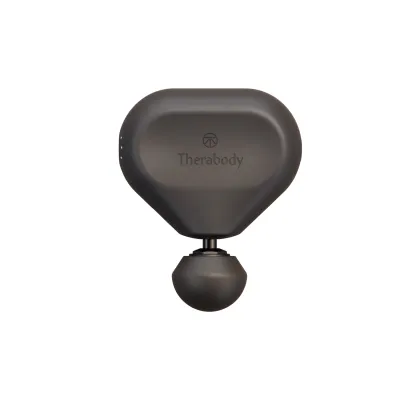
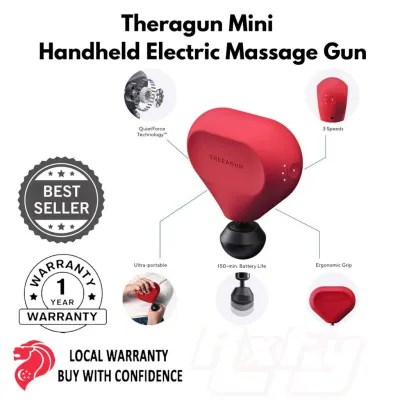
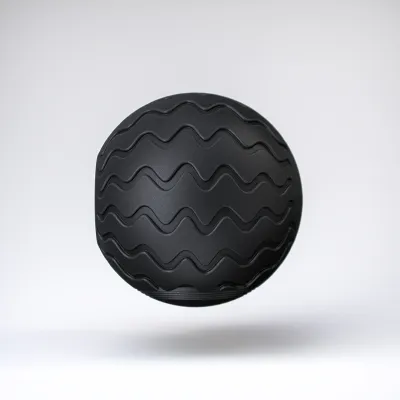
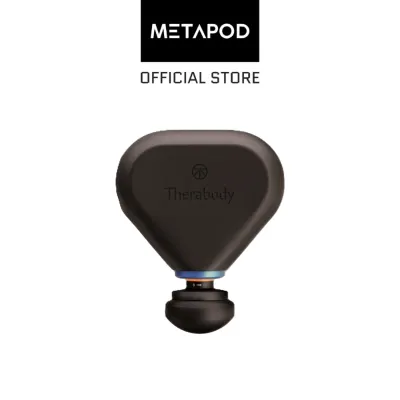
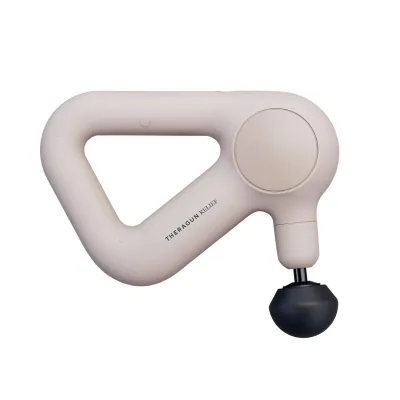
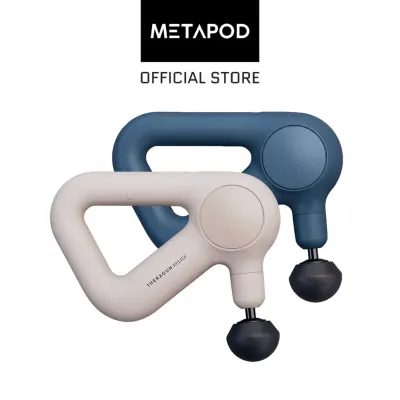
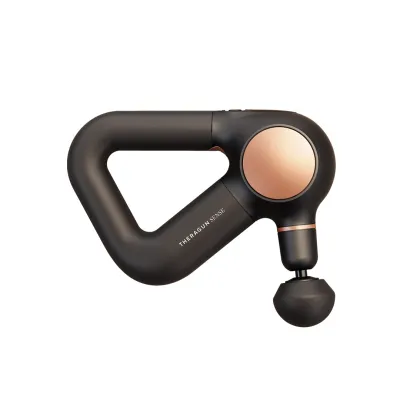
Prices are valid at publication and may change. Please refer to the product page for the latest price.
Setting up a workout zone in a multi-purpose room, such as a bedroom corner or a study, means you must account for the physical footprint of your recovery gear during both active use and storage. If your workout space is a tight corridor between your bed and wardrobe, using a large, wide-angled device can feel restrictive. Furthermore, storage options in HDB flats are typically limited to built-in wardrobes, shallow chest drawers, or open shelving units like standard storage racks. If you do not plan ahead, you may find that a premium recovery device kit occupies an entire shelf or drawer that could otherwise hold essential gym apparel or smaller fitness accessories.
Another frequently overlooked spatial factor is the footprint of charging docks and cable management. While a standalone charging stand keeps your device upright and ready to use, it requires a permanent spot on a tabletop, desk, or shelf near a power outlet. In a compact HDB flat, surface space is highly competitive, and a bulky charging dock with a trailing power cable can quickly make a room look disorganized. If you prefer to keep your surfaces clear, you must plan for alternative charging methods, such as direct cable charging inside a drawer or cabinet, which keeps the device hidden from view while powering up.
A common mistake among apartment dwellers is purchasing a professional-grade recovery package without verifying the dimensions of its carrying case. High-end models often ship with large, rigid travel cases designed to protect the device and its extensive array of attachments. These cases can easily measure over 30 centimeters in length and 10 centimeters in depth, making them too bulky to fit into standard shallow drawers or narrow shoe cabinets. If your home gym storage consists primarily of slim drawers or small decorative baskets, you may find yourself forced to leave a massive, unsightly plastic case sitting out in the open, disrupting the aesthetic of your living space.
Critical Theragun Features for Compact Apartment Living
To find the right theragun model for a high-density apartment, you must look beyond raw power and examine how the physical and operational design of the device fits into a shared-wall environment. Unlike detached houses, HDB flats feature structural concrete walls and floors that are highly efficient at transmitting physical energy. This means that the physical footprint, ergonomic shape, and acoustic output of your percussive therapy device will directly impact not only your personal comfort but also your relationship with your family members and immediate neighbors.

The physical footprint and ergonomics of the device play a major role in how easily you can use it within tight spaces. The signature triangular handle design of the theragun is highly praised for its versatility, allowing you to hold the device in multiple ways to reach difficult spots like the lower back or shoulder blades without straining your wrists. However, this unique geometry also makes the device significantly wider and more awkward to pack away than traditional straight-handled massage guns. If you plan to store your device in a shallow drawer, you must check whether the triangular frame can lie flat without forcing the drawer guide rails or catching on the frame above it.
Acoustic profile and motor isolation are perhaps the most critical technical specifications to consider when living in close proximity to others. High-density housing means that the sound of a high-frequency motor can easily penetrate thin doors or travel through open windows into neighboring units. When evaluating different models, it is vital to check the manufacturer’s official decibel (dB) ratings and look for advanced motor isolation technology rather than relying on vague marketing terms like “whisper-quiet.” A well-isolated brushless motor minimizes the high-pitched whine and deep drone that can easily irritate family members trying to sleep or work in the next room.
The choice between a standalone charging dock and a direct cable connection also carries significant spatial consequences for compact home gyms. Standalone docks are convenient but demand dedicated, permanent surface area on a sideboard or desk, along with an active power outlet. For tight HDB setups, direct cable charging—especially via universal standards like USB-C—is often the more practical choice. USB-C charging allows you to share cables with your phone or laptop, eliminating the need for proprietary power bricks and keeping your workout corner free from cable clutter.
Matching Theragun Model Tiers to Your Space and Needs
The modern theragun lineup is divided into distinct tiers, each offering a different balance of physical size, motor power, and accessory options. Choosing the right tier requires a realistic assessment of your athletic recovery needs versus the physical limits of your HDB flat. By understanding the trade-offs inherent in each category, you can select a model that provides sufficient muscle relief without overwhelming your compact living space.
For users with extremely limited storage space or those who prefer to keep their home gym equipment completely hidden, the ultra-portable tier, represented by the Theragun Mini, is often the most sensible choice. This compact, pocket-sized device can easily slide into a standard desk drawer, a small storage basket, or a gym bag without taking up any noticeable space. Because it charges directly via a standard USB-C cable, it requires no bulky charging docks or specialized power adapters. However, this extreme portability comes with clear functional trade-offs: ultra-portable models generally offer lower stall force (the amount of pressure you can apply before the motor stops) and a shorter amplitude (the depth of the muscle percussion) compared to their full-sized counterparts. While highly convenient, they may not provide the deep-tissue relief required by heavy lifters or competitive athletes.
The mid-tier everyday models, such as the Theragun Prime or Theragun Elite, represent the sweet spot for the majority of HDB home gym owners. These devices offer the full 16-millimeter amplitude characteristic of professional-grade percussive therapy, providing deep muscle stimulation while maintaining a relatively compact physical footprint. They are quiet enough for general indoor use, and their streamlined triangular frames can still fit comfortably inside standard built-in wardrobe drawers or medium-sized storage bins. While they do not feature the advanced adjustable arms or swappable batteries of the professional tier, their built-in batteries offer ample runtime for daily personal use, making them a highly efficient and balanced choice for regular fitness enthusiasts.
The high-power professional tier, highlighted by the Theragun PRO, is designed for serious athletes, physical therapists, and heavy strength trainers who require maximum customization and power. These top-tier models feature adjustable arm angles, swappable external batteries, and the highest stall force available, allowing for intense, deep-tissue therapy. However, these professional features come with substantial spatial and acoustic compromises. The professional models are physically larger, heavier, and require a much larger carrying case to house their multiple attachments, spare batteries, and charging cradles. Furthermore, their high-torque motors can produce more noticeable physical vibrations and airborne noise, which may require careful management in a quiet apartment building. Unless you absolutely require maximum stall force and an adjustable arm for specialized rehabilitation, the extra bulk and storage demands of a professional-tier model may outweigh its benefits in a small home gym. To make an informed decision, always verify the current dimensions, weight, stall force, and amplitude specifications on the official manufacturer website or authorized retail listings before purchasing.
Navigating Noise and Vibration in High-Density Flats
Using a high-performance percussive therapy device in an HDB flat requires a basic understanding of acoustic physics and neighbor etiquette. While modern brushless motors have significantly reduced the airborne high-frequency noise of massage guns, the physical nature of percussive therapy relies on rapid, high-force impacts. When these impacts are applied to your body, the resulting low-frequency kinetic energy does not just disappear—it can travel down through your limbs and transfer directly into the building’s structural concrete floors and shared walls.
This structural vibration transmission is often the true cause of neighbor complaints in high-density apartments. Even if the airborne sound of your device seems perfectly quiet to you, a neighbor living directly below or adjacent to your flat may hear a persistent, low-frequency thumping or buzzing sound vibrating through their ceiling or walls. This effect is particularly pronounced in older HDB estates where the concrete slabs may transmit sound more readily, or in quiet evening hours when ambient city noise dies down.
To maintain good neighbor relations, it is highly recommended to establish practical usage guidelines based on timing and location. Avoid using your percussive device during early morning hours (before 8:00 AM) or late at night (after 10:00 PM), especially in rooms that share a common wall with a neighbor’s bedroom. If you must run a recovery session late at night, choose a central room in your flat, such as a hallway or living room corner away from shared walls, to minimize the risk of sound transmission.
Additionally, you can employ simple physical techniques to minimize the acoustic impact of your recovery sessions. When targeting areas near bony structures or when using the device on high-speed settings, opt for softer, impact-absorbing attachments like the Dampener or the Supersoft head rather than hard plastic attachments. Furthermore, never rest the running device directly on a hard, uncarpeted tiled or vinyl floor, as this will instantly turn the floor into a massive soundboard. Always place the device on a thick yoga mat, a rubber gym tile, or a soft rug when setting it down between sets to absorb any stray physical vibrations.
Space-Saving Storage and Maintenance Routines
Keeping your recovery gear organized and well-maintained is essential for preserving both your living space and the lifespan of your device. In a compact HDB home gym, traditional storage solutions like leaving the device in its large, original carrying case can quickly consume valuable shelf space. By implementing smart, space-saving storage alternatives, you can keep your recovery tools easily accessible without cluttering your home.
Instead of relying on a bulky hard-shell case, consider using custom drawer inserts or dedicated soft-sided tech pouches to organize your device and its attachments. A shallow drawer lined with a simple felt organizer allows you to lay your triangular device flat alongside its most frequently used attachments, keeping them completely out of sight when not in use. Alternatively, a compact, padded tech pouch can hold the device and two or three essential attachments, taking up less than half the space of the original retail carrying case while still providing excellent protection against dust and accidental drops.
Singapore’s tropical climate presents unique challenges for storing electronic fitness equipment. With average relative humidity levels often exceeding 80 percent, enclosed, unventilated spaces can easily trap moisture, leading to the growth of mold on fabric attachments or the degradation of rubberized grips. To protect your investment, avoid storing your device in damp gym bags, laundry rooms, or areas exposed to direct sunlight. Instead, choose a cool, dry, and well-ventilated drawer or cabinet, and consider placing a few rechargeable silica gel packets inside the storage compartment to absorb excess moisture.
Maintaining your device requires only a few simple, low-risk cleaning steps that should be performed regularly after sweaty workouts. After each use, wipe down the body of the device and the non-porous attachments with a slightly damp microfiber cloth to remove sweat, skin oils, and dust. For fabric or foam attachments, such as the Supersoft head, gently wipe the surface and allow it to air-dry completely in a well-ventilated room before storing it away. Never submerge the device or its attachments in water, and avoid using harsh chemical solvents or aerosol sprays, as these can damage the internal motor housing and degrade the external materials over time.
Frequently Asked Questions (FAQ)
Will a high-power Theragun disturb my HDB neighbors?
While modern brushless motors are designed to run quietly, the low-frequency physical vibrations generated by a high-power percussive device can transmit through concrete floors and shared walls in HDB blocks. To prevent disturbing your neighbors, avoid using the device on high-speed settings late at night or early in the morning near shared bedroom walls. Using softer, shock-absorbing attachments like the Dampener or Supersoft head can also help minimize the physical impact and structural vibration. Additionally, always place the device on a soft surface like a yoga mat or rug when setting it down, rather than directly on bare tiled or vinyl flooring.
Do I need the carrying case if I have limited shelf space?
You do not need to use the original, bulky carrying case if drawer or shelf space is at a premium in your apartment. While the retail case offers excellent protection for travel, it occupies a significant amount of physical space that may be impractical for daily home storage. As a space-saving alternative, you can store your device flat in a shallow drawer using simple felt organizers, or pack it into a compact, soft-sided tech pouch. Just ensure the storage spot is dry, clean, and safe from accidental drops or heavy objects that could press against the power button.
How do I clean and maintain my Theragun in a humid climate?
Singapore’s high humidity requires careful storage and maintenance to prevent mold growth on fabric attachments and preserve the rubberized grips of your device. After every workout, wipe down the device body and attachments with a slightly damp microfiber cloth to remove sweat and skin oils, then let them air-dry completely in a well-ventilated area. Avoid storing the device in damp gym bags or airtight plastic containers without ventilation. To actively combat moisture buildup, store your device in a dry cabinet or drawer alongside a few rechargeable silica gel packets, and keep it away from direct sunlight.
Community discussion
Share your experience or ask a question. Comments are reviewed before publication.