
Finding the best thick yoga mat for joint protection requires balancing thickness with material density. While many brands offer mats with a thickness of 8mm or more, thickness alone does not guarantee joint safety. If a mat is soft but lacks density, your joints will sink straight through to the hard floor under your body weight.
To find the right balance, you must choose between two primary brand approaches. Premium, eco-focused brands tend to use dense natural rubber or specialized dense polymers. These mats provide a firm, supportive barrier that protects your joints while keeping you stable during balance poses. On the other hand, accessible comfort brands often use thicker, lighter materials like Nitrile Butadiene Rubber (NBR) or Polyvinyl Chloride (PVC) to deliver a plush, sinking feel.
Your ideal brand depends on your specific joint sensitivities, your practice style, and whether you prioritize stability or cushioning. Active, standing styles of yoga require a dense, heavy mat. If your practice is primarily floor-based, restorative, or focused on deep stretches, a lighter, thicker, and softer foam mat may serve you better.
Products mentioned in this guide

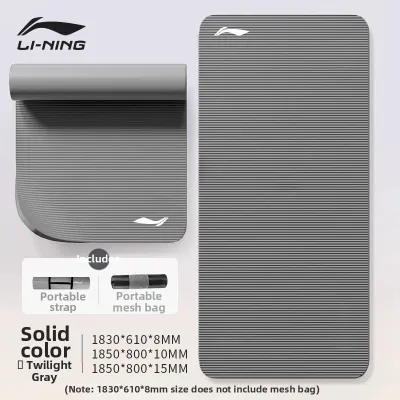
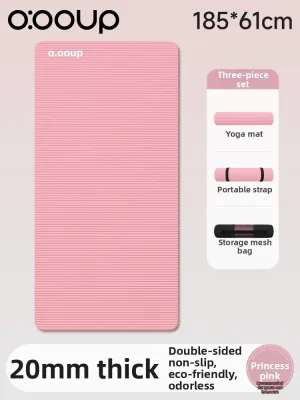
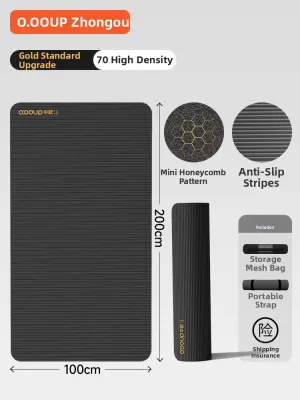
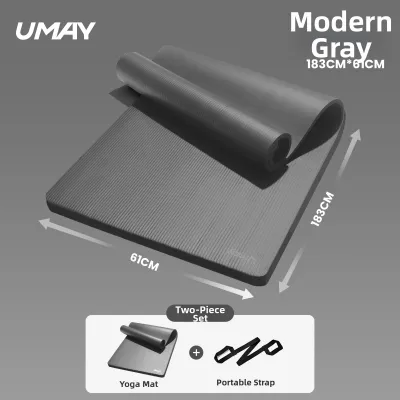
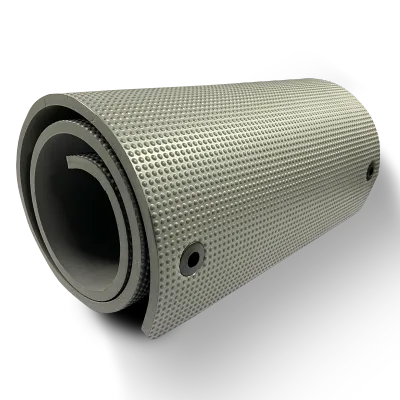
Prices are valid at publication and may change. Please refer to the product page for the latest price.
Why Thickness and Density Must Work Together for Joint Protection
When looking for a thick yoga mat, it is easy to assume that a higher millimeter count automatically translates to better protection for your knees, wrists, and hips. However, joint comfort is governed by the physical relationship between thickness and material density. Standard yoga mats usually measure between 3mm and 5mm, which is often insufficient for sensitive joints. For effective protection, a baseline thickness of 6mm to 8mm or more is typically recommended, but this measurement is only half of the equation.
The primary risk with ultra-thick, low-density mats is “bottoming out.” When you place your weight on a single point—such as your knee in a low lunge—your body exerts concentrated pressure on a small surface area. If the mat is made of lightweight, low-density foam, the material compresses completely under your weight. This compression forces your joint to make indirect contact with the hard floor beneath, rendering the extra thickness useless.
To prevent bottoming out, a mat must possess adequate density. Density refers to how closely packed the material’s molecules are, which determines the level of resistance or “pushback” the mat provides. A high-density mat compresses slightly to contour around your joint, but it maintains enough structural integrity to keep the joint suspended above the floor. This resistance is crucial for distributing your body weight evenly across the contact area, reducing localized pressure points.
Furthermore, material density plays a critical role in joint alignment and balance. When you stand on an excessively soft, low-density surface, your feet and ankles sink in unevenly. This instability forces the stabilizing muscles in your ankles, knees, and hips to work overtime to keep you upright, leading to joint fatigue and compromised alignment. A dense mat provides the solid, predictable foundation needed to execute balance poses safely while still absorbing the shock of weight-bearing movements.
Key Dimensions to Compare Across Yoga Mat Brands
When evaluating different thick yoga mat brands, looking at the brand name is not enough. You must assess several key physical dimensions to determine how a specific mat will perform during your practice and how well it will protect your joints over time.

Material Composition The material determines a mat’s density, weight, and joint support. Natural rubber is highly favored by premium brands for its exceptional density and natural elasticity, providing a firm cushion that does not bottom out. However, rubber mats are heavy and can trigger latex allergies. Nitrile Butadiene Rubber (NBR) is a synthetic foam used in budget-friendly, ultra-thick mats (10mm to 15mm). It is soft and lightweight but lacks the density required for standing balance. Polyvinyl Chloride (PVC) is highly durable and can be manufactured to have a very high density, but it is synthetic. Thermoplastic Elastomer (TPE) is a lightweight middle ground, offering better eco-friendliness than PVC, though it lacks the long-term durability of natural rubber.
Surface Grip and Texture A thick mat must provide excellent grip to ensure joint safety. Slipping during poses like Downward-Facing Dog forces muscles to contract unnaturally, putting acute stress on your wrists and shoulders. Brands address grip through surface textures and open-cell or closed-cell designs. Open-cell mats absorb moisture, providing excellent grip even when you sweat, though they require thorough cleaning. Closed-cell mats repel moisture, making them easier to wipe down, but they can become slippery when wet unless they feature a specialized textured pattern or are paired with a yoga towel.
Weight and Portability There is a direct correlation between a mat’s density and its weight. A high-density, 8mm natural rubber mat can weigh between 3.5kg and 4.5kg. While fine for home use, carrying a heavy mat on public transit in Singapore can strain your shoulders and back, causing the joint discomfort you are trying to avoid. Lightweight materials like TPE or NBR weigh significantly less (under 1.5kg) but are bulkier to roll up, making them harder to fit into standard mat bags.
Durability and Compression Set Compression set refers to a material’s tendency to remain permanently deformed after being compressed. Over months of practice, your knees and hands will repeatedly press into the same spots. Low-density foam mats often suffer from high compression set, developing permanent, thinned-out divots that compromise joint protection. High-density materials, particularly natural rubber and high-grade PVC, have excellent resilience and return to their original shape after every session, ensuring consistent support for years.
How Different Brand Tiers Approach Thick Cushioning
Yoga mat brands generally fall into distinct categories based on their manufacturing philosophies, target audiences, and material choices. Rather than assuming that every mat from a single brand offers the same level of joint support, it is helpful to understand how these brand tiers design their thick options. This understanding allows you to match a brand’s design philosophy with your personal physical needs and budget.
Premium Eco-Focused Brands (Dense Natural Rubber)
Premium, eco-focused brands prioritize high-density, sustainable materials to deliver superior joint protection without sacrificing stability. These brands typically design mats that range from 5mm to 8mm in thickness, relying on the natural density of sustainably harvested tree rubber or specialized non-toxic polymers.
The primary benefit of these mats is their firm, reliable cushioning. When you drop your knees in a low lunge, the dense rubber absorbs the impact and prevents your bones from pressing against the subfloor, yet your feet remain securely anchored during standing poses. Additionally, these brands often incorporate advanced open-cell surfaces or proprietary polyurethane top layers that offer unmatched grip, reducing the risk of slips that can strain your wrists and shoulders.
However, these features come with clear trade-offs. Premium natural rubber mats are more expensive, often ranging from S$120 to over S$200 in Singapore. They are also heavy, making them less practical for yogis who commute. Furthermore, because they are made from natural tree rubber, they possess an earthy scent when new and are not suitable for individuals with latex sensitivities.
Accessible Comfort Brands (Plush NBR and PVC)
Accessible comfort brands focus on maximum softness and immediate comfort at an affordable price. These brands commonly utilize lightweight synthetic foams, such as Nitrile Butadiene Rubber (NBR) or thick, low-density Polyvinyl Chloride (PVC), to create mats that are often 10mm to 15mm thick.
The main advantage of these mats is their plush, pillow-like feel. For individuals suffering from severe joint pain or recovering from injuries, kneeling on a 15mm NBR mat provides immediate pressure relief. These mats are incredibly lightweight despite their thickness, making them easy to carry, and are highly budget-friendly, typically retailing between S$20 and S$50.
The trade-off for this plush comfort is a loss of stability. Because these materials are highly compressible, your hands and feet sink deeply into the foam. This makes it difficult to maintain balance in standing poses, as your ankles must constantly wobble to find a stable base. Additionally, these mats are prone to stretching during dynamic movements and have a high compression set, meaning they wear out and lose cushioning much faster than high-density alternatives.
Specification Checklist: What to Verify on the Product Label
Because brands often sell multiple variations of their mats under similar product lines, you must carefully verify the specific details on the product label before making a purchase. A mat labeled “extra thick” might only be 6mm, which may not be enough for your needs, or it might be a low-density foam that bottoms out immediately.
Use this specification checklist to evaluate any thick yoga mat you are considering:
| Material Type | Typical Thickness | Average Weight | Best Practice Style | Joint Protection Level | Balance Stability Level |
|---|---|---|---|---|---|
| Dense Natural Rubber | 6mm to 8mm | 3.2kg – 4.5kg | Vinyasa, Ashtanga, Hatha | High (Firm Support) | Excellent |
| High-Grade PVC | 6mm to 8mm | 3.0kg – 4.0kg | Hot Yoga, Power Yoga | High (Firm Support) | Very Good |
| Thermoplastic Elastomer (TPE) | 6mm to 10mm | 1.0kg – 1.8kg | Gentle Hatha, Yin Yoga | Moderate | Good |
| Nitrile Butadiene Rubber (NBR) | 10mm to 15mm | 0.8kg – 1.2kg | Restorative, Pilates, Therapy | High (Plush Comfort) | Poor |
When shopping, remember to:
- Verify the exact weight: If you plan to carry your mat to studio classes in Singapore, ensure the weight is manageable.
- Check the dimensions: Thick mats are sometimes shorter or narrower to keep the weight down; ensure the mat fits your height.
- Review the return policy: Because joint comfort is highly subjective, choose a retailer that allows you to test the mat's firmness at home and return it if your joints bottom out or if you find it too unstable.
Decision Framework: Choosing the Right Brand for Your Joints
To simplify your decision, align your scenario with the correct material and brand tier to avoid purchasing a mat that hurts your joints or compromises your balance.
Choose a Premium Dense Rubber Brand if:
- You practice active, dynamic styles like Vinyasa, Ashtanga, or Power Yoga.
- You require reliable joint support without losing your balance during standing postures.
- You prioritize long-term durability, excellent dry grip, and sustainable materials.
- You do not mind carrying a heavier mat or have a dedicated storage space at your studio.
Choose an Accessible Plush NBR/PVC Brand if:
- Your practice consists primarily of floor-based, slow-paced styles like Restorative, Yin, or Pilates.
- You suffer from severe joint pain or are undergoing physical therapy where standing balance is not the focus.
- You are on a strict budget and want an affordable way to practice comfortably at home.
- You need a highly cushioned mat that is lightweight and easy to move around.
Verify First if:
- You have latex allergies: Avoid natural rubber brands entirely and look for high-grade PVC, TPE, or polyurethane-based mats.
- You commute long distances: Check the weight of any dense rubber mat; if it exceeds 3kg, consider whether carrying it on public transport will cause shoulder strain.
- You practice hot yoga: Thick, open-cell mats absorb sweat, making them heavy, difficult to dry in Singapore's humid climate, and prone to odor. Choose a closed-cell thick mat and pair it with a slip-resistant towel.
Neither May Fit if:
- You travel frequently or need a highly portable mat. A thick, dense mat is too heavy and bulky, while a thick NBR mat is too large to pack. Instead, purchase a thin, lightweight travel mat (1mm to 2mm) and use a separate, small gel joint pad or a folded blanket under your knees when extra cushioning is required.
Care and Maintenance to Preserve Thick Mat Cushioning
To ensure your thick yoga mat continues to protect your joints for years, you must care for it properly. Over time, sweat, body oils, and improper storage can degrade the physical structure of both natural rubber and synthetic foams, causing them to lose their elasticity and density.
Always check your specific mat’s label and follow the manufacturer’s care instructions first. For natural rubber mats, clean the surface using a soft cloth dampened with a highly diluted solution of water and mild soap, or a dedicated rubber mat wash. Avoid harsh chemical cleaners, bleach, or essential oils, which can break down the natural compounds in the rubber and destroy its grip. For synthetic PVC or TPE mats, a mild dish soap and water solution is safe, while NBR mats should only be wiped down with a damp cloth to prevent water from soaking deep into the foam.
Never submerge a thick mat in water or put it in a washing machine unless the manufacturer explicitly states it is safe. Thick materials, especially open-cell rubber and NBR foam, act like sponges; they absorb large amounts of water that can take days to dry in Singapore’s humid climate, leading to mold and structural deterioration. Additionally, never expose your mat to direct sunlight, as UV rays will dry out natural rubber, causing it to crumble, and can warp synthetic foams.
When storing your thick mat, always roll it loosely with the top (usable) side facing outwards so the corners lay flat when unrolled. Never fold a thick yoga mat, as folding creates sharp creases that damage the internal cell structure, leading to permanent flat spots where the cushioning is lost.
Frequently Asked Questions (FAQ)
Is a 6mm yoga mat thick enough for sensitive knees?
A 6mm yoga mat can provide adequate joint protection, but only if it is made of a high-density material like natural rubber. If the 6mm mat is made of low-density foam, it will compress completely under your body weight, causing your knees to bottom out against the hard floor. If you have highly sensitive joints, opting for an 8mm or thicker high-density mat is a safer choice.
Can I use a thick NBR fitness mat for yoga practice?
While a thick NBR fitness mat (10mm to 15mm) offers excellent cushioning for floor exercises, it is generally not suitable for yoga. NBR foam has a very low density, making it highly unstable for standing balance poses. Furthermore, the surface is often slippery and stretches under tension, which can cause your hands and feet to slide, putting strain on your wrists and shoulders.
Do thick yoga mats affect my balance in standing poses?
Yes, thick yoga mats can affect your balance if they lack sufficient density. Soft, pillowy mats allow your feet to sink deeply, which destabilizes your ankles and forces your muscles to work harder to keep you upright. To protect your joints without compromising balance, look for a thick mat made of high-density natural rubber or dense PVC, or use a separate knee pad on a standard mat.
Community discussion
Share your experience or ask a question. Comments are reviewed before publication.