
Beginners looking to master jig fishing will find that a high-quality tungsten jig is one of the most effective tools for accelerating their learning curve. While lead has been the historical standard for decades, tungsten offers unmatched sensitivity and a compact profile that makes a noticeable difference in bite detection and lure control. This guide highlights the top beginner-friendly tungsten jig brands, focusing on reliability, affordability, and practical performance on the water.
Why Beginners Should Consider Tungsten Jigs Over Lead
Tungsten’s primary advantage lies in its physical properties. It is roughly 1.7 times denser than lead, which means a tungsten jig of a specific weight is significantly smaller than its lead counterpart. This compact profile allows the lure to cut through the water column much faster, experiencing less drag and wind resistance during the cast. For a beginner, a smaller profile is also less intimidating to wary fish in clear water or highly pressured urban reservoirs, presenting a more natural, bite-sized target that fish can easily inhale.
Beyond its compact size, tungsten provides superior sensitivity that directly aids the learning process. Because tungsten is a much harder material than lead, it does not absorb energy when it collides with underwater objects. Instead, it transmits vibrations directly up the fishing line to your hand. When your jig contacts a rock, gravel, sand, or submerged timber, you feel a distinct, sharp “tick” rather than a soft, muffled thud. For a novice angler learning to differentiate between a weed, a hard bottom, and a subtle fish bite, this instant feedback is invaluable for developing a mental map of the underwater terrain.
Products mentioned in this guide
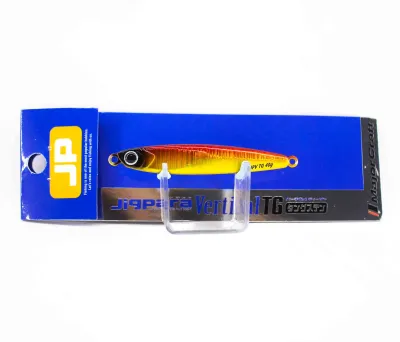
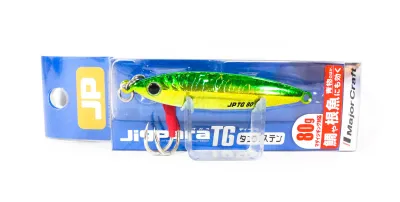
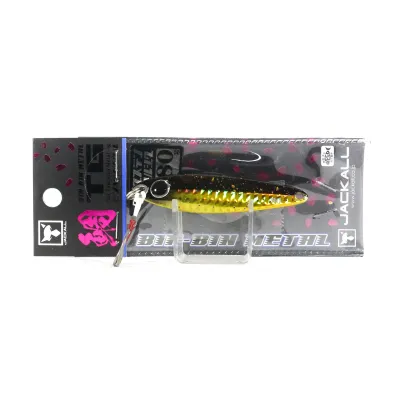
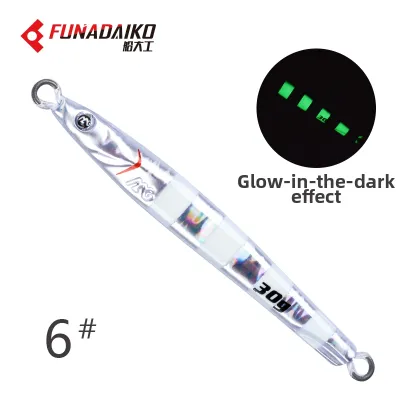
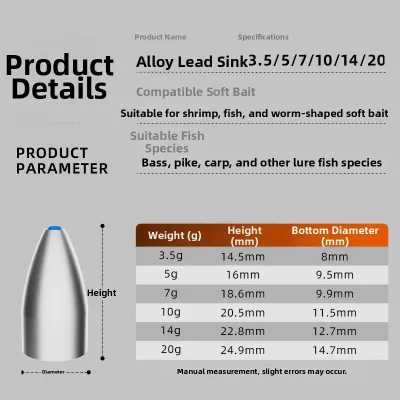
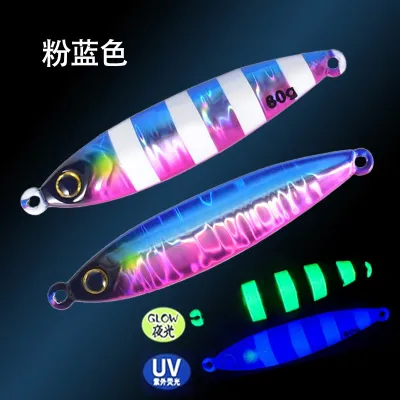
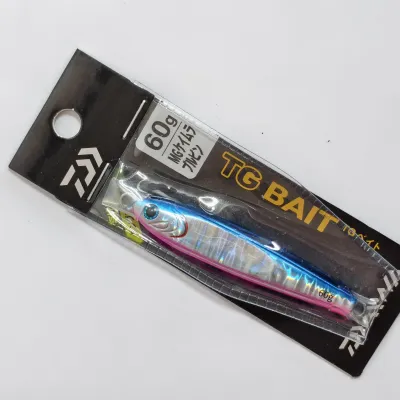
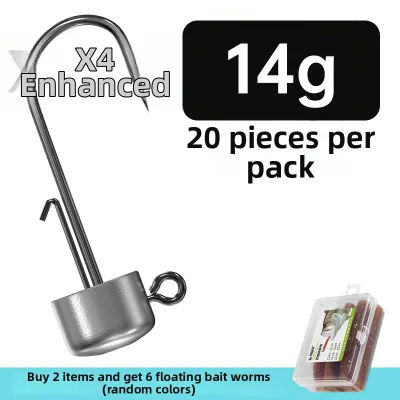
Prices are valid at publication and may change. Please refer to the product page for the latest price.
From an environmental standpoint, tungsten is non-toxic and eco-friendly, making it a sustainable alternative to lead, which is increasingly restricted in various fisheries globally. While the initial cost of tungsten is higher than lead, the rapid feedback helps novices recognize when they are about to get snagged, allowing them to adjust their retrieval before losing the lure. The accelerated learning curve and increased hookup rates make tungsten a highly practical and rewarding investment for those starting out.
Key Selection Criteria for Your First Tungsten Jigs
Choosing your first tungsten jig can be overwhelming due to the sheer variety of head shapes, weed guards, and hook configurations available. To avoid confusion, beginners should focus on versatile specifications that perform well across multiple environments, from local reservoirs to coastal structures.

Weight Selection and Environmental Factors For typical shallow to medium-depth freshwater and light coastal fishing, a weight range of 1/4 oz to 3/8 oz (approximately 7 to 10 grams) is the most versatile starting point. This weight class is heavy enough to cast easily, even in moderate wind, and sinks quickly enough to maintain contact with the bottom. However, no single weight is universal. In stronger currents or deeper waters, you may need to step up to a 1/2 oz jig to prevent your line from bowing, while shallow, calm flats are better suited for a lighter 1/8 oz jig. Always check the manufacturer’s packaging to verify the exact weight before purchasing.
Weedless Design and Snag Resistance Losing gear is one of the most frustrating aspects of learning to jig, which is why a reliable weedless design is essential. Beginners should look for jigs equipped with integrated weed guards, typically made of resilient nylon fibers or flexible metal wire. A well-designed weed guard deflects the hook point away from submerged branches, rocks, and aquatic vegetation, minimizing snagging. However, the guard must remain flexible enough to collapse easily when a fish bites, ensuring the hook can penetrate the fish’s mouth.
Hook Quality, Gap, and Trailer Matching The hook is the most critical component of your jig. Look for high-carbon steel hooks that offer excellent sharpness and strength. Pay close attention to the hook gap—the distance between the hook shank and the point. A wide hook gap is ideal when pairing the jig with bulky soft plastic trailers, such as craws or paddle-tail swimbaits, as it leaves enough clearance for a clean hookset. Standard gaps work best with slender, low-profile trailers. Matching the hook size to your intended trailer ensures the lure swims naturally and hooksets remain efficient.
Budgeting and Value While premium tournament-grade jigs offer hand-tied skirts and custom paint jobs, beginners do not need to spend top dollar. Focus on mid-tier options that prioritize hook sharpness and durable weed guards over aesthetic extras. This balance allows you to learn the technique with high-quality gear without the stress of losing an expensive lure to an unavoidable snag.
Top Tungsten Jig Brands for Beginner Anglers
Selecting the right brand ensures you receive consistent quality control, durable components, and reliable performance. The following brands offer excellent entry points for novice anglers looking to add a tungsten jig to their tackle selection.
Strike King
Strike King is a highly respected name in the angling community, known for producing accessible and reliable fishing tackle. Their entry-level and mid-tier tungsten jigs are excellent starting points for beginners. These jigs feature sharp, dependable hooks and resilient weed guards that perform consistently right out of the box. The brand’s designs focus on practical utility, ensuring that novice anglers can fish with confidence without needing to modify their gear.
One of the greatest advantages of Strike King is its widespread availability. You can easily find their products in local tackle shops across Singapore and on major online fishing marketplaces, making it simple to restock your tackle box. This accessibility is particularly helpful for beginners who are still mapping out their local fishing spots and need quick, reliable replacements.
However, because these jigs are mass-produced to keep costs low, their painted finishes may chip over time when repeatedly dragged across harsh, rocky bottoms. Additionally, it is always wise to inspect the hook point for any minor manufacturing burrs or dullness before tying the jig to your line, ensuring optimal hook penetration.
Z-Man
Z-Man has earned a strong reputation for durability and innovative design, making it a standout brand for beginners who want their gear to last. Their tungsten jigs are built to withstand significant wear and tear, featuring robust finishes and high-grade hooks. A key feature of Z-Man jigs is their seamless compatibility with the brand’s proprietary ElaZtech soft plastics, which are incredibly stretchy and tear-resistant.
For a beginner refining their casting accuracy and retrieval speed, this durability is a major benefit. You can drag these jigs through rough structures, skip them under docks, and catch multiple fish without the skirt or trailer falling apart. This resilience means fewer interruptions to change damaged soft plastics, allowing you to spend more time with your line in the water.
A minor limitation to keep in mind is trailer compatibility. The baitkeeper barbs on some Z-Man tungsten jigs are specifically optimized for ElaZtech materials. If you choose to use extremely soft or traditional plastisol trailers from other brands, they may not seat as securely on the hook shank, occasionally sliding down after a hard cast or a missed strike.
Berkley
Berkley focuses on delivering straightforward, highly effective designs at a very competitive price point. Their tungsten jig lineup offers an affordable entry into tungsten fishing, making them highly attractive to beginners who are hesitant to spend heavily on a new technique. These jigs feature clean, no-nonsense head shapes and reliable skirts that mimic common aquatic prey.
The affordability of Berkley jigs provides peace of mind. When you are learning to read the bottom, losing a few jigs to deep snags is an inevitable part of the process. Fishing with a cost-effective Berkley jig reduces the frustration of these losses, allowing you to cast into challenging structures where fish are likely to hide. The hooks are sufficiently sharp and strong for typical freshwater species and light coastal targets.
Beginners should note that the weed guards on some budget-friendly Berkley models can occasionally be stiff out of the packaging. It is highly recommended to inspect the weed guard before fishing; a quick manual adjustment, such as gently spreading or slightly bending the fibers outward, can significantly improve your hookset ratio without sacrificing snag resistance.
Picasso
Picasso represents a slightly more premium tier, offering exceptional component quality and precision engineering. While they carry a higher price tag, their jigs are highly rewarding for beginners who are ready to invest in superior feedback. Picasso jigs feature premium, ultra-sharp hooks and meticulously tuned weed guards that strike a perfect balance between preventing snags and collapsing easily during a strike.
The primary benefit of a Picasso tungsten jig is its exceptional sensitivity. The high-purity tungsten alloy used in their heads provides incredibly clear feedback from the bottom. If you have practiced the basics of casting and retrieval and now want to master the art of distinguishing between sand, mud, and gravel, Picasso’s superior tactile transmission makes the learning process much faster.
The main trade-off is the cost. Because these jigs are priced higher, they are best introduced as a “step-up” option once you have gained basic confidence and are losing fewer lures to snags. Investing in Picasso jigs is ideal when you want to minimize any chance of equipment failure during critical hooksets or when targeting larger, more elusive fish.
Quick Comparison of Recommended Tungsten Jig Brands
To help you quickly identify the right option for your specific needs, the table below summarizes the key characteristics of each recommended brand.
| Brand | Best Beginner Scenario | Key Advantage | Weedless Performance | Relative Price Tier |
|---|---|---|---|---|
| Strike King | General versatility and easy replacement | High availability and reliable out-of-the-box hooks | Moderate to High | Mid-Range |
| Z-Man | High-durability fishing with soft plastics | Excellent pairing with tear-resistant trailers | High | Mid-Range |
| Berkley | Cost-conscious practice in snag-heavy areas | Highly affordable entry point into tungsten | Moderate (may require manual tuning) | Budget |
| Picasso | Refining bottom-reading skills and sensitivity | Premium hooks and exceptional vibration feedback | High | Premium |
Essential Tips for Fishing with Tungsten Jigs
To fully capitalize on the benefits of a tungsten jig, you must apply the correct techniques and use compatible tackle.
Rod and Line Pairing To appreciate the sensitivity of tungsten, pair your jig with a medium to medium-heavy rod featuring a fast or extra-fast action tip. Fast-action rods bend primarily near the tip, allowing vibrations to travel cleanly down the rod blank to your hands. Pair this with a low-stretch line, such as braided line with a fluorocarbon leader. Avoid using thick monofilament line, as its high elasticity will stretch and absorb the vibrations, neutralizing the main advantage of tungsten.
Bottom Contact Technique Maintaining proper line tension is key to reading the underwater terrain. Avoid keeping your line completely tight, as this can pull the jig unnaturally off the bottom; instead, maintain a semi-slack line. Lift your rod tip slowly from a horizontal position to lift the jig, then let it fall back down. Pay close attention to the feel: a sharp, metallic “tick” indicates a hard surface like rock or wood, while a soft, heavy sensation usually means silt, weeds, or a fish inhaling the lure.
Trailer Selection The soft plastic trailer you attach to your jig determines its action and presentation. For active fish in warmer water, choose trailers with flapping claws or paddle tails that create strong vibrations. In cooler water or high-pressure areas, opt for low-action trailers like straight-tail worms or subtle craws. Match the color of the trailer to your jig skirt and the local baitfish or crustaceans.
Water Safety and Snag Recovery When fishing near water or structure, getting snagged is inevitable. If your jig becomes stuck, do not pull hard with your rod, as this can damage the rod tip or wedge the jig deeper into the obstruction. Instead, try the “bowstring” trick: pull your line tight with your hand (ensuring your fingers are protected), snap it quickly like a guitar string, and let the slack line bounce the jig backward out of the snag. If you must pull hard to break the line, wrap it around a sturdy stick or tool first to protect your hands and gear from injury. Always wear appropriate footwear and maintain a stable stance when fishing near slippery banks or coastal rocks.
Safety and Environmental Awareness Fishing near water always requires caution. Before heading out, check local weather forecasts and tidal conditions. If lightning or severe weather approaches, stop fishing immediately and seek shelter. Equipment cannot replace sound judgment and safety training. Ensure you are familiar with local fishing regulations, including restricted zones and catch-and-release guidelines in Singapore reservoirs.
Frequently Asked Questions (FAQ)
Do tungsten jigs rust or corrode in saltwater?
While pure tungsten itself is highly resistant to rust and corrosion, the other components of a tungsten jig are susceptible to damage. The steel hooks, weed guard collars, and painted finishes can quickly degrade when exposed to saltwater or brackish environments. To protect your gear, always rinse your jigs thoroughly with fresh water after every saltwater outing. Dry them completely before placing them back in your tackle box, and consider applying a light coat of marine-grade corrosion inhibitor to the hooks to extend their lifespan.
Community discussion
Share your experience or ask a question. Comments are reviewed before publication.