
Selecting the right swim goggles is not a one-size-fits-all decision. The ideal pair of TYR swim goggles depends heavily on how, where, and how long you swim. Different swimming disciplines place unique demands on your gear, forcing a balance between hydrodynamics and long-term comfort. Understanding these design trade-offs is the first step toward finding a pair that performs flawlessly without causing discomfort or leaking.
The fundamental trade-off in swim goggle design lies between hydrodynamics and cushioning. High-performance racing goggles feature low-profile frames that sit deep within the eye socket. This design minimizes water resistance, helping competitive swimmers shave off crucial fractions of a second during starts, turns, and sprints. However, this streamlined profile often relies on rigid, minimalist gaskets that exert direct pressure on the orbital bone, making them less suitable for extended wear.
Conversely, fitness and recreational goggles prioritize cushioning and a wider field of view. These models utilize larger, softer silicone gaskets that distribute pressure over a broader surface area around the eyes. While this significantly increases comfort during long-duration lap sessions, the bulkier frame creates more drag, which can feel less secure during high-speed dives or explosive underwater kicks.
Products mentioned in this guide
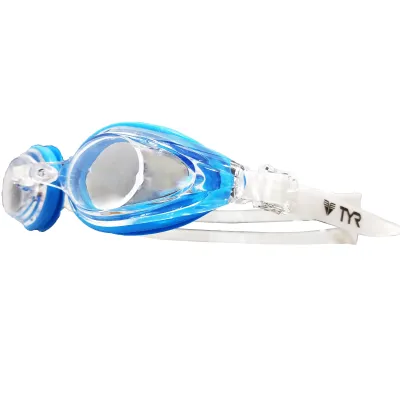
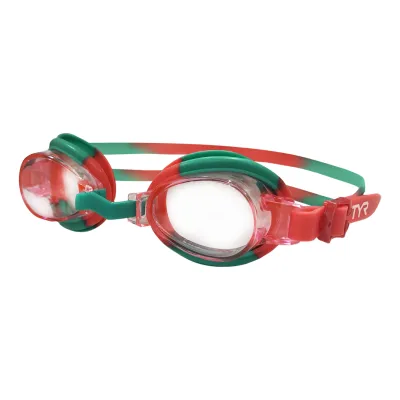
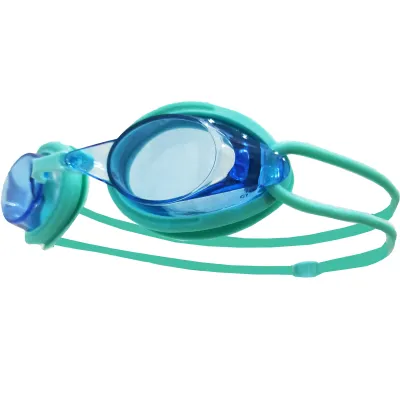
Prices are valid at publication and may change. Please refer to the product page for the latest price.
To find the perfect match, swimmers generally categorize their needs into three primary scenarios: competition racing, daily lap training, and recreational or open-water swimming. Each scenario demands specific features, from the tightness of the seal and the adjustability of the nose bridge to the color and tint of the lenses. By matching these technical characteristics to your personal swimming habits, you can protect your eyes, maintain clear vision, and focus entirely on your stroke.
Top TYR Goggles for Competition Racing
For competitive swimmers, every detail matters when standing on the starting block. Racing goggles must remain rock-solid during explosive dives, high-speed turns, and powerful underwater dolphin kicks. The primary requirements for this category are an ultra-low profile, a highly secure strap system, and rigid eye cups that resist shifting under intense water pressure.
TYR addresses these needs with several dedicated racing models, most notably the Tracer-X Elite and the classic Socket Rocket series. The Tracer-X Elite is engineered with a sculpted, ultra-low profile lens design that sits flush against the face to minimize drag. It features a wide peripheral range, allowing racers to track competitors in adjacent lanes without turning their heads. For swimmers who prefer a traditional, minimalist feel, the TYR Socket Rocket 2.0 offers a Swedish-style design. These goggles feature low-profile, rubber-bound sockets that provide a highly customized, rigid fit, utilizing a traditional socket-style assembly that many elite athletes trust for its reliability.
Another critical factor in racing performance is the security of the strap system. Racing models typically utilize a dual silicone strap with a secure locking adjustment mechanism. This ensures that once the tension is set, the straps will not slip, even when subjected to the sudden force of hitting the water from a dive block. Additionally, these goggles come with multiple interchangeable nose bridges of varying lengths, allowing you to fine-tune the distance between the lenses to match your exact facial structure.
Lens selection for competition should match the lighting conditions of your racing venue. For indoor competition pools or evening meets, clear or light smoke lenses are preferred to maximize light transmission and maintain sharp focus. For outdoor meets under bright sunlight, mirrored lenses are highly beneficial as they reflect harsh glare off the water’s surface, helping you spot the wall and finish touchpads accurately.
The primary trade-off with racing goggles is comfort over time. Because they are engineered for short, intense bursts of speed, the rigid gaskets and tight fit can lead to eye socket fatigue during prolonged use. Wearing them for a quick warm-up and a race is ideal, but using them for a two-hour training session may result in deep red marks and discomfort around the orbital bones.
Best TYR Goggles for Daily Lap Training
Fitness enthusiasts and competitive swimmers spending hours in the pool each week require gear that balances durability with outstanding comfort. Daily lap training demands goggles that can withstand constant exposure to chlorine, frequent adjustments, and long sessions without causing headaches or leaving painful pressure marks.

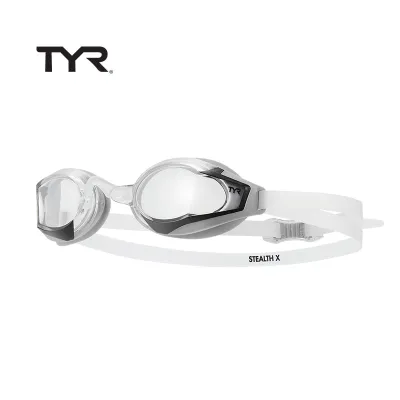
For this purpose, TYR offers training-focused models like the Nest Pro and the Stealth-X. The Nest Pro is particularly famous for its unique structural design, inspired by the grid-like architecture of modern stadiums. This design distributes pressure evenly around the eyes using soft, hypoallergenic TPR (thermoplastic rubber) gaskets. The result is a secure, leak-free seal that remains comfortable even after kilometers of continuous swimming. The Stealth-X provides a slightly sleeker profile while maintaining a highly flexible frame that adapts naturally to different facial contours.
A key consideration for daily training in Singapore is the local climate. With year-round tropical sunshine, many lap swimmers train in outdoor public ActiveSG pools or condominium facilities. Under the intense equatorial sun, protecting your eyes from UV radiation and water-surface glare is essential. Opting for TYR training goggles with mirrored or dark smoke lenses ensures your eyes are shielded from harsh light, reducing strain and preventing squinting during backstroke sets. If you train early in the morning or late in the evening, light-tinted or clear lenses are more appropriate to maintain visibility in lower light.
To ensure your training goggles last through months of rigorous use, proper maintenance is vital. Training goggles feature specialized anti-fog coatings on the inner lenses. Over time, exposure to chlorine, sweat, and facial oils can degrade this barrier. To preserve the coating, avoid touching or wiping the inside of the lenses with your fingers or a towel. After every swim, rinse your goggles thoroughly with cool, fresh tap water to remove chlorine and salt, then allow them to air dry completely in a shaded area before storing them in a protective case.
Ideal TYR Goggles for Recreational and Open Water Swimming
Recreational swimming, snorkeling, and open-water events like triathlons present a different set of challenges. Unlike the controlled environment of a standard swimming lane, open-water swimmers must navigate shifting currents, variable light conditions, and potential obstacles. Consequently, the priorities shift toward expansive peripheral vision, maximum comfort, and robust glare protection.
For these environments, TYR’s Special Ops series is widely regarded as an excellent choice. Models like the Special Ops 3.0 are designed with larger, wider-view lenses that significantly expand your field of vision. This wide peripheral range is crucial for open-water swimmers and triathletes, as it allows them to sight buoy markers, navigate around other swimmers, and maintain spatial awareness without disrupting their swim stroke.
Open-water goggles typically feature larger, highly flexible Durafit silicone gaskets. These gaskets are wider and softer than those found on racing or training goggles, sitting further away from the delicate eye socket area. This design distributes suction pressure over a larger surface area, preventing headaches during long-distance swims and ensuring a reliable seal even when your facial expressions change during strenuous exertion.
Lens technology is incredibly important when swimming outdoors. For open-water environments like East Coast Park or Sentosa, where sunlight reflects intensely off moving waves, polarized lenses are highly recommended. TYR’s polarized options filter out horizontal light waves, dramatically reducing reflective glare and allowing you to see more clearly through the water’s surface. Photochromic lenses are another premium option available in some TYR lines, which automatically darken in bright sunlight and clear up in overcast or low-light conditions.
A secure and easily adjustable strap system is also essential for open-water comfort. Look for models featuring quick-adjust side clips, which allow you to loosen or tighten the goggles with a simple pull, even while wearing them in the water. A wide, split silicone strap helps distribute tension evenly across the back of the head, preventing the goggles from slipping during long, continuous efforts.
Essential Fit and Feature Checklist Before Buying
Before purchasing your next pair of TYR goggles, performing a few quick checks will ensure you get a leak-free fit and the right features for your swimming environment. Use this practical checklist to verify your selection:
The Suction Test To verify if a goggle frame matches your unique facial structure, perform a dry suction test before putting the strap over your head:
- Gently press the goggle lenses against your eye sockets.
- Release your hands; the goggles should stick to your face for a few seconds through natural suction alone.
- If they fall off immediately, the frame shape or gasket contour does not align with your facial anatomy, and water will likely leak in during your swim.
Nose Bridge Adjustability The distance between your eyes dictates how comfortably the goggles will sit:
- Check if the model features interchangeable nose bridges (usually included in racing models like the Tracer-X) or a flexible, self-adjusting nose bridge (common in training and recreational models).
- If you have a wider or narrower nasal bridge, customizable nose pieces are essential to prevent the inner frame from pinching or digging into the skin.
Lens Tint Selection Matrix Match your lens choice to your primary swimming environment:
- Clear / Light Blue: Best for indoor pools, evening swims, or overcast days; maximizes light transmission.
- Smoke / Dark Tint: Ideal for bright indoor pools or standard outdoor daytime swimming; reduces overall brightness.
- Mirrored: Excellent for bright outdoor pools and competition; reflects direct glare and hides your eyes from competitors.
- Polarized: The gold standard for open-water swimming and triathlons; specifically filters out harsh reflective glare from the water surface.
Care and Longevity Instructions Protect your investment by following these simple care steps after every swim:
- Rinse: Wash immediately with cold, fresh tap water to remove chlorine, salt, and chemicals.
- Dry: Allow them to air dry completely in a cool, shaded spot; keep them out of direct sunlight to prevent the silicone from drying out and cracking.
- Store: Place the dry goggles in a soft pouch or protective case to prevent the lenses from getting scratched by other gear in your swim bag.
Frequently Asked Questions (FAQ)
How do I stop my TYR swim goggles from fogging up?
To prevent fogging, rinse your goggles in the pool water immediately before putting them on to balance the temperature inside the lens. Avoid touching, wiping, or scratching the inside of the lenses, as this damages the factory-applied anti-fog coating. If the original coating begins to wear off over time, apply a manufacturer-approved anti-fog spray or drops before your swim, following the product’s specific application instructions.
Can I use my TYR racing goggles for daily training?
While you can wear racing goggles for daily training, it is generally not recommended for long sessions. Racing goggles feature rigid, low-profile frames designed to minimize drag for short durations, which can cause significant eye socket fatigue and discomfort during extended use. Additionally, the delicate, high-tension seals on racing models may degrade faster under the daily wear and tear of long training sessions, making it more practical to save them for race days and use a cushioned model for training.
How often should I replace my swim goggles?
Instead of following a strict calendar timeline, replace your goggles based on observable wear and tear. You should look for a new pair when the silicone gaskets become stiff, brittle, or cracked, which leads to persistent leaks. Other clear signs that it is time for a replacement include a complete loss of suction during the dry test, persistent fogging that cannot be resolved with anti-fog treatments, or deep scratches on the lenses that impair your underwater visibility.
Community discussion
Share your experience or ask a question. Comments are reviewed before publication.