
To build a functional home gym in Singapore, space is the ultimate premium. Finding the best value adjustable dumbbell set involves balancing your fitness goals, budget, and the physical constraints of local housing, particularly Housing & Development Board (HDB) flats. Rather than purchasing a full rack of traditional dumbbells that would consume an entire room, a single pair of adjustable dumbbells offers a compact, highly versatile solution. The ideal choice depends on whether you prioritize rapid weight changes for high-intensity circuits, heavy-duty durability for progressive strength training, or a budget-friendly entry point.
By consolidating multiple weight increments into a single pair, these systems allow you to perform a wide range of exercises—from light lateral raises to heavy chest presses—without cluttering your living area. Choosing the right system requires understanding the trade-offs between adjustment speed, maximum weight capacity, structural durability, and overall cost in Singapore Dollars (SGD). Let us analyze how to evaluate these factors to find the perfect match for your home workouts.
How to Choose Adjustable Dumbbells for a Singapore Home Gym
Space and Footprint
Space is the primary constraint in Singaporean households, where spare bedrooms are often under 10 square meters and living areas must serve multiple purposes. A standard set of fixed dumbbells ranging from 2kg to 24kg requires a substantial multi-tiered rack that can easily dominate a room. In contrast, adjustable dumbbells consolidate this entire weight spectrum into the footprint of just two individual cradles.
Products mentioned in this guide

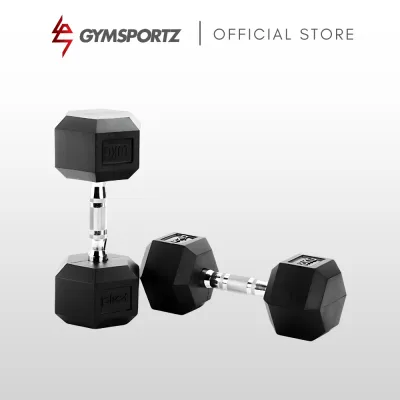
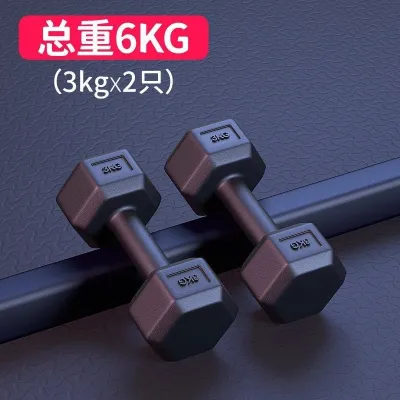
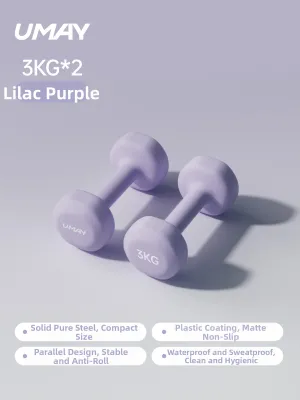
Prices are valid at publication and may change. Please refer to the product page for the latest price.
When evaluating options, look closely at the physical dimensions of the storage trays. Some models feature elongated profiles that remain long even when loaded with light weights, while others shrink in length as you reduce the load. For small multi-use rooms or HDB bedrooms, choosing a system with a compact, self-contained docking tray ensures your workout gear can be tucked away under a bed or in a closet when not in use.
Adjustment Mechanism
The mechanism used to change weights dictates your workout flow and the equipment’s longevity. Dial systems allow you to turn a selector wheel at either end of the dumbbell to instantly engage the desired weight plates. Pin-loaded systems use a selector pin, similar to commercial gym machines, to lock in weight blocks. Spin-lock systems require manually unscrewing collars to slide individual plates on and off, while twist-handle mechanisms adjust the weight simply by rotating the grip handle itself.
While dial and twist-handle systems offer unparalleled speed—making them excellent for supersets or drop sets—they contain intricate internal gears that are susceptible to wear. Mechanical simplicity, such as that found in pin or spin-lock designs, generally translates to superior long-term durability. If your training style involves rapid transitions, a dial or twist system is highly beneficial; if you prioritize longevity and ruggedness, a simpler mechanism is often wiser.
Weight Range and Increments
Your fitness level and training goals should dictate the weight range you select. Beginners or those focusing on high-repetition endurance workouts may find a maximum weight of 20kg to 24kg per dumbbell more than sufficient. However, if your goal is progressive overload and building serious muscle mass through compound movements like dumbbell presses, squats, and rows, you will want a set that scales up to 32kg or 40kg.
Equally important are the increment steps. Look for systems that offer small, manageable jumps—ideally 1kg to 2kg increments—especially at the lower end of the weight spectrum. Large jumps of 4kg or more can stall progress on isolation exercises like lateral raises or bicep curls, where strength gains occur in much smaller margins. Ensuring your set has fine-grained increments allows for smooth, injury-free progression over time.
Build Quality and Grip
The tactile connection to your dumbbell determines both comfort and safety during heavy lifts. High-quality adjustable dumbbells feature textured steel handles with knurling, providing a secure grip even when your hands are sweaty. Cheaper alternatives often use smooth plastic or rubberized grips that can become slippery under high humidity, which is a common issue in non-air-conditioned home spaces in Singapore.
Additionally, pay attention to the handle diameter; a grip that is too thick can prematurely fatigue your forearms, while a grip that is too thin can cause hand cramping. The overall structural integrity of the weight plates—whether they are solid steel, cast iron, or plastic-coated composite—directly influences how solid the dumbbell feels during dynamic movements. High-quality plates should not rattle or shift excessively when you lift them.
Floor and Noise Considerations
Living in high-density HDB estates means your workouts can easily impact your neighbors. The sound of clanking metal plates or the thud of a heavy dumbbell landing on the floor can reverberate through concrete walls and ceilings. Adjustable dumbbells, particularly those with loose-fitting plates, can rattle during fast movements.
Furthermore, dropping these complex mechanical systems can shatter internal plastic gears or bend selector pins, instantly rendering the unit useless. When choosing a dumbbell, consider how tightly the plates lock together to minimize noise, and commit to a training style that emphasizes controlled eccentric movements rather than dropping weights at the end of a strenuous set.
Top Adjustable Dumbbell Picks for Different Home Workout Needs
Best for Tight HDB Spaces: Compact Dial-Adjustable Dumbbells
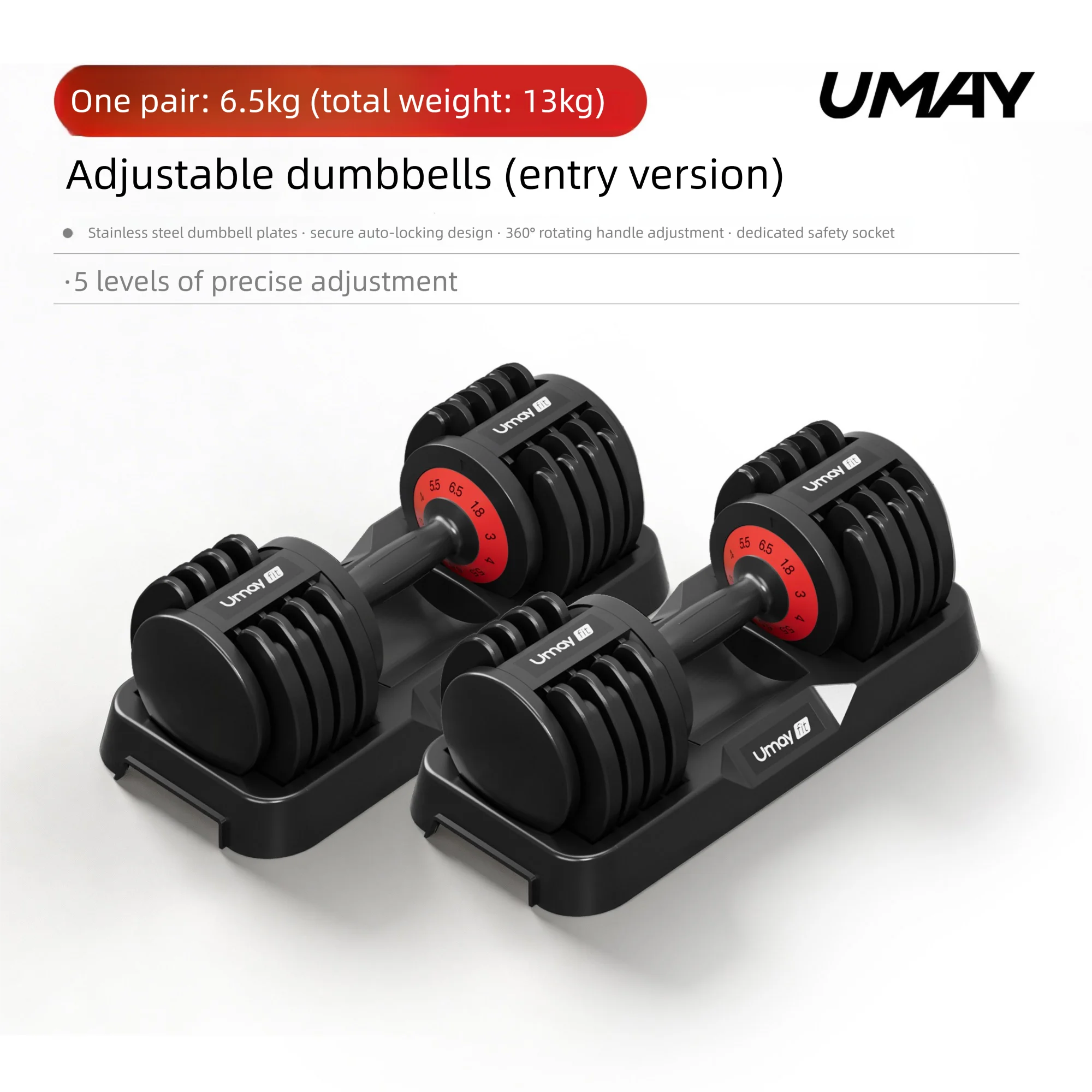
For fitness enthusiasts operating in tight HDB living rooms or study corners, compact dial-adjustable dumbbells represent the pinnacle of space-saving convenience. These systems utilize an intuitive dial mechanism located at the outer edges of the dumbbell. By resting the dumbbell in its custom-molded plastic cradle and rotating the dials to your desired weight, the internal selector mechanism automatically hooks onto the corresponding plates, leaving the unselected plates resting securely in the tray when you lift the handle. This design replaces up to 15 individual pairs of dumbbells with a single, streamlined unit, making it incredibly easy to transition from heavy chest presses to light lateral raises in a matter of seconds.

However, this convenience comes with specific design trade-offs. The physical length of dial-adjustable dumbbells is typically fixed by the length of the cradle, meaning the dumbbell remains relatively long (often around 40cm to 45cm) even when you are only lifting a light 2.5kg load. This fixed length can make certain exercises, such as overhead presses or close-grip bicep curls, feel slightly awkward as the outer ends of the dumbbells may collide. Furthermore, the maximum weight limit for these systems usually caps out between 24kg and 32kg. While this is more than adequate for general conditioning, circuit training, and moderate strength work, advanced lifters may eventually outgrow the upper limits of this category.
The primary vulnerability of dial systems lies in their internal complexity. The interlocking tabs, gears, and selector discs are often made of high-strength plastics or cast alloys that cannot withstand high-impact forces. Dropping a dial-adjustable dumbbell from even a short height can easily chip the selector teeth or misalign the internal plates, preventing the dumbbell from locking safely or releasing from its cradle. Therefore, these models must be handled with care and returned gently to their trays after every set. Popular options in this category, such as the Bowflex SelectTech 552 or similar dial-based equivalents, are widely available through local Singaporean fitness distributors and online specialty stores. When purchasing, always verify the seller’s local warranty terms, as repairing a damaged dial mechanism independently is highly challenging.
Best for Progressive Overload: Heavy-Duty Block-Style Dumbbells
If your primary training goal is building raw strength through heavy compound lifts, you need an adjustable dumbbell that can match the rugged durability of commercial gym equipment. Heavy-duty block-style dumbbells, often utilizing a pin-loaded selector system, are engineered specifically for this purpose. Unlike traditional cylindrical dumbbells, these models feature a rectangular, nested block design where each weight plate sits inside the next. To select a weight, you slide a durable U-shaped selector pin into the side of the block, engaging the desired stack of plates. This mechanical design is exceptionally robust, as it eliminates complex internal gears and rotating dials, resulting in a dumbbell that feels incredibly solid and can handle a lifetime of heavy use.
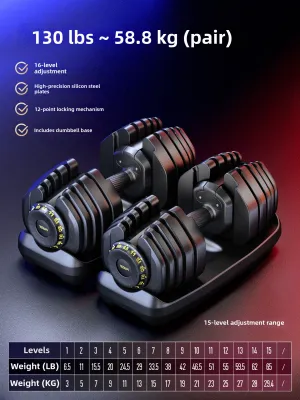
One of the standout advantages of block-style dumbbells is their expandable nature. Many base models start at a respectable 22kg per hand and can be progressively upgraded using add-on weight kits that slide into the core, eventually reaching heavy ceilings of 40kg, 42kg, or even 59kg per dumbbell. This makes them the ultimate tool for progressive overload, allowing you to gradually increase resistance over years of training without needing to buy an entirely new set of dumbbells. Additionally, because the plates nest tightly together, block dumbbells are significantly more compact in length than dial-based systems, scaling down in size when lighter weights are selected. This shorter profile allows for a more natural range of motion during exercises like shoulder presses and dumbbell flyes.
However, the unique geometry of block dumbbells requires a brief adjustment period. The rectangular shape and the internal handle cage—which often features padded wrist supports or internal adder weight cylinders—can feel unfamiliar compared to a traditional round dumbbell. Your hand must reach inside the block cage to grip the handle, which can slightly restrict wrist mobility during certain dynamic movements like cleans or snatches. Integrating these heavy blocks into your home setup also requires a dedicated corner, as a pair of 40kg dumbbells represents a concentrated 80kg load. When sourcing these systems in Singapore, pay close attention to shipping costs and local availability, as the sheer weight of these heavy-duty systems can incur substantial delivery surcharges if not purchased from a distributor with local warehouse stock.
Best for Beginners on a Budget: Traditional Spin-Lock or Plate-Loaded Sets
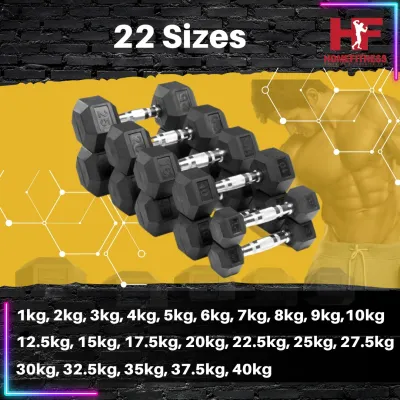
For those who are just beginning their fitness journey, testing the waters of home workouts, or working with a strict budget, traditional spin-lock or plate-loaded dumbbell sets offer unmatched value. These classic systems consist of a threaded steel bar, a set of loose cast-iron or rubber-coated weight plates, and threaded collar clamps that spin onto the ends of the bar to lock the plates in place. Because they rely on simple, time-tested mechanical physics rather than proprietary engineering, spin-lock sets are incredibly cost-effective, often costing a fraction of the price of premium dial or block systems in the Singapore market.
The most significant benefit of a spin-lock set is its absolute durability. Composed entirely of solid steel and cast iron, there are no delicate plastic parts, gears, or selector pins to break. You can perform heavy rows, floor presses, and overhead movements with complete peace of mind, knowing that even an accidental rough landing on a protective mat will not damage the equipment. Furthermore, spin-lock bars are highly versatile; if you already own standard 1-inch (25mm) weight plates for a barbell, you can use those same plates on your dumbbell bars, allowing you to expand your weight capacity at a very low incremental cost.
The trade-off for this extreme durability and low cost is the time and effort required to change weights. Unlike a dial system that adjusts in two seconds, changing the weight on a spin-lock dumbbell requires you to manually unscrew the collars on both sides, slide off the unwanted plates, slide on the new plates, and screw the collars back down tightly. This manual process can take upwards of a minute, which can disrupt the flow of fast-paced circuit training or supersets where minimal rest is required. Additionally, storing a spin-lock set requires managing multiple loose weight plates, which can easily clutter a room if you do not have a dedicated storage box or plate tree. For beginners who prioritize cost, reliability, and a traditional lifting feel over rapid adjustment speeds, the spin-lock dumbbell remains a highly practical choice.
Quick Comparison: Weight Range, Footprint, and Price Tiers
To help you decide which adjustable dumbbell category aligns with your home gym goals and budget, the table below summarizes the key differences in design, capacity, storage requirements, and relative cost.
| Adjustment Type | Typical Weight Range | Footprint / Storage Needs | Estimated Price Tier (SGD) | Best Suited For |
|---|---|---|---|---|
| Dial-Adjustable | 2.5kg to 24kg / 32kg | Small; requires dedicated storage cradles (approx. 45cm x 25cm per tray) | Mid-Range to Premium (S$250 – S$600+) | Fast-paced circuit training, supersets, and general fitness in tight spaces |
| Block / Pin-Loaded | 2kg to 40kg+ (expandable) | Compact; scales down with weight; optional stand recommended | Premium (S$500 – S$1,000+) | Serious lifters, progressive overload, heavy compound movements, and long-term durability |
| Spin-Lock / Plate-Loaded | 10kg to 30kg+ (per set) | Moderate to Large; requires space for loose plates and bars | Budget (Under S$150) | Beginners, budget-conscious users, and those who prefer a traditional, indestructible design |
Note: The estimated price tiers in Singapore Dollars (SGD) represent broad market averages. Exact prices, promotions, shipping fees, and stock availability will vary across local specialty fitness stores and online marketplaces. We highly recommend verifying current pricing and warranty details with authorized local distributors before making a purchase.
Setup, Maintenance, and Safety Tips for HDB Home Gyms
Floor Protection
Setting up a workout space on HDB flooring—whether it is modern vinyl, laminate, or classic ceramic tiles—requires proper floor protection. Dropping even a light dumbbell can easily crack ceramic tiles or leave permanent indentations in vinyl. To prevent this, invest in high-density rubber gym mats.
Look for mats that are at least 15mm to 20mm thick, preferably made from recycled tire rubber or high-density EVA foam. Standard yoga mats are far too thin and soft to absorb the impact of heavy metal equipment. Placing these heavy-duty mats over your workout area distributes the weight evenly and prevents the hard metal edges of your dumbbell trays or plates from scuffing your floors.
Noise and Neighbor Etiquette
High-density living in Singapore means sound travels easily through structural concrete slabs. The vibrations caused by placing weights down too quickly can sound like a loud thud to the neighbors living directly below you. To maintain good neighborly relations, practice controlled eccentrics—the lowering phase of your lifts—which not only builds more muscle but also ensures you place the weights down with whisper-quiet precision.
Avoid dropping adjustable dumbbells under any circumstances. If you are performing heavy lifts near failure, consider using specialized soft crash pads or thick foam blocks to catch the weights silently. Additionally, try to schedule your heavy lifting sessions during reasonable daytime hours to minimize disruption to your community.
Equipment Maintenance
To keep your adjustable dumbbells operating smoothly, regular maintenance is essential. Singapore’s high humidity can accelerate rust on exposed metal parts and cause dust and sweat to accumulate inside complex dial or pin mechanisms. After every workout, use a dry microfiber cloth to wipe down the handles and plates, removing any sweat, skin oils, or chalk residue.
Avoid using harsh chemical cleaners or WD-40 inside dial mechanisms unless specifically recommended by the manufacturer, as this can degrade the internal plastic gears or wash away factory-applied lubricants. Periodically check that all screws, bolts, and locking pins are tight and secure, and use a soft-bristled brush to clear out any dust or debris from the selector tracks.
Storage Solutions
A cluttered workout space is a safety hazard, especially in multi-use HDB rooms where family members or pets might trip over stray weights. Always return your adjustable dumbbells to their designated cradles or stands immediately after finishing a set.
If your budget and space permit, purchasing a dedicated dumbbell stand is highly recommended. A stand elevates the weights to hip height, reducing the strain on your lower back when lifting heavy dumbbells out of their trays. It also keeps your floor completely clear, making it much easier to sweep and mop your workout area to keep dust and sweat residue at bay.
Frequently Asked Questions (FAQ)
Are adjustable dumbbells worth the investment compared to fixed sets?
Absolutely. When you factor in the high cost of residential square footage in Singapore, saving space is equivalent to saving money. A single pair of adjustable dumbbells replaces up to 15 pairs of traditional dumbbells, which would otherwise require a massive multi-tiered rack occupying several square meters of floor space. From a financial standpoint, while the upfront cost of a premium adjustable set may seem high, it is significantly cheaper than purchasing 15 separate pairs of high-quality fixed dumbbells. For HDB dwellers, the space-saving efficiency alone makes adjustable dumbbells an incredibly high-value investment.
Can I drop adjustable dumbbells during a workout?
No, you should never drop adjustable dumbbells. Unlike solid cast-iron dumbbells or rubber-coated bumper plates used in Olympic lifting, adjustable dumbbells contain complex internal locking mechanisms, selector dials, alignment tracks, and plastic components. Dropping them from even a low height can crack the internal gears, bend the selector pins, or warp the alignment of the plates, making the dumbbells unsafe to use or completely inoperable. Always lower the weights to the floor under complete control, or use thick, shock-absorbing crash mats if you need to release them safely at the end of a heavy set.
Community discussion
Share your experience or ask a question. Comments are reviewed before publication.