
Running in Singapore’s tropical climate demands a rigorous approach to hydration. When temperatures soar and humidity levels climb, carrying an electrolyte-rich sports drink is essential for maintaining performance and safety. While many runners prefer to keep their hands free, finding a comfortable, bounce-free water bottle holder waist belt that can withstand the intense local heat and humidity is a common challenge. The right gear must secure your hydration without trapping sweat or causing painful skin irritation.
Why Singapore's Tropical Climate Changes Your Hydration Gear Needs
The physiological demands of running in Singapore are shaped by the island’s year-round tropical climate. With temperatures regularly exceeding 30°C and relative humidity levels often hovering above 80%, your body must work significantly harder to cool itself. Under these conditions, sweat rates escalate rapidly. Runners frequently lose between 1 and 1.5 liters of fluid per hour of continuous exercise. This rapid fluid loss depletes critical electrolytes, particularly sodium and potassium. Relying solely on plain water during long runs can lead to hyponatremia; therefore, carrying carbohydrate- and electrolyte-rich sports drinks is a vital safety measure.
However, Singapore’s high humidity creates a secondary challenge: it severely limits sweat evaporation. Because the surrounding air is already saturated with moisture, the sweat on your skin cannot evaporate efficiently. Evaporative cooling is your body’s primary mechanism for heat dissipation. When evaporation fails, your core temperature rises, and any gear wrapped around your body acts as an insulating barrier. A bulky, non-breathable waist belt traps a microclimate of hot, saturated air against your skin, compounding the feeling of heat exhaustion.
Products mentioned in this guide
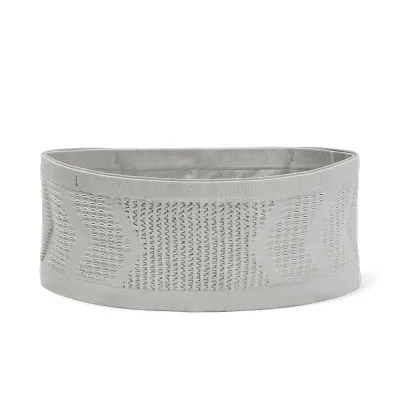
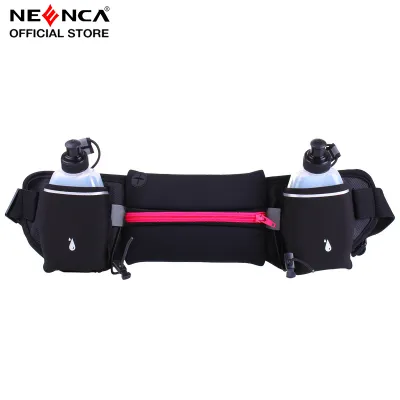
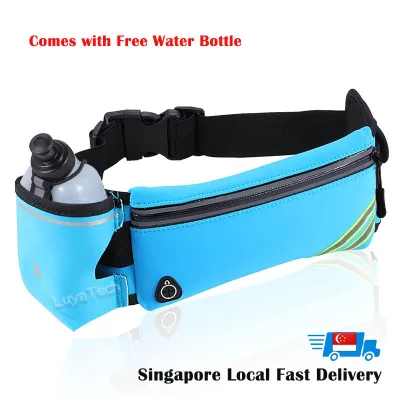
![SG Seller VOZUKO Water Bottle Holder Nylon Minimalist Tactical Molle Bottle Carrier Strap Bottle Rope Belt Bottle Bag for Walking Running Cycling Hiking [089]](https://img.lazcdn.com/g/p/728a3bbd537609e1c3bf3dffe1b3a9ac.jpg_400x400q80.jpg_.webp)
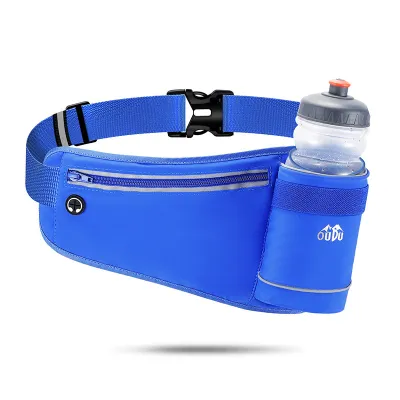
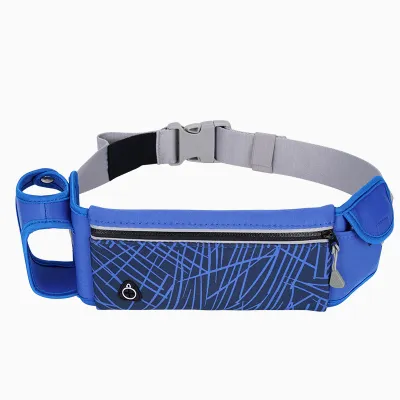
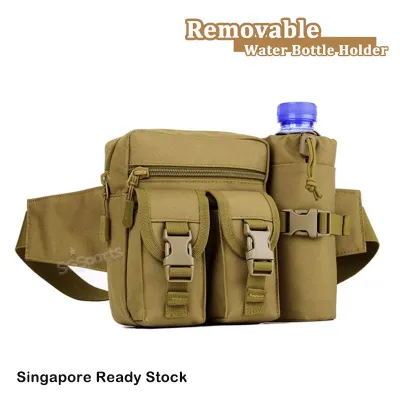
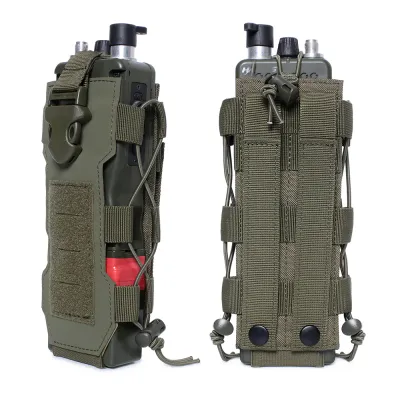
Prices are valid at publication and may change. Please refer to the product page for the latest price.
This lack of evaporation also dramatically increases friction risks. When sweat cannot escape, your skin remains constantly wet, making it soft, fragile, and highly susceptible to mechanical damage. Saturated fabrics lose their soft texture, and their fibers can become abrasive when salt crystals from dried sweat accumulate. A waist belt carrying a heavy bottle will rub against this vulnerable, damp skin with every stride. Without the right materials and construction, this constant friction quickly leads to painful chafing and raw skin around your waist, lower back, and hip bones.
What to Look for in a Water Bottle Holder Waist Belt for Hot, Humid Runs
Selecting a water bottle holder waist belt that performs reliably in tropical conditions requires evaluating several critical design dimensions. Standard running gear is often designed for cooler, drier climates where hydration needs are lower, meaning many off-the-shelf options fail when subjected to Singapore’s intense heat.

- Bottle Compatibility and Capacity: There is a significant mismatch between minimalist running belts and the practical needs of tropical runners. Many lightweight belts are designed exclusively for small, specialized soft flasks holding 150ml to 250ml of fluid. However, standard commercial sports drinks in Singapore typically come in 500ml to 600ml rigid plastic bottles. A full 500ml bottle weighs approximately 500 grams. This weight creates substantial downward force and rotational momentum with every step. Before purchasing a belt, you must verify the holster's physical dimensions, depth, and stretch limits to ensure it can securely hold a standard commercial bottle without letting it slip out or sag.
- Breathability and Moisture Management: Traditional solid neoprene or heavy nylon webbing bands act like non-breathable plastic wraps, trapping sweat and heat. For hot-weather running, look for advanced materials that facilitate continuous airflow. Perforated neoprene features tiny laser-cut holes that allow heat to escape while maintaining structural integrity. Technical meshes, such as open-weave 3D spacer mesh, create a physical gap between the belt and your skin, promoting ventilation. Moisture-wicking synthetic blends containing high-grade polyester and elastane actively pull sweat away from your body and dry rapidly, preventing the belt from becoming a heavy, waterlogged band.
- Anti-Chafe Construction: Inspect the internal seams and edges of the belt closely. Raw fabric edges, exposed stitching, or heavy seams will quickly irritate wet skin. High-quality hot-weather belts feature flatlock stitching, bound or rolled edges, or completely seamless heat-bonded construction. Additionally, pay attention to the hardware. Avoid belts with hard plastic adjustment buckles or zippers that sit directly against your skin or spine. Look for designs where buckles are padded or positioned over wide fabric wings that distribute pressure evenly.
- Grip and Tension Mechanisms: To prevent a heavy, full sports drink bottle from dragging the belt down your hips or bouncing violently, the belt must have excellent stabilization features. Look for belts equipped with hypoallergenic silicone grip patterns or strips printed on the interior surface. These silicone elements grip your clothing or skin to prevent slipping without trapping moisture. Furthermore, the elastic fabric itself must possess high-recovery properties. High-recovery elastic stretches easily to accommodate your body shape but pulls back firmly and retains its tension, ensuring the belt does not sag as you sweat.
Best Waist Holder Designs for Carrying Standard Sports Drinks
Different waist belt structures handle the weight of a standard sports drink bottle in distinct ways. Understanding how these designs distribute weight and manage heat will help you choose the best configuration for your running style and distance.
Tube-Style Elastic Belts
Tube-style elastic belts consist of a continuous, seamless loop of high-stretch fabric that slides over your feet or head and sits snugly around your hips. Because they completely eliminate plastic buckles, adjustment sliders, and zippers, they have virtually no hard pressure points, which dramatically reduces the risk of chafing.
When carrying a standard 500ml sports drink bottle, a high-quality tube belt distributes the weight evenly around your entire pelvis. The elastic fabric presses the bottle flat against your lower back or abdomen, minimizing the outward leverage that causes bouncing. This snug, body-hugging fit makes them exceptionally stable during active cardio workouts.
However, these belts have notable limitations in hot weather. Because they rely on a wide, continuous band of high-tension fabric to hold gear securely, they cover a larger surface area of your lower torso. If the fabric is not highly breathable or lacks micro-perforations, it can trap a significant amount of heat and sweat against your lower back. Additionally, accessing a bottle from a tight fabric slot while running at pace can be challenging, often requiring you to use both hands to stretch the pocket open and slide the bottle back in.
Multi-Bottle Racing Belts with Holsters
Multi-bottle racing belts feature a traditional adjustable strap with dedicated, semi-rigid holsters designed to hold one or more bottles. These designs are highly favored by marathon runners because they offer excellent on-the-go access. You can easily pull a bottle out of its holster with one hand, take a sip, and slide it back into place without breaking your stride.
For carrying sports drinks, splitting the total volume into two smaller bottles (such as two 250ml bottles) positioned on either side of your hips provides superior weight distribution. This configuration balances the load across your center of gravity, preventing the rotational bounce associated with a single heavy bottle.
The primary drawback of these belts is their reliance on adjustment straps and plastic hardware. If the adjustment sliders or buckles rest directly over your hip bones or spine, the constant impact of running can cause painful bruising and deep chafing. When selecting a multi-bottle belt, you must verify that the hard hardware is positioned away from your bony prominences and is backed by soft, protective padding.
Hybrid Waist Packs with Dedicated Bottle Sleeves
Hybrid waist packs are more structured than minimalist belts, featuring a central, padded bottle sleeve—often angled at 45 degrees for easier access—flanked by zippered storage compartments. These packs are ideal for long-distance endurance runs where you need to carry not only sports drinks but also energy gels, salt capsules, keys, and a large smartphone.
The structured backing of a hybrid pack provides excellent support, preventing a heavy 600ml bottle from sagging or pulling the belt downward. To combat Singapore’s heat, premium hybrid packs utilize thick 3D air mesh panels on the interior face. This mesh creates a physical ventilation channel between the pack and your lower back, allowing air to circulate and sweat to drain away.
However, this structured support comes at the cost of increased bulk and weight. Hybrid packs are naturally heavier than tube belts or simple racing straps. The extra material can feel cumbersome during high-intensity speedwork or short, fast interval sessions. They are best suited for longer, slower endurance runs where storage capacity and structural comfort outweigh the need for a featherlight feel.
How to Adjust Your Belt for a Bounce-Free, Chafe-Free Run
Even the highest-quality waist holder will bounce and chafe if it is not fitted and adjusted correctly. Proper positioning and tension management are essential for maintaining comfort during sweaty, high-impact workouts.
- Positioning: Many runners make the mistake of wearing their hydration belt around their natural waist, which is the narrowest part of the torso near the belly button. As you run, the upward movement of your thighs and the natural rotation of your hips will inevitably push the belt up into this soft tissue. This squishes your midsection, restricts deep breathing, and causes the bottle to bounce wildly. Instead, position the belt lower down, resting securely on your iliac crest—the bony top of your hip bones. This skeletal structure acts as a natural shelf, anchoring the belt and preventing it from migrating upward.
- Tension Adjustments for Wet Conditions: Synthetic elastic materials behave differently when they are dry versus when they are wet. As you sweat heavily in Singapore's humid air, the fabric of your belt will absorb moisture. This saturation can cause certain elastane fibers to relax and stretch slightly. A belt that felt perfectly snug in your air-conditioned living room may begin to sag and bounce 20 minutes into your outdoor run. To counter this, pre-tighten the belt slightly before you start, or choose a model equipped with quick-adjust pull tabs that allow you to easily cinch the tension mid-run without stopping.
- Friction Prevention: No matter how secure your belt is, running causes thousands of repetitive micro-movements. Over a long run, these tiny movements can still wear down your skin. Before putting on your belt, apply a generous layer of specialized anti-chafe balm or high-quality petroleum jelly to your high-friction zones. Focus on the small of your lower back, the skin directly over your hip bones, and any spot where a seam, zipper, or buckle contacts your body. This lubrication creates a protective barrier, allowing the fabric to glide smoothly over your skin.
How to Clean and Maintain Your Gear in High Humidity
Singapore’s high humidity and warm temperatures create an ideal environment for mold, mildew, and bacteria to thrive. Proper maintenance of your hydration gear is critical to prevent unpleasant odors, protect your skin, and extend the lifespan of the technical fabrics.
- Immediate Rinsing: Commercial sports drinks contain simple sugars, artificial flavorings, and mineral salts. If you leave your belt unwashed after a run, these sugars dry into a sticky residue that attracts bacteria, while the salts crystallize and become highly abrasive. More importantly, these residues can degrade the synthetic fibers and elastic over time. Always rinse your belt and bottles in clean, lukewarm water immediately after your run to wash away these contaminants before they dry.
- Drying Protocols: Never toss a damp running belt into a dark gym bag, locker, or laundry hamper, as mold can develop within hours. Hang your gear to dry in a well-ventilated, shaded area—such as near an open window or under a ceiling fan. Avoid exposing elastic gear to direct, harsh tropical sunlight or using a high-heat clothes dryer. Excessive heat and UV radiation rapidly break down elastane (spandex) fibers, causing the belt to lose its elasticity and become permanently stretched out and useless.
- Deep Cleaning: At least once a week, give your belt a thorough deep clean. Hand-wash the belt in cool water using a mild, sports-specific liquid detergent designed to break down body oils and synthetic odors. Avoid using fabric softeners, as they leave a chemical coating on technical fabrics that clogs the pores, destroying their moisture-wicking and breathability properties. Gently squeeze out excess water—do not wring or twist the fabric aggressively—and lay it flat or hang it to dry.
Frequently Asked Questions (FAQ)
Can I use a standard plastic sports drink bottle in a running belt?
Yes, but it depends on the design of the belt. Stretchy tube-style belts can easily expand to accommodate a standard 500ml commercial plastic bottle. However, traditional rigid holsters on racing belts are often molded specifically for proprietary, contoured running flasks. Standard plastic bottles are taller and have a higher center of gravity, which can cause them to slip out or bounce excessively. Always verify the physical dimensions and depth of the holster before attempting to use a standard retail bottle.
Is a waist holder better than a hydration vest for short runs in the heat?
For runs under 90 minutes in high humidity, a waist holder is generally the superior choice. Hydration vests cover a large portion of your chest, shoulders, and upper back, trapping body heat and severely restricting sweat evaporation. A waist belt keeps your upper torso completely bare and exposed to ambient airflow, allowing your body’s natural evaporative cooling mechanisms to function much more efficiently.
How do I stop my waist belt from riding up during a run?
Riding up usually happens because the belt is worn too high or is too loose. Position the belt lower down on your hips, aligning it with your hip bones. Ensure the heaviest component—the water bottle—is positioned at the small of your back (the lumbar curve) or directly centered on your hip. This balances the weight and uses your body’s natural anatomy to lock the belt in place, preventing it from migrating upward toward your waist.
Community discussion
Share your experience or ask a question. Comments are reviewed before publication.