
Selecting a reliable tent for camping big family groups in Singapore requires balancing heavy tropical rain protection with adequate ventilation. The island’s equatorial climate presents a unique challenge: sudden, intense monsoon downpours paired with high humidity that can easily turn a poorly ventilated shelter into a damp, stuffy sauna. When shopping for a family-sized shelter, understanding how different brands engineer their waterproofing systems is essential to keeping your gear and family dry.
While many manufacturers claim high level weather protection, large family tents (typically designed for six or more occupants) face unique structural demands during heavy rain. A larger surface area means more fabric to catch rainwater and wind, putting immense pressure on the seams, zippers, and poles. By evaluating specific waterproof ratings, construction features, and brand-specific technologies, you can select a tent that will withstand Singapore’s demanding outdoor conditions.
How to Evaluate Waterproof Ratings for Large Tents
When researching a tent for camping big groups, the first specification you will encounter is the Hydrostatic Head (HH) rating, measured in millimeters. This rating indicates the pressure of a vertical column of water that the fabric can support before moisture begins to penetrate. For example, a fabric rated at 2,000mm can theoretically resist a two-meter column of water pressing against it. In Singapore’s tropical climate, where afternoon thunderstorms can drop massive volumes of water in a short period, a flysheet rating of 1,500mm to 3,000mm is generally considered the benchmark for reliable rain protection.
Products mentioned in this guide
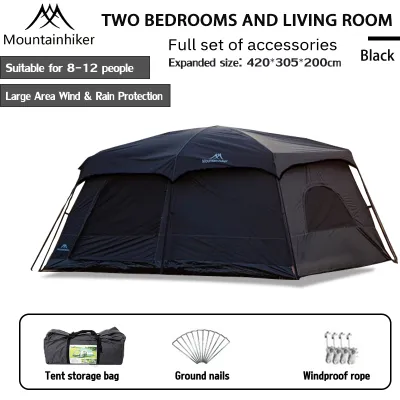
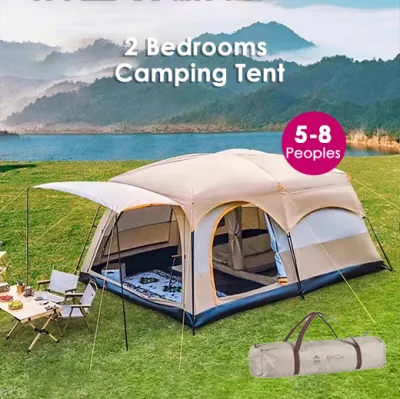
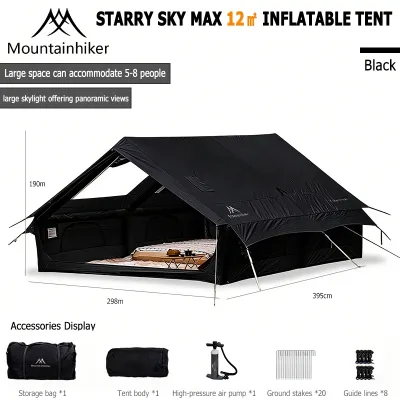
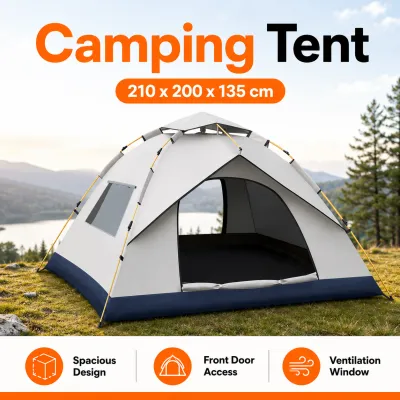
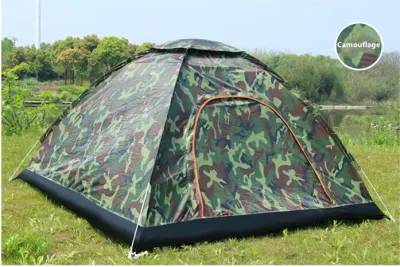
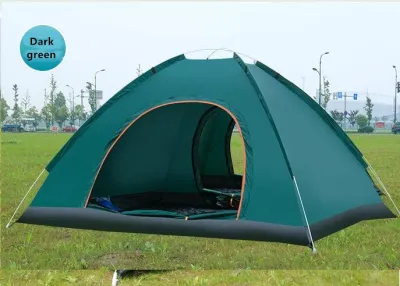
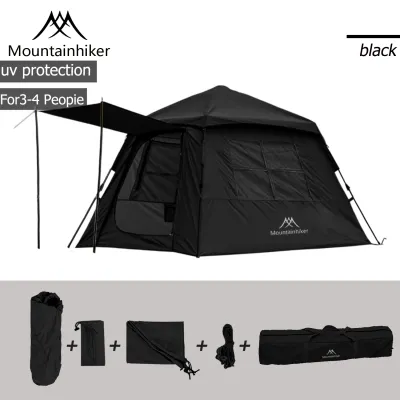
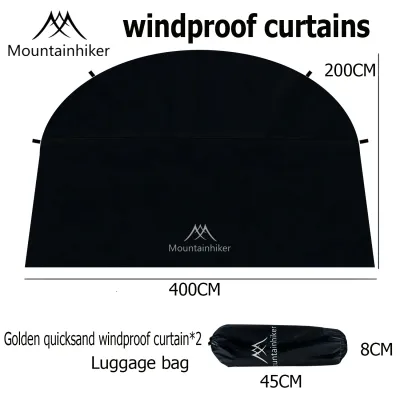
Prices are valid at publication and may change. Please refer to the product page for the latest price.
However, the flysheet rating is only part of the equation; the tent floor requires a significantly higher rating. When family members sit, kneel, or sleep inside the tent, their body weight exerts concentrated physical pressure on the ground fabric. If the ground is saturated or muddy—a common occurrence at coastal campsites like East Coast Park—this pressure can force water through a low-rated floor. Look for tents with floor ratings of 3,000mm to 5,000mm, or plan to use a heavy-duty footprint underneath to provide an extra barrier against rising groundwater.
Beyond fabric ratings, the physical construction of the tent dictates its true waterproof performance. Fully taped seams are critical; every place where panels are sewn together creates thousands of tiny needle holes that will leak under heavy rain if they are not sealed with a waterproof polyurethane tape. Additionally, look for “bathtub” style floors, where the waterproof ground material wraps several inches up the side walls of the tent before meeting the wall fabric. This design ensures that standing water or splashing mud cannot seep through low-level seams.
In Singapore’s high humidity, waterproofing must always be balanced with ventilation. A completely sealed, highly waterproof tent will trap the warm, humid air exhaled by a large family, resulting in severe internal condensation. This condensation can run down the inside walls, making the interior feel wet even if the rainfly is performing perfectly. To prevent this, prioritize dual-layer tents featuring a highly breathable inner mesh body covered by a separate waterproof flysheet, alongside low-to-high ventilation ports that encourage continuous airflow.
Finally, the structural integrity of a large tent directly impacts its waterproof performance. Big family tents have massive fabric panels that act like sails in coastal breezes. If the pole structure is weak or poorly designed, the wind can cause the fabric to sag, creating pockets where water can pool. Pooled water stretches the fabric, degrades the waterproof coating, and eventually leaks. Robust pole systems—whether made of thick fiberglass, aluminum, or high-pressure inflatable air beams—are essential to maintaining the taut fabric tension required for efficient water runoff.
Top Brands for Large Waterproof Family Tents in Singapore
Finding the right family tent in Singapore involves selecting a brand that is accessible, reliable, and backed by proven weather-testing methodologies. The following brands are widely available through official retail outlets, local outdoor specialty stores, or authorized online distributors in Singapore, making it easier for local campers to inspect, purchase, and service their equipment.

Decathlon (Quechua)
Decathlon’s in-house camping brand, Quechua, has become a staple at Singaporean campsites due to its accessibility, user-friendly designs, and rigorous testing protocols. For large families, Quechua offers both traditional pole-assembled cabin tents and modern inflatable “Air Seconds” tents designed for quick setup. These large-format tents are engineered to accommodate six or more campers while providing distinct living areas and sleeping cabins.
What sets Quechua apart is its standardized, laboratory-based waterproofing validation. Decathlon subjects its fully assembled tents to a severe shower test, exposing them to 200 liters of water per square meter per hour for several consecutive hours. This test simulates a severe tropical downpour, ensuring that not only the fabric but also the zippers, flaps, and seams can withstand intense water pressure. Campers should verify the specific waterproof guarantees printed on the product tags, which typically promise complete rain protection under these extreme conditions.
Another major advantage of choosing Decathlon in Singapore is the hands-on retail experience. Visiting one of their large experience stores allows families to see the packed dimensions of these large tents, feel the weight of the materials, and sometimes view pitched floor models. This is particularly helpful for assessing the actual livable space and headroom before committing to a purchase.
Limitations: The primary trade-off with Quechua’s large family tents is their weight and packed volume. The heavy-duty fabrics, robust pole systems, or integrated air-beam structures make these tents exceptionally bulky. They are strictly designed for car camping or sites where you can transport your gear short distances via a trolley; they are not suitable for walk-in or remote camping locations where gear must be carried over long distances.
Naturehike
Naturehike has gained a strong reputation among outdoor enthusiasts for offering high-specification materials and modern designs at competitive price points. For large families, Naturehike specializes in multi-room tunnel tents and spacious glamping-style pyramid structures. These tents often utilize high-denier polyester fabrics or advanced polycotton canvas blends, catering to campers who want a premium feel and technical performance.
Naturehike tents typically feature high stated Hydrostatic Head ratings, often exceeding 2,000mm to 3,000mm for the flysheet, along with robust factory seam-taping. Their tunnel designs are highly efficient at shedding rainwater, as the curved roof profile prevents water from pooling anywhere on the structure. When purchasing locally, it is advisable to verify the exact specifications of the model, as different versions of the same tent may use different fabric weights or coatings depending on the target market.
For campers concerned about Singapore’s heat and humidity, Naturehike’s polycotton canvas options present a compelling alternative to pure synthetic fabrics. Polycotton is highly breathable, allowing hot air and moisture to escape through the fabric fibers rather than condensing on the interior walls. This material also provides superior thermal insulation, keeping the tent interior slightly cooler during warm tropical days.
Limitations: Polycotton canvas tents require a process called “seasoning” before their first use in rainy weather. This involves pitching the tent and thoroughly wetting it down with a hose, then letting it dry completely. This process causes the cotton fibers to swell and fill the microscopic gaps in the weave, establishing its full waterproof capability. Additionally, polycotton is very heavy when wet and must be dried completely before storage to prevent mold and mildew—a significant challenge if you live in a high-rise apartment with limited drying space.
Coleman
Coleman is a household name in the camping world, renowned for its traditional, highly spacious cabin-style tents. For large families, Coleman’s big cabin tents are favored for their near-vertical walls and generous headroom, which allow adults to stand upright throughout the entire interior. This structural design makes spending time indoors during a prolonged rainstorm much more comfortable.
Coleman utilizes its proprietary WeatherTec system to ensure rain protection in these large structures. This system combines several design features, including inverted seams (where the stitching is hidden inside the tent to keep needle holes away from the elements), zipper cuffs made of weather-resistant fabric, and patented welded corners on the bathtub floor. These features work together to prevent groundwater and wind-driven rain from penetrating the tent’s lower perimeter.
Coleman products are widely distributed across Singapore, available through official online storefronts and local sporting goods retailers. This widespread availability makes sourcing replacement poles, pegs, or rainflies relatively straightforward, providing peace of mind for families planning regular camping trips.
Limitations: The vertical walls and large rectangular footprint of Coleman cabin tents make them highly susceptible to catching wind. During a severe storm with strong coastal gusts, these tents can act like sails, putting immense stress on the poles and fabric. To ensure the tent remains stable and water continues to run off properly, campers must be meticulous about staking down all corner points and utilizing every included guyline to secure the structure against shifting winds.
Comparing Waterproof Strategies Across Popular Brands
Each brand approaches the challenges of tropical rain protection and ventilation with different design philosophies and material choices. The table below outlines these differences to help you identify which brand aligns best with your family’s camping style.
| Brand | Typical Large Tent Style | Key Waterproof Feature to Verify | Ventilation Approach | Ideal Camper Profile |
|---|---|---|---|---|
| Decathlon (Quechua) | Inflatable air-beam or classic dome/cabin | Laboratory shower-tested rating, heat-sealed seams | Fresh&Black technology, large side vents, dual flysheet | Casual family campers seeking hassle-free setup and local retail support. |
| Naturehike | Tunnel or polycotton pyramid/cabin | High stated fabric HH ratings, multi-point seam taping | Breathable polycotton fabrics, multi-door tunnel ventilation | Tech-conscious campers prioritizing fabric performance and condensation management. |
| Coleman | Classic vertical-wall cabin | WeatherTec system (welded floors, inverted seams) | Variflo ventilation, mesh roof panels, rainfly awnings | Families prioritizing maximum livable headroom and traditional cabin layouts. |
When choosing between these brands, consider where you plan to camp most frequently. If you prefer weekend car camping at designated, well-sheltered park sites, a spacious Coleman cabin tent offers excellent comfort. If you plan to camp on more exposed coastal sites where wind and sudden downpours are common, a highly aerodynamic Naturehike tunnel tent or a rigorously shower-tested Decathlon inflatable tent may provide better peace of mind.
Essential Setup and Maintenance for Wet Weather Camping
Even the most expensive, highly rated waterproof tent will leak if it is pitched incorrectly or poorly maintained. To maximize your tent’s rain protection and ensure its longevity in Singapore’s humid climate, follow these practical setup and care guidelines.
- Achieve Proper Pitching Tension: When setting up your tent, ensure the flysheet is pulled taut and even. Use all the provided poles, stakes, and guylines to tension the fabric. A loose flysheet will sag under the weight of rainwater, creating pools that will eventually seep through the fabric or press the flysheet against the inner mesh, transferring moisture inside.
- Use a Properly Sized Footprint: Always place a footprint or groundsheet underneath your tent to protect the bathtub floor from sharp twigs, stones, and abrasive sand. Crucially, the footprint must be slightly smaller than the tent's floor perimeter. If the footprint protrudes past the sides of the tent, it will catch rainwater running off the flysheet and channel it directly underneath your tent, creating a pool of standing water.
- Manage the Interior Space: During heavy rain, instruct family members to keep gear, bags, and sleeping mats away from the tent's outer walls. Touching or leaning heavy objects against the inner wall of a wet tent can break the surface tension of the fabric, drawing moisture through the material and causing a slow drip.
- Thoroughly Dry the Tent After Every Trip: This is the single most important maintenance step for camping in Singapore. Packing away a large tent while it is damp, even for a few days, will rapidly lead to the growth of mold and mildew. Mildew not only causes unpleasant odors but also permanently damages the polyurethane waterproof coatings on the fabric. If it rains on your packing day, roll the tent up loosely, bring it home, and hang it up to dry completely over doors, balconies, or in front of a fan or dehumidifier within 24 hours.
Frequently Asked Questions (FAQ)
Do I need a 10,000mm waterproof rating for camping in Singapore?
No, a 10,000mm waterproof rating is not necessary for typical family camping in Singapore. Extremely high ratings of 10,000mm and above are generally engineered for extreme alpine environments, heavy snow loads, or professional expeditions where gear must withstand sustained, high-pressure conditions over weeks.
For Singapore’s tropical rain, a high-quality flysheet rated between 2,000mm and 4,000mm is more than sufficient, provided the tent features fully taped seams, a durable bathtub floor, and is pitched with proper tension.
In fact, striving for an excessively high waterproof rating can be counterproductive in a hot, humid climate. To achieve ultra-high ratings, manufacturers must apply thick, heavy polyurethane coatings to the fabric. These coatings significantly reduce the fabric’s breathability, trapping hot air and moisture inside the tent. This lack of airflow worsens internal condensation, making the interior feel damp and humid even when no rain is leaking through from the outside. Prioritizing a balanced design with a moderate waterproof rating and excellent ventilation features will yield a much more comfortable camping experience.
Community discussion
Share your experience or ask a question. Comments are reviewed before publication.