
Selecting the right weighted vest depends entirely on your specific fitness discipline. A runner requires an ultra-snug, highly breathable harness to prevent painful chafing during high-impact movement, while a calisthenics athlete needs a cropped design that preserves full shoulder and hip mobility. For heavy strength training, a robust, plate-loaded carrier is essential to safely distribute massive loads across the torso without causing joint strain.
By matching the physical construction, weight distribution, and strap configuration of a weighted vest to your primary training stimulus, you can safely introduce progressive overload and elevate your conditioning. In Singapore’s tropical climate, factors like material breathability and sweat maintenance become just as critical as the total weight capacity of the gear.
Why Your Training Style Dictates Your Weighted Vest Choice
Adding external weight directly to your torso shifts your center of gravity upward and slightly alters your natural biomechanics. When you wear a weighted vest, your musculoskeletal system must work significantly harder to stabilize your spine, hips, and knees against the added downward force. If the weight is poorly distributed or shifts during movement, it can introduce unwanted shear stress on your joints, leading to altered movement patterns and an increased risk of acute strain.
Products mentioned in this guide
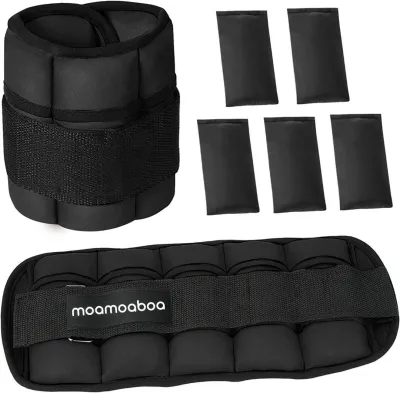
![[✅SG Ready Stock]Weighted Vest Adjustable Workout Equipment Weight Vest for Men Women Kids Sport Running Training Vest 3-10KG Invisible weight-bearing vest weighted vest iron sand sandbag running fitness equipment sports weight-bearing equipment](https://img.lazcdn.com/g/p/1792d98c5f0639a9aef5b03f971ff087.png_400x400q80.png_.webp)
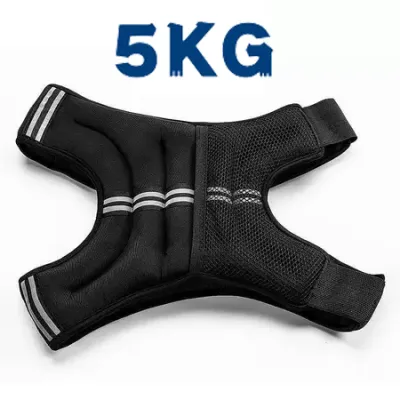
![[SG stock]cherry™ 5KG Sport Weighted Vest Workout Equipment Body Weight Vest - for Men Women Kids](https://img.lazcdn.com/g/p/bd33fbd46112a957d7caf3af919ab545.jpg_400x400q80.jpg_.webp)
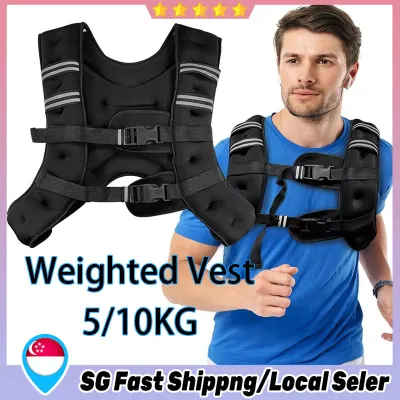
![[SG In Stock]5/10KG Weighted Sport Vest Workout Equipment Sport Body Weight Running Training Vest](https://img.lazcdn.com/g/p/3d4c7179e5ee62fff83cd18a619a74fa.jpg_400x400q80.jpg_.webp)
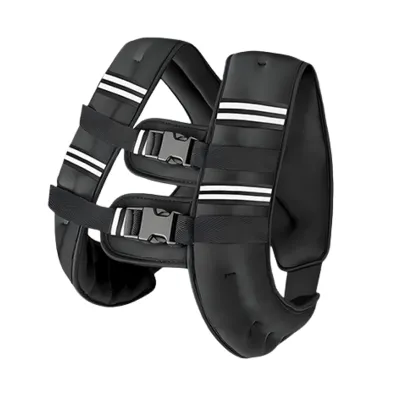
Prices are valid at publication and may change. Please refer to the product page for the latest price.
Because different fitness disciplines require vastly different movement patterns, a single vest design cannot perform optimally across all sports. Running involves continuous, high-impact, linear movement where any amount of vest bounce can cause severe skin abrasions and disrupt your stride. Calisthenics relies on complex, multi-planar bodyweight movements that demand unrestricted scapular movement and hip clearance. Strength training, by contrast, focuses on maximizing sheer load capacity, requiring heavy-duty materials that can support substantial weight plates without tearing.
To get the most out of your training, you must view the vest as a highly specialized piece of athletic equipment rather than a generic accessory. Choosing a model designed specifically for your movement patterns ensures that the added resistance enhances your performance instead of compromising your safety or form.
What to Look for in a Weighted Vest for Running and Cardio
Running with added weight places unique demands on both your body and your gear, making stability and temperature regulation your top priorities. In Singapore’s hot and humid environment, heavy fabrics quickly trap body heat, accelerating fatigue and causing excessive sweating. To combat this, look for streamlined, low-profile designs constructed with high-quality mesh panels or moisture-wicking fabrics that maximize airflow across your chest and back.

To prevent the vest from shifting and bouncing with every stride, select a model featuring a highly adjustable, multi-point strapping system. Dual elastic side straps or wide velcro belts that wrap tightly around your ribcage are ideal, as they allow the vest to hug your torso securely without restricting your ability to take deep, diaphragmatic breaths. Contoured, narrow shoulder straps are also essential, as they prevent the material from rubbing against your neck or trapping heat around your collarbone.
When introducing a weighted vest to your running routine, start with a conservative load to protect your joints and maintain natural running mechanics. A weight equivalent to 5% to 10% of your total body weight is generally recommended for beginners. This light resistance is sufficient to increase cardiovascular demand and strengthen your lower body without causing you to shorten your stride or over-stride, which can lead to shin splints or knee pain.
Avoid bulky tactical plate carriers or loose, sandbag-filled vests for sustained cardio sessions. These designs tend to hold weight too far away from your center of gravity, leading to excessive bouncing, shoulder digging, and painful friction burns along your lower back and underarms.
Best Features for Calisthenics and Bodyweight Training
Calisthenics and gymnastic conditioning require a weighted vest that moves dynamically with your body, allowing you to perform pull-ups, dips, push-ups, and muscle-ups without restriction. The primary requirement for bodyweight training is complete freedom of movement around your shoulder girdle and hip joints, ensuring you can achieve a full range of motion on every repetition.
To achieve this, look for a cropped or short-torso vest design that sits high on your chest and ends well above your belly button. A short cut prevents the bottom of the vest from striking your thighs during deep squats, high knees, or hanging leg raises, and ensures your hips can flex fully without interference. Additionally, wide, ergonomically curved armholes are crucial to allow your shoulder blades to retract and depress naturally during pulling and pushing movements.
Incremental weight adjustability is another vital feature for calisthenics progression. Look for vests that utilize small, removable steel blocks or compact sand packets, allowing you to increase the load in small increments of 500 grams to 1 kilogram. This micro-loading capability is essential for safely mastering advanced bodyweight progressions, where sudden jumps in weight can easily overload your rotator cuffs or elbows.
Avoid vests with thick, bulky shoulder padding or high, stiff collars. These features often interfere with your chin clearing the bar during pull-ups, restrict your arms from reaching fully overhead, and can scrape against your collarbone during deep dips.
Choosing a Weighted Vest for Heavy Strength Training
If your primary goal is to build lower-body strength and muscular endurance through weighted walking lunges, step-ups, or squat variations, you need a vest designed to handle substantial weight. Strength-focused vests must support heavy loads, often ranging from 15kg to over 30kg, which demands exceptional structural integrity and robust load distribution.
Look for vests constructed from heavy-duty, military-grade fabrics such as 500D or 1000D Cordura nylon, which resist tearing under the constant pressure of heavy iron or steel plates. The shoulder straps must be wide and heavily padded with high-density foam to distribute the massive downward force evenly across your trapezius muscles, preventing the straps from pinching nerves or cutting off circulation during long sets.
Reinforced plate pockets with heavy-duty velcro closures or secure buckle systems are critical to keep the heavy weights firmly in place. When performing dynamic strength movements like lunges or step-ups, any sudden shifting of a heavy plate can instantly throw off your balance, putting your knees and lower back at risk.
Safety Check: Always inspect the structural stitching, buckles, and weight-bearing seams of your vest before loading it to capacity. Verify the manufacturer’s stated maximum load limit, and never exceed it. If you notice any fraying threads, cracked plastic buckles, or compromised velcro, do not use the vest until it has been repaired or replaced.
Cross-Training: Can One Vest Cover All Scenarios?
For athletes who incorporate a mix of running, calisthenics, and heavy lifting into their weekly routine, finding a single, versatile vest is highly appealing. Modular vests, such as tactical plate carriers that accept different weights or adjustable sandbag vests, are often marketed as all-in-one solutions. While these versatile options can save money and storage space, they inevitably require you to navigate several physical trade-offs.
A heavy-duty vest built to support 20kg of steel plates for strength training is constructed with thick, durable materials that are inherently bulky and heavy. If you attempt to use this same vest for a 5km run in Singapore’s humid climate, you will likely find it too hot, restrictive, and prone to bouncing, even if you remove most of the weight. Conversely, a lightweight, highly breathable running harness capped at a maximum capacity of 5kg or 10kg will not provide enough resistance to challenge your muscles during heavy strength exercises.
To help you decide whether to buy one versatile vest or two specialized models, consider your primary training focus:
- The Generalist Approach: If your workouts consist of moderate-intensity conditioning, basic bodyweight movements, and light resistance work, a mid-weight adjustable vest (typically ranging from 5kg to 15kg) with a relatively slim profile can serve as an excellent, cost-effective compromise.
- The Specialist Approach: If you are dedicated to high-mileage running and advanced calisthenics or heavy lifting, investing in two specialized vests is the safer and more effective choice. A lightweight, breathable running harness will protect your joints and skin during cardio, while a dedicated heavy-duty plate carrier will safely support your strength progressions.
In terms of pricing in the Singapore market, basic fixed-weight vests generally cost under S$50, mid-range modular vests range from S$50 to S$150, and premium, highly durable tactical carriers can exceed S$150.
Safety, Fit, and Maintenance Guidelines
To ensure your safety and prolong the lifespan of your equipment, always prioritize proper fit, sensible weight progression, and regular maintenance.
- Achieving a Secure Fit: Put the vest on and tighten the torso straps from the bottom up. The vest should sit high on your chest, snug against your upper torso. You should be able to take a full, deep breath without restriction, but the vest should not shift, slide, or ride up when you jump, bend over, or twist side to side.
- Applying Progressive Overload: Treat your weighted vest with the same respect as a barbell. Increase the load gradually in small increments, and closely monitor how your joints, tendons, and lower back respond. If you experience any joint pain, sharp discomfort, or unusual fatigue, reduce the weight immediately or discontinue use.
- Cleaning and Maintenance: Because Singapore's high humidity leads to heavy sweating, your vest will quickly absorb moisture and develop odors if left uncleaned. To prevent mold, bacteria, and fabric degradation, establish a consistent washing routine. Always remove all metal plates or sand-filled inserts before cleaning. Hand-wash or spot-clean the fabric carrier using cold water and a mild detergent. Hang the vest to air-dry completely in a well-ventilated, shaded outdoor area before reinserting the weights. Never machine-wash or tumble-dry your vest unless the manufacturer's care label explicitly states it is safe to do so.
Frequently Asked Questions (FAQ)
Does wearing a weighted vest improve posture?
Wearing a weighted vest can temporarily increase the activation of your core and upper back muscles as they work to keep your spine upright against the added load. However, a vest is not a cure for structural posture issues. If you have poor posture or weak stabilizing muscles, adding weight can actually exacerbate imbalances and lead to strain. You must establish proper, unweighted postural alignment and movement patterns before training with a vest.
Can I wear a weighted vest all day for passive calorie burn?
You should avoid wearing a weighted vest for extended periods outside of structured workouts. Prolonged wear can lead to excessive spinal compression, fatigue your postural muscles, and alter your natural gait, which can cause chronic joint or lower back pain. To protect your musculoskeletal health, limit vest use to focused, time-bound training sessions that last no longer than 45 to 60 minutes.
How do I clean a weighted vest with removable plates?
To clean a modular vest, always remove all metal plates, steel blocks, or sand-filled weight packets first. Hand-wash the fabric carrier in cold water with a mild, non-abrasive detergent, paying close attention to the shoulder straps and inner lining where sweat accumulates. Rinse the carrier thoroughly and hang it to air-dry completely in a well-ventilated space. Never submerge or wash the metal plates or sand packets, as moisture can cause metal to rust and sand to clump, damaging the weights and the vest pockets.
Community discussion
Share your experience or ask a question. Comments are reviewed before publication.