
Using a wooden exercise stick (often referred to locally as a 运动木棍) offers distinct biomechanical and physical advantages for flexibility, joint mobilization, and alignment training. Unlike resistance bands or flexible plastic rods, a high-quality wooden stick provides absolute structural rigidity. When performing complex movements like shoulder dislocates, overhead squats, or deep chest openers, this lack of flex is essential. It ensures that your joints are guided through a precise, repeatable range of motion without the equipment yielding under tension. This uncompromising feedback allows athletes, yogis, and physical therapy patients to accurately gauge their current flexibility limits and track incremental improvements over time.
Beyond structural stability, the tactile feedback of natural wood is unmatched by synthetic alternatives. Plastic, PVC, and metal sticks tend to become slick and slippery when exposed to sweat, which can compromise your grip and disrupt your focus during intense stretching routines. Wood possesses a natural porosity that absorbs micro-moisture from your palms, maintaining a secure, slip-free grip without requiring aggressive, skin-irritating knurling. Additionally, wood has a neutral thermal conductivity; it does not feel uncomfortably cold in an air-conditioned condominium gym, nor does it heat up excessively when used for outdoor mobility sessions in Singapore’s tropical parks.
Investing in a premium wooden wellness device also brings an aesthetic and psychological benefit to your fitness routine. Synthetic fitness gear can often look cluttered and industrial, whereas a beautifully finished hardwood or bamboo stick serves as a minimalist, elegant addition to any home gym setup. Its natural grain and warm texture encourage regular use, transforming a simple alignment tool into a valued wellness ritual. For residents living in compact Singapore apartments, a wooden stick can be easily stored upright in an umbrella stand or behind a wardrobe, blending seamlessly with modern Scandinavian or Japanese-inspired interior designs.
Products mentioned in this guide
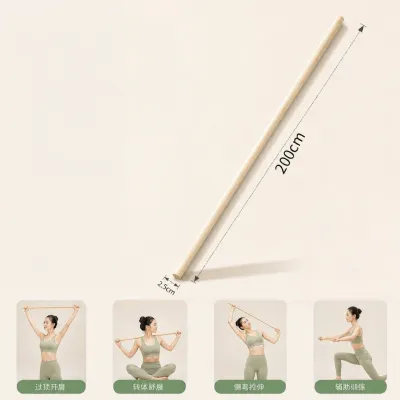
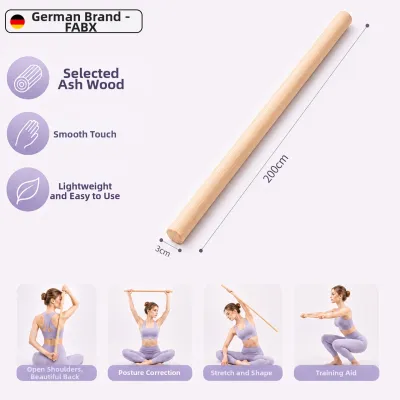
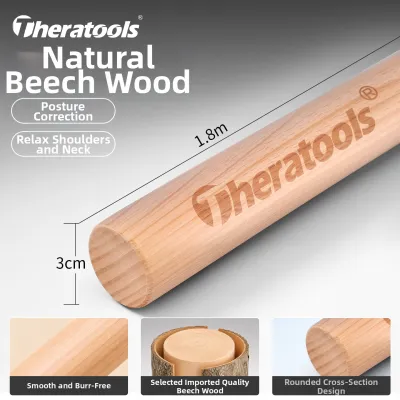
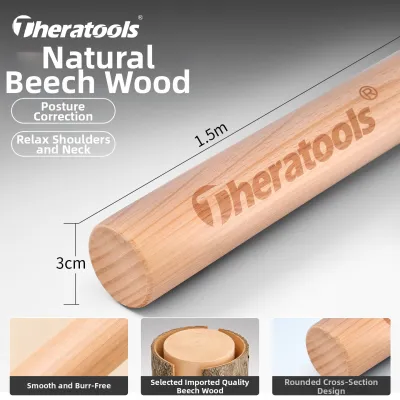
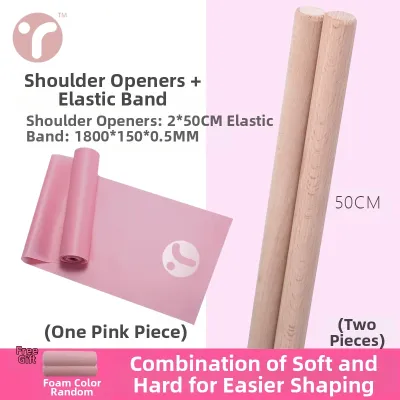
Prices are valid at publication and may change. Please refer to the product page for the latest price.
How to Choose the Right Wooden Mobility Stick for Your Body and Goals
Selecting the perfect wooden exercise stick requires careful consideration of your physical proportions, grip strength, and specific training objectives. Because these tools do not adjust in length or diameter, matching the stick’s specifications to your body is crucial for safe and effective training.
Length Guidelines The primary rule for determining the correct stick length is based on your shoulder mobility and arm span. For general upper-body mobility, shoulder pass-throughs, and chest stretches, the stick must be long enough to allow your arms to rotate fully behind your back without bending at the elbows. To find your minimum length, stand upright, hold a measuring tape or string in both hands, and mimic a shoulder dislocate movement; the distance between your hands at the widest point of the arc is your baseline. For most adults of average height (160 cm to 180 cm), a stick length of 120 cm to 150 cm (approximately 4 to 5 feet) offers the ideal balance of leverage and control. Taller individuals or those with severe shoulder tightness should opt for a 160 cm to 180 cm stick to prevent joint strain, while shorter users or those focusing solely on lower-body alignment may find a compact 100 cm to 110 cm stick more manageable.
Diameter and Grip The thickness of the stick directly influences your hand fatigue and grip security during long mobility sessions. Standard wooden mobility sticks generally range from 25 mm to 32 mm in diameter. A slimmer 25 mm dowel is highly recommended for individuals with smaller hands or those who want to actively train their grip strength during hanging or pulling movements. Conversely, a thicker 30 mm or 32 mm stick distributes pressure more evenly across the palms. This thicker profile is particularly beneficial for passive stretching, where you lean your body weight against the stick, as it prevents the wood from digging uncomfortably into your skin or fascia.
Wood Type and Weight The density of the wood determines both the weight of the stick and its long-term durability. Heavy hardwoods like oak, ash, and maple provide a solid, grounded feel. The self-weight of a hardwood stick (typically ranging from 600 grams to over 1 kilogram) can be highly advantageous, acting as a mild, passive load that helps sink your shoulders and hips deeper into stretches. If you plan to travel with your stick, commute to outdoor yoga classes, or prefer a highly agile tool, lighter woods such as birch, pine, or sustainable bamboo are excellent alternatives. These lighter options typically weigh between 300 and 500 grams, making them effortless to carry while still offering sufficient rigidity for basic alignment work.
Surface Finish A high-quality surface finish is essential to prevent painful splinters and protect the wood from sweat degradation. When browsing local sports shops or online marketplaces in Singapore, you will encounter bare, waxed, or varnished wood surfaces. Bare wood offers the most natural, high-friction grip but requires more frequent maintenance to prevent sweat and oils from staining or warping the material. Waxed or lightly oiled finishes represent the ideal middle ground; they preserve the organic feel of the wood grain while providing a protective barrier against moisture. Fully varnished or lacquered sticks are highly sweat-resistant and easy to sanitize, though they can feel slightly slicker when your hands are wet.
Top Types of Wooden Exercise Sticks to Buy in Singapore
To help you navigate the options available in the Singapore market, we have categorized the most reliable types of wooden exercise sticks. These can be sourced through specialty local fitness boutiques, rehabilitation suppliers, and major online marketplaces.

Standard Hardwood Dowels (Oak, Maple, or Birch)
For serious athletes, weightlifters, and cross-training enthusiasts, a solid hardwood dowel crafted from oak, maple, or birch is the gold standard. These woods are characterized by their tight grain patterns and exceptional density, which prevent them from bending or warping even when subjected to intense leverage. In Singapore, these high-grade dowels are commonly used in Olympic weightlifting gyms to teach proper snatch and clean-and-jerk mechanics, as well as in gymnastics facilities for advanced shoulder preparation.
- Best suited for: Powerlifters, gymnasts, cross-fitters, and individuals performing heavy-duty mobility drills or weighted shoulder dislocates.
- Price range: Typically ranges from S$20 to S$45, depending on the wood species and length.
- Limitations: Hardwood sticks are noticeably heavier and completely rigid, which may feel intimidating for beginners. Their robust construction also means they require a dedicated, dry storage space to prevent long-term warping in humid conditions.
Bamboo Stretching and Yoga Sticks
Bamboo stretching sticks offer a lightweight, highly sustainable, and flexible alternative to traditional hardwoods. Technically a fast-growing grass rather than wood, bamboo has a unique cellular structure that combines impressive tensile strength with a subtle, natural springiness. This slight flex can be highly beneficial for gentle, rhythmic mobility routines, such as those found in specialized yoga classes, Qi Gong, or senior physical therapy sessions in Singapore.
- Best suited for: Yoga practitioners, beginners, older adults, and individuals recovering from injuries who require a gentle, lightweight tool for posture correction and spinal alignment.
- Price range: Generally priced between S$15 and S$35.
- Limitations: The natural flexibility of bamboo makes it unsuitable for high-load mobility drills where absolute rigidity is required. Additionally, lower-quality bamboo sticks may feature prominent natural nodes that can feel uneven in your hands if they have not been meticulously sanded down by the manufacturer.
Tapered or Contoured Wooden Massage Sticks
While straight dowels excel at joint mobilization, tapered or contoured wooden massage sticks are engineered specifically for myofascial release and localized muscle recovery. These specialized tools often feature ergonomic, carved handles and central rolling segments or tapered ends designed to target deep tissue knots. They are widely popular among Singapore’s active running and cycling communities for self-massage (often referred to as “maderotherapy” or wood therapy) after long sessions along the East Coast Park or Rail Corridor.
- Best suited for: Runners, triathletes, cyclists, and fitness enthusiasts looking to relieve muscle tightness, improve circulation, and roll out stubborn trigger points in the calves, hamstrings, and IT bands.
- Price range: Usually ranges from S$25 to S$60, reflecting the more complex machining and assembly involved.
- Limitations: Because of their short length (typically 40 cm to 60 cm) and contoured surfaces, these sticks are not suitable for bilateral stretching exercises, overhead alignment drills, or full-body mobility routines.
Wood vs. PVC vs. Metal: Which Mobility Stick Material Suits Your Training?
Before finalizing your purchase, it is helpful to compare wood against other common materials used for mobility sticks, such as PVC plastic and metal (typically hollow steel or aluminium). Each material exhibits distinct physical properties that alter its performance, comfort, and suitability for various training environments.
| Material | Durability | Grip & Tactile Feel | Weight & Density | Flexibility | Best Use Case |
|---|---|---|---|---|---|
| Wood | High (with proper care) | Excellent; natural grip that absorbs micro-sweat | Moderate to High; provides a solid, grounded feel | None; offers rigid, uncompromising support | Serious mobility, daily stretching, and dedicated home gyms |
| PVC | Moderate; can warp under heat or heavy pressure | Poor; slick surface that becomes slippery when wet | Very Light; easy to carry but lacks physical feedback | High; bends noticeably under moderate load | Budget-conscious beginners and outdoor bootcamp classes |
| Metal | Very High; virtually indestructible | Moderate; cold in AC, hot in sun; requires knurling | High (steel) to Light (aluminium); rigid feel | None; completely rigid under all loads | Weighted mobility, strength training, and commercial gyms |
While a cheap PVC pipe from a local Singapore hardware store is incredibly budget-friendly, its inherent flexibility can compromise your form. When you pull outward on a PVC pipe during a shoulder stretch, the plastic bends, which reduces the active stretch on your chest and shoulder capsule. Metal sticks, on the other hand, provide absolute rigidity but lack the comfortable tactile warmth of wood. In an air-conditioned home or commercial gym, a metal bar can feel uncomfortably cold to the touch, whereas wood maintains a neutral, inviting temperature that enhances your overall stretching experience.
Essential Care and Maintenance for Wooden Sticks in a Humid Climate
Singapore’s tropical climate, characterized by high relative humidity (often exceeding 80%) and warm temperatures, requires proactive care to keep your wooden exercise stick in pristine condition. Without proper maintenance, natural wood can absorb airborne moisture, leading to warping, mold growth, or structural weakening over time.
Routine Cleaning After a sweaty mobility session, it is vital to clean your stick immediately. Wipe down the entire surface using a clean, slightly damp microfiber cloth. If the stick is particularly dirty, you can add a single drop of mild, pH-neutral dish soap to the water, but ensure the cloth is thoroughly wrung out before touching the wood. Never use harsh chemical household cleaners, bleach, or alcohol-based sprays, as these strip away the wood’s natural protective oils and can cause the surface to dry out and crack. Always dry the stick immediately with a soft, dry towel.
Moisture and Climate Control Where and how you store your wooden stick plays a massive role in its longevity. Avoid storing your stick in high-humidity zones like balconies, bathrooms, or directly next to open windows where rain might blow in. Similarly, do not leave the stick directly in the path of cold air-conditioning drafts, as rapid temperature fluctuations can cause the wood fibers to expand and contract too quickly, leading to warping or splitting. The ideal storage solution is a dry, well-ventilated indoor closet, a vertical corner behind a door, or a dedicated wall-mounted rack.
Surface Inspection and Upkeep At least once a month, perform a quick visual and tactile inspection of your stick. Run your hands gently along the length of the wood to check for any rough spots, micro-splinters, or raised grain. If you detect any rough areas, lightly sand them down using a fine-grit sandpaper (220-grit or higher) in the direction of the wood grain. To restore the wood’s protective barrier and beautiful natural sheen, apply a small amount of food-grade mineral oil, linseed oil, or natural beeswax with a soft cloth. Allow the oil to penetrate the wood for 24 hours, then buff off any excess with a clean, dry cloth before your next workout.
Frequently Asked Questions (FAQ)
Can I use a wooden broomstick as a mobility stick?
While a wooden broom handle can serve as a temporary, budget-friendly substitute for basic stretching, it is generally not recommended for advanced mobility work. Most household broomsticks are manufactured from low-grade, lightweight softwood or hollow materials designed only to bear the minimal force of sweeping. When subjected to the intense leverage of shoulder dislocates, overhead squats, or deep leaning stretches, these low-grade sticks can snap unexpectedly, posing a severe risk of splinters or fall injuries. Investing in a solid, graded hardwood dowel ensures your safety and provides the precise rigidity needed for effective training.
What is the ideal length for a wooden stretching stick?
For the vast majority of adults, a wooden stretching stick measuring between 120 cm and 150 cm (4 to 5 feet) is the ideal standard. This length provides ample space to position your hands wider than shoulder-width, which is essential for performing overhead rotations and chest-opening exercises safely. If you are taller than 180 cm, or if you have exceptionally tight shoulders that require a very wide grip, you should opt for a longer stick of 160 cm to 180 cm. For localized lower-body work, such as hip alignment or ankle mobility, a shorter 100 cm stick is often more convenient and easier to maneuver.
How do I prevent my wooden exercise stick from splintering?
The most effective way to prevent splintering is to buy a high-quality stick that has been pre-sanded and sealed with a protective wax or light varnish. To maintain this protective layer, avoid dropping your stick on hard surfaces like concrete, tile, or outdoor fitness corner flooring, as these impacts can cause micro-fractures within the wood fibers. Regularly inspect the stick for dryness and re-oil it with food-grade mineral oil or beeswax whenever the surface begins to feel rough or parched. If any tiny splinters do appear, sand them down immediately with fine-grit sandpaper to keep the surface perfectly smooth.
Community discussion
Share your experience or ask a question. Comments are reviewed before publication.