
Wrist and ankle weights are highly effective tools for enhancing physical conditioning, but their utility depends entirely on matching the equipment to your specific fitness goals. In Singapore, where the tropical climate demands highly breathable materials, selecting the right wearable weights involves balancing load, comfort, and safety. Whether you want to increase the cardiovascular demand of your evening walks, add resistance to a Pilates routine, or rebuild mobility during physical therapy, understanding how these weights impact your body is the first step toward making an informed purchase.
Adding resistance to your extremities alters your body’s natural mechanics by extending the lever arm of your limbs. This mechanical shift increases the muscular effort required to move, which can accelerate conditioning if managed correctly, or lead to joint strain if done improperly. By focusing on your primary workout objective, you can narrow down the vast market of fitness accessories to the exact design, weight range, and material composition that will support your body safely.
How to Match Wrist and Ankle Weights to Your Workout Goals
To choose the right wrist and ankle weights, you must first define the primary movement patterns of your workouts. Wearable weights are not a universal accessory; a pair designed for high-repetition cardiovascular activities like walking will perform poorly—and potentially cause injury—if used for high-resistance strength training, and vice versa. The physical demands of cardio, strength, and rehabilitation require completely different weight distributions and fastening systems.
Products mentioned in this guide
![🇸🇬 [READY STOCK] MMB Stralo Adjustable Ankle Weights for Women and Men 0.5 -2.5kg Modularized Leg Weight Straps for Yoga Walking Running Aerobics Gym](https://img.lazcdn.com/g/p/d12b3b5b79d304b5d610a817f2b9cd16.jpg_400x400q80.jpg_.webp)
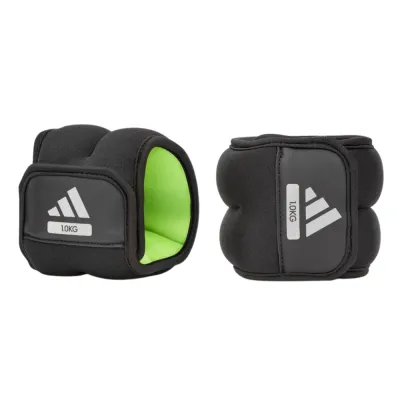
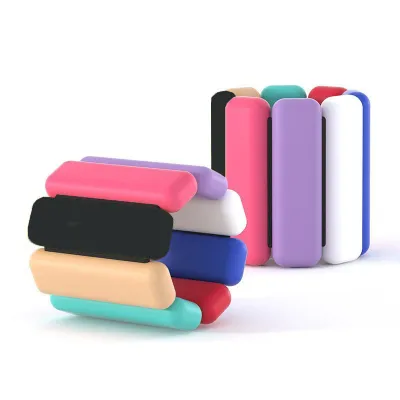
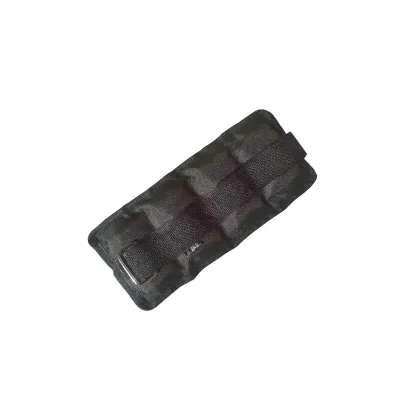
![🇸🇬 [In Stock]Ankle Wrist Weights[1Pair/2LB]Silicone Adjustable Weight Sports Wristbands Exercise Gravity Belt Wrist Band](https://img.lazcdn.com/g/p/3e2fdd93670e08f6e0db68b84995b622.jpg_400x400q80.jpg_.webp)
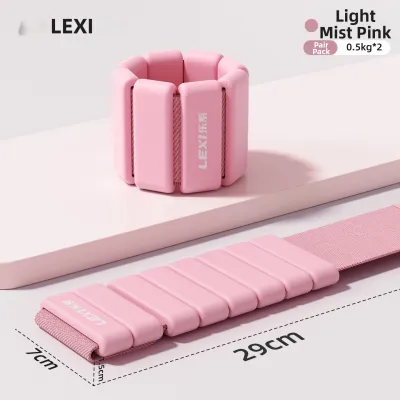
Prices are valid at publication and may change. Please refer to the product page for the latest price.
During walking or other cardiovascular exercises, your limbs undergo repetitive, rhythmic cycles. The primary goal here is to introduce a mild, consistent challenge to your cardiovascular system without disrupting your natural stride or arm swing. If the weight is too heavy or bulky, it forces your muscles to compensate, altering your gait and placing unnatural shear stress on your knees, hips, and lower back. For these activities, lightweight, streamlined, and highly ergonomic designs are essential.
In contrast, strength training and muscle toning exercises, such as barre, Pilates, or targeted leg lifts, rely on controlled, deliberate movements. Here, the objective is progressive overload—gradually increasing resistance to stimulate muscle fiber growth and endurance. Because the movements are slower and more controlled, you can safely utilize heavier, more substantial weights. The priority shifts from aerodynamic streamlining to absolute stability, ensuring the weight remains locked in place and does not slide during vertical or lateral extensions.
Rehabilitation and physical therapy represent a third, highly specialized category where the focus is on restoring joint mobility, correcting muscle imbalances, or recovering from injury. In a clinical or recovery context, the goal is neuromuscular activation rather than metabolic conditioning or muscle hypertrophy. Consequently, the resistance must be exceptionally light and precisely calibrated, with an emphasis on soft, non-abrasive materials that do not irritate sensitive skin or surgical scars.
By recognizing these distinct functional categories, you can avoid the common mistake of buying a single, heavy pair of weights and expecting them to perform well across all activities. Before browsing online marketplaces or local sporting goods stores in Singapore, identifying your primary fitness pathway will ensure you invest in gear that actively supports your physical development while protecting your joints.
Core Features to Evaluate Before Buying
When evaluating wrist and ankle weights, looking beyond the aesthetic design is crucial to ensuring long-term usability and safety. Several key specifications dictate how a weight will perform during exercise, how comfortable it will feel against your skin, and how long it will last under regular use. Paying close attention to these technical features will help you identify high-quality gear that aligns with your specific workout environment.

Adjustable vs. Fixed Weight Systems
One of the most significant design choices you will face is deciding between a fixed-weight system and an adjustable-weight system. Fixed weights consist of a single, non-alterable load, often encased in soft silicone or a sealed neoprene sleeve filled with sand or iron filings. These designs are highly streamlined, sit close to the skin, and minimize movement during exercise, making them exceptionally comfortable for active, high-repetition movements. However, their primary limitation is versatility; once your muscles adapt to the resistance, you must purchase an entirely new set to continue progressing.
Adjustable weights feature pockets or slots that house removable weight inserts, typically in the form of small sand-filled pouches or solid metal bars. This design allows you to customize the resistance, making it an excellent choice for progressive strength training where different exercises require different loads. The trade-off is bulkiness; adjustable weights are inherently thicker and more cumbersome, which can restrict movement during certain exercises and increase the risk of chafing if used for running or walking.
Material and Climate Adaptability
Singapore’s hot and humid tropical climate makes material selection a critical factor for comfort and hygiene. Exercising in high humidity triggers significant sweating, and any fitness accessory strapped tightly to your skin can trap moisture, leading to severe chafing, heat rashes, and bacterial or fungal odors. Traditional cheap nylon weights filled with iron sand often absorb sweat, becoming heavy, waterlogged, and difficult to clean, which quickly results in persistent, unpleasant odors.
To mitigate these climate-related challenges, look for weights constructed from advanced, moisture-wicking materials. Neoprene is a popular choice because it is soft, flexible, and relatively breathable, though it still requires regular air-drying. For the ultimate in hygiene and weather resistance, medical-grade silicone bands are highly recommended. Silicone is completely non-porous, meaning it cannot absorb sweat, water, or bacteria; it can be easily wiped clean or rinsed under a tap immediately after a workout, making it exceptionally well-suited for Singapore’s humid conditions.
Strap and Closure Security
The fastening mechanism of a wearable weight determines both its safety and comfort. During repetitive movements, a weight that shifts, slides, or bounces can cause friction burns on your wrists or ankles, and can even disrupt your balance. A high-quality closure system must distribute pressure evenly across the limb without cutting off circulation or restricting joint movement.
Look for weights that utilize wide, heavy-duty Velcro straps or secure buckle closures. Wide straps distribute the load over a larger surface area, reducing localized pressure points on your tendons and blood vessels. The hook-and-loop fasteners should be robust enough to withstand repetitive pulling and sweat exposure without losing their grip. For adjustable weights, ensure that the individual weight pockets have secure flaps or zippers to prevent the internal weights from sliding out mid-exercise.
Best Wrist and Ankle Weight Profiles for Specific Goals
To help you navigate the purchasing process, we have categorized the most effective weight profiles based on specific fitness objectives. By matching your primary activity to one of these tailored profiles, you can optimize your workouts while minimizing the risk of joint strain or skin irritation.
Best Profiles for Walking and Cardio
If your primary goal is to elevate your heart rate and burn more calories during walking, jogging, or low-impact aerobics, you should prioritize lightweight, highly ergonomic designs. The ideal profile for cardiovascular exercise is a fixed-weight band ranging from 0.5 kg to 1 kg per limb. At this weight range, the resistance is sufficient to increase metabolic demand without significantly altering your natural running or walking mechanics.
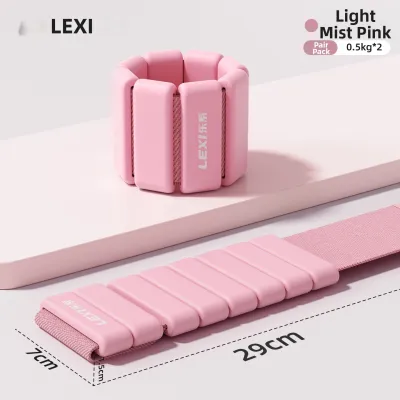
Look for streamlined, contoured designs, such as weighted silicone bracelets or ultra-thin neoprene wraps that mold closely to the shape of your wrists or ankles. These designs minimize drag and prevent the weight from shifting or bouncing as your limbs swing. The seamless construction of high-quality silicone bands is particularly beneficial for long-distance walking, as it eliminates the seams and rough edges that frequently cause chafing during repetitive motions.
It is important to note the physical limitations of this profile. These lightweight, fixed bands are strictly designed to add mild, passive resistance to endurance-based activities. They are not suitable for building significant muscle mass or performing heavy progressive strength training. Attempting to use them for targeted muscle building will yield limited results, while trying to exceed the 1 kg limit during high-speed cardio can place dangerous rotational forces on your shoulder and knee joints.
Best Profiles for Strength Training and Toning
For those focusing on targeted lower-body shaping, Pilates, barre, or core conditioning, the ideal profile shifts toward heavier, highly stable, and adjustable weights. These activities involve slow, controlled movements where the risk of joint impact is low, allowing you to safely utilize weights ranging from 1 kg to 2.5 kg or more per limb. This heavier load is necessary to create the muscular tension required for toning and strengthening.
Select an adjustable-weight profile featuring a wide, padded neoprene cuff with removable steel or sand inserts. This design allows you to start with a lighter load and gradually increase the resistance as your strength improves, which is the cornerstone of effective progressive overload. The cuff must feature an exceptionally secure fastening system, such as a double-loop Velcro strap, to ensure the weight remains completely stationary during complex movements like leg lifts, donkey kicks, or lateral arm raises.
However, these robust strength-training profiles come with distinct limitations. Their bulky, thick construction makes them entirely unsuitable for running, fast walking, or high-tempo cardiovascular workouts. Wearing heavy, bulky weights during fast-paced movements increases the risk of the weights rubbing against each other or your skin, leading to painful chafing. Furthermore, the substantial weight can easily overwhelm your joints if subjected to sudden, rapid movements, potentially causing ligament sprains or tendonitis.
Best Profiles for Rehabilitation and Physical Therapy
Rehabilitation and physical therapy require a highly cautious, precise approach to resistance training. When recovering from an injury, surgery, or addressing a chronic muscle imbalance, the objective is to gently rebuild joint mobility, stability, and neuromuscular control. For these sensitive applications, the optimal profile consists of ultra-lightweight weights, typically ranging from 0.25 kg to 0.5 kg.
The materials used in rehab-specific weights must prioritize comfort and skin protection above all else. Look for weights made from soft, non-abrasive fabrics, such as high-grade fleece or plush neoprene, which offer gentle compression around the joint. The weight distribution should be perfectly even, avoiding any hard edges or concentrated pressure points that could irritate healing tissues or sensitive nerves.
Safety Boundary: It is absolutely critical to understand that rehabilitation weights must only be used under the direct supervision and guidance of a licensed physiotherapist or medical professional. Recovering joints and tendons are highly vulnerable to re-injury, and self-prescribing weight limits or exercise durations can severely derail your recovery process. Always consult your healthcare provider to establish a safe, customized rehabilitation protocol before introducing any wearable weights to your routine.
Safety Boundaries and Joint Protection Rules
While wrist and ankle weights are excellent for enhancing physical conditioning, they introduce unique mechanical stresses that can lead to injury if ignored. Because these weights are positioned at the farthest points of your limbs, they create a long lever arm, which dramatically increases the torque and rotational forces acting on your joints. Understanding these physical principles is essential for protecting your body during exercise.
Joint Stress and Gait Alteration
Ankle weights place significant stress on the knee and hip joints. When you walk or run with weights strapped to your ankles, the added mass pulls on the joint capsule during the swing phase of your stride, increasing the shear forces acting on your cartilage and ligaments. This can easily alter your natural gait, forcing your lower back and hip flexors to work harder to compensate, which often leads to chronic joint pain or alignment issues. Similarly, wearing wrist weights during active arm movements can strain the delicate rotator cuff muscles in your shoulders and place excessive stress on your elbows, especially if you swing your arms aggressively.
Progressive Loading and Time Limits
To minimize the risk of joint overload, you must follow a strict protocol of progressive loading and strict time limits. If you are new to wearable weights, always start with the absolute lightest option available—such as 0.25 kg or 0.5 kg—to allow your joints, tendons, and stabilizing muscles time to adapt to the new mechanical forces. Do not wear these weights for extended periods; restrict continuous wear to short, focused intervals of 15 to 20 minutes per session. Wearable weights should never be worn for all-day activities, household chores, or casual walking, as the cumulative stress of hours of unnatural loading can easily trigger overuse injuries like plantar fasciitis, Achilles tendonitis, or patellar tracking issues.
Stop Signals
You must remain highly attentive to your body’s signals during exercise and stop immediately if you experience any of the following warning signs:
- Sharp, localized joint pain in your ankles, knees, hips, wrists, elbows, or shoulders.
- Numbness, tingling, or a "pins and needles" sensation in your hands, fingers, feet, or toes, which indicates nerve compression.
- Abnormal, deep muscular fatigue that feels distinctly different from a typical workout burn.
- Any noticeable change in your natural walking form, such as limping, dragging your feet, or overstriding to compensate for the weight.
Remember, wearable fitness gear is designed to supplement your training, not replace proper muscle conditioning, flexibility, and movement technique. If you experience persistent pain or discomfort after using wearable weights, discontinue use immediately and consult a qualified medical professional.
Pre-Purchase and Usage Checklist
Before finalizing your purchase and adding wrist or ankle weights to your cart, take a moment to run through this practical checklist. Verifying these details will ensure that your new gear fits perfectly, remains hygienic in Singapore’s tropical climate, and aligns with local retail policies.
Sizing and Fit Verification
Do not assume that all wearable weights are one-size-fits-all. Many products have specific strap lengths with minimum and maximum circumference limits. Before buying, use a flexible measuring tape to measure the exact circumference of your wrists and ankles. Compare these measurements against the manufacturer’s sizing specifications on the product page. If your ankles or wrists are particularly slender or robust, look for brands that offer extended strap lengths or highly adjustable buckle systems to ensure a secure, non-slip fit.
Hygiene and Maintenance Protocol
Given the high humidity and sweat levels in Singapore, establishing a regular cleaning routine is non-negotiable for preventing mold, mildew, and bacterial growth. Check the manufacturer’s care instructions to see if the weights are machine washable or if they feature removable weight inserts that allow you to wash the fabric sleeve separately. If you choose silicone weights, verify that they can be safely sanitized with mild soap and warm water. Avoid buying cheap, non-washable nylon weights that cannot be thoroughly cleaned, as they will quickly become a breeding ground for unpleasant odors.
Retailer Policy Check
Because wrist and ankle weights are worn directly against the skin, many sports retailers and ecommerce platforms classify them as personal hygiene items. This means that once the original packaging is opened or the product is worn, it may be entirely non-returnable and non-refundable unless there is a clear manufacturing defect. Always read the retailer’s return and exchange policy carefully before purchasing, especially if you are uncertain about the sizing or fit of a specific model.
Frequently Asked Questions (FAQ)
Can I wear ankle weights all day to burn more calories?
You should strictly avoid wearing ankle weights all day. While it may seem like an easy way to burn extra calories during daily activities, the continuous, unnatural load on your lower extremities places immense, cumulative stress on your joints, ligaments, and tendons. Over several hours, this constant strain can alter your natural movement patterns and lead to chronic overuse injuries such as tendonitis, shin splints, or lower back pain. Restrict the use of ankle weights to dedicated, short workout sessions where your movements are focused and controlled.
Are wrist weights better than holding dumbbells for walking?
Choosing between wrist weights and handheld dumbbells depends on your joint health and comfort. Wrist weights are generally preferred for walking because they secure directly to your arms, allowing for a natural, hands-free arm swing without causing grip fatigue. However, they can increase the rotational stress on your shoulder joints if your arms swing too forcefully. Handheld dumbbells, on the other hand, require a continuous grip, which can cause hand fatigue and elevate your blood pressure over long distances. If you choose either option, keep the weight exceptionally light (under 1 kg) and maintain a controlled, natural arm motion.
Community discussion
Share your experience or ask a question. Comments are reviewed before publication.