
Why Sport-Specific Wrist Guards Matter
Selecting the right wrist guard is not a matter of finding a one-size-fits-all accessory. The biomechanics of your sport dictate the exact type of protection your joints require. A guard designed to slide across concrete during a high-speed rollerblading fall will fail you under a heavy barbell, while a fabric weightlifting wrap offers zero protection against asphalt abrasion. To safeguard your wrists effectively, you must match the gear’s design to the specific physical forces of your activity.
The physical forces involved in these sports vary dramatically. Skateboarding subjects the body to high-velocity, unpredictable impacts on hard concrete, where falls often occur at awkward angles. Weightlifting involves heavy axial loading and intense joint compression, requiring the wrist to remain perfectly stacked under a vertical load. Rollerblading, by contrast, typically involves forward-fall sliding on pavement, where the goal is to redirect downward impact into forward momentum.
To address these distinct demands, protective gear falls into three main categories: hard-shell splints, elastic wraps, and padded gloves. Hard-shell splints use rigid plastic plates to prevent hyperextension and absorb impact. Elastic wraps provide adjustable compression to stabilize the joint under load. Padded gloves offer a balance of light abrasion protection and flexibility.
Products mentioned in this guide
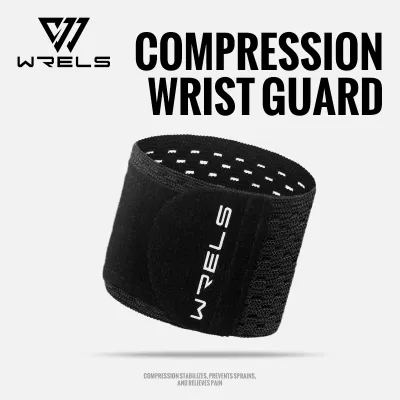
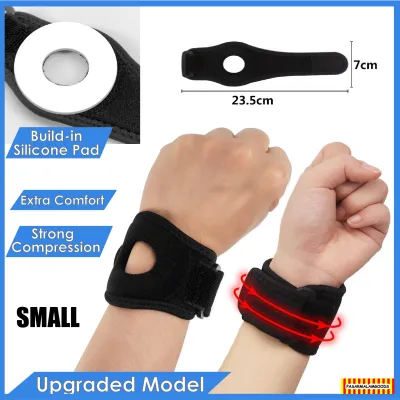
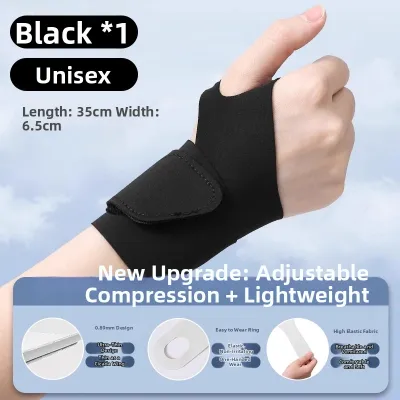
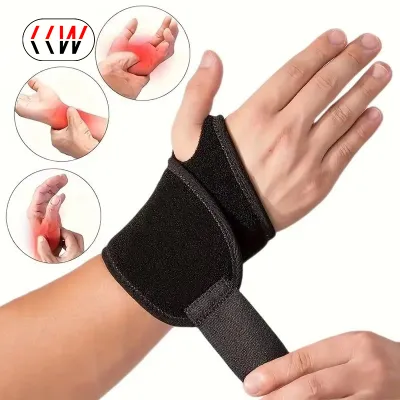
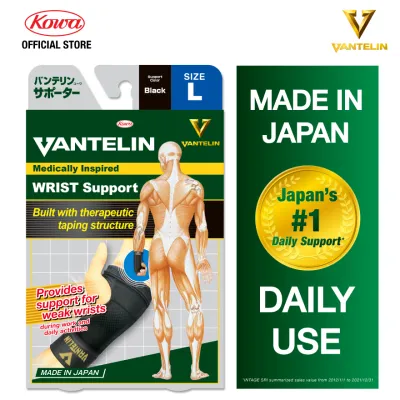
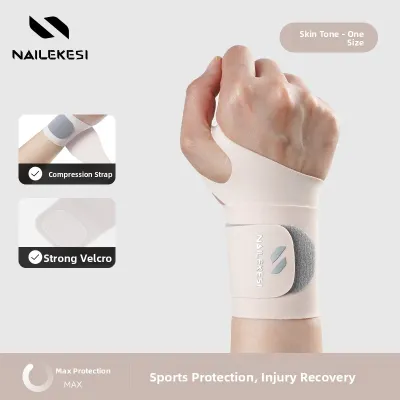
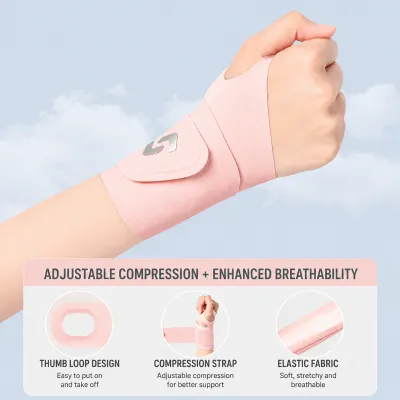
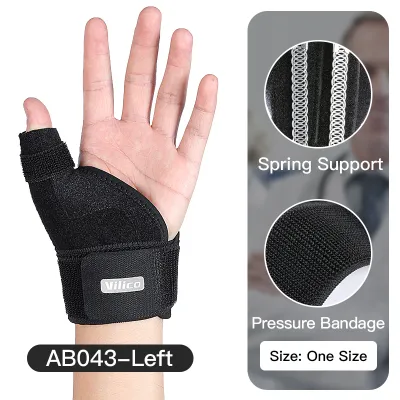
Prices are valid at publication and may change. Please refer to the product page for the latest price.
Using the wrong type of guard can fail to protect the joint or even introduce new injury risks. For instance, wearing a rigid skateboarding splint while attempting a clean and jerk can prevent the necessary wrist extension, potentially causing the barbell to slip or transferring dangerous torque to your elbows. Conversely, wearing a fabric lifting wrap while skating offers no protection against the impact of concrete, leaving you vulnerable to fractures.
Skateboarding Wrist Guards: Impact and Abrasion Protection
Skateboarding is an inherently high-impact sport where falls are often sudden and violent. Before stepping onto your board, it is crucial to understand that while wrist guards significantly reduce the risk of fractures and severe abrasions, they cannot replace proper fall technique. Skaters should actively practice rolling out of falls to disperse impact energy, rather than attempting to catch themselves with stiff, outstretched arms. If a fall is unavoidable, having the correct protective gear can mean the difference between a minor scrape and a trip to the clinic.

The design of a skateboarding wrist guard centers on maximum impact resistance. These guards feature rigid plastic splints positioned on the palm and, in many dual-splint designs, along the back of the hand. These splints are integrated into a heavily padded sleeve or glove made of durable nylon or neoprene. This dual-splint configuration sandwiches the wrist joint, keeping it locked in a safe position and preventing the extreme hyperextension that commonly causes fractures during a fall.
The primary protection mechanism of these guards is twofold: shock absorption and abrasion prevention. When your hand strikes the concrete, the rigid plastic palm plate absorbs the initial force and allows your hand to slide slightly, reducing the sudden jarring impact that can fracture the radius or ulna. Simultaneously, the tough outer materials protect your skin from asphalt burn, a painful and easily infected abrasion caused by sliding across rough surfaces.
When shopping for skateboarding wrist guards, look for secure multi-strap systems that allow you to customize the tightness and ensure the guard stays in place during a slide. Breathable materials, such as moisture-wicking mesh, are essential, especially when skating in warm, humid climates like Singapore’s. Additionally, ensure the rigid palm plates extend slightly past the wrist joint to provide adequate leverage against hyperextension.
For proper usage, ensure the hard plate aligns correctly with your palm crease. If the plate is positioned too high, it will restrict your natural hand movement, making it difficult to grip your board or push off safely. If it is too low, it will fail to support the wrist joint at the critical moment of impact. Always check that the straps are tightened securely but do not pinch your skin or restrict blood circulation.
Weightlifting Wrist Wraps: Joint Stability and Load Support
Weightlifting presents an entirely different set of physical demands on the wrist joint. Unlike action sports, the primary risk in lifting is not sudden impact from a fall, but rather the immense axial loading and joint compression experienced during heavy presses, squats, and lifts. It is important to note that wrist wraps are designed to support healthy joints under heavy loads; they are not a cure for chronic pain or a substitute for proper lifting form. If you experience persistent wrist pain, stop training immediately and consult a medical professional.
The design of weightlifting wrist wraps is completely devoid of hard plastic splints or impact padding. Instead, they consist of long, thick bands made from elastic polyester or stiff cotton-nylon blends. They feature a thumb loop at one end to assist with wrapping and a secure hook-and-loop closure at the other. This design allows the lifter to wrap the material tightly around the wrist joint, creating a highly supportive, customized cast of compression.
The protection mechanism of a wrist wrap relies on joint stabilization. By wrapping the material tightly across the wrist joint, you provide external compression that helps keep the wrist in a neutral, stacked position directly beneath the forearm. This alignment is critical during exercises like the bench press, overhead press, or front squat, where the weight of the barbell naturally wants to force the wrist into extreme hyperextension, straining the tendons and ligaments.
When selecting wrist wraps, consider the material stiffness and length. Elastic blends are excellent for general strength training and Olympic lifting, where a balance of support and slight flexibility is required. Stiffer, heavy-duty cotton wraps are preferred by powerlifters moving extreme weights, as they offer maximum rigidity. Lengths typically range from 12 to 24 inches; longer wraps allow for more revolutions around the wrist, resulting in a more supportive and rigid wrap.
To use wrist wraps correctly, loop the band over your thumb and wrap the material tightly around your wrist joint, ensuring the wrap covers the joint itself rather than just the forearm. The wrap should be tight enough to provide substantial support but loose enough to maintain blood circulation. Crucially, you should remove or loosen the wraps between sets to restore natural blood flow and prevent your wrist stabilizer muscles from becoming overly dependent on the external support.
Rollerblading Wrist Guards: Flexibility and Forward-Fall Defense
Rollerblading, or inline skating, shares some similarities with skateboarding but involves distinct fall mechanics due to the forward momentum generated by the skates. When rollerblading, falls almost always occur in a forward direction, sending the skater sliding along the pavement. Because of this predictable fall trajectory, rollerbladers require gear that balances robust slide protection with the flexibility needed to maintain balance and control. Always inspect your skating venue—such as the paths at East Coast Park—for debris, and remember that protective gear is a secondary line of defense behind controlled skating and proper fall training.
The design of rollerblading wrist guards typically features a low-profile, curved plastic splint primarily on the palm side, integrated into a lightweight, fingerless glove or a minimal mesh sleeve. Unlike bulky skateboarding guards, rollerblading guards are designed to be more streamlined and flexible, allowing the skater to easily open and close their hands. Some designs omit the top splint entirely to maximize breathability and comfort during long, aerobic skating sessions.
The primary protection mechanism of these guards is the slide defense. The curved plastic palm plate is designed to make contact with the ground and slide smoothly across the pavement. This sliding action is critical because it dissipates the forward kinetic energy of your fall, preventing your hands from gripping the asphalt. If your hands were to grip the ground suddenly, the abrupt stop would transfer dangerous rotational force and torque up your arm, potentially causing elbow or shoulder dislocations.
Key features to look for include smooth, high-density plastic palm plates that are specifically shaped to facilitate sliding. Lightweight construction and excellent ventilation are also paramount, as rollerblading is a highly aerobic activity that generates significant body heat. Look for guards with moisture-wicking liners and open-back designs to keep your hands cool and dry.
A critical usage tip for rollerbladers is to regularly inspect the condition of the palm plates. Over time, sliding on concrete will scratch, gouge, and degrade the plastic. If the plate becomes heavily textured or cracked, it can catch on the pavement during a fall rather than sliding smoothly. This can transfer dangerous torque to your arm, defeating the purpose of the guard. Replace your guards or the replaceable palm plates as soon as they show signs of deep wear.
Cross-Compatibility: Can One Guard Do It All?
When investing in protective gear, it is natural to wonder if a single pair of wrist guards can serve multiple sports. While some overlap is possible, attempting to use the wrong gear for a specific activity can compromise your safety and performance. Understanding the limits of cross-compatibility is essential for making an informed decision.
When comparing skateboarding and rollerblading guards, there is some potential for cross-use, but with clear trade-offs. Skateboarding guards, with their dual-splint design and heavy padding, can be worn for rollerblading. They offer excellent protection but are often bulkier, heavier, and warmer than dedicated inline guards, which may feel uncomfortable during long, aerobic skates. Conversely, using lightweight rollerblading guards for skateboarding is highly risky. Inline guards often lack the back-of-hand splint and heavy-duty impact padding required to withstand the high-velocity, multi-directional impacts common in skateboarding.
Using weightlifting wrist wraps for impact sports like skateboarding or rollerblading is extremely unsafe. Wrist wraps are made of fabric and offer absolutely zero impact absorption or abrasion resistance. If you fall on concrete while wearing only wrist wraps, the fabric will tear instantly, and your wrists will absorb the full force of the impact and friction, leading to severe injuries.
Similarly, wearing rigid impact guards for weightlifting is highly unsuitable. Hard-shell guards restrict the natural wrist extension required to hold a barbell securely in positions like the front rack or during a bench press. Furthermore, they do not provide the uniform, compressive joint support that elastic wraps offer to stabilize the wrist under heavy axial loads.
In conclusion, dedicated gear is strongly recommended for weightlifting and skateboarding due to their highly specialized and extreme physical demands. If you participate in both sports, you should own a dedicated pair of skateboarding wrist guards and a separate set of weightlifting wrist wraps. However, if you are a casual rollerblader and a light skateboarder, a high-quality, full-coverage skateboarding wrist guard may serve as an acceptable compromise for both activities, provided you accept the added bulk during your skates.
Sizing, Fit, and Care Tips
To ensure your wrist guards or wraps provide the intended level of protection, securing the correct fit and maintaining the gear is essential. Ill-fitting gear can slip out of place during an impact, rendering it useless, while poorly maintained gear will degrade rapidly, losing its supportive properties.
When sizing wrist guards, always refer to the manufacturer’s specific sizing chart. To find your size, use a flexible measuring tape to measure the circumference of your hand just below the knuckles (excluding the thumb) and the circumference of your wrist. A proper wrist guard must fit snugly; if it is too loose, the guard can shift or slide off your hand during a fall, exposing your skin and joints to injury.
Once you have put on your guards, perform a quick fit check. Wear them around your home for about 10 minutes to test your range of motion. Check for any signs of restricted blood flow, such as cold fingers, or nerve pinching, which often presents as tingling or numbness. If you experience any of these symptoms, loosen the straps immediately or try a larger size.
Proper maintenance is key to extending the lifespan of your gear and ensuring hygiene. Sweat-soaked weightlifting wraps should be hand washed in cold water with a mild detergent and allowed to air dry completely. Avoid machine washing and never put them in a clothes dryer, as the high heat will degrade the elastic fibers and weaken the Velcro. For hard-shell plastic guards, wipe down the plastic plates with a damp cloth and mild soap, and hand wash the fabric sleeves. Never machine dry plastic guards, as the heat can warp the protective splints, ruining their fit and protective capabilities.
Frequently Asked Questions (FAQ)
Do wrist guards weaken your wrists over time?
A common concern among athletes is whether relying on supportive wrist gear will cause muscle atrophy or weaken the joint over time. The answer depends entirely on the type of gear you are using and how you incorporate it into your training.
Impact guards, such as those used for skateboarding and rollerblading, do not cause muscular weakening. These guards are designed to protect against external impacts and sudden hyperextension during a fall; they do not restrict your everyday muscle movement or bear your body’s weight during normal activity. Therefore, wearing them while skating will not affect your natural wrist strength.
Weightlifting wrist wraps, however, do provide external compressive support that takes some of the load off your wrist stabilizers. If worn constantly, even during light warm-ups, they can lead to a dependency where your stabilizer muscles and tendons do not develop the strength needed to support the joint naturally. To prevent this, use wraps primarily for your heavy working sets (typically 80% of your one-rep max or higher) rather than warm-ups or light exercises. This approach ensures you maintain natural joint strength, tendon resilience, and stabilizer muscle engagement while still benefiting from maximum support when moving heavy weights.

Community discussion
Share your experience or ask a question. Comments are reviewed before publication.