
Quick Answer: What Makes a Wrist Weight Ideal for Small Homes?
For those living in Singapore’s HDB flats, the ideal wrist weight must balance physical compactness with functional versatility. When workout space is shared with daily living areas, bulky gym equipment quickly becomes a tripping hazard or clutter.
The best wrist weights for small-space home workouts are low-profile, highly adjustable, and constructed from moisture-resistant materials. By choosing a streamlined design, you can easily perform dynamic movements without worrying about bumping into furniture, while also ensuring the gear can be tucked away in a small drawer or hung on a wall hook when your workout is finished.
Key Features to Look for in Space-Saving Wrist Weights
When shopping for wrist weights to use in a compact home, several design elements dictate how well the gear integrates into your daily routine.
Products mentioned in this guide
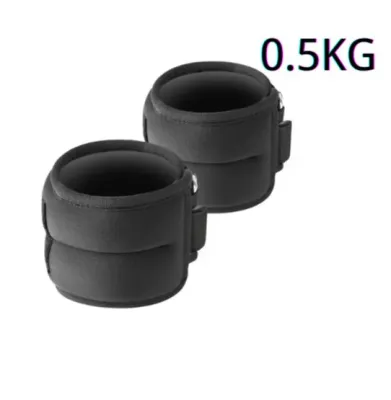
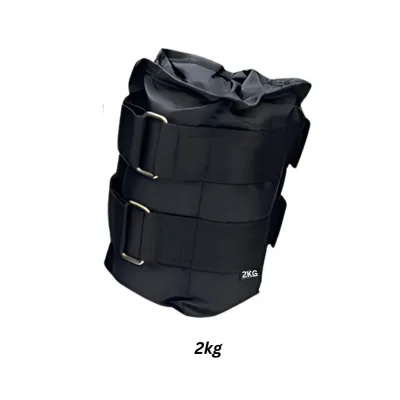
![SG【READY STOCK】Ankle Wrist Weights Wrist Band [1Pair/2LB] Silicone Wristbands Sports Exercise Gravity Belt Adjustable 负重手环](https://img.lazcdn.com/g/p/a40d1c05a40eb479f15514c5ede47b46.jpg_400x400q80.jpg_.webp)
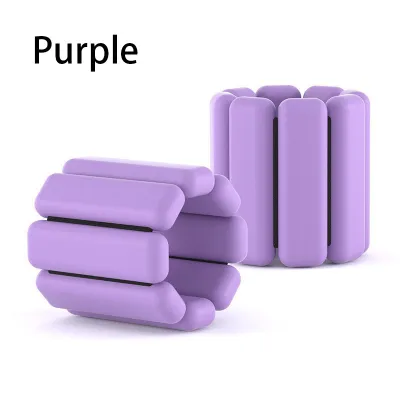
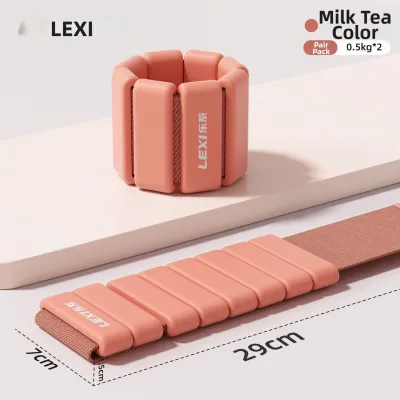
Prices are valid at publication and may change. Please refer to the product page for the latest price.

Adjustability vs. Fixed Weight
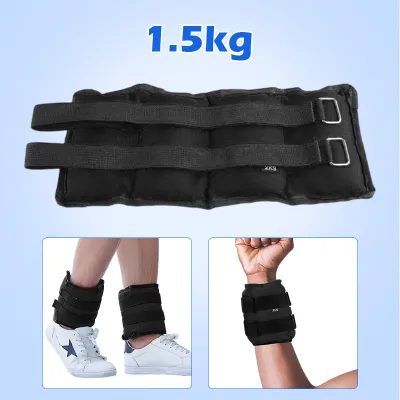
One of the first decisions you will face is choosing between adjustable and fixed-weight models. Adjustable wrist weights feature small pockets where you can add or remove weight inserts, typically ranging from 0.5 kg to 2 kg per wrist. This design is highly space-efficient because it allows you to progress in your strength training without needing to purchase and store multiple separate pairs of weights. However, these models tend to be bulkier due to the pocket design.
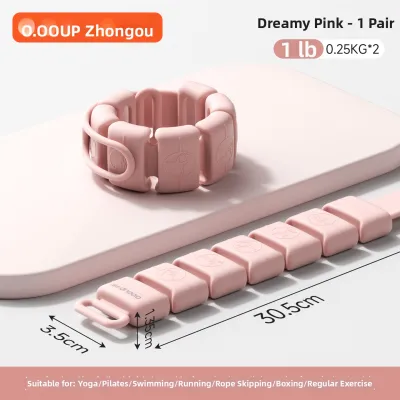
Fixed-weight models, often made of sleek silicone-coated steel bands, offer a much slimmer profile that feels like a heavy watch. While they are easier to move in and simpler to clean, you are locked into a single weight resistance, meaning you may eventually need to buy another pair as your fitness level improves.
Strap and Buckle Design
A secure fit is essential for home workouts where a slipping weight can lead to dropped gear or interrupted routines. Look for wide, high-quality hook-and-loop straps that distribute pressure evenly across your wrist. The fastening mechanism should remain secure even when subjected to sweat and rapid movements.
Materials play a significant role here; while traditional neoprene is soft and comfortable, it can absorb sweat and become heavy over time. Silicone-wrapped bands are increasingly popular because they do not absorb moisture, are highly slip-resistant, and can be wiped clean in seconds.
Profile and Shape
In a tight living room or bedroom, your physical movement path is naturally restricted. Bulky, sand-filled weights can alter your natural arm swing, causing you to flare your elbows or adjust your posture unnaturally to avoid chafing against your hips.
Prioritise contoured, slim-profile designs that hug your wrist closely. A low-profile weight ensures that your arms can move freely and naturally, reducing the risk of accidentally clipping your own body or nearby furniture during fast-paced exercises.
How to Use Wrist Weights Safely in a Compact HDB Layout
Exercising in a restricted footprint requires a heightened sense of spatial awareness to protect both yourself and your home environment.
Range of Motion Adjustments
Many traditional upper-body exercises require wide, sweeping arm movements. In a compact room, you must modify these paths to fit your available space. For instance, instead of performing wide lateral raises, consider bent-arm lateral raises or front raises, which keep the levers closer to your body.
If you incorporate wrist weights into shadowboxing or cardio dance routines, keep your punches and arm swings controlled and compact. This modification not only prevents you from striking nearby walls, TV consoles, or dining tables but also helps you maintain better control over the added resistance.
Clearance Checks
Before you begin any workout session, establish a quick clearance check routine. Stand in the centre of your designated workout space and extend your arms fully to the sides, front, and overhead.
Look up and verify your distance from ceiling fans, low-hanging light fixtures, open cabinet doors, and wall-mounted shelves. In Singapore, where ceiling fans are common in HDB living rooms, ensuring your hands remain well below the fan blades during overhead movements is a critical safety step. If space is exceptionally tight, consider performing overhead exercises from a seated or kneeling position to increase your vertical clearance.
Joint Stress Management
Adding weight to your wrists increases the leverage and torque placed on your elbow and shoulder joints. Because the weight is positioned at the very end of your arm, even a small increase in mass can significantly amplify the joint stress during rapid movements.
To manage this risk, always start with the lightest possible weight to assess how your joints tolerate the load. Focus on slow, deliberate movements rather than explosive, swinging motions. If you experience any sharp pain, clicking, or lingering discomfort in your elbows or shoulders, remove the weights immediately and transition to bodyweight movements.
Storing and Maintaining Your Gear in a Humid Climate
Singapore’s tropical climate presents unique challenges for fitness gear maintenance. High humidity can quickly lead to mould, mildew, and unpleasant odours if your equipment is not cared for properly.
Vertical and Hidden Storage
To keep your flat free of clutter, avoid leaving your workout gear on the floor. Utilise vertical storage solutions, such as hanging your wrist weights on over-door hooks or pegboards.
Alternatively, store them in shallow, breathable plastic bins that slide easily under a bed or sofa. Keeping your gear off the floor not only maintains a tidy living space but also prevents tripping hazards in high-traffic walkways.
Moisture and Odor Control
Sweat accumulation combined with high humidity is a recipe for bacterial growth. If you use silicone-coated wrist weights, wipe them down with a damp cloth and mild soap after every workout, then dry them with a towel.
For fabric or neoprene weights, air-drying is crucial. Never toss damp weights directly into a closed drawer or storage bin. Instead, hang them in a well-ventilated area, such as near a window or service yard, to dry completely. Periodically hand wash fabric straps to prevent deep-seated odours from developing.
Routine Inspection
Make it a habit to inspect your wrist weights regularly. Check the stitching along the seams to ensure no internal sand or metal beads are leaking out.
Examine the hook-and-loop fasteners for lint buildup, which can severely reduce their gripping strength. If the straps no longer hold securely, replace the weights to prevent them from flying off mid-exercise and causing injury or damaging fragile household items like television screens or glass coffee tables.
Compact Alternatives When Wrist Weights Are Not Suitable
If you find that wrist weights cause joint discomfort or do not suit your specific training style, several space-saving alternatives can provide excellent resistance.
Resistance Bands
Resistance bands are arguably the most space-efficient fitness tool available. They are incredibly lightweight, offer variable tension based on how much they are stretched, and can be rolled up to fit into a small pouch. Bands allow you to perform a wide variety of upper and lower-body exercises without placing constant, gravity-dependent stress on your joints.
Weighted Vests
For those looking to increase the intensity of cardio or bodyweight workouts without straining their arm joints, a weighted vest is an excellent option. By distributing the load evenly across your torso, a vest keeps your center of gravity stable and frees up your arms. Look for low-profile, adjustable vests that can be worn flat against your body and stored easily on a standard clothes hanger in your wardrobe.
Household Items
If you are testing the waters of weighted workouts or waiting for new gear to arrive, simple household items can serve as temporary resistance. Securely gripped water bottles filled with water or sand, or standard canned goods, can provide a light, cost-free alternative. While they lack the hands-free convenience of wrist weights, they allow you to gauge your comfort level with added resistance before committing to a purchase.
Frequently Asked Questions (FAQ)
Can I wear wrist weights all day around the house?
Wearing wrist weights during daily household chores might seem like an easy way to burn extra calories, but it is generally not recommended. Prolonged, passive wear can lead to muscle imbalances, joint fatigue, and postural compensation. Because your body naturally adjusts its gait and posture to accommodate the constant downward pull on your limbs, you risk straining your neck, shoulders, and lower back. It is far safer and more effective to use wrist weights during structured, active workout sessions where you can consciously focus on maintaining proper form and alignment.
Do wrist weights damage joints during home cardio?
Wrist weights do not inherently damage joints, but they can increase the risk of injury if used incorrectly during high-velocity cardio movements. Repetitive swinging, punching, or jumping with added weight at your extremities places significant centrifugal force and torque on your elbows and shoulders. To protect your joints, keep your cardio movements controlled and avoid sudden, jerky transitions. Limit the weight for cardio-heavy routines, and prioritize maintaining a slight bend in your elbows to absorb the impact rather than locking your joints.
Community discussion
Share your experience or ask a question. Comments are reviewed before publication.