
Finding the right yoga block in Singapore depends heavily on your practice style, experience level, and how you handle the local tropical humidity. If you frequently attend hot yoga classes or sweat heavily, a natural cork yoga block is your best option because cork becomes grippier when wet. For practitioners who commute via the MRT or bus to studios in the Central Business District, a lightweight, high-density EVA foam block offers the best balance of portability and structural support. Beginners or casual home practitioners will find excellent value in budget-friendly foam blocks from major sports retailers, which allow you to build a versatile prop collection without a significant upfront investment.
While premium brands offer superior longevity, density, and slip resistance, the ideal block for your practice is one that matches your specific anatomical needs. A block should act as an extension of your body, bringing the floor closer to you to maintain safe alignment. Whether you need a block for gentle joint support in restorative poses or a rock-solid foundation for advanced arm balances, understanding how different brands construct their props will help you make an informed purchase.
Core Comparison Dimensions: Material, Density, and Design
Before choosing a specific brand, you must understand the physical characteristics of yoga blocks. The material, density, and edge design directly affect how a block performs under pressure and how long it will last in Singapore’s humid climate.
Products mentioned in this guide
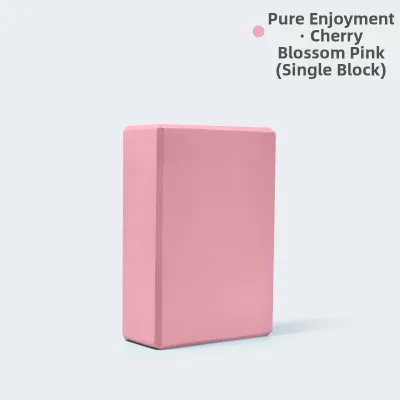
![[✅Sg Ready Stock] Yoga Block Brick RectangularHigh Density 200gram](https://img.lazcdn.com/g/p/c37c451a612d50ff7a0349e72a1d8116.jpg_400x400q80.jpg_.webp)
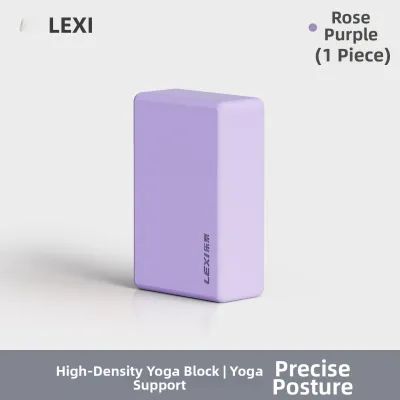
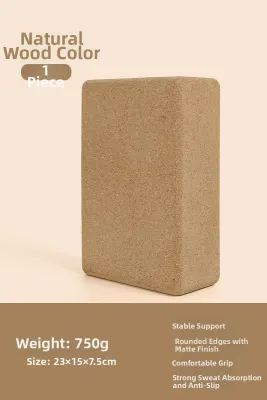
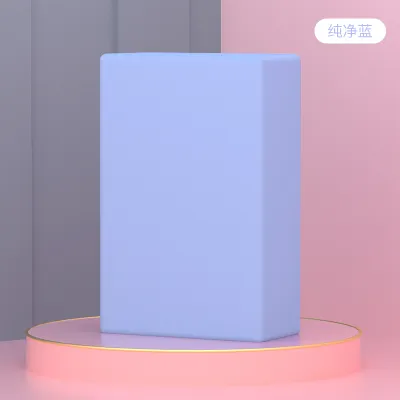
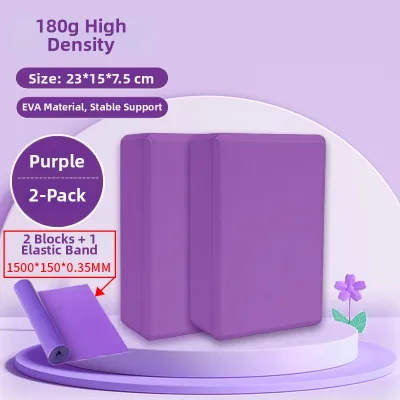
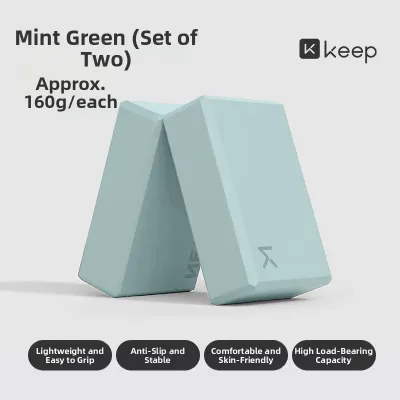
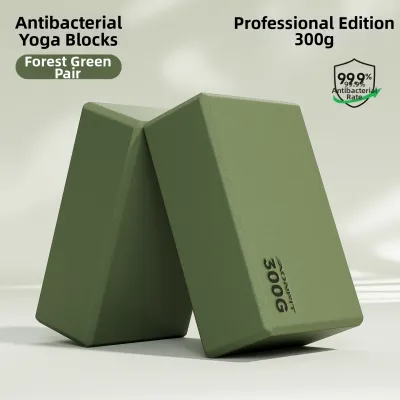
Prices are valid at publication and may change. Please refer to the product page for the latest price.
Material Differences
Yoga blocks are primarily made from three materials, each offering distinct tactile and functional properties:
- EVA Foam: Ethylene-vinyl acetate (EVA) foam blocks are lightweight, soft to the touch, and provide a comfortable cushion for sensitive joints. They are highly portable and easy to pack in a gym bag. However, cheap or low-density foam blocks can compress too easily under body weight, leading to instability during balancing poses.
- Natural Cork: Cork blocks are heavier, firmer, and highly durable. They offer a grounded, secure feel that is ideal for weight-bearing poses. Cork is naturally antimicrobial and moisture-absorbing, which prevents the block from becoming slippery when your hands sweat. Over years of heavy use, the corners of cork blocks may crumble slightly, but the core structure remains intact.
- Wood or Bamboo: These are the firmest and heaviest blocks available. They provide absolute stability and do not compress at all. Wood blocks are exceptionally durable and easy to sanitize, making them a favorite for precise alignment styles like Iyengar yoga. The primary trade-off is comfort; wood blocks have no give and can feel uncomfortable against bony areas like the sacrum or spine.
Density and Firmness
Density is the most critical safety factor when using a block for balance. High-density foam blocks are engineered to resist compression, ensuring that your wrist remains at a safe, stable angle during poses like Half Moon (Ardha Chandrasana). Low-density foam blocks tend to squish or tilt when you lean your weight onto them, which can strain your wrists or cause you to lose balance. For restorative practices, however, a softer, lower-density foam block is often preferred because it provides gentle cushioning under the pelvis or back.
Dimensions and Edge Design
The standard size for a yoga block is approximately 4 by 6 by 9 inches (about 10 by 15 by 23 centimeters). Some brands offer slimmer 3-inch versions, which are easier for those with smaller hands to grip but offer less height and a smaller base of support. Conversely, wider 4-inch blocks provide greater stability for larger body types or individuals with tight hamstrings who need extra height to keep their spine straight.
Pay close attention to the edges of the block. High-quality blocks feature deeply beveled or rounded edges. This design detail prevents the block from digging into your palms, wrists, or back, distributing your body weight more evenly across the surface and reducing discomfort during prolonged holds.
Durability and Maintenance in Humid Climates
Singapore’s high humidity levels can affect how yoga props age. Low-quality foam blocks can absorb body oils and sweat, leading to persistent odors and a slick surface that is difficult to clean. Cork blocks resist odor naturally due to cork’s closed-cell structure, but they must be allowed to air dry completely after sweaty sessions to prevent mold growth. Wood blocks are the easiest to maintain in humid weather, requiring only a quick wipe down, though they should not be left in direct sunlight or damp bags to avoid warping.
Top Yoga Block Brands in Singapore Compared by Tier
To help you find the right balance between performance and budget, we have categorized the reputable yoga block brands available in Singapore into three distinct tiers.

Premium Brands for Dedicated Practitioners
If you practice daily, teach yoga, or regularly perform advanced weight-bearing poses, investing in a premium block ensures maximum safety and durability.
- Manduka: Manduka is widely regarded as an industry standard for high-performance yoga gear. Their Manduka Cork Yoga Block is exceptionally dense, heavy, and solid, providing an unshakeable foundation for inversions. For those who prefer foam, the Manduka Recycled Foam Block is significantly denser and firmer than standard budget foam blocks, offering a secure grip and excellent resistance to compression. The trade-off is weight; the cork block is heavy to carry around, making it better suited for home use or dedicated studio storage.
- Lululemon: Known for thoughtful design, Lululemon offers the Lift & Lengthen Yoga Block. Made from high-density EVA foam, this block features a unique textured finish that enhances grip even when your hands are damp. It also has contoured, ergonomic edges that fit comfortably in the hand. It is highly durable and retains its shape well over time, though it comes at a premium price point.
- JadeYoga: Famous for their natural rubber mats, JadeYoga also produces high-quality Jade Cork Yoga Blocks. Crafted from sustainably harvested cork, these blocks offer a slightly softer, more textured feel than Manduka's cork blocks while maintaining excellent stability. They are highly slip-resistant and perfect for hot yoga practitioners who want an eco-friendly, high-performance prop.
Mid-Range and Eco-Focused Options
These brands offer a great balance of performance, sustainable materials, and moderate pricing, making them ideal for intermediate practitioners.
- Alo Yoga: Alo Yoga's high-density foam blocks feature a sleek, minimalist aesthetic with clean lines and subtle branding. They are incredibly firm for foam blocks, offering a premium feel that rivals cork but at a fraction of the weight. They are highly durable and easy to clean, making them a popular choice for home studios.
- Gaiam: Gaiam is a highly accessible mid-range brand that offers both foam and cork options. Their blocks are reliable, lightweight, and come in a variety of colors and patterns. While their foam blocks are slightly softer than those of premium brands, they offer excellent value and sufficient support for intermediate Hatha and Vinyasa practices.
Budget-Friendly Picks for Beginners
If you are new to yoga or building your first home setup, these budget-friendly brands allow you to purchase multiple blocks without a large financial commitment.
- Decathlon (Domyos): Decathlon is the ultimate destination for budget-friendly sports gear in Singapore. Their basic Domyos Foam Yoga Block is incredibly affordable and lightweight, making it perfect for beginners who need a soft prop for restorative poses or gentle stretching. Because they are so light, they are highly portable for commuting. However, they are relatively soft and can wobble or compress under heavy vertical pressure.
- Local Sports and Department Store Brands: Many local retailers in Singapore offer generic EVA foam blocks. These are highly economical and perfectly adequate for basic modifications, such as raising the floor in a seated forward fold. If you choose this route, opt for the thickest option available to maximize stability.
Specification Matrix: What to Check Before You Buy
When shopping for a yoga block, look beyond the brand name and verify the physical specifications on the product label or online listing. Use the matrix below to match material properties to your practice style.
| Material Type | Relative Weight | Firmness Level | Grip (Dry vs. Sweaty) | Ideal Practice Style | Verify on Label |
|---|---|---|---|---|---|
| Standard EVA Foam | Very Lightweight | Soft to Medium | Moderate / Slippery when wet | Restorative, Yin Yoga, Beginners | Check dimensions (aim for 4-inch width for better stability) |
| High-Density EVA Foam | Lightweight | Medium to Firm | Good / Moderate when wet | Vinyasa, Hatha, General alignment | Look for "high-density" or "closed-cell" specifications |
| Natural Cork | Moderate to Heavy | Very Firm | Excellent / Improves when wet | Power Yoga, Ashtanga, Hot Yoga | Verify 100% natural cork; check for rounded/beveled edges |
| Wood or Bamboo | Heavy | Extremely Firm | Good / Slippery if highly polished | Iyengar, precise alignment, therapy | Check weight specs; ensure the surface has a non-slip finish |
Buying Guide: Where to Shop and What to Avoid
To ensure you receive an authentic, high-quality product, purchase your yoga blocks through reliable retail channels in Singapore.
Reliable Purchasing Channels
- Official Brand Stores: Purchasing directly from flagship physical stores (such as Lululemon in Orchard or CBD locations) or official brand websites ensures product authenticity and full access to customer support and return policies.
- Authorized Physical Sports Retailers: Visiting multi-brand sports stores or specialized fitness boutiques allows you to physically test the firmness and weight of different blocks before buying.
- Established Department Stores: Major department stores in Singapore often carry reputable yoga brands in their fitness sections, offering a reliable shopping environment.
Online Shopping and What to Avoid
If you prefer shopping on online marketplaces or ecommerce platforms, buy exclusively from official brand flagship stores or highly rated, verified sellers. Be cautious of third-party listings offering premium brands at suspiciously low prices, as counterfeit blocks are common.
Watch out for these red flags when evaluating a yoga block in person or reading online reviews:
- Strong Chemical Odor: A harsh, synthetic chemical smell indicates the use of low-grade, potentially toxic plastics or adhesives that have not undergone safety testing.
- Uneven Edges or Poor Finishing: Rough, sharp, or uneven edges indicate poor manufacturing quality and can cause discomfort or scratching during use.
- Excessive Softness: If you can easily compress the block by squeezing it with your hand, it will not provide adequate support or safety during balancing poses.
- Missing Brand Markings: Authentic premium blocks always feature clean, embossed, or printed brand logos. Missing or blurry markings are a strong indicator of a counterfeit product.
Always review the retailer’s return policy. Because physical proportions and hand sizes vary, you may need to exchange a block if the thickness or firmness does not feel comfortable during your initial home practice.
Frequently Asked Questions (FAQ)
Do I need one or two yoga blocks for my practice?
While you can perform many basic modifications with a single block, having two blocks is highly recommended for a complete and balanced practice. Two blocks allow for symmetry in poses where both hands need support, such as Half Split (Ardha Hanumanasana) or Camel Pose (Ustrasana). They are also essential for restorative chest openers, where one block supports your upper back and the second supports your head. Purchasing a matching pair from the start ensures consistent height and stability across both sides of your body.
Can I use a firm cork yoga block if I have sensitive wrists?
Yes, you can safely use a cork block even if you have sensitive wrists, provided you use correct alignment. Cork blocks offer superior stability, which actually prevents your wrists from collapsing or wobbling. If the firm surface feels too hard against your palms, you can place a folded yoga towel or a thin gel pad over the top of the block to add cushion. If you experience sharp pain, stop the pose immediately, check that your weight is distributed evenly across your knuckles rather than dumping into the heel of your hand, and consult a qualified instructor.
How do I safely clean and maintain my yoga blocks?
To clean EVA foam blocks, wipe them down with a soft cloth dampened with warm water and a few drops of mild dish soap, then rinse with a damp cloth and air dry completely. For cork blocks, use a damp cloth with water only, as soap can degrade the natural material; cork’s natural antimicrobial properties will keep it hygienic. Never submerge foam, cork, or wood blocks in water, and never place them in a washing machine or dryer. Always allow your blocks to air dry in a well-ventilated space away from direct sunlight, which can warp wood or cause cork and foam to degrade.
Community discussion
Share your experience or ask a question. Comments are reviewed before publication.