
Finding the right yoga block set in Singapore can transform your practice, whether you are a beginner working on basic flexibility or an advanced yogi mastering complex arm balances. Yoga blocks act as an extension of your body, bringing the floor closer to you to maintain proper alignment, prevent strain, and deepen stretches. In Singapore’s active wellness scene, practitioners have access to a wide array of international and local brands, each offering distinct advantages in terms of material, durability, and grip.
While a single block can assist in simple seated postures, investing in a complete yoga block set—which typically includes two blocks and a matching alignment strap—provides the symmetry and versatility needed for a balanced, full-body practice. The ideal set for you depends on where you practice, your budget, and how the materials perform under Singapore’s warm, humid conditions. Selecting the wrong material or density can lead to slipping, joint discomfort, or unstable support during demanding poses.
To help you make an informed decision, this guide breaks down the essential features to evaluate when shopping for a set, reviews the most reliable brands available in Singapore, and outlines key verification steps to ensure you get the best value for your investment.
Products mentioned in this guide
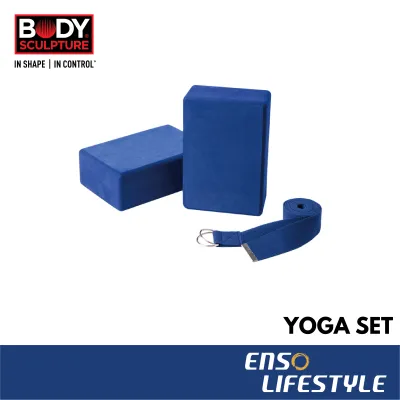
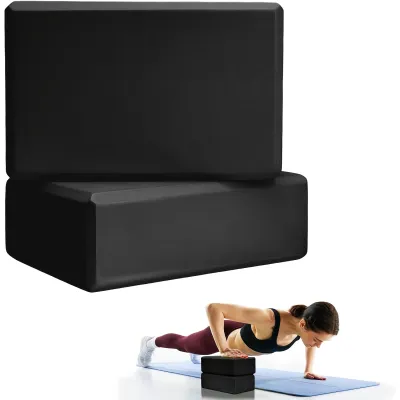
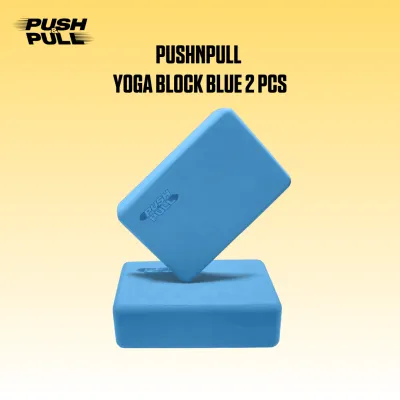
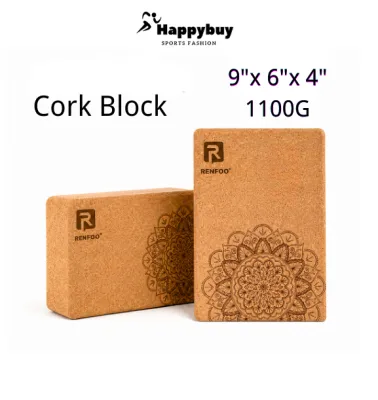
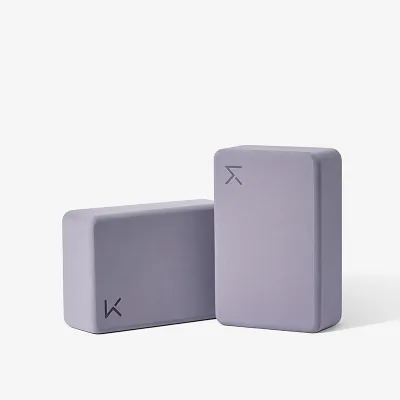
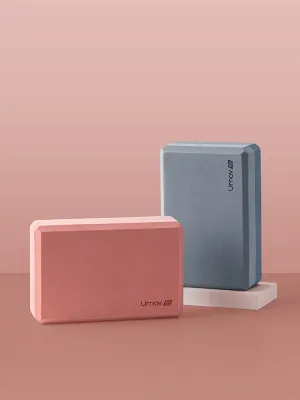
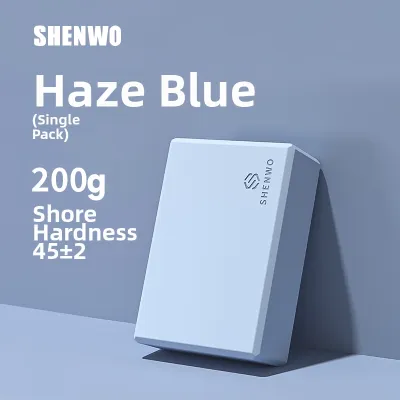
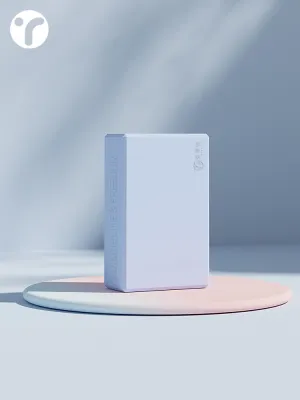
Prices are valid at publication and may change. Please refer to the product page for the latest price.
Key Features to Evaluate When Choosing a Yoga Block Set
Material Differences
Yoga blocks are primarily manufactured from three materials: ethylene-vinyl acetate (EVA) foam, natural cork, or wood. Each material offers a unique tactile experience, weight profile, and level of support.
EVA foam blocks are the most common, lightweight, and budget-friendly options. They provide a cushioned, forgiving surface that is highly comfortable under sensitive joints, such as the knees, elbows, or sacrum during restorative poses. However, lower-quality or low-density foam blocks can compress or wobble under heavy weight-bearing poses, which compromises your stability. Additionally, in Singapore’s humid climate, cheap foam can sometimes absorb sweat and odors if not cleaned regularly.
Cork blocks are harvested from the bark of cork oak trees, making them a highly sustainable and eco-friendly choice. They are significantly firmer and heavier than foam, providing solid, unyielding support that will not compress under full body weight. Cork has a natural, textured surface that offers an excellent grip. Crucially for local yogis, cork’s grip actually improves when slightly damp, making it highly effective for sweaty hot yoga sessions or humid outdoor practices. The trade-off is that cork is heavier to transport in a gear bag and can feel too hard for some restorative postures.
Wood blocks, typically crafted from bamboo, maple, or pine, are the most traditional and durable option. They are virtually indestructible, exceptionally stable, and very easy to wipe clean and sanitize. However, they offer zero cushioning, making them uncomfortable for direct joint contact unless padded with a towel. They are also the heaviest option, making them best suited for permanent home studios rather than daily commuting.
Set Inclusions
When purchasing a yoga block set, the package typically bundles two matching blocks with a stretching strap. This combination is highly functional because blocks and straps work in tandem to improve your alignment and reach.
While blocks bring the ground up to your hands, a stretching strap acts as an extension of your arms. It allows you to bind in poses like Cow Face (Gomukhasana) or maintain a straight spine in seated forward folds without overstraining your shoulders or lower back. When evaluating a set, pay attention to the strap’s material and buckle. Cotton straps are highly recommended because they are soft on the skin and provide a secure grip, whereas nylon straps can feel slippery and cause friction burns under tension. Look for solid metal D-ring buckles rather than plastic ones, as metal holds tension much more reliably under high physical load.
Size and Density
The standard dimension for a yoga block is 4 x 6 x 9 inches (approximately 10 x 15 x 23 cm). This size is highly versatile because it offers three distinct heights depending on how you orient the block, accommodating various flexibility levels and hand sizes. If you have smaller hands or a petite frame, you may want to look for slightly smaller “lean” blocks (typically 3 inches thick), which are easier to grasp firmly.
Block density is the key factor that determines the balance between joint comfort and structural safety. High-density blocks maintain their shape under heavy loads, ensuring your wrists remain at a safe, neutral angle during arm balances like Crow Pose (Bakasana). Low-density, overly soft blocks can deform under pressure, placing unwanted strain on your wrists and ankles. Always prioritize high-density foam or firm cork if you plan to use the blocks for weight-bearing support.
Edge Design
The finish of a block’s edges significantly affects how comfortable it is to hold and rest against. Most modern blocks feature beveled (rounded) edges, which provide a much more comfortable grip and prevent the corners from digging painfully into your back during supported chest openers or under your hips in supported bridge pose.
Straight-edged blocks are less common today but are still used in some traditional alignment practices. While they offer a fractionally larger flat surface area and can feel slightly more stable when stacked directly on top of one another, they are generally less ergonomic to hold and can feel harsh against the body during restorative sequences.
Reliable Yoga Block Set Brands to Consider in Singapore
When selecting a yoga block set in Singapore, it is important to focus on brands that prioritize material integrity, structural stability, and reliable performance in tropical conditions. The following established brands offer high-quality options across various price points and material preferences.

Manduka
Manduka is a premium, professional-grade brand highly favored by yoga instructors and dedicated practitioners worldwide. Known for its uncompromising focus on durability, the brand offers both high-density recycled EVA foam blocks and sustainable cork options.
Manduka’s Recycled Foam blocks are significantly denser than standard budget foam blocks, ensuring they do not bend or compress even during high-pressure arm balances. Their Cork Yoga Blocks are made from high-quality, sustainable cork, offering an exceptionally solid, grounded feel and a non-slip grip that performs beautifully in sweaty conditions. These blocks are built to withstand years of daily use without crumbling or losing their shape.
The primary limitation of Manduka sets is their premium price point, which represents a significant upfront investment. Additionally, their standard cork blocks are quite heavy, which may not be ideal if you frequently commute to studios via public transport.
Lululemon
Lululemon is a prominent lifestyle and athletic apparel brand that successfully combines high-performance engineering with sleek, modern aesthetics. Their yoga blocks are designed to look as good as they perform, making them a popular choice for home studios and style-conscious practitioners.
Lululemon’s blocks are typically made from lightweight, high-density EVA foam and often feature unique marbled colorways and contoured, ergonomic shapes. The textured surface provides an excellent tactile grip that resists absorbing moisture, making them highly hygienic and easy to wipe clean after a vigorous vinyasa class. The contoured edges are specifically designed to fit naturally into the palm of your hand.
On the downside, Lululemon products carry a premium price tag. Furthermore, because of the brand’s high popularity in Singapore, specific colorways and matching block-and-strap sets can experience frequent stock fluctuations both online and in physical retail stores.
Gaiam
Gaiam is a globally recognized wellness brand that focuses on making yoga accessible to everyone. They specialize in user-friendly, budget-friendly gear, making them an excellent choice for beginners and casual practitioners.
Gaiam frequently offers complete starter sets that bundle two lightweight foam blocks with a matching cotton strap. These foam blocks are exceptionally light, making them incredibly easy to pack and carry in a tote bag. They come in a wide variety of colors and printed patterns, allowing you to personalize your practice space. The bundled cotton straps are highly durable, soft on the hands, and feature secure metal cinch buckles.
Because Gaiam’s foam is slightly softer than that of premium brands like Manduka, these blocks may compress slightly under very heavy weight-bearing poses. Over time, intensive daily use can lead to minor wear, such as fingernail indentations or surface scuffs.
Decathlon (Domyos)
Decathlon, operating its yoga line under the Domyos brand, is Singapore’s go-to retailer for highly accessible, value-driven sporting goods. With several massive experience stores located across the island, Decathlon makes it easy for local shoppers to access affordable fitness gear.
Decathlon offers both lightweight foam blocks and natural cork blocks at highly competitive prices. Their foam blocks are functional, lightweight, and perfect for beginners who want to try yoga without a large financial commitment. Their cork blocks offer a surprisingly firm and stable support system at a fraction of the cost of premium brands. Buying from Decathlon also allows you to visit a physical store to test the weight and feel of the materials in person.
While highly functional, Decathlon’s designs are generally basic and utilitarian, with fewer aesthetic choices or color variations. The foam blocks are also slightly lower in density compared to premium alternatives, meaning they are best suited for restorative work rather than advanced, high-weight balancing.
Jade Yoga
Jade Yoga is a highly respected, eco-conscious brand famous for its natural rubber yoga mats. The brand extends its commitment to environmental sustainability to its yoga props, offering premium blocks made from natural, renewable cork.
Jade Yoga’s cork blocks are crafted from sustainably harvested cork bark, making them completely biodegradable and free of toxic chemicals or foaming agents. They provide an incredibly solid, stable, and non-slip surface that is highly reliable for alignment work. For every product purchased, Jade Yoga partners with environmental organizations to plant a tree, which strongly appeals to environmentally conscious consumers in Singapore.
Because they are made of dense, natural cork, these blocks are heavy and less convenient for travel. They also require specific care; they cannot be submerged in water or cleaned with harsh chemical sprays, as this can cause the natural cork to dry out and crumble over time.
Where to Shop and What to Verify Before Buying
Official Brand Websites and Authorized Retailers
To guarantee you are receiving a genuine product with full warranty coverage, purchasing directly from official brand websites or local authorized physical retailers is highly recommended. Flagship stores in major shopping districts like Orchard Road or official online brand boutiques ensure you get authentic materials that meet strict safety and environmental standards.
Physical Sporting Goods Stores
If you are undecided on materials, visiting a physical sporting goods store or experience center (such as Decathlon’s major outlets in Kallang, Orchard, or Bedok) is highly beneficial. This allows you to perform a hands-on test of the blocks before buying. You can squeeze the foam blocks to check their density—if the foam compresses easily under light hand pressure, it will not provide sufficient stability for standing balances. You can also feel the texture of cork blocks to ensure they feel comfortable against your skin.
Reputable E-Commerce Platforms
When shopping on online marketplaces, exercise caution to avoid low-quality counterfeit products. Stick to official digital storefronts or verified mall sellers. Always read customer reviews specifically looking for feedback on material durability, chemical odors, and shipping packaging. Be wary of unbranded, generic yoga block sets sold at suspiciously low prices, as these often use low-density industrial foam that degrades rapidly and lacks the structural integrity required for safe practice.
Pre-Purchase Verification Checklist
Before finalizing your purchase, verify the following details to ensure you get the exact configuration you need:
- Bundle Contents: Read the product description carefully. Some online listings display two blocks and a strap in the main image but only sell a single block per purchase. Ensure the listing explicitly states it is a "set" containing two blocks and a strap.
- Strap Specifications: Check the length of the included strap. A standard 6-foot (1.8-meter) strap works well for most practitioners, but if you are taller or have highly limited flexibility, you may want to look for a set that includes an 8-foot (2.4-meter) or 10-foot (3-meter) strap.
- Strap Buckle Material: Verify that the strap features a metal D-ring or metal cinch buckle rather than a plastic quick-release buckle, as plastic can slip or break under heavy tension.
- Shipping Weight and Fees: Cork and wood blocks are significantly heavier than foam. If you are ordering online, check the shipping fees, as heavier packages can sometimes incur higher delivery charges within Singapore.
Frequently Asked Questions (FAQ)
Do I need one or two yoga blocks in a set?
While a single block can assist with basic seated stretches or act as a supportive prop under your sacrum in supported bridge pose, having a set of two blocks is highly recommended for a complete and balanced practice. Two blocks are essential for maintaining physical symmetry in poses where both hands must reach the floor simultaneously, such as Triangle Pose (Trikonasana), Half Moon Pose (Ardha Chandrasana), or Pyramid Pose (Parsvottanasana). Utilizing two blocks also allows you to support both knees evenly in bound angle pose (Baddha Konasana), preventing uneven joint strain and allowing your hips to open safely.
Can I use a yoga block set for Pilates or physical therapy?
Yes, a high-quality yoga block set is a highly versatile tool that can be effectively integrated into Pilates, core conditioning, and physical therapy rehabilitation programs. In physical therapy, blocks are frequently used to elevate limbs, support the spine during corrective exercises, or act as a spacer between the knees to engage the adductor muscles during bridges. For Pilates and physical therapy, firmer materials like high-density cork or wood are generally preferred over soft foam. This is because rehabilitation exercises require a highly stable, unyielding foundation that will not compress or shift under your body weight, ensuring precise alignment and movement control.
Community discussion
Share your experience or ask a question. Comments are reviewed before publication.