
Selecting the right yoga chair in Singapore depends entirely on whether your goals lean toward static flexibility or dynamic core resistance. Because the term “yoga chair” is often used interchangeably with Pilates resistance chairs in local fitness circles, understanding the structural and functional differences between these tools is your crucial first step. Making the wrong choice can lead to significant financial waste or, worse, safety hazards during home practice.
Clarifying the Equipment: Yoga Prop Chair vs. Pilates Wunda Chair
To make an informed purchase, you must first distinguish between a traditional yoga prop chair and a Pilates Wunda chair. While both are excellent tools for physical conditioning, they serve entirely different movement philosophies and require distinct physical setups.
The Yoga Prop Chair
A yoga prop chair is a modified, backless metal or wooden chair designed primarily for static stretching, alignment support, and restorative poses. Originating from the Iyengar yoga tradition, this equipment allows practitioners to perform deep backbends, supported inversions, and seated twists safely. The open frame—specifically the absence of a front rungs or backrest—allows your body to pass through the structure during complex poses. It is highly portable, lightweight, and relies entirely on your body weight and gravity for resistance.
Products mentioned in this guide
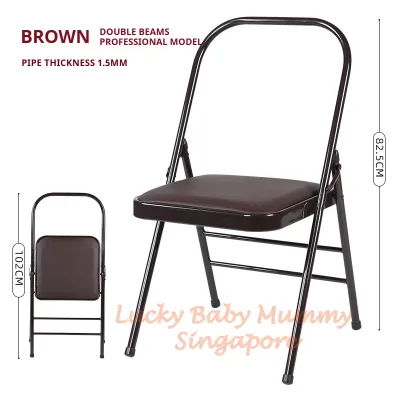
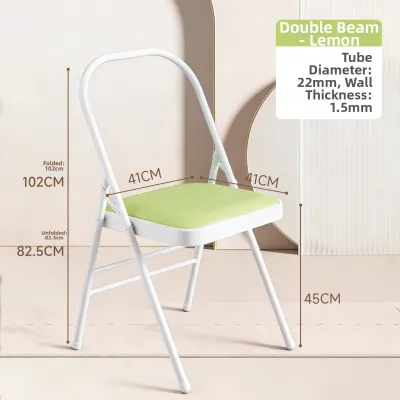
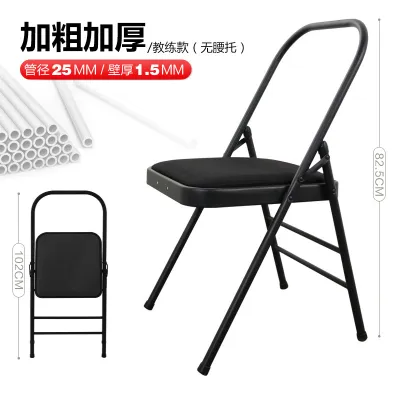
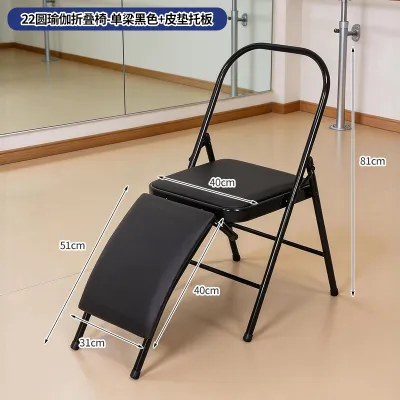
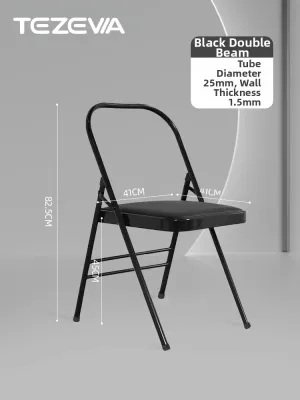
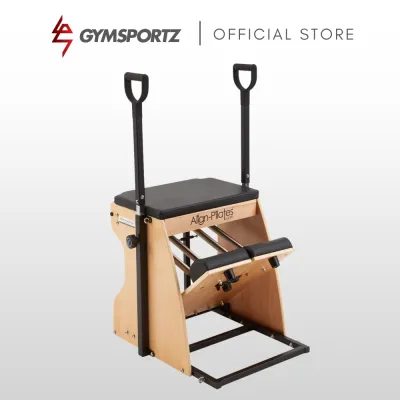
Prices are valid at publication and may change. Please refer to the product page for the latest price.
The Pilates Wunda or Exo Chair
A Pilates Wunda chair (or its modern variation, the Exo chair) is a heavy-duty resistance apparatus featuring a seat, a split or single foot pedal, and a system of adjustable steel springs. This equipment is designed for dynamic strength training, core conditioning, and balance work. By pushing against the spring-loaded pedal, you engage specific muscle groups across your entire body. It is a complex piece of engineering that remains stationary and occupies a permanent or semi-permanent spot in your workout space.
Aligning Equipment with Your Workout Style
If your primary fitness goal is to improve flexibility, master Iyengar alignment, or perform passive spinal extensions, a dedicated yoga prop chair is the correct choice. However, if you want to build core strength, improve muscular endurance, and engage in low-impact resistance training, you should invest in a Pilates chair. Before browsing brand catalogs, verify the exact category of the product to ensure you do not accidentally purchase a complex resistance machine when you require a simple alignment prop.
Key Safety and Quality Features of a Yoga Chair for Beginners
When practicing at home without the immediate supervision of a certified instructor, your equipment’s safety features become your primary line of defense against injury. Evaluating specific engineering and material standards will help you select a reliable model.

Stability and Base Design
Singaporean residential properties commonly feature smooth flooring materials such as polished marble, porcelain tiles, or luxury vinyl tiles (LVT). These surfaces can become highly slippery under lateral forces. For a yoga prop chair, look for a reinforced double-hinge design and heavy-duty, non-marking rubber feet that grip the floor securely. For a Pilates resistance chair, the base must be wide and weighted to prevent tipping during standing or single-leg exercises. Verify that the unit’s net weight is sufficient to remain anchored during dynamic movements.
Resistance Mechanism for Pilates Chairs
If you choose a Pilates chair, the spring system is the most critical safety component. Beginners should seek out brands that offer multi-hook systems or visual tension markers, which allow you to adjust resistance levels clearly and predictably. High-quality springs are made of premium music wire or high-tensile steel to prevent sudden metal fatigue. Ensure the spring attachment points feature secure, locking carabiners rather than simple open hooks, minimizing the risk of a spring detaching under full tension.
Build Quality and Materials under Tropical Conditions
Singapore’s tropical climate, characterized by high humidity levels often exceeding 80 percent, poses a distinct challenge to fitness equipment. Metal components must feature rust-resistant powder coating or consist of stainless steel to prevent corrosion from sweat and atmospheric moisture. Wooden frames, typically crafted from birch or maple, must be treated with non-toxic, moisture-resistant sealants. For the upholstery, prioritize high-density foam covered in medical-grade, non-porous vinyl or leatherette. These materials are easy to sanitize and resist the mold, mildew, and odors common to humid environments.
Footprint and Storage Considerations
Given the compact layout of many Singaporean homes, physical dimensions are a major deciding factor. If space is limited, look for yoga prop chairs that fold completely flat for storage in closets or behind doors. For Pilates chairs, seek out compact designs with removable handles or nesting pedals. Some modern home-use models feature built-in wheels, allowing you to roll the heavy apparatus out of the way when your workout is complete.
Evaluating Brand Reliability and Local Support in Singapore
Buying heavy fitness equipment involves significant logistics. Assessing how a brand operates within the Singapore market will save you from future maintenance headaches and delivery complications.
Local Distributors vs. Direct Import
While importing directly from overseas e-commerce platforms might seem cost-effective initially, it often introduces severe risks. Shipping heavy, bulky items internationally can result in structural damage, missing hardware, or misaligned frames. Purchasing from an authorized local distributor ensures that your product complies with local consumer safety standards. Furthermore, local dealers maintain a physical inventory of spare parts, such as replacement springs, pedals, and rubber feet, saving you from waiting weeks for overseas shipments.
Warranty Coverage Realities
Beginners should avoid brands that offer only a generic 14-day or 30-day return policy. A reliable brand warranty should explicitly cover the structural frame for at least two to five years, and moving parts—including springs, hinges, and alignment bars—for at least 12 months. Read the warranty terms carefully to confirm that home use is fully covered and that the local distributor handles the warranty claim process directly.
Shipping and Assembly Logistics
Pilates chairs are heavy, often weighing between 20kg and 45kg. Attempting to carry and assemble these units alone can lead to personal injury or improper setup, which compromises the machine’s safety. When purchasing, check if the retailer offers “white-glove” delivery. This service typically includes transporting the heavy crate directly into your designated room, unboxing, professional assembly, and the disposal of packaging materials. Professional assembly ensures that the split pedals are perfectly calibrated and the spring tension bars are securely aligned.
Customer Service Accessibility
Before finalizing your purchase, test the responsiveness of the brand’s local customer support. Send a quick inquiry regarding spare parts availability or assembly assistance via their website, email, or WhatsApp. A prompt, helpful response indicates that you will have reliable technical support if you ever need to troubleshoot a squeaking pedal or replace a worn spring in the future.
Navigating Brand Tiers: What to Expect at Different Price Points
Understanding the market landscape helps you align your budget with your physical requirements. Fitness brands offering yoga and Pilates chairs generally fall into three distinct tiers.
Premium Professional Brands
These brands manufacture studio-grade equipment designed for commercial wellness centers and dedicated home practitioners. Built with solid rock maple wood or heavy-duty steel frames, these chairs offer exceptional durability, precise spring calibration, and smooth mechanical transitions. While they represent a significant financial investment, they hold their resale value incredibly well in the local Singaporean market. They are best for beginners who are committed to a long-term home practice and want the exact feel of studio equipment.
Mid-Range Home Fitness Brands
Mid-Range brands focus specifically on the home consumer, offering a thoughtful balance of safety, durability, and space-saving design. These units often feature lighter steel frames or laminated birch plywood, making them easier to move around a residential flat. They typically include essential safety features like secure spring locks and comfortable padding without the commercial-grade price tag. This tier is highly recommended for most beginners seeking reliable quality at a moderate price point.
Entry-Level and Generic Market Options
These are budget-friendly alternatives found primarily on broad online marketplaces. While highly accessible, they require rigorous scrutiny before use. Many of these generic models use thinner metal tubing, basic utility springs, and lower-density foam padding that degrades quickly. If you choose an entry-level option, you must carefully verify the manufacturer’s maximum weight limit, inspect the weld quality, and ensure the locking pins are robust before attempting any exercises.
Brand Tier Comparison Matrix
To help you visualize the differences, the table below outlines what you can expect across these three market segments:
| Feature / Dimension | Premium Professional Brands | Mid-Range Home Brands | Entry-Level / Generic Options |
|---|---|---|---|
| Typical Frame Material | Solid Rock Maple or Heavy-Gauge Steel | Laminated Birch or Light Steel | Thin-Walled Steel Tubing |
| Resistance Adjustability | Multi-step hook or slider system with premium springs | Standard hook system with 2–4 spring options | Basic spring hooks, often non-adjustable |
| Space Requirements | Larger, stationary footprint; rarely foldable | Compact footprint; often features wheels or removable parts | Minimal footprint; sometimes fully foldable |
| Key Verification Point | Local distributor warranty and professional assembly | Spring safety mechanism and frame stability | Maximum weight capacity and weld integrity |
| Price Band (SGD) | S$1,500 to S$3,500+ | S$800 to S$1,500 | S$150 to S$500 |
Safe Setup and First-Use Guidelines for Home Practice
Proper installation and a disciplined safety routine are essential to prevent accidents, especially when starting a new home fitness regimen.
Placement and Floor Protection
Always position your chair on a flat, level surface. Do not place the equipment directly on bare tile or vinyl floors, as dynamic movements can cause the unit to shift. Instead, place a high-density, non-slip rubber or PVC equipment mat underneath. This mat protects your flooring from scratches, dampens mechanical noise, and provides an extra layer of traction to keep the chair perfectly stationary.
Pre-Session Safety Checklist
Develop the habit of performing a brief, 60-second inspection before every single workout session. This routine check is your primary defense against mechanical failure:
- Spring Connections: Verify that all spring carabiners or hooks are fully engaged and locked onto their designated attachment points.
- Pedal Alignment: Push the pedal down manually to ensure it moves smoothly without catching, rubbing, or making unusual squeaking noises.
- Locking Pins: If using a foldable model or removable handles, ensure all safety locking pins are pushed fully into their slots.
- Hardware Tightness: Quickly inspect the main frame joints to ensure no bolts have loosened from previous vibrations.
Progression, Form, and Stop Conditions
When starting out, always begin with basic, low-resistance movements to familiarize yourself with the equipment’s balance points. If you are using a yoga prop chair, focus on supported seated poses before attempting deep backbends. For Pilates chairs, master double-pedal movements with moderate spring tension before progressing to single-pedal or single-leg exercises.
Never attempt advanced inversions, standing balance poses, or high-tension exercises without direct instruction from a certified trainer. If you experience sudden joint pain, muscle strain, dizziness, or if you hear an unusual mechanical sound from the equipment, stop your exercise immediately and inspect the setup.
Frequently Asked Questions (FAQ)
Can I use a Pilates Wunda chair for traditional yoga poses?
A Pilates Wunda chair is not a suitable substitute for a traditional yoga prop chair in static Iyengar practice. While the flat seat of a Wunda chair can assist with basic seated stretches or balance support, its spring-loaded pedals, handles, and mechanical framework will obstruct your body during classic yoga postures like chair backbends or shoulder stand variations. If your primary goal is static alignment and restorative stretching, you should purchase a dedicated, backless metal yoga prop chair.
How much space do I need to store a yoga chair in an HDB flat?
For a standard folding metal yoga prop chair, the storage footprint is minimal, as it folds flat to a depth of about 5cm to 10cm and can be easily slid under a bed or placed inside a wardrobe. For a Pilates Wunda chair, you will typically need a dedicated floor space of approximately 75cm in length and 60cm in width for storage. When in use, ensure you have at least 1.5 meters of clear space around all sides of the chair to allow for full arm extensions, leg kicks, and safe mounting or dismounting without hitting walls or furniture.
Are foldable or portable yoga chairs safe for beginners?
Foldable yoga prop chairs from reputable fitness brands are highly safe for beginners, provided they feature reinforced steel frames and secure double-hinge locking systems. However, you must exercise caution when looking at ultra-cheap, unbranded foldable options on online marketplaces. These budget models often lack robust locking mechanisms, making them prone to unexpected folding under lateral pressure. Always verify the manufacturer’s rated weight capacity and ensure the locking pins are fully engaged before sitting or placing your weight on the frame.
Community discussion
Share your experience or ask a question. Comments are reviewed before publication.