
Finding the right yoga mat strap in Singapore requires balancing your daily commuting habits with the physical demands of your practice. Whether you are navigating a crowded MRT train during peak hours or flowing through a hot Vinyasa session in a humid shophouse studio, your strap must serve its purpose reliably. A high-quality strap not only helps you transport your mat effortlessly but also acts as an extension of your limbs, deepening stretches and improving alignment.
While many practitioners view a strap as a simple accessory, the right choice depends heavily on your flexibility, height, and how you plan to use it. In Singapore’s tropical climate, factors like sweat resistance, washability, and buckle durability become critical considerations. This guide breaks down how to evaluate these accessories, highlights reliable brands available locally, and outlines key physical features to inspect before making a purchase.
How to Evaluate a Yoga Mat Strap for Your Practice
Selecting a yoga mat strap requires looking beyond aesthetics to understand how the material, length, and buckle mechanism align with your body and practice style. Because a strap often serves a dual purpose—carrying your mat to the studio and assisting you in deep stretches—evaluating these technical aspects ensures you choose a tool that supports your progression safely.
Products mentioned in this guide
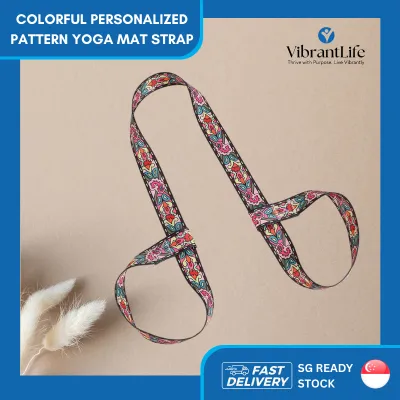
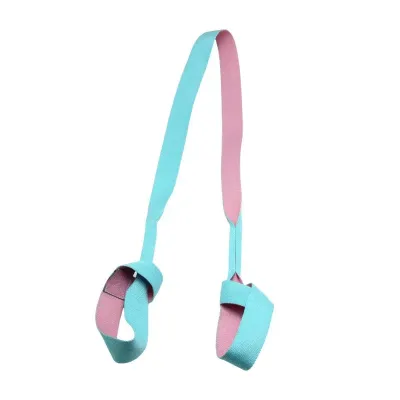
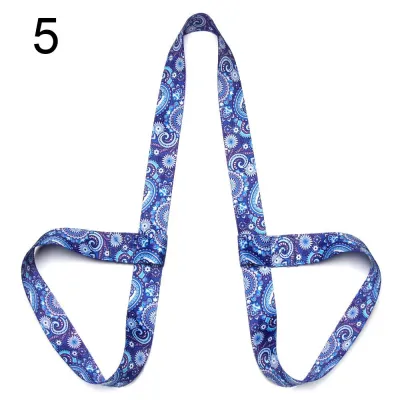
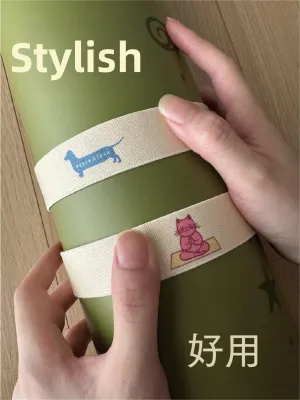
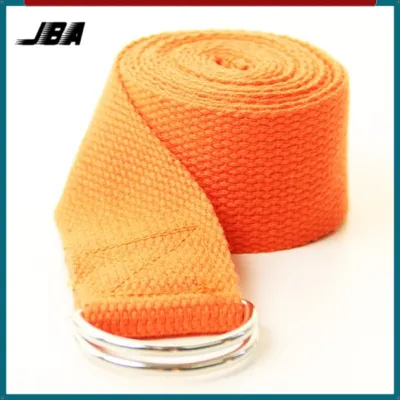
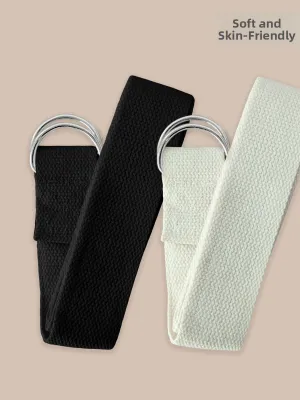
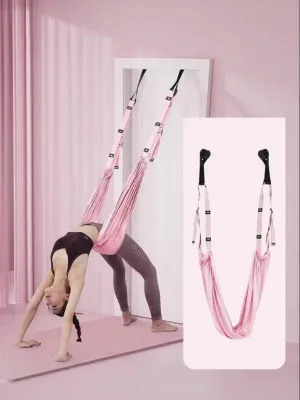
Prices are valid at publication and may change. Please refer to the product page for the latest price.
Material Choices: Cotton versus Synthetics
The material of your strap dictates its grip, comfort, and maintenance needs. In Singapore’s warm and humid environment, sweat is an inevitable part of any practice, making material selection a primary decision point.
- Cotton Webbing: Cotton is the traditional choice for yoga straps. It offers an excellent natural grip that actually improves as your hands get slightly damp. It is soft against the skin, reducing the risk of friction burns during deep binds or when pulling against resistance. Cotton is highly absorbent, meaning it will soak up sweat, but it requires regular washing to prevent odors.
- Nylon and Polyester: Synthetic straps are incredibly lightweight, highly durable, and resistant to moisture. They are easy to wipe clean after an outdoor session at the Singapore Botanic Gardens or East Coast Park. However, synthetics can become slippery when wet with sweat, which may compromise your grip during intense poses. They also tend to have rougher edges that can chafe the skin under heavy tension.
Length Considerations: Finding Your Fit
Using a strap that is too short limits your ability to perform certain poses comfortably, while a strap that is too long can leave you tangled in excess fabric.
- Standard Length (approx. 6 feet / 1.8 meters): This length is ideal for general stretching and alignment assistance for individuals under 1.75 meters tall. It provides enough slack for basic hamstring stretches and shoulder openers without leaving too much excess material to manage.
- Longer Options (8 to 10 feet / 2.4 to 3 meters): Taller practitioners or those with limited flexibility should opt for an 8-foot or 10-foot strap. These longer lengths are also necessary for complex binding poses, such as wrapping the strap around the torso and feet simultaneously, or for restorative practices where the strap must support the weight of the legs over a longer distance.
Buckle Mechanisms: Security versus Speed
The buckle determines how easily you can adjust the strap and how securely it holds under tension.
- D-Ring Buckles: Typically made of metal, D-rings are the traditional and most secure option. Threading the strap through two D-rings creates a lock that will not slip, even under maximum body weight. While they take a few seconds longer to adjust, they offer unmatched reliability for deep stretching.
- Cinch or Quick-Release Buckles: Often made of plastic or lightweight metal, these buckles allow for rapid adjustments with a single pull. They are highly convenient for fast-paced flow classes where you need to transition quickly between poses. However, plastic cinch buckles can slip under extreme tension and may degrade over time when exposed to UV light or frequent washing.
Matching the Strap to Your Practice Limits
Before using any strap for stretching, it is vital to recognize that equipment cannot replace proper training or physical judgment. A strap is designed to assist your natural range of motion, not to force your joints into positions they are not ready for. Always warm up thoroughly before using a strap, maintain active muscle engagement, and stop immediately if you experience sharp pain, joint pinching, or numbness.
Reliable Yoga Strap Brands Available in Singapore
Singapore’s wellness market offers a diverse range of brands catering to different budgets, practice frequencies, and lifestyle preferences. Understanding the positioning of these brands helps you narrow down your choices based on your specific needs.

Premium and Studio-Grade Brands
Premium brands focus on heavy-duty construction, longevity, and professional-grade performance. These are designed for practitioners who view yoga as a long-term commitment.
- Manduka: Renowned globally for its high-performance gear, Manduka offers straps like the AligN model, which are characterized by thick, unbleached cotton webbing and robust, heavy-duty metal buckles. The weave is exceptionally dense, providing a solid, non-slip grip that holds up under intense daily use.
- Jade Yoga: Known for its commitment to quality, Jade Yoga produces durable cotton straps with secure metal D-rings. Their straps offer a textured feel that provides excellent traction even during sweaty hot yoga sessions.
Target Audience: Dedicated daily practitioners, yoga instructors, and studio owners who require equipment that can withstand constant tension without stretching or fraying.
Limitations: These straps carry a higher price point, typically ranging from S$30 to S$50 or more. They are also heavier and bulkier than synthetic alternatives, making them less convenient if you commute long distances on public transport. Additionally, you must verify local authorized distributors or official brand websites to ensure authentic stock and clear warranty policies in Singapore.
Accessible and Everyday Practice Brands
For those starting their yoga journey or practicing occasionally, accessible brands offer reliable functionality without a significant financial investment.
- Gaiam: A household name in wellness, Gaiam offers a wide variety of affordable cotton and blended straps. They feature simple metal D-rings or plastic buckles and come in numerous colors and patterns.
- Decathlon (Kimjaly): Decathlon’s in-house yoga brand, Kimjaly, provides highly functional, budget-friendly straps. These are typically made of lightweight cotton-polyester blends or recycled polyester, featuring simple, lightweight buckles.
Target Audience: Beginners, casual practitioners, and those who need a secondary, lightweight strap specifically for travel or outdoor use.
Limitations: These budget-friendly options (often priced under S$15) may show signs of wear and tear faster under daily, high-tension use. Plastic buckles on entry-level models may not withstand extreme force as reliably as heavy-duty metal D-rings, and the fabric may feel slightly rougher against sensitive skin.
Eco-Friendly and Lifestyle-Focused Brands
These brands cater to practitioners who prioritize environmental sustainability, aesthetic design, and multi-functional versatility.
- Lululemon: Lululemon offers stylish, multi-functional straps that often double as mat carriers. They frequently utilize recycled polyester blends and feature sleek, modern buckle designs that are easy to adjust on the go.
- Local Boutique Yoga Labels: Singapore is home to several boutique wellness brands that curate eco-friendly yoga accessories. These brands often focus on organic cotton, natural non-toxic dyes, and unique artistic prints that reflect a modern lifestyle aesthetic.
Target Audience: Eco-conscious consumers, design-oriented practitioners, and those who value aesthetic coordination and multi-functional gear that transitions easily from the office to the studio.
Limitations: Lifestyle-focused straps carry a premium price tag, often ranging from S$25 to S$45. Furthermore, natural dyes and recycled fibers often require delicate care, such as hand-washing in cold water and avoiding direct sunlight during drying, to prevent fading and fiber degradation.
Physical Features to Inspect Before Purchasing
Whether you are shopping in a physical store in Orchard or browsing detailed product descriptions online, inspecting specific construction details is crucial. These tangible physical attributes are far more accurate indicators of a strap’s safety and lifespan than a brand logo.
Stitching Quality
The point where the fabric loops around the buckle experiences the highest amount of tension during practice. Inspect this area closely for bar-tack stitching, which is a series of dense, zigzag sewing patterns used to reinforce high-stress points. Avoid straps that only feature a single straight line of stitching, as these are prone to unraveling and snapping under sudden pressure, which could lead to a fall or muscle strain during a pose.
Buckle Edges
Run your fingers along the edges of the metal or plastic buckle. The edges must be completely smooth and rounded. Sharp or poorly finished buckle edges can:
- Scratch or gouge your yoga mat when bundled together.
- Snag and damage delicate activewear fabrics during transitions.
- Cut into your hands or feet when you are pulling against the strap during deep binds.
Webbing Edges
Examine the long edges of the strap fabric. The weave should be tight, uniform, and sealed. If you notice loose threads, a loose weave, or frayed edges right out of the box, the strap is highly likely to unravel after its first wash. A tightly woven edge ensures the strap maintains its structural width and does not fold or bunch up uncomfortably under tension.
Where to Shop for Yoga Straps in Singapore
Finding a reliable purchasing channel in Singapore ensures you receive an authentic product, fair pricing, and reliable customer support if any issues arise.
Brand Official Websites
Buying directly from the official Singapore websites of premium brands guarantees that you are receiving an authentic product. This is particularly important for brands like Manduka or Lululemon, where counterfeit products exist on the market.
- What to check: Always verify the shipping origin, delivery times, and whether there are minimum spend thresholds to qualify for free local delivery. Some international brands ship from regional hubs, which may incur longer delivery windows.
Physical Sports and Outdoor Retailers
Visiting a physical retail store is highly recommended if you want to test the tactile feel of the strap before committing. Large sports retailers, such as Decathlon experience stores or multi-brand sports outlets in major shopping malls, allow you to physically handle the products.
- What to check: Take the opportunity to test the buckle mechanism. Thread the strap through the D-rings and pull hard to ensure it does not slip. Feel the texture of the fabric against your skin to ensure it is not too abrasive.
Local Yoga Studios and Boutique Wellness Shops
Many specialized yoga studios in the CBD, Orchard, or suburban hubs stock a curated selection of high-quality yoga accessories for their students.
- What to check: Studio instructors can offer personalized advice on which strap length and material best suit your current flexibility level. However, keep in mind that physical studios typically have limited inventory and color options compared to online retailers.
Marketplace Warnings
While general online marketplaces offer convenience, exercise caution when purchasing from unauthorized third-party sellers. Substandard counterfeit straps often look identical in photos but utilize cheap, brittle plastic buckles or weak stitching that can snap under tension. To ensure your safety during practice, prioritize official brand storefronts or authorized local distributors.
Frequently Asked Questions (FAQ)
Can I use a standard yoga strap to carry my mat?
While you can loop a standard stretching strap around your yoga mat to bundle it together, it is not designed for comfortable transport. Standard stretching straps lack the adjustable loops, slip-resistant sliders, and ergonomic shoulder padding found on dedicated yoga mat slings.
Using a thin stretching strap as a shoulder carrier can cause the strap to dig painfully into your shoulder during long commutes on the MRT. Additionally, without secure cinch loops, your mat is highly likely to slide out of the loops and unroll while you are walking.
How should I clean and maintain my yoga strap?
Proper maintenance depends entirely on the material of your strap, and you should always check the manufacturer’s care label first.
- Cotton Straps: These can generally be hand-washed or machine-washed on a gentle, cold cycle inside a mesh laundry bag to prevent the metal D-rings from damaging your washing machine drum. Use a mild detergent and avoid bleach.
- Synthetic Straps: Nylon or polyester straps can be wiped down with a damp cloth and a mild soap solution after each use.
- Drying: Regardless of the material, always air-dry your strap completely in a well-ventilated, shaded area before rolling or storing it. Never put a yoga strap in a clothes dryer, as the high heat can shrink cotton fibers or warp synthetic webbing. Ensuring the strap is completely dry is critical in Singapore's humid climate to prevent the growth of mold, mildew, and odor-causing bacteria.
Community discussion
Share your experience or ask a question. Comments are reviewed before publication.