
Commuting with a yoga mat in Singapore presents a unique set of challenges. Navigating crowded MRT trains during peak hours, walking through humid underpasses, and stepping out into sudden tropical downpours require a carrying solution that is both highly functional and comfortable. A dedicated yoga mat strap holder offers a lightweight, streamlined alternative to bulky gym bags, keeping your mat tightly rolled and easy to transport while allowing it to breathe after an intense practice.
Selecting the right strap or carrier involves balancing your daily travel routine, the physical specifications of your mat, and the local climate. A well-chosen carrier not only protects your investment in a high-quality mat but also prevents physical strain during your commute. By understanding the structural differences between minimalist slings, enclosed bags, and backpack-style holders, you can find a solution that fits seamlessly into your active lifestyle.
How to Choose the Right Yoga Mat Strap or Carrier
Selecting a yoga mat strap holder requires a clear understanding of your daily commute and how you plan to transport your gear. If your routine involves walking short distances from your office in the Central Business District to a nearby studio, a lightweight, minimalist sling may be perfectly adequate. However, if your journey includes transfer-heavy trips on public buses and trains, or if you prefer to cycle along the park connectors, you will need a carrier that offers greater security, weather protection, and hands-free convenience.
Products mentioned in this guide
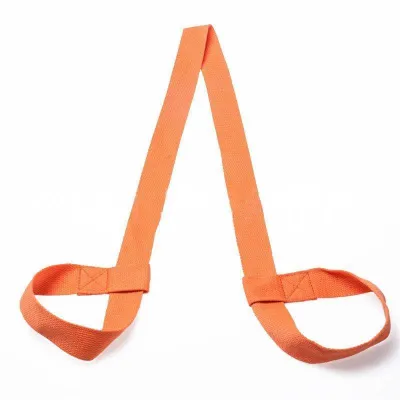
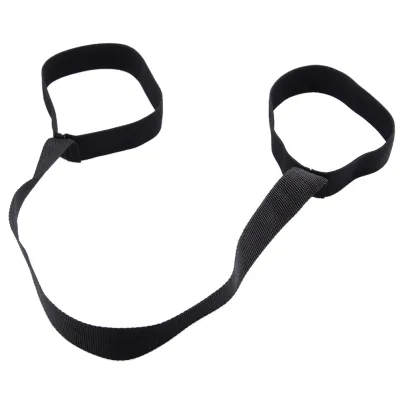
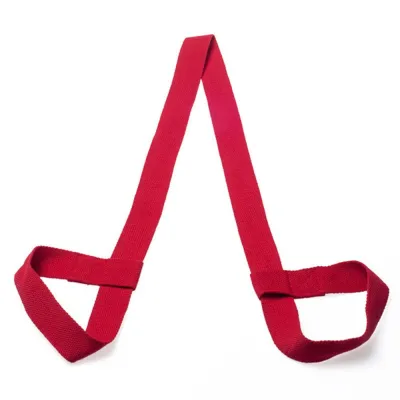
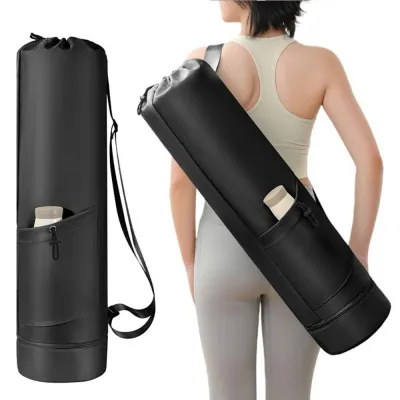
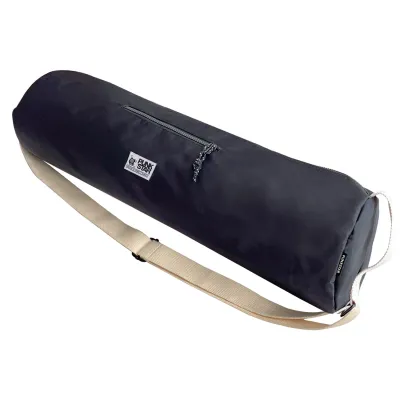
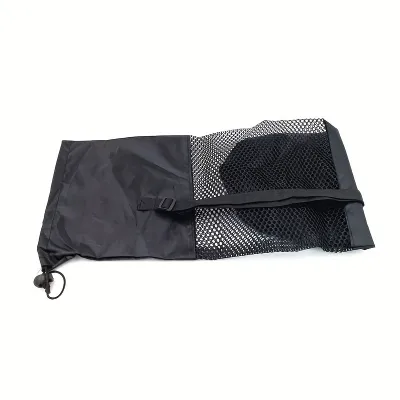
Prices are valid at publication and may change. Please refer to the product page for the latest price.
Mat compatibility is the next critical factor to evaluate. Yoga mats vary significantly in weight, thickness, and material composition. A standard 3mm or 4mm PVC or TPE mat is relatively light and rolls up into a compact cylinder, making it compatible with almost any basic strap. Conversely, a premium 5mm or 6mm natural rubber mat can weigh upwards of three kilograms and features a much larger rolled diameter. Carrying a heavy mat with a thin, unpadded strap can cause the material to cut painfully into your shoulder, while an excessively thick mat may not fit into standard-sized carrier loops at all.
Ergonomics and carrying styles play a major role in preventing fatigue and muscle strain. Single-shoulder carrying is highly convenient for quick transitions but places the entire load on one side of your body, which can lead to muscle imbalances over long walks. Crossbody carrying distributes the weight more diagonally across your torso, stabilizing the mat against your back and keeping your hands completely free. For the ultimate ergonomic balance, backpack-style carriers or dual-strap harnesses distribute the weight evenly across both shoulders, which is highly recommended for heavy mats or long pedestrian commutes.
Storage utility is another practical consideration. Many yogis prefer to travel light, carrying only their mat and essential personal items. If you wish to avoid carrying a separate handbag or backpack, look for strap holders that feature integrated storage solutions. Some straps incorporate small zippered pouches, slip pockets for transit cards, or elastic loops designed to hold a water bottle. If you already carry a dedicated work bag, a simple, ultra-compact strap that can be folded up and tucked into a pocket during class is often the most efficient choice.
Finally, material composition directly impacts the durability, weight, and maintenance of your carrier. Natural cotton webbing is soft against the skin and offers excellent grip, preventing the mat from sliding, but it readily absorbs sweat and rainwater, requiring frequent washing. Synthetic materials like nylon and polyester are highly durable, lightweight, and naturally water-resistant, making them easier to wipe clean after a humid commute. However, some cheap synthetics can feel slippery against smooth activewear fabrics, causing the strap to slide off your shoulder as you walk.
Recommended Carrier Styles for Your Daily Commute
To find the ideal transport method, it is helpful to categorize the available options into three primary structural styles. Each style is designed to solve specific commuting pain points, offering distinct trade-offs between weight, protection, and carrying comfort.

Simple Sling Straps for Minimalists
Simple sling straps are the most straightforward and cost-effective carrying solutions available. Constructed from a single length of durable fabric webbing, these straps feature adjustable loops at both ends that slip over the rolled mat. Once tightened, the weight of the mat itself keeps the loops secure, creating a simple handle or shoulder strap. Because they use minimal material, these slings are incredibly lightweight and can be rolled up into a tiny bundle that easily fits inside a pocket or the corner of your locker during practice.
While highly convenient, minimalist slings offer no physical protection for your mat. The entire surface of the rolled mat remains exposed to the elements, making it vulnerable to dirt, dust, and unexpected rain showers. Additionally, if you are traveling on crowded public transit, an exposed mat can easily brush against other commuters or dirty surfaces. This style is best suited for short walks, drivers who only need to carry their mat from the car to the studio, or those who use highly durable, easy-to-clean mats.
When choosing a simple sling, pay close attention to the adjustment mechanism. Some slings use metal or plastic D-rings to secure the loops, while others rely on simple slide buckles or hook-and-loop fasteners. D-ring closures offer excellent reliability and are highly adjustable, but they can take a few extra moments to thread and tighten. Loop straps that use sliding rings or cinch buckles are faster to secure but must be checked periodically to ensure they do not loosen during transit, especially when carrying heavier natural rubber mats.
Enclosed Carriers for Public Transit
Enclosed carriers, commonly referred to as yoga mat bags, provide full coverage by completely encasing the rolled mat within a zippered or drawstring sleeve. This design is highly advantageous for commuters who rely on Singapore’s bus and MRT networks. By keeping your mat fully enclosed, you protect it from accidental scuffs, spills, and physical contact with other passengers. It also prevents the sticky surface of certain polyurethane or natural rubber mats from collecting lint, dust, or hair from the surrounding environment.
Most enclosed carriers feature a long, adjustable shoulder strap that allows for single-shoulder or crossbody carrying. Many models also incorporate external zippered pockets designed to hold your phone, keys, wallet, and transit cards, effectively acting as a standalone daypack for your studio visits. Some premium designs even include dedicated wet-dry compartments, allowing you to separate sweaty hand towels or clothes from your clean mat after a challenging hot yoga session.
The primary trade-off with enclosed carriers is their bulk and lack of natural ventilation. Because they are made from solid fabric, they take up more space in your home or studio locker than a simple strap. More importantly, placing a damp, sweaty mat directly into a sealed bag can trap moisture, creating an ideal breeding ground for bacteria, mold, and unpleasant odors. If you opt for an enclosed carrier, it is essential to choose a model with ventilation grommets or mesh panels, and to always remove and unroll your mat to dry fully once you reach your destination.
Backpack-Style Holders for Active Commuters
For active individuals who cycle, run, or walk long distances to their yoga sessions, backpack-style holders offer the highest level of stability and ergonomic comfort. These carriers typically come in two designs: standalone harness straps that feature dual shoulder straps worn like a backpack, or dedicated commuter backpacks equipped with external compression straps or a sleeve specifically engineered to hold a yoga mat vertically or horizontally against the pack.
By distributing the weight of the mat evenly across both shoulders, backpack-style carriers eliminate the asymmetrical muscle strain associated with single-shoulder slings. This even weight distribution is particularly beneficial when carrying heavy, dense mats over long distances, as it prevents the carrier from shifting or bouncing as you move. Keeping the mat positioned vertically on your back also maintains a slim profile, making it easier to navigate narrow footpaths, crowded escalators, and busy train platforms without accidentally bumping into people.
When evaluating a backpack-style carrier, it is crucial to consider heat management. Carrying a solid pack or a wide harness directly against your back in Singapore’s tropical climate can quickly lead to excessive sweating. Look for designs that feature breathable mesh back panels, raised foam ridges, or ventilation channels that allow air to circulate between your back and the carrier. Additionally, ensure that the chest or waist straps are fully adjustable to secure the load tightly against your body, preventing any unwanted swaying while cycling or walking briskly.
Essential Features for Singapore's Weather and Transit
Singapore’s unique tropical climate and urban infrastructure demand specific design features to ensure your yoga mat strap holder remains practical, durable, and comfortable over long-term use. Ignoring these local factors can result in a carrier that degrades quickly, damages your mat, or becomes highly uncomfortable to use during warm, humid days.
Moisture resistance is arguably the most critical feature to look for in any carrier material. Sudden, heavy downpours are common, and a fabric carrier that absorbs water will quickly transfer that moisture directly to your rolled mat. Synthetic fabrics such as high-density nylon, ripstop polyester, or materials treated with a water-resistant polyurethane (PU) coating are highly recommended. These fabrics allow water to bead up and slide off the surface, protecting your mat from getting soaked during a quick dash from the MRT station to the studio.
To complement moisture resistance, adequate ventilation is essential for preventing mold, mildew, and persistent odors. After a vigorous vinyasa or hot yoga class, your mat will inevitably absorb sweat and humidity. If you must roll it up immediately to travel home, the carrier must allow that moisture to escape. Look for enclosed bags that feature metal ventilation eyelets, breathable mesh side panels, or open-ended designs. For simple slings, the open-air design naturally provides maximum ventilation, making them an excellent choice for keeping your mat fresh, provided you can shield them from direct rain.
Stowability and compact design are highly valued in crowded urban environments. When you arrive at a popular yoga studio, floor space and locker storage are often limited. A bulky, rigid bag can be difficult to stuff into a small cubby, whereas a soft, flexible strap or a lightweight pack can be folded down to the size of a fist. Prioritize carriers made from supple, high-strength fabrics that can be compressed easily without losing their structural integrity or creasing permanently.
Strap comfort and grip are vital for preventing physical fatigue during longer walks. A thin, unpadded strap carrying a heavy mat will concentrate all the weight onto a narrow strip of your shoulder, restricting circulation and causing discomfort. Look for straps that are at least 3.8 centimeters (1.5 inches) wide, or those that feature movable shoulder pads lined with breathable mesh or non-slip silicone grips. The non-slip backing is particularly important if you wear slick, synthetic activewear, as it prevents the strap from constantly sliding down your arm as you walk.
Finally, the durability of the hardware must be able to withstand constant exposure to high humidity and salty sweat. Metal components like D-rings, buckles, and zipper sliders can corrode, rust, or bind up if they are made from low-grade metals. Opt for carriers that utilize high-quality, heavy-duty plastic hardware (such as YKK zippers and Duraflex buckles) or anodized aluminum and stainless steel components. These materials resist corrosion and ensure that your adjustment loops and pockets continue to operate smoothly for years to come.
How to Measure Your Mat for a Secure Fit
To ensure your chosen strap or carrier fits your yoga mat perfectly, you must take accurate physical measurements before making a purchase. A carrier that is too small will be impossible to use, while one that is too loose can allow your mat to slide out unexpectedly during transit, potentially damaging the mat or causing a tripping hazard on public stairways.
Begin by rolling your yoga mat exactly as you normally would after a practice session. Do not roll it exceptionally tight or loose, as you want to measure its natural, resting state. Using a flexible sewing tape measure, measure the diameter of the rolled mat by placing the tape across the circular flat end of the cylinder.
- Standard Mats (3mm to 4mm): Typically have a rolled diameter of approximately 10 to 12 centimeters.
- Thick Mats (5mm to 6mm): Frequently exceed 14 to 16 centimeters in rolled diameter.
- Travel Mats (1.5mm to 2mm): Often roll down to a very compact 7 to 9 centimeters.
Next, calculate the rolled circumference of your mat by multiplying the measured diameter by 3.14, or simply wrap the flexible tape measure directly around the middle of the rolled mat. This circumference is the key metric you must compare against the specifications of any potential strap or carrier. For simple sling straps, verify that the maximum loop opening is significantly larger than your mat’s circumference, allowing you to slip the loops on and off without struggle. For enclosed bags, compare your mat’s rolled diameter and overall length against the bag’s internal dimensions, leaving at least 2 to 3 centimeters of clearance for easy zipping.
You must also verify the weight capacity and structural integrity of the carrier’s hardware and stitching. If you own a heavy natural rubber mat weighing 3 kilograms or more, look closely at the connection points where the strap meets the loops or the bag body. High-quality carriers utilize reinforced box-stitching (an “X” stitched inside a square box) or heavy-duty metal rivets to distribute the load securely. Avoid carriers that rely on single-line stitching at these critical stress points, as they are prone to unraveling under the constant tension of a heavy mat.
Once you have selected a strap and adjusted it to your mat, always perform a quick grip and stability test in a safe environment before heading out on your commute. Secure your mat in the strap, lift the carrier onto your shoulder, and gently swing it back and forth over a soft surface like a rug or bed. Observe whether the mat remains horizontal or if it begins to tilt and slide through the loops. If the mat slips, the strap material may be too smooth, or the loops may require tighter cinching to create sufficient friction against your specific mat material.
Frequently Asked Questions (FAQ)
Can I use a regular belt or rope as a yoga mat strap?
While it is technically possible to use a standard clothing belt, a piece of rope, or a resistance band to tie and carry your yoga mat, doing so carries significant risks to both your comfort and the longevity of your equipment. Regular belts and ropes lack the elasticity, width, and specialized slip-resistant textures of dedicated yoga mat straps. A narrow rope or stiff leather belt will concentrate the weight of the mat onto a very small surface area, cutting deeply into your shoulder and causing muscle soreness during your walk.
Furthermore, non-specialized materials can easily damage your yoga mat. Soft, delicate materials like TPE (Thermoplastic Elastomer) or polyurethane can be permanently creased, indented, or torn by the high, concentrated pressure of a thin cord or a metal belt buckle. Standard ropes also lack secure, adjustable self-locking loops, meaning the mat can easily slip out vertically when you jog, climb stairs, or bump into someone on a crowded train, leading to unexpected drops and damage.
How do I clean a yoga mat carrier after a sweaty commute?
To maintain hygiene and prevent the buildup of bacteria and odors, your yoga mat carrier requires regular cleaning, especially after warm, sweaty commutes. Always check the manufacturer’s care label inside the carrier before washing, as cleaning instructions vary significantly depending on the materials used. If the label is missing or unclear, follow these general guidelines based on the carrier’s construction:
- Cotton Webbing Slips: Can typically be hand-washed in warm water with a mild detergent, or placed inside a mesh laundry bag and machine-washed on a gentle, cold cycle. Hang the strap to air-dry completely; avoid using a clothes dryer, as high heat can shrink cotton fibers and warp any plastic or metal hardware.
- Synthetic Nylon or Polyester Bags: Should generally be hand-washed or wiped down with a damp cloth and a mild soapy solution. Avoid harsh chemicals, bleach, or vigorous scrubbing, which can strip away water-resistant polyurethane (PU) coatings. Always air-dry the bag in a shaded, well-ventilated area, keeping it out of direct sunlight to prevent UV degradation of the synthetic fibers.
- Leather or Cork Accents: Require specialized care. Wipe these areas down with a slightly damp microfiber cloth and use a dedicated leather or cork cleaner if necessary. Never submerge these materials in water or place them in a washing machine.
Will a standard strap holder fit an extra-thick or travel-sized mat?
Standard, non-adjustable strap holders are designed primarily for average-sized yoga mats (typically 3mm to 5mm thick) and often fail to accommodate extreme mat sizes. If you attempt to use a standard fixed-loop strap with an extra-thick 15mm Pilates mat, you will likely find that the loops cannot open wide enough to slip over the bulky rolled cylinder. Conversely, if you use a standard strap with an ultra-thin 1.5mm travel mat, the loops may not tighten down sufficiently, leaving the mat loose and prone to sliding out of the carrier during transit.
To avoid these compatibility issues, always look for fully adjustable strap holders that feature sliding cinch buckles, hook-and-loop fasteners, or adjustable quick-release buckles. These designs allow you to customize the loop size to match the exact circumference of your mat, whether it is an ultra-dense, thick studio mat or a paper-thin travel mat. If you frequently switch between different mats, an adjustable, heavy-duty utility strap is the most versatile and secure choice for your collection.
Community discussion
Share your experience or ask a question. Comments are reviewed before publication.