
Selecting the right yoga mat strap in Singapore requires looking beyond basic aesthetics. With the city’s tropical climate, high humidity, and active transit system, a high-quality strap must provide both ergonomic support and climate resilience. The ideal carrier secures your mat during crowded MRT commutes, protects it from sudden rain showers, and distributes weight evenly across your shoulder to prevent physical strain. By focusing on material durability, buckle security, and comfort, you can find a carrier that seamlessly integrates into your daily wellness routine.
Why a Dedicated Yoga Mat Strap Matters for Your Commute
Commuting to a yoga studio in Singapore often involves navigating multi-modal transit networks, walking through bustling underpasses, or stepping out into sudden tropical downpours. Carrying a loose, unrolled, or awkwardly tucked yoga mat under your arm is not only inconvenient but also physically taxing. A dedicated yoga mat strap resolves these issues by transforming your mat into a balanced, hands-free shoulder bag, allowing you to easily hold an umbrella, tap your transit card, or navigate busy commuter crowds.
From an ergonomic perspective, a properly designed strap distributes the weight of the mat across your shoulder and back, rather than concentrating stress on your hands, wrists, or a single side of your neck. This is particularly crucial for practitioners who use premium, high-density natural rubber mats, which can weigh up to three kilograms. Carrying this weight unevenly over long distances can lead to muscle tightness or posture imbalances before you even step onto your studio mat. A wide, supportive strap helps maintain natural spinal alignment during your walk.
Products mentioned in this guide
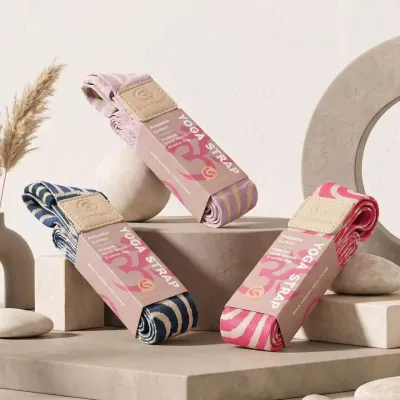
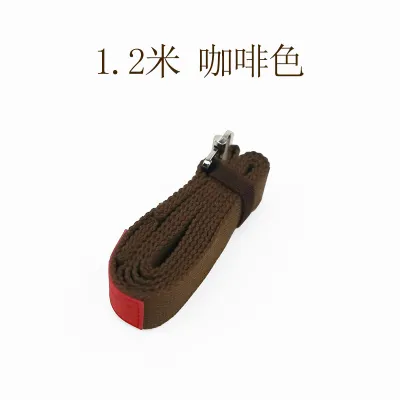
Prices are valid at publication and may change. Please refer to the product page for the latest price.
Additionally, a dedicated strap prevents your mat from unrolling unexpectedly on a crowded train or bus. A loose mat can easily brush against dirty surfaces, absorb floor grime, or suffer abrasions from contact with transit barriers and other passengers’ bags. By keeping the mat tightly rolled and securely suspended, a strap acts as a protective boundary, maintaining the hygiene of your practice surface. It ensures that the side of the mat facing your skin remains clean and free from urban contaminants.
Core Features to Evaluate Before Buying a Yoga Mat Strap
When evaluating different strap options, several structural features dictate how well the carrier will perform over months of daily use. A strap is more than just a piece of fabric; its hardware, adjustability, and padding directly influence your daily comfort and the security of your gear. Understanding these components allows you to make a practical choice that matches your specific physical needs and commuting habits.

- Adjustability and Cinch Mechanisms: The ease with which you can secure and release your mat is paramount. Look for straps featuring adjustable sliding loops or quick-release buckles. Cinch-style loops that tighten under the weight of the mat itself are highly popular because they automatically adapt to different rolled diameters. However, ensure the loops slide smoothly without snagging, allowing for rapid packing and unpacking in tight studio changing rooms.
- Shoulder Padding and Width: A narrow, unpadded strap can quickly cut into your shoulder, especially during longer walks from the MRT station to your studio. Opt for straps that are at least 3.8 to 5 centimeters wide to distribute weight more effectively. For heavier mats, look for models that include a movable, cushioned shoulder pad lined with non-slip material to keep the strap from sliding off your shoulder while you walk.
- Hardware Durability: Pay close attention to the connection points where the loops meet the main strap. High-stress areas should feature reinforced stitching, such as box-X patterns, to prevent tearing. Metal D-rings or high-density polymer clips are generally much more durable than thin plastic components, which can become brittle and snap under the weight of a heavy mat or during accidental drops.
Carrying Styles: Open Slings vs. Enclosed Carriers
Choosing between an open sling and an enclosed carrier depends heavily on your daily travel patterns and how much gear you need to carry alongside your mat.
- Open Slings: These are the most minimalist and lightweight options available. Consisting of a single strap with loops at either end, they add virtually no weight to your load and can be easily rolled up and tucked into a pocket during your practice. They offer instant access, allowing you to unroll your mat in seconds. However, they leave the body of your mat completely exposed to the elements, which can be a drawback during Singapore's sudden downpours.
- Enclosed Carriers: These include hybrid designs like wrap-around carriers with built-in pockets or full yoga mat bags with integrated shoulder straps. These models provide complete protection from rain, dust, and physical damage. They often feature dedicated compartments for essentials like keys, a smartphone, a small towel, or wet wipes. While more protective, they are bulkier, heavier, and take longer to pack and unpack.
Material Choices: Cotton, Nylon, and Neoprene
The material of your strap determines its tactile feel, durability, and how it responds to sweat and moisture.
- Cotton: Woven cotton straps are highly popular for their soft, natural texture that feels comfortable against bare skin, even when wearing a tank top. They are highly flexible and easy to fold. However, cotton is highly absorbent, meaning it will readily soak up sweat from your shoulder or moisture from the air, requiring regular washing to prevent musty odors.
- Nylon and Polyester: Synthetic webbing materials like nylon and polyester are incredibly strong, lightweight, and resistant to abrasion. They do not absorb moisture easily, making them highly practical for outdoor use or quick-drying after a sudden shower. The trade-off is that some low-grade synthetic straps can feel rough or stiff, potentially chafing your skin if carried over light clothing.
- Neoprene: Often used in padded sections, neoprene provides excellent built-in cushioning and a comfortable, slightly stretchy grip. It is highly water-resistant and durable. However, neoprene is denser and heavier than cotton or nylon, and it requires specific care and ventilation to prevent sweat odors from becoming trapped in the synthetic foam.
Choosing Materials for Singapore’s Humid Climate
Singapore’s tropical climate, characterized by high relative humidity (often exceeding 80%) and frequent rainfall, places unique demands on sports equipment. A strap that performs well in dry, temperate climates may quickly degrade, develop mold, or rust when exposed to local conditions. Selecting climate-appropriate materials is essential for maintaining hygiene and ensuring the longevity of your carrier.
To ensure longevity, prioritize materials that offer high breathability and quick-drying capabilities. Synthetic blends, such as polyester-nylon weaves, are highly recommended because they do not trap moisture within their fibers. If you prefer the soft feel of cotton, look for lightweight, open-weave cotton canvas that dries rapidly when hung in a well-ventilated room. Avoid heavy, multi-layered cotton straps that remain damp for hours after exposure to sweat or rain.
Hardware selection is equally critical in humid environments. Standard steel or cheap metal alloy buckles can oxidize and rust rapidly when exposed to humid air and salty sweat. Opt for straps with rust-resistant hardware, such as anodized aluminum, stainless steel, or high-grade heavy-duty plastics (like polyoxymethylene or nylon buckles). These materials maintain their structural integrity and smooth sliding action without corroding or staining your yoga mat over time.
Proper maintenance is key to preventing mold and mildew growth. After a sweaty commute or a hot yoga session, avoid leaving your strap crumpled at the bottom of a dark gym bag. Hang both your mat and your strap in an open, airy space away from direct sunlight to dry completely. If your strap is machine-washable, wash it regularly using a mild detergent, and always check the manufacturer’s label for specific temperature and drying instructions to avoid shrinking or warping the materials.
How to Match the Strap to Your Mat’s Size and Thickness
A common mistake when buying a yoga mat strap is assuming that one size fits all. Yoga mats vary significantly in length, width, and thickness, which directly affects their rolled circumference. Ensuring physical compatibility between your mat and the strap is crucial to prevent the mat from slipping out during transit.
Before purchasing a strap, roll your yoga mat tightly as you normally would after a practice session, and use a flexible measuring tape to find the circumference of the rolled cylinder. Standard travel mats (1.5mm to 3mm thick) roll up into a relatively slim profile, whereas thick, cushioned mats (5mm to 6mm or more) or extra-long mats create a much larger roll. This measurement will serve as your primary guide when checking strap specifications.
Verify that the strap’s adjustable loops can expand wide enough to accommodate your mat’s rolled circumference with several centimeters of slack to spare. If the loops are too small, you will struggle to slide the mat in, leading to frustration and potential damage to the mat’s edges. Conversely, if the strap is designed only for thick mats and lacks a secure tightening mechanism, a thin travel mat may slip out during transit, causing it to fall onto the ground or unravel on an escalator.
Look for straps that feature wide, flat webbing at the loop ends. Wide bands (at least 3.8 centimeters) distribute the gripping pressure across a larger surface area of the mat. This prevents the strap from digging deep into soft foam or thermoplastic elastomer (TPE) mats, which can leave permanent indentations or cause tearing over time. For heavy natural rubber mats, a strap with a non-slip lining inside the loops provides extra security, preventing the heavy roll from sliding back and forth as you walk.
Where to Shop and What to Verify Before Purchasing
When you are ready to purchase a yoga mat strap in Singapore, you have access to a variety of local retail stores, brand boutiques, and online marketplaces. Navigating these channels with a clear verification checklist ensures you receive an authentic, high-quality product that meets your needs.
For hands-on evaluation, consider visiting official brand stores of major wellness labels or local multi-brand sports retailers. Shopping in person allows you to feel the texture of the material, test the smoothness of the adjustment buckles, and check the weight of the strap. If possible, bring your own rolled yoga mat to the store to test the fit and ensure the loops adjust easily to your mat’s specific diameter.
If you prefer shopping online, look for official flagship stores on reputable local e-commerce platforms or direct brand websites to guarantee product authenticity. When buying online, carefully read the product specifications and cross-reference the maximum allowable mat circumference with your own measurements. Avoid unbranded, extremely low-cost options that do not specify material composition or hardware quality, as these often suffer from poor stitching and weak buckles.
Before finalizing your purchase, verify the retailer’s return and exchange policies, especially regarding sizing mismatches or manufacturing defects. Read customer reviews with a specific focus on long-term durability, paying attention to comments about buckle slippage, fraying stitching, or strap tearing under load. A reputable brand will often offer a limited warranty or a clear return window, giving you peace of mind that your investment will withstand the demands of your daily yoga practice.
Frequently Asked Questions (FAQ)
Can I use a standard yoga stretching strap to carry my mat?
While a standard yoga stretching strap—typically used as an alignment aid during practice—features a buckle or D-ring that can technically be looped around a rolled mat, it is not designed for carrying. Stretching straps are generally narrower, lack any shoulder cushioning, and do not distribute weight effectively, which can cause the strap to cut painfully into your shoulder during a commute. Furthermore, stretching straps lack the specialized dual-loop cinch mechanisms of carrying straps, meaning your mat is highly likely to slip out, unroll, or become damaged while you are walking.
How do I clean and maintain my strap after a sweaty commute?
Always consult the manufacturer’s care label first, as materials like neoprene, leather trim, or padded cotton have distinct cleaning requirements. For general maintenance, regularly wipe down any metal or plastic hardware with a damp cloth to remove sweat residue and prevent corrosion. For fabric straps, spot-clean dirty areas using a soft cloth, lukewarm water, and a small amount of mild, eco-friendly soap. If the strap is machine-washable, place it inside a mesh laundry bag to prevent the long straps and metal hardware from tangling or damaging your washing machine drum, and always hang it to air dry completely in a well-ventilated, shaded area before storing.
Community discussion
Share your experience or ask a question. Comments are reviewed before publication.