
Quick Answer: Matching Mat Thickness to Your Yoga Style
Selecting the ideal yoga mat thickness requires balancing physical stability, joint comfort, and the dynamic demands of your practice. The thickness of your mat directly affects your balance, joint protection, and overall alignment. To help you match your mat to your practice style, consider these standard classifications:
- Vinyasa and Dynamic Flows (1mm–3mm): Thinner mats offer a firm, low-profile surface that lowers your center of gravity. This provides the essential floor feedback needed for rapid transitions and challenging standing balances.
- Gentle and Hatha Yoga (4mm–5mm): This standard thickness serves as the versatile "sweet spot." It delivers moderate joint cushioning for foundational poses while maintaining a stable, unyielding connection to the ground.
- Restorative and Yin Yoga (6mm–8mm+): Thicker mats provide deep, plush cushioning to protect your knees, hips, and spine during long, passive floor holds.
While these thickness measurements provide an excellent starting point, the density of the material ultimately determines how much the mat compresses under your body weight. A high-density mat will prevent you from bottoming out, ensuring consistent support regardless of its thickness.
Thin Mats (1mm–3mm): Stability for Vinyasa and Dynamic Flows
Thin yoga mats, ranging from ultra-thin 1mm travel options to 3mm lightweight mats, are designed for practitioners who prioritize stability, grounding, and portability. In fast-paced or balance-intensive yoga styles, any soft, compressible material underfoot can introduce instability. This causes your ankles to wobble and makes it difficult to maintain proper alignment. A thin mat minimizes this risk by keeping your feet as close to the subfloor as possible.
Products mentioned in this guide
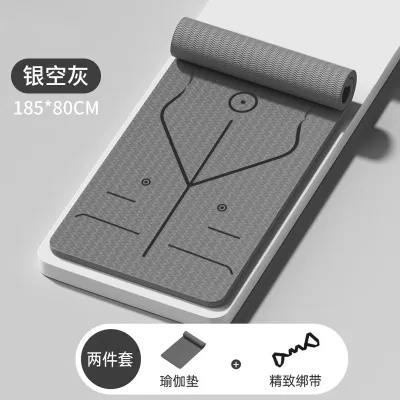
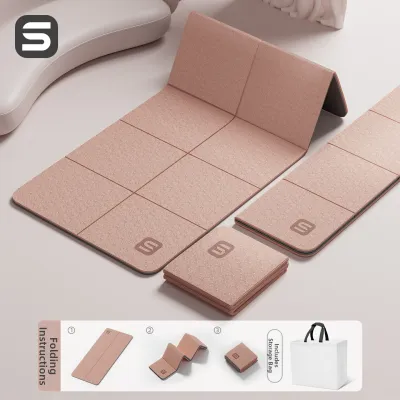
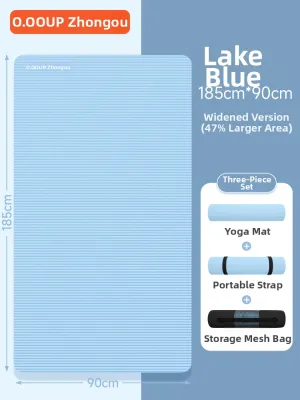
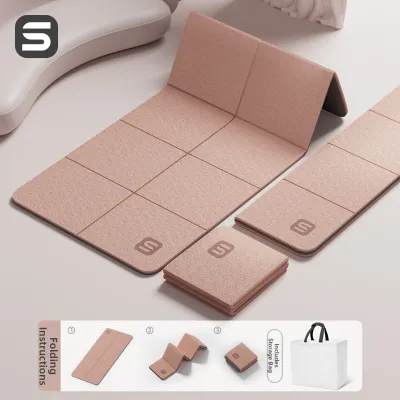
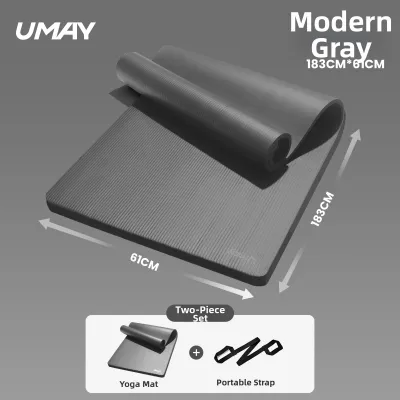
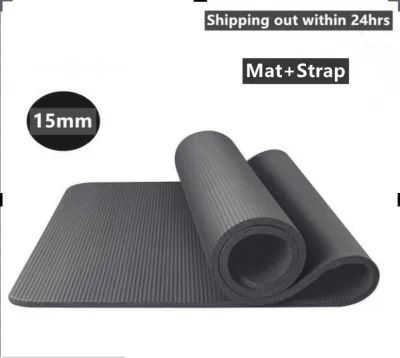

Prices are valid at publication and may change. Please refer to the product page for the latest price.

By lowering your center of gravity, a thin mat reduces lateral movement in the joints of your lower body. When you transition into demanding standing postures such as Warrior III (Virabhadrasana III) or Tree Pose (Vrksasana), your feet must make micro-adjustments to maintain equilibrium. A thin surface ensures that these movements are direct and efficient. Furthermore, thin mats are highly portable, making them ideal for commuters navigating public transport or travelers who need to pack their gear into a suitcase.
Why Vinyasa Practitioners Prefer Thin Mats
Vinyasa and Ashtanga yoga involve continuous, fluid movements coordinated with the breath. Transitions like jumping back to Chaturanga Dandasana or jumping forward to a standing forward fold require a firm, predictable platform. If your mat is too thick or squishy, the energy of your jump is absorbed by the foam, which can lead to wrist strain or a loss of momentum.
A thin mat provides immediate “floor feedback.” This tactile connection allows your hands and feet to sense the solid ground beneath you, optimizing your proprioception—the body’s ability to perceive its position in space. This rapid sensory loop is essential for maintaining control during swift, dynamic sequences.
Key Features to Prioritize in Thin Mats
Because thin mats offer very little inherent cushioning, you must look for high-density materials to prevent your joints from pressing directly against the hard floor. Natural rubber and polyurethane are excellent high-density options that provide firm support despite their slim profile.
Additionally, exceptional surface grip is critical. In dynamic practices, especially in warm, humid climates like Singapore’s, sweat can quickly turn a smooth mat into a slipping hazard. Prioritize mats with textured surfaces or open-cell structures that absorb moisture and maintain traction. Always check the manufacturer’s specifications for density and wet-grip ratings to ensure the mat can handle the intensity of your practice.
Standard Mats (4mm–5mm): Versatility for Gentle and Hatha Yoga
For the vast majority of practitioners, a standard mat thickness of 4mm to 5mm represents the ultimate balance of comfort and performance. This range is widely considered the industry benchmark because it accommodates a broad spectrum of yoga styles without leaning too far toward either extreme of hard stability or unstable plushness.
A standard mat provides sufficient padding to protect sensitive pressure points, such as the knees, wrists, and elbows, when they support your body weight. Poses like Tabletop (Bharmanasana), Low Lunge (Anjaneyasana), and Cat-Cow transitions become significantly more comfortable on a 4mm or 5mm surface. At the same time, the mat remains thin and firm enough that you will not lose your balance during standing postures.
Balancing Cushion and Floor Connection
The magic of a standard-thickness mat lies in its ability to absorb minor joint impacts while still allowing your fingers and toes to engage with the floor. When you press down through your hands in Downward-Facing Dog (Adho Mukha Svanasana), the moderate cushion distributes the load across your palms, reducing localized pressure on the carpal bones of your wrists.
This thickness allows for a slight sink-in depth that contours to your hands and feet, enhancing your grip without swallowing your joints. It offers a reliable compromise: you get enough insulation from cold studio floors without sacrificing the structural integrity needed for standing balances.
Ideal Use Cases and Practitioner Profiles
A 4mm to 5mm mat is highly recommended for beginners who are still exploring different styles of yoga and have not yet committed to a specific practice. It is also the ideal choice for those who attend mixed-level studio classes where the sequence might transition from a gentle warm-up to dynamic standing flows.
From a practical standpoint, standard mats are highly versatile for both home use and commuting. They roll up into a manageable diameter that fits easily into standard mat bags, making them convenient to carry to local studios or community classes without feeling overly heavy or bulky.
Thick Mats (6mm–8mm+): Comfort for Restorative and Yin Yoga
Thick yoga mats, spanning from 6mm to 8mm and sometimes up to 12mm for Pilates-focused hybrids, are engineered to deliver maximum comfort, deep cushioning, and insulation. These mats are specifically tailored for slow-paced, floor-based practices where physical comfort and joint protection are the primary objectives.
In Restorative and Yin yoga, the physical body is encouraged to release tension completely. This requires a surface that cradles your frame and eliminates any painful friction between your bones and the floor. A thick mat acts as a protective barrier, transforming a hard hardwood or tiled floor into a comfortable, supportive oasis.
Joint Protection for Long Holds
Restorative and Yin practices involve holding passive postures for extended periods, typically anywhere from 3 to 10 minutes. During these long holds in poses like Sphinx, Child’s Pose (Balasana), or supported supine twists, your body weight rests heavily on specific bony prominences, such as the kneecaps, sit bones, hips, and spine.
A thick mat distributes this localized weight over a broader surface area, reducing the concentrated pressure that can restrict blood flow and cause numbness or sharp joint pain. This extra padding allows your nervous system to relax fully, facilitating a deeper state of physical and mental release.
Stability Trade-offs and Portability
While thick mats excel at comfort, they introduce significant trade-offs in terms of stability and portability. The increased thickness and lower density of many thick mats create a “squishy” surface that compresses unevenly under concentrated loads. If you attempt standing balances like Half Moon Pose (Ardha Chandrasana) on a thick, soft mat, you may find your ankles rolling inward or outward as they struggle to find a stable base.
Furthermore, thick mats are inherently bulkier and heavier. They require more storage space and can be cumbersome to carry on public transport or during long commutes. If you plan to use a thick mat, it is often best suited for a dedicated home practice space where it can remain unrolled or stored conveniently.
Beyond Thickness: Density, Material, and Grip
To make a truly informed decision, you must look beyond the simple thickness measurement of a mat. Two mats with the exact same 4mm thickness can perform completely differently depending on their density, material composition, and surface texture.
- Density vs. Thickness: Density refers to how tightly packed the material is, which dictates its resistance to compression. A 4mm high-density natural rubber mat will often provide superior joint support and durability compared to a cheap 6mm low-density PVC or TPE mat. The low-density mat will compress completely under your knees, leaving you feeling the hard floor anyway, whereas the high-density mat will hold its shape and keep your joints suspended. Always check product labels for density indications or weight; heavier mats generally indicate higher density.
- Material Impact on Cushioning: The raw materials used to construct the mat heavily influence its feel and performance:
- Natural Rubber: Offers a firm, highly supportive cushion with excellent natural spring-back. It is heavy and durable, making it ideal for high-density support.
- TPE (Thermoplastic Elastomer): A lightweight, eco-friendly alternative that provides a softer, more compressible, and velvety feel underfoot.
- PVC (Polyvinyl Chloride): Known for its extreme durability and variable density. It can range from very soft and cheap to highly dense and professional-grade.
- PU (Polyurethane): Often paired with a rubber base, PU offers an incredibly smooth, high-grip surface with firm, responsive cushioning.
- Surface Texture and Grip: Your ability to stay safely positioned on your mat depends heavily on its surface texture rather than its thickness. Open-cell materials (like natural rubber and polyurethane) absorb moisture and provide immediate, reliable traction even when wet. Closed-cell materials (like standard PVC and TPE) repel moisture, making them easier to clean, but they require textured patterns or a break-in period to prevent slipping when you sweat.
Decision Framework: Choose Your Ideal Yoga Mat
To finalize your choice, evaluate your primary practice style, joint sensitivity, and lifestyle needs against these clear, conditional guidelines:
- Choose a Thin Mat (1mm–3mm) if: Your practice consists primarily of Vinyasa, Ashtanga, or Power Yoga. You prioritize maximum stability, solid floor feedback, and lightweight portability for travel or frequent studio commutes.
- Choose a Standard Mat (4mm–5mm) if: You practice Gentle, Hatha, or a diverse mix of yoga styles. You need a highly versatile, all-rounder mat that balances reliable joint protection with steady balancing support for both home and studio use.
- Choose a Thick Mat (6mm–8mm+) if: Your focus is Restorative yoga, Yin yoga, or floor-based Pilates. You have highly sensitive joints, suffer from knee or wrist discomfort, or practice on cold, hard floors that require maximum insulation.
- Verify First if: You have chronic orthopedic conditions or are recovering from a joint injury. In these cases, consult a physical therapist or medical professional for personalized guidance. Additionally, if you plan to practice on highly uneven outdoor surfaces, verify that your chosen mat is durable enough to withstand rough terrain. Always cross-reference the manufacturer's care and usage instructions to preserve the longevity and grip of your mat.
Frequently Asked Questions (FAQ)
Can I use a thick mat for Vinyasa yoga?
While you can technically use a thick mat for Vinyasa, it is not recommended for safety and alignment reasons. The soft, highly compressible cushioning of a thick mat (6mm or more) can compress unevenly during rapid transitions, destabilizing your ankles and wrists. This instability increases the risk of joint strain or injury during standing balances and weight-bearing poses. For dynamic practices, a thinner, higher-density mat is much safer and more effective.
Is a 6mm yoga mat too thick for beginners?
A 6mm yoga mat is not inherently too thick for beginners, especially those who require immediate joint comfort. However, new practitioners may find it more challenging to find their balance in standing poses on a thicker, squishier surface. If you are a beginner exploring various styles, starting with a standard 4mm to 5mm mat is generally recommended. This thickness provides a balanced foundation, helping you build core and ankle stability safely.
How do I know if my yoga mat is too thin for my joints?
You will know your mat is too thin if you experience localized discomfort or pain during floor-based poses. Common indicators include feeling the hard subfloor pressing directly against your kneecaps in Low Lunge, wrist fatigue in Downward-Facing Dog, or discomfort along your spine during rolling exercises. If you experience these symptoms, consider upgrading to a higher-density standard mat, a thicker mat, or using a supportive yoga blanket under your joints for targeted cushioning.
Community discussion
Share your experience or ask a question. Comments are reviewed before publication.