
Choosing the right yoga seated chair is a pivotal step for beginners entering the world of chair yoga, restorative practices, or Pilates-infused movement. The ideal brand and design for your practice depend heavily on your specific goals: classical Iyengar-style yoga requires a highly rigid, backless metal frame to facilitate deep alignment and supported inversions, whereas gentle Pilates-based routines or seated meditation favor ergonomic, cushioned designs that support the pelvis and spine during prolonged sitting.
For beginners in Singapore, navigating these options requires balancing stability, safety, and home storage constraints. High-quality brands like Manduka offer premium, professional-grade durability for dedicated practitioners, while Gaiam provides highly accessible, comfort-oriented options for casual home routines. Decathlon serves as an excellent, budget-friendly entry point with local physical stores for hands-on testing, and Hugger Mugger delivers specialized, anatomically precise props tailored for strict alignment work. By understanding the unique construction and primary focus of each brand, you can confidently select a chair that safely supports your wellness journey.
What to Look for in a Beginner Yoga Seated Chair
Define the Chair Type
Before evaluating specific brands, you must identify which style of chair matches your intended practice. A traditional Iyengar yoga chair is a modified, backless metal folding chair. The removal of the backrest is intentional; it allows you to thread your limbs through the frame during backbends, twists, and supported inversions. Conversely, a seated meditation or Pilates-style chair is designed primarily for upright comfort, often featuring ergonomic contours, active-sitting balance elements, or built-in cushions to support the pelvis and alleviate lower back strain during seated exercises.
Products mentioned in this guide
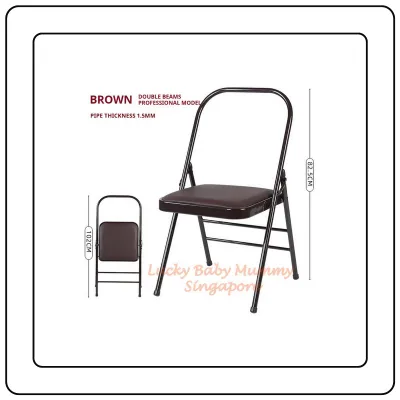
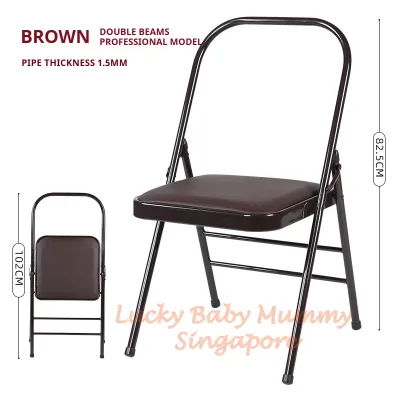
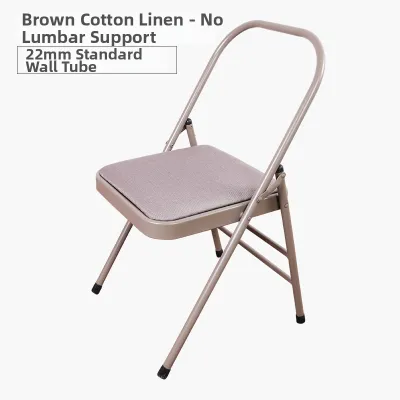
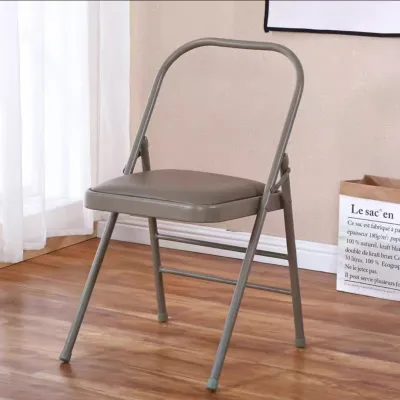
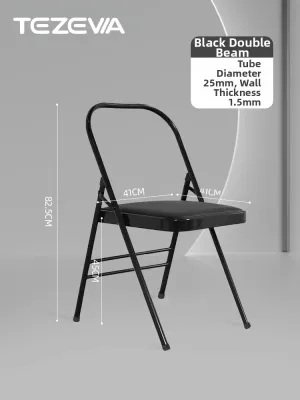
Prices are valid at publication and may change. Please refer to the product page for the latest price.
Stability and Weight Capacity
Safety is the absolute priority when selecting any fitness prop, especially when your full body weight is supported off the ground. A high-quality yoga chair must feature a wide, stable base and robust, non-slip rubber feet to prevent sliding. Always verify the manufacturer’s official weight capacity before purchasing. This rating must accommodate not only your static body weight but also the dynamic lateral forces applied when transitioning between poses or pressing your weight into the frame during Pilates-style movements.
Frame Material and Durability
Metal frames, typically constructed from heavy-duty tubular steel or reinforced aluminum, offer the highest level of structural rigidity and are the industry standard for Iyengar yoga. These materials do not flex or warp under heavy loads, providing a secure foundation. Wooden or reinforced plastic frames are more common in specialized meditation benches or light Pilates seating; while they offer aesthetic warmth and comfort, they generally lack the torsional stiffness required for demanding, weight-bearing yoga postures.
Height and Proportions
Proper anatomical alignment is essential to prevent joint strain and muscle fatigue. When sitting on a yoga chair, your thighs should ideally rest parallel to the floor, with your knees bent at a comfortable 90-degree angle and your feet flat on the ground. A chair that is too tall can leave your feet dangling or force you to slide forward, placing unnecessary pressure on your lower back. A chair that is too low compresses the hip flexors and rounds the lumbar spine, making upright posture difficult to maintain.
Portability and Storage
Given that residential space in Singapore apartments is often carefully optimized, portability is a major consideration for home practitioners. A folding yoga chair is highly practical because it can be stored flat in a closet, behind a wardrobe, or under a bed when not in use. However, folding mechanisms introduce potential failure points; beginners must ensure that any folding chair features secure locking pins, double-hinged frames, or robust safety brackets to prevent accidental collapsing during a session.
Best Yoga Seated Chair Brands Available in Singapore
When searching for a reliable yoga seated chair, choosing an established brand ensures strict quality control, reliable materials, and predictable performance. The following brands are highly regarded in the global fitness community and are accessible to buyers in Singapore through official brand websites, authorized specialty fitness retailers, or major online marketplaces.

| Brand | Best For | Price Tier | Primary Focus |
|---|---|---|---|
| Manduka | Long-term investment | Premium (Over S$150) | Professional-grade durability |
| Gaiam | Casual beginners | Mid-range (S$50 to S$150) | Accessible home practice |
| Decathlon | Strict budgets | Budget (Under S$50) | Basic functional support |
| Hugger Mugger | Iyengar practitioners | Premium (Over S$150) | Specialized alignment props |
Manduka
Manduka is globally recognized for its high-performance yoga gear, and their specialized metal yoga chairs live up to this reputation. Engineered specifically for Iyengar and restorative practices, these chairs feature a reinforced steel frame, double front and rear cross-bars, and a durable powder-coated finish.
For beginners, the primary benefit of a Manduka chair is its absolute stability. The heavy-duty steel construction ensures zero frame flex, which builds immediate confidence when you are learning to balance in unfamiliar or semi-inverted positions. The frame is completely backless, allowing for unhindered movement during complex stretches.
The main trade-off is that Manduka products sit at a premium price point. Additionally, the heavy steel frame makes the chair less portable than lighter alternatives, meaning it is best suited for a dedicated home practice space where it does not need to be moved frequently.
Gaiam
Gaiam focuses on making wellness accessible to everyday practitioners, offering a diverse range of ergonomic seating, active-sitting balance chairs, and cushioned meditation supports. Their designs prioritize comfort, alignment, and gentle core engagement over intense, weight-bearing athletic postures.
For a beginner starting gentle Pilates-infused movements, restorative stretching, or seated breathwork, Gaiam provides an exceptionally approachable entry point. The inclusion of contoured cushions and supportive backrests helps alleviate immediate physical discomfort, allowing you to focus entirely on learning correct breathing techniques and basic spinal alignment.
However, practitioners must understand the limitations of these comfort-focused designs. Cushioned seats, balance ball chairs, or lightweight plastic frames are not engineered to support advanced Iyengar poses or full-body inversions. Beginners using Gaiam products must strictly adhere to the manufacturer’s specified weight limits and intended use cases.
Decathlon
Decathlon is a highly popular option for fitness enthusiasts in Singapore, offering functional, well-designed sports equipment at highly competitive prices. Their wellness and yoga ranges feature straightforward, sturdy folding chairs and supportive seating accessories designed to make fitness accessible to everyone.
Decathlon is the ideal choice for budget-conscious beginners who want to explore chair yoga or Pilates without making a significant upfront financial commitment. A distinct advantage for Singapore shoppers is the ability to visit Decathlon’s physical experience stores across the island. This allows you to physically test the chair’s seat height, stability, and folding mechanism in person before making a purchase.
While highly functional and safe for general use, Decathlon’s budget-friendly folding options typically lack the highly specialized geometric proportions and completely open, backless frames found in dedicated Iyengar chairs. They are best suited for upright seated stretches, gentle twists, and low-impact home routines.
Hugger Mugger
Hugger Mugger is a legacy brand deeply rooted in classical yoga traditions, known for creating specialized props that adhere to precise historical specifications. Their metal yoga chairs are engineered specifically to meet the strict demands of Iyengar yoga, featuring a completely open back, a flat metal seat plate that prevents pinching, and a highly stable, reinforced frame.
For beginners who are committed to a structured Iyengar curriculum, Hugger Mugger offers the benefit of anatomical precision. The exact height of the seat and the specific angle of the front and rear bars are optimized to help you learn correct postural alignment without guessing. The smooth, rounded edges of the frame also prevent snagging on clothing or skin during transitions.
Because Hugger Mugger props are highly specialized, they are rarely found in general sporting goods stores. Sourcing one in Singapore typically requires ordering through specialty yoga studios or international wellness distributors, which can result in longer delivery times and higher shipping fees.
Essential Safety and Setup Tips for Chair Yoga
Surface Preparation
Never place your yoga chair directly on bare, polished ceramic tiles, marble, or smooth vinyl flooring. The lack of traction can cause the chair to slide unexpectedly when you apply lateral pressure, leading to falls. Always position all four feet of the chair entirely on top of a high-grip, high-quality yoga mat. This simple step anchors the chair securely to the ground and provides a cushioned, non-slip surface for your feet during standing or seated transitions.
Pre-Practice Inspection
Make it a habit to perform a quick structural check before every single practice session. Inspect all frame joints, weld points, and screws for signs of wear, loosening, or structural fatigue. For folding chairs, physically verify that the locking pins, safety sleeves, or double-hinge mechanisms are fully engaged and locked in place. If you detect any wobble, unusual creaking, or structural compromise, do not use the chair.
Progressive Loading
Beginners must respect their physical limits and progress gradually. Start your practice with basic, low-risk movements where the majority of your weight remains supported by the floor, such as seated forward folds, gentle torso twists, and hamstring stretches. Do not attempt supported backbends, deep chest openers, or semi-inversions until you have built adequate core strength and verified that your chair is a dedicated, rigid metal Iyengar model. Remember that equipment is designed to assist your practice, but it cannot replace proper training and personal judgment.
Listening to the Body
A yoga seated chair is a tool to make yoga and Pilates more accessible, not to force your body into uncomfortable or painful positions. If a particular stretch or pose causes sharp joint pain, pinching, or numbness, exit the pose immediately. Always prioritize personal physical comfort and structural stability over achieving a perfect, textbook posture. If you are unsure about a specific movement, consult a certified instructor to guide your alignment.
Frequently Asked Questions (FAQ)
Can I use a regular dining chair instead of a dedicated yoga seated chair?
While a sturdy, armless dining chair can be used for very basic, gentle seated stretches, it is not recommended for a dedicated yoga or Pilates practice. Standard dining chairs are engineered solely for vertical downward weight distribution and lack the structural reinforcement needed to handle dynamic lateral or diagonal forces. Furthermore, household chairs typically lack non-slip rubber feet, and their high backrests or decorative armrests can severely obstruct your range of motion and prevent correct anatomical alignment during key poses.
How do I clean and maintain a metal yoga chair?
To preserve the life of your chair, wipe down the metal frame and seat with a soft, damp microfiber cloth and a mild, non-abrasive soap after every session to remove sweat, body oils, and dust. In Singapore’s highly humid climate, thorough maintenance is crucial to prevent surface degradation and rust. Always dry the frame completely with a clean towel after wiping it down. Periodically inspect the rubber feet on the chair legs; if they become worn down, cracked, or smooth, replace them immediately to maintain optimal traction and protect your floors.
What is the difference between a yoga chair and a Pilates Wunda chair?
A yoga chair and a Pilates Wunda chair are entirely different pieces of equipment designed for different purposes. A yoga chair is a static, passive prop (typically a modified folding chair) used to provide stability, support, and structural alignment while holding static poses. A Pilates Wunda chair (also known as a Combo chair) is a heavy, specialized piece of resistance equipment featuring a padded seat, a split foot pedal, and adjustable steel springs. It is designed for dynamic, active strength training and resistance exercises, making the two chairs non-interchangeable.
Community discussion
Share your experience or ask a question. Comments are reviewed before publication.