
Finding the right yoga strap in Singapore depends on your current practice level, your physical proportions, and the specific environments where you practice. Whether you are attending a high-humidity hot yoga session in a downtown studio or practicing restorative poses at home, a strap serves as an extension of your limbs to improve alignment and deepen stretches safely. Beginners require soft materials that are gentle on unconditioned hands, while advanced practitioners need high-tensile, non-slip straps that can withstand significant bodyweight tension during complex binds.
Selecting a strap involves evaluating material durability, buckle security, and overall length. Reputable brands like Gaiam, Manduka, Hugger Mugger, and Jade Yoga offer distinct advantages tailored to different stages of your yoga journey. By matching the strap’s specifications to your experience level and physical height, you can prevent joint strain, avoid muscle overcompensation, and ensure a stable, supportive practice.
How to Choose the Right Yoga Strap Material and Buckle
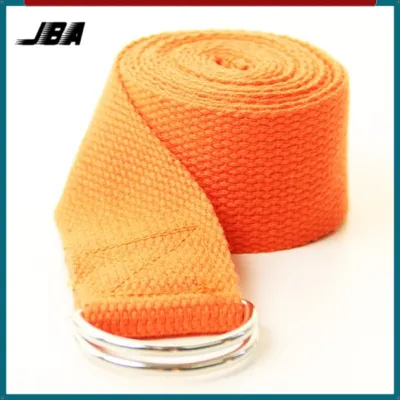
Understanding the mechanical differences between yoga strap components allows you to select a tool that matches your practice intensity. The two primary buckle designs are traditional metal D-rings and plastic quick-release buckles. Metal D-ring buckles operate on a simple friction-locking mechanism where the strap is threaded through both rings and looped back over one. This design provides exceptional security under high tension, as the pulling force actually tightens the lock, making it the preferred choice for deep stretching and structural alignment.
Products mentioned in this guide
![[SG Seller]Multi-Loop Stretching Strap Fitness Resistance Band Pilates & Dance Strap Numbered Stretching Strap for Flexibility Training](https://img.lazcdn.com/g/p/376afe777203ba8901b1038cbc08138b.jpg_400x400q80.jpg_.webp)

Prices are valid at publication and may change. Please refer to the product page for the latest price.
Quick-release plastic buckles, similar to those found on backpacks, offer rapid adjustment and easy fastening. They allow you to clip the strap into a loop instantly, which is highly convenient for quick transitions during fast-paced flow classes. However, plastic buckles can slip or even snap under extreme, sudden force, and they lack the infinite micro-adjustability of a threaded D-ring. For practices that involve putting your full body weight into the strap, metal hardware is significantly safer.
The material of the strap webbing directly affects your grip, comfort, and maintenance routine. Cotton is the traditional standard, prized for its natural texture, high friction, and soft feel on the skin. In Singapore’s tropical climate, cotton is highly effective at absorbing hand sweat, preventing your hands from sliding during sweaty sessions. The trade-off is that cotton absorbs moisture and skin oils, requiring regular washing to prevent odor and mildew buildup.
Nylon and polyester straps are exceptionally durable, lightweight, and resistant to wear and tear. They are incredibly easy to clean, drying quickly after a simple wipe-down or rinse. The primary drawback of synthetic webbing is its slick texture, which becomes even more slippery when wet with perspiration. If you opt for a synthetic strap, look for textured weaves that mimic the grip of natural fibers, or reserve its use for low-sweat, restorative practices.
Strap dimensions must be matched to your height and the poses you intend to perform. Standard straps are typically 1.5 inches wide, which fits comfortably in most hands and provides sufficient support for standard stretches. Wider 2-inch straps distribute pressure more evenly across the skin, making them excellent for restorative poses where you remain bound for long periods. Lengths generally range from 6 feet to 10 feet, with 8 feet serving as the most versatile standard for average heights.
| Feature Type | Option | Pros | Cons | Ideal User Profile |
|---|---|---|---|---|
| Buckle | Metal D-Ring | Infinite micro-adjustment; does not slip under high tension; highly durable. | Requires threading; can clatter loudly on studio floors. | Intermediate to advanced practitioners; restorative yoga lovers. |
| Buckle | Quick-Release | Fast fastening; simple to use; lightweight. | Can slip under heavy loads; plastic can degrade or crack over time. | Beginners; practitioners focused on rapid transitions. |
| Material | Cotton | Excellent natural grip; soft on unconditioned hands; absorbs sweat. | Holds moisture; requires regular washing to maintain hygiene. | All levels; hot yoga practitioners; sensitive skin users. |
| Material | Nylon / Polyester | Extremely durable; quick-drying; resistant to fraying and stains. | Can become slippery when wet; rougher texture on bare skin. | Travel-focused yogis; low-sweat or restorative practices. |
Beginner-Friendly Yoga Strap Brands and Key Features
Beginners often face unique physical challenges, such as tight hamstrings, limited shoulder mobility, and unconditioned hands that are sensitive to rough materials. For those starting out, the primary goal of a yoga strap is to bridge the gap between hands and feet without causing skin irritation or hand fatigue. Beginners benefit most from straps that prioritize immediate comfort, straightforward adjustment mechanisms, and visual aids that assist with basic alignment.

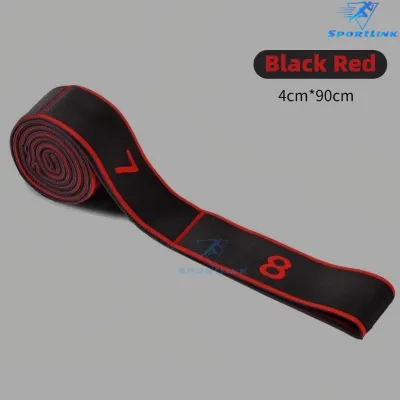
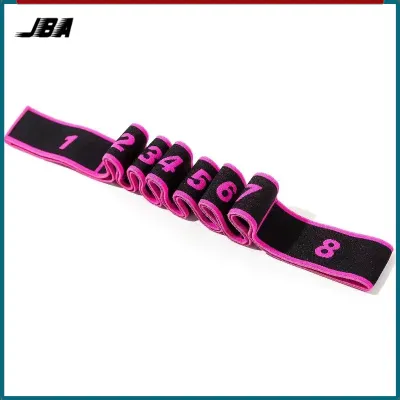
Softer cotton blends or brushed webbing materials are ideal for new practitioners because they do not dig into the skin during passive stretches. Pre-looped designs, which feature multiple sewn-in loops along the length of the strap, are also highly beneficial for beginners. These loops eliminate the need to thread a buckle entirely, allowing you to simply slip your foot or hand into the appropriate loop to adjust the reach instantly.
Gaiam is a prominent brand that caters exceptionally well to beginners with its range of user-friendly designs. Many Gaiam straps feature lighter, softer cotton weaves and easy-to-use buckles that do not intimidate new students. They also offer multi-loop stretching straps that provide clear visual markers, helping you track your flexibility progress over time as you move your grip from one loop to the next. Entry-level lines from major sports retailers, such as Decathlon’s Domyos brand, also offer highly accessible, budget-friendly cotton straps that deliver reliable performance for basic home practice.
While beginner-oriented straps with plastic quick-release buckles are convenient, they come with clear safety limitations. These buckles are designed for light assistance and alignment guidance, not for bearing significant body weight. If you are using a quick-release strap, avoid pulling with maximum force or using it to suspend your limbs in high-tension poses, as the plastic teeth can slip. Focus instead on gentle, passive stretching where the strap simply acts as a comfortable extension of your arms.
When purchasing an entry-level strap, always check the product labels to ensure the materials are dyed with non-toxic, skin-safe substances. Because the strap will make direct contact with your skin—often under warm, sweaty conditions that open your pores—avoid ultra-cheap, unbranded options that may use harsh chemical dyes or synthetic chemical treatments. Investing in a certified non-toxic strap protects your skin from irritation and ensures a healthier practice environment.
Intermediate Yoga Strap Brands for Deeper Stretches
As your yoga practice matures, you will likely transition to longer holds, deeper binds, and poses that require significant structural support. Intermediate practitioners need a strap that can handle increased tension without stretching, slipping, or fraying. At this stage, relying on plastic buckles is no longer advisable, and upgrading to a traditional, heavy-duty setup becomes essential for safety and progress.
Intermediate straps should feature 100% cotton construction with a dense, sturdy weave that offers substantial tactile feedback. The hardware must consist of solid metal D-rings, typically made of welded steel or zinc alloy, which will not bend or warp under load. An 8-foot length is generally recommended for intermediate students, as it provides enough slack to wrap around the feet and torso during complex seated forward folds or standing balance poses.
Manduka is highly regarded in the intermediate space, particularly for its AligN yoga strap. Inspired by the traditional design developed by B.K.S. Iyengar, the AligN strap features a thick, dense cotton webbing that provides a secure grip without slipping. Its proprietary zinc alloy buckle is heavy-duty and engineered to hold the strap completely secure without any micro-slippage during deep stretches. Other reputable brands like Hugger Mugger and Jade Yoga also offer exceptional unlooped cotton straps that are built to withstand years of daily studio use.
Transitioning from a quick-release buckle to a traditional metal D-ring requires learning how to thread the strap correctly to ensure your safety. To secure a D-ring strap, thread the loose end through both metal rings simultaneously from underneath. Next, fold the end of the strap back over the first ring and tuck it underneath the second ring, pulling it tight. This creates a self-locking friction knot; always pull firmly on the main body of the strap before entering a pose to verify that the lock is fully engaged and will not slip.
Before attempting deep binds or putting your weight into a strap, develop the habit of inspecting your gear regularly. Check the stitching near the buckle for any loose threads or signs of unraveling, as this is the primary point of structural failure. Additionally, run your fingers over the metal D-rings to ensure there are no sharp burrs or rust spots that could cut into the cotton webbing or scratch your skin during practice.
Advanced and Professional Yoga Strap Brands
Advanced practitioners, yoga teachers, and therapeutic instructors require professional-grade straps designed for extreme durability and precise alignment. In advanced practices, straps are not just used to reach the feet; they are utilized as structural rigs to support the body in inversions, deep backbends, and therapeutic traction. These demanding applications require maximum tensile strength, zero material stretch, and hardware that can support full body weight with absolute reliability.
Professional-grade straps are characterized by heavy-duty, tightly woven organic cotton or reinforced canvas that maintains its shape under immense pressure. The stitching at the buckle attachment must be reinforced with industrial bar-tack patterns, which are the same high-strength stitches used on climbing harnesses and heavy backpacks. The metal D-rings should be thick, solid, and completely seamless to prevent the webbing from catching or wearing down unevenly.
For advanced work, the Manduka Pro series and specialized Iyengar yoga brands offer outstanding durability. Iyengar-specific straps, often sourced from traditional yoga suppliers, feature extra-wide cotton webbing and heavy-duty sliding metal buckles that lock flat against the strap. These professional tools are designed to endure multiple classes a day in high-traffic commercial studios, resisting wear from constant friction, washing, and sweat exposure.
In advanced teaching scenarios, straps are frequently used for hands-on adjustments and partner work. When an instructor uses a strap to assist a student in a deep stretch or to stabilize their hips in an inversion, there is a critical need for total trust in the equipment’s structural integrity. A sudden hardware failure or a torn seam during a manual adjustment can lead to immediate joint hyperextension or loss of balance, highlighting why professional-grade gear is non-negotiable for teachers.
Advanced practitioners should consider maintaining a collection of straps of varying lengths to suit different anatomical requirements and therapeutic setups. A 10-foot strap is invaluable for tall practitioners, partner exercises, or creating complex body wraps in restorative and therapeutic yoga. Having both a standard 8-foot strap for daily vinyasa practice and a longer, wider strap for therapeutic work ensures you always have the correct tool for your specific physical goals.
Where to Buy Authentic Yoga Straps in Singapore
To ensure you are purchasing a safe, genuine yoga strap that will not fail under tension, it is important to source your equipment from authorized channels. Counterfeit or low-quality straps made with cheap synthetic materials and weak plastic buckles are common on unverified platforms. These sub-par products pose a genuine safety risk, as they can snap or slip unexpectedly during high-tension poses.
In Singapore, purchasing directly from official brand websites or local authorized distributors is the most reliable way to guarantee authenticity. Many premium brands, such as Manduka and Jade Yoga, have dedicated local online stores or authorized distributors that ship directly within Singapore. Buying from these official sources ensures you receive genuine products backed by manufacturer warranties against defects in materials and hardware.
Established physical yoga studios across Singapore often feature retail corners stocked with curated, high-quality gear. Studios like Yoga Movement, Pure Yoga, or independent boutique studios in areas like Orchard Road, Tanjong Pagar, and the East Coast frequently sell premium straps. Purchasing from a physical studio allows you to touch the material, assess the thickness of the cotton, and test the weight and locking mechanism of the buckle before making a decision.
Specialized sports and wellness retailers in Singapore are also excellent options for sourcing verified inventory. Retailers like Decathlon Singapore offer reliable, entry-level to intermediate straps with clear safety ratings at physical stores located across the island. For premium brands, multi-brand fitness retailers and specialty running or outdoor stores often carry high-quality yoga accessories with verified supply chains.
When navigating general online marketplaces in Singapore, exercise caution to avoid unverified third-party sellers. Always look for official flagship stores, which are typically marked with verified mall badges on major platforms. Read customer reviews carefully, paying close attention to comments regarding the stiffness of the buckle, the thickness of the fabric, and the quality of the packaging. Avoid listings that offer generic, unbranded straps at suspiciously low prices (such as under S$5), as these rarely meet basic safety standards for load-bearing fitness equipment.
Before finalizing your purchase, review the seller’s return policy and hardware warranty details. A reputable brand or retailer will typically offer a clear return window if the strap arrives with defective stitching or a faulty buckle. Understanding these policies gives you peace of mind, ensuring that your investment supports a safe, stable, and long-lasting yoga practice.
Frequently Asked Questions (FAQ)
How do I clean and maintain a cotton yoga strap?
To preserve the structural integrity and hygiene of a cotton yoga strap, hand-wash it or machine-wash it on a gentle cycle in cold water using a mild, eco-friendly detergent. To protect your washing machine drum and prevent loud clattering, place the strap inside a mesh laundry bag before washing to contain the metal D-rings. Always air-dry the strap flat or hang it up away from direct sunlight, as high heat from dryers can shrink the cotton fibers, and prolonged UV exposure can degrade the fabric over time. Avoid using bleach, fabric softeners, or harsh chemical stain removers, as these substances can weaken the cotton fibers and cause the metal hardware to corrode or rust.
Can I use a yoga strap as a resistance band for strength training?
No, you should not use a yoga strap as a resistance band because they are designed for completely different mechanical purposes. Yoga straps are made of non-elastic materials like cotton or nylon, engineered specifically to provide static support, alignment, and unyielding resistance during isometric stretches. Using a non-elastic strap for dynamic, high-impact strength training exercises can place excessive, sudden stress on your joints and connective tissues, increasing the risk of injury. Dynamic resistance training requires specifically engineered elastic bands that stretch and contract safely to provide progressive resistance throughout a movement’s full range of motion.
What is the best length for a yoga strap if I am over 180 cm tall?
If you are over 180 cm tall, the best length for a yoga strap is between 8 feet (approximately 2.4 meters) and 10 feet (approximately 3 meters). A standard 6-foot strap is generally too short for taller individuals, as it does not leave enough slack to hold comfortably during poses like seated forward folds or bound leg stretches. Opting for a longer strap ensures you have ample material to wrap around your feet or torso while maintaining proper spinal alignment and relaxed shoulders. This extra length prevents you from having to strain or compromise your posture just to reach the end of the strap during deep stretches.
Community discussion
Share your experience or ask a question. Comments are reviewed before publication.