
The best yoga towel for hot, sweaty practices is one that matches your specific style of movement, your mat’s material, and your sweat volume. For high-intensity, dynamic flows, a skidless microfiber towel with silicone grip dots provides the most secure anchor to prevent sliding. For practitioners who prefer a smooth, seamless surface, a moisture-activated suede-finish microfiber towel offers exceptional traction once damp. In Singapore’s humid climate, prioritizing lightweight, quick-drying fabrics is essential to prevent musty odors and simplify your daily studio commute.
Evaluating your personal practice intensity and how you transport your gear will help you select a towel that keeps you safe and focused on your alignment. By choosing a specialized towel, you can transform a slippery, challenging session into a stable and sanitary practice.
Why You Need a Dedicated Towel for Hot Yoga
In a heated studio setting—where temperatures often reach 38°C to 40°C with elevated humidity—perspiration is inevitable and heavy. Standard yoga mats made of polyurethane (PU), polyvinyl chloride (PVC), or thermoplastic elastomer (TPE) are designed to offer excellent dry grip, but they struggle when liquid pools on the surface. Instead of absorbing moisture, these dense materials cause sweat to bead, creating a slick barrier between your skin and the mat. This loss of traction makes holding foundational postures like Downward-Facing Dog or executing advanced transitions highly challenging.
Products mentioned in this guide
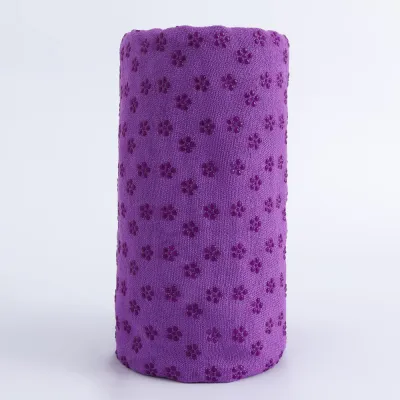
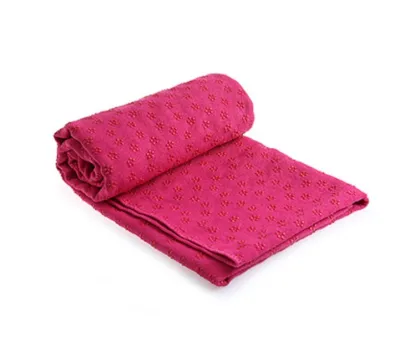
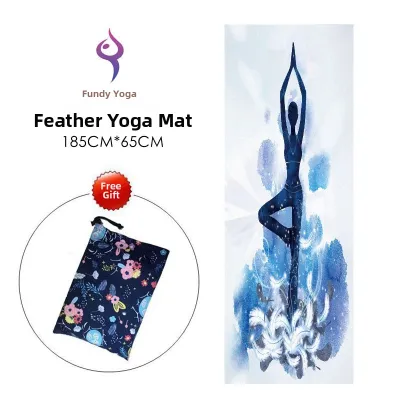
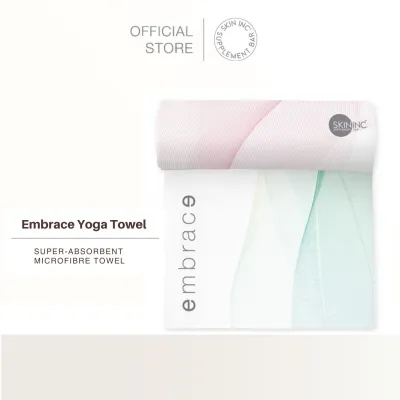
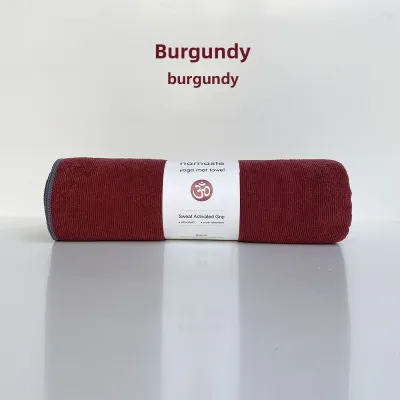
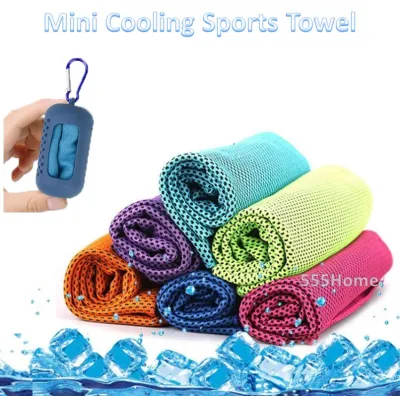
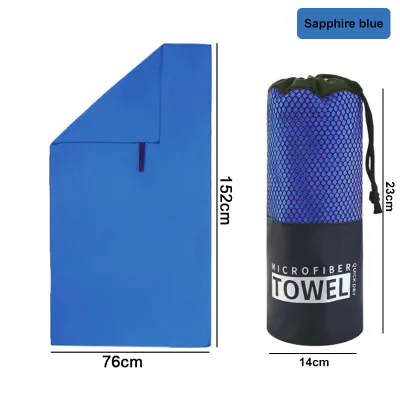
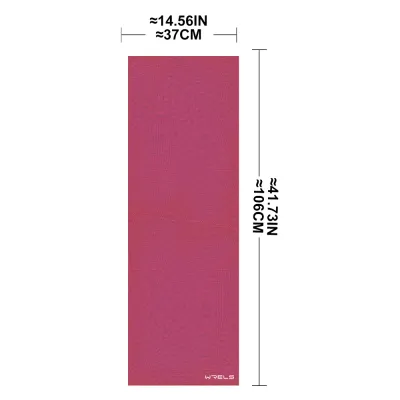
Prices are valid at publication and may change. Please refer to the product page for the latest price.
Slipping during dynamic movements is not just frustrating; it introduces a genuine risk of joint strain or muscle injury. When your hands or feet slide unexpectedly, your body instinctively tenses to compensate, throwing off your alignment and overloading minor muscle groups. A dedicated yoga towel acts as an absorbent top layer that pulls moisture away from your contact points, maintaining a stable surface even during the sweatiest sequences. This traction allows you to focus on proper form rather than struggling to stay upright.
Beyond physical safety, hygiene is a critical factor, particularly in busy communal studios. Shared rental mats can harbor sweat, oils, and bacteria from previous practitioners. Placing a personal, easily washable yoga towel over a studio mat creates a clean, sanitary barrier. It protects your skin from direct contact with shared surfaces while keeping your personal mat pristine, preventing sweat from degrading the mat’s material and extending its overall lifespan.
Key Features to Evaluate Before Buying
Selecting the right yoga towel requires looking past color and aesthetics to evaluate specific performance metrics. Since no single towel excels in every environment, matching these key features to your practice style ensures you get the support you need.

- Grip Technology: The underside of a yoga towel must remain anchored to the mat beneath it. Manufacturers achieve this through two primary designs: physical traction elements or moisture-activated fibers. Physical elements include silicone nubs, rubberized dots, or textured corner pockets that hook onto the mat's edges. These provide immediate mechanical grip from the moment you lay the towel down. Conversely, suede-like microfiber towels rely on moisture-activated friction. These towels feel relatively smooth when dry but become increasingly grippy as they absorb moisture, making them highly effective for heavy sweaters but requiring a pre-practice spritz of water if you start dry.
- Absorbency vs. Drying Speed: A high-performing hot yoga towel must strike a balance between holding liquid and drying efficiently. Most options utilize polyester-nylon microfiber blends because these synthetic fibers can absorb several times their weight in water. However, a towel that is too thick can become water-logged, heavy, and slow to dry, which is a major drawback in Singapore's humid climate. Look for medium-density weaves that offer high capillary action—wicking sweat away from your skin instantly—while remaining thin enough to dry within a few hours after washing.
- Size and Coverage: To prevent dangerous bunching and sliding, your towel should match or slightly exceed the dimensions of your yoga mat. Standard yoga mats typically measure 173 cm to 183 cm in length and 61 cm to 66 cm in width. If your towel is too small, your hands or feet may slip off the edges onto the bare mat. If it is too large, excess fabric can drape over the sides, creating a tripping hazard. Some premium towels feature elastic corner pockets that slip over the corners of your mat, ensuring the fabric remains taut throughout dynamic transitions.
- Weight and Portability: For urban practitioners commuting to studios via the MRT or bus, every gram counts. A heavy, bulky towel can quickly become a burden when packed alongside work clothes and water bottles. Lightweight, tightly woven microfiber towels fold down into compact bundles, often the size of a small water bottle, making them ideal for active lifestyles. However, ensure the material is dense enough that it does not bunch up easily underfoot during lateral movements.
Top Yoga Towel Types for Intense, Sweaty Sessions
Skidless Microfiber Towels with Grip Dots
This category is engineered specifically for practitioners who experience significant mat movement or engage in vigorous, fast-paced styles like Power Vinyasa or Bikram yoga. These towels feature a pattern of small silicone or rubber dots laminated onto the underside of the microfiber fabric. When placed on a standard PVC or rubber mat, these dots bite into the surface, preventing the towel from shifting, bunching, or sliding forward during high-impact transitions.
Popularized by industry leaders such as Manduka (with their Yogitoes series) and various specialized wellness brands, this design offers immediate, reliable traction from your very first Sun Salutation. Because the physical dots handle the anchoring, you do not need to wait until you start sweating for the towel to stay in place. This makes them highly versatile for classes that start slow and build up to a sweat-heavy peak.
However, there are a few trade-offs to keep in mind. The addition of silicone dots increases the overall weight and bulk of the towel when folded. Furthermore, some practitioners find the textured feel of the dots noticeable or slightly uncomfortable against their skin during floor-based postures, yin poses, or Savasana. If you have highly sensitive skin or prefer a completely flat surface, you may want to consider other options.
Suede-Finish Wet-Grip Towels
For yogis who prefer a seamless, completely flat surface underfoot, suede-finish microfiber towels are an exceptional alternative. These towels do not use physical silicone dots; instead, they rely on the unique properties of ultra-fine synthetic fibers woven into a soft, suede-like texture. When dry, this material feels smooth and gentle against the skin, but as soon as it absorbs moisture, the fibers expand and create a strong, slip-resistant bond with both your skin and the mat.
This moisture-activated grip makes them a favorite for practitioners who sweat heavily throughout their practice. If you tend to have dry hands and feet at the start of a class, you can easily activate the grip by lightly misting the towel’s contact areas with a spray bottle before you begin. Once damp, the surface provides a reliable, uniform grip that supports deep stretching and stable standing poses.
Because they lack silicone backing, suede-finish towels are highly versatile. They are comfortable for restorative sessions, double as a lightweight travel towel, and can be folded exceptionally tight. They are also easier to care for, as there are no rubber elements that can degrade, melt, or peel off in the wash over time.
Lightweight and Quick-Drying Travel Options
Navigating a tropical, high-humidity environment requires gear that can handle rapid transitions from sweaty studio sessions to daily commutes. Lightweight travel yoga towels are constructed from ultra-thin, high-density microfiber weaves designed to prioritize portability and rapid moisture evaporation.
These towels are incredibly compact, often weighing less than 300 grams and folding down to a fraction of the size of a standard dot-backed towel. The thin fabric allows air to circulate freely through the weave, which drastically accelerates drying times. This quick-drying capability is crucial for preventing the growth of mildew and unpleasant odors when the towel must sit in a closed gym bag during your workday.
The primary trade-off with ultra-lightweight options is their limited liquid capacity. If you sweat heavily, a very thin towel can become saturated more quickly than its thicker counterparts, which may require you to adjust or wring it out during an intense 90-minute class. They also lack the heavy-duty anchoring of silicone-dot models, meaning they rely entirely on surface tension and flat placement to stay secure.
Maintenance and Washing Tips for Humid Weather
Proper care is essential to maintain the performance, hygiene, and longevity of your yoga towel, especially in warm and humid conditions. Sweat, body oils, and residual lotions can quickly accumulate in the microfiber, clogging the weave and reducing its natural slip-resistance.
- Washing Frequency and Detergent Choice: Always wash your yoga towel after every single hot yoga session. Leaving a damp, sweat-soaked towel in your laundry hamper for days invites rapid bacterial growth and persistent sour odors. Machine wash the towel in cold or lukewarm water using a mild, clear detergent. Crucially, never use fabric softeners or liquid bleach. Fabric softeners leave a microscopic, waxy coating over the synthetic fibers, which completely ruins the towel's ability to absorb water and significantly degrades its grip. Bleach can weaken the synthetic fibers and cause silicone dots to break down prematurely.
- Drying Methods: Whenever possible, hang your towel to air-dry in a well-ventilated area with good airflow. In humid conditions, placing the towel near an open window or in a room with a ceiling fan running will speed up the drying process. If you must use a tumble dryer, select a low-heat or air-fluff cycle. High heat is the enemy of yoga towels; it can melt, warp, or peel the silicone grip dots on skidless models and damage the elastic fibers that keep the towel taut.
- Storage and Odor Prevention: Never fold and store your yoga towel in a closet or drawer if it is even slightly damp. Microfiber is highly efficient at trapping moisture, and any residual dampness in an enclosed space will lead to mildew. If your towel has developed a stubborn, musty odor that regular washing cannot remove, try washing it with a half-cup of white vinegar added directly to the rinse cycle. The vinegar helps break down trapped detergent residue and body oils, restoring both the towel's freshness and its original grippy texture.
Where to Find Authentic Yoga Towels in Singapore
To ensure you are purchasing a high-quality, authentic yoga towel that performs safely under wet conditions, it is best to source your gear from reputable channels. In Singapore, visiting physical retail locations allows you to touch and feel the material, helping you assess the thickness, weight, and grip texture before committing to a purchase.
Look for official brand boutiques in major shopping districts or specialized yoga and wellness studios, which often stock premium, instructor-approved gear. Reputable sporting goods stores and dedicated fitness retailers across the island also carry a reliable selection of authentic towels designed for high-performance athletic use.
If you prefer the convenience of shopping online, exercise caution when navigating general online marketplaces. Because counterfeit products with sub-standard microfiber and cheap, slippery silicone dyes are common, always verify the seller’s credentials. Look for authorized distributor badges, read detailed customer reviews focusing on long-term grip performance, and check the platform’s return policy. Purchasing directly from the brand’s official localized website or certified flagship stores on major e-commerce platforms remains the safest way to guarantee you receive a genuine, durable product.
Frequently Asked Questions (FAQ)
Can I use a regular beach towel or bath towel for hot yoga?
No, using a standard cotton bath or beach towel for hot yoga is highly discouraged due to safety and performance limitations. Standard cotton towels are designed to absorb moisture while remaining stationary; they lack any slip-resistant backing or specialized weaving to grip a yoga mat. When saturated with sweat, cotton fibers become heavy, stretched out, and incredibly slippery, causing the towel to bunch up under your feet. This lack of stability increases your risk of slipping and injury during active transitions. Furthermore, regular towels are far bulkier, making them difficult to pack and slow to dry in humid weather.
Do I need to wet my yoga towel before class?
Whether you need to wet your towel depends entirely on its grip technology. If you are using a suede-finish wet-grip towel, a light spritz of water on the areas where your hands and feet rest is highly recommended before you begin. These towels rely on moisture to activate their slip-resistant properties, so starting with a dry surface can lead to minor slipping during your initial warm-up. If you are using a skidless towel equipped with silicone or rubber grip dots, pre-wetting is generally unnecessary, as the physical dots provide immediate mechanical traction against the mat from the start.
How often should I replace my hot yoga towel?
Rather than following a strict calendar timeline, you should replace your hot yoga towel based on visible signs of wear and performance decline. Inspect your towel regularly for physical degradation, such as silicone grip dots peeling, cracking, or rubbing off the underside. Other indicators include a permanent loss of absorbency—where sweat pools on top of the fabric rather than soaking in—or a fabric that has worn thin and bunches up easily. Additionally, if the towel retains a persistent, sour odor even after being washed with vinegar or specialized sports detergents, bacteria have deeply colonized the fibers, and it is time for a replacement.
Community discussion
Share your experience or ask a question. Comments are reviewed before publication.