
Practicing hot yoga is an excellent way to build strength, flexibility, and cardiovascular endurance, but Singapore’s tropical climate introduces unique physical demands. When room temperatures are artificially elevated to 38°C or 40°C inside a studio, and the ambient humidity outside routinely exceeds 80%, your body’s natural cooling mechanism is pushed to its limits. Standard exercise mats quickly turn into slippery, hazardous surfaces as sweat pools on their non-porous materials. To maintain stability, protect your joints, and focus entirely on your practice, a high-quality yoga towel is an indispensable piece of equipment.
A dedicated yoga towel acts as a highly absorbent, high-traction barrier between your body and your mat. Unlike regular towels, these specialized accessories are engineered to grip tighter as they become wet, turning sweat from a safety hazard into a traction-boosting asset. Choosing the right design requires understanding how different materials, grip patterns, and anchoring systems interact with moisture and heat. This guide breaks down the essential features to look for and evaluates the most effective yoga towel designs to help you stay grounded during the sweatiest sessions.
The Unique Challenges of Hot Yoga in High Humidity
Singapore’s equatorial climate is characterized by uniform temperatures, high humidity, and abundant rainfall throughout the year. When you step into a hot yoga studio, these environmental factors compound. In a standard hot yoga class, the room is heated to simulate a tropical environment, but because the local air is already heavily saturated with moisture, your sweat cannot evaporate efficiently. Evaporation is the body’s primary method of cooling down; when it is hindered by high humidity, the body produces even more sweat in an attempt to lower its core temperature. This leads to a rapid, heavy accumulation of moisture on your skin, clothes, and yoga mat.
Products mentioned in this guide
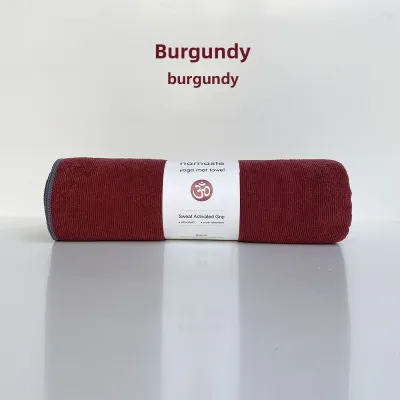
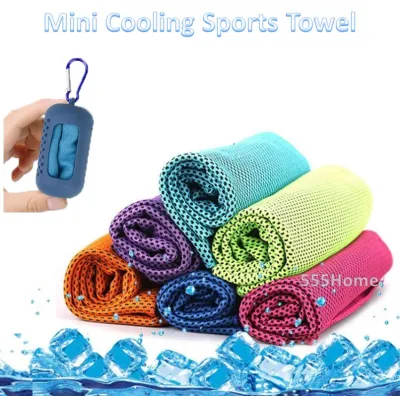
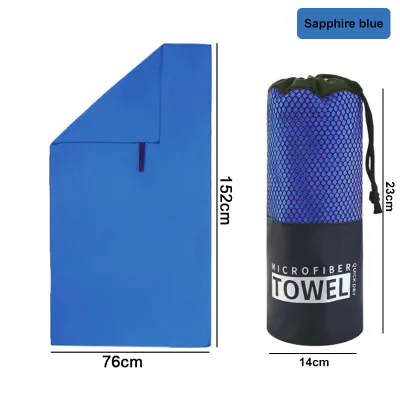
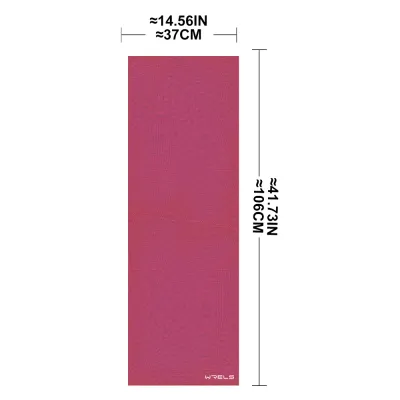
Prices are valid at publication and may change. Please refer to the product page for the latest price.
This excessive moisture poses immediate safety risks during dynamic transitions and weight-bearing postures. In foundational poses like Downward-Facing Dog (Adho Mukha Svanasana), your hands and feet must exert outward pressure to keep your spine lengthened. On a wet, unprotected PVC or TPE mat, your hands can easily slide forward, placing sudden, acute stress on your wrists, rotator cuffs, and lower back. Dynamic transitions—such as stepping or jumping forward from Downward Dog into a lunge, or moving through a rapid Vinyasa flow—become highly precarious. A bunching towel or a sliding foot can lead to pulled muscles, joint hyperextension, or sudden falls.
Beyond physical safety, the combination of heat, sweat, and tropical humidity creates an ideal breeding ground for bacteria, fungi, and mold. Standard yoga mats absorb sweat over time, leading to deep-seated odors and hygiene concerns. A high-quality yoga towel acts as a protective shield, absorbing the bulk of your sweat before it can penetrate the porous surface of your mat. However, in a humid climate, the towel itself must be capable of drying rapidly. If a towel retains moisture for too long after your practice, it will quickly develop a persistent, sour odor caused by mildew, making proper fabric selection and care absolutely critical.
What to Look For: Key Features for Maximum Grip and Absorbency
To select a yoga towel that can withstand the rigorous demands of a humid hot yoga session, you must look closely at the technical specifications of the product. Rather than relying on aesthetic designs or brand names, evaluate the towel based on its material composition, grip mechanisms, physical dimensions, and quick-drying capabilities.

Material and Weave
The foundation of any high-performance yoga towel is its fabric composition. The vast majority of modern yoga towels are made from high-density microfiber, which is a synthetic blend of polyester and polyamide (nylon). Polyester provides structural durability and quick-drying properties, while polyamide is highly absorbent and soft to the touch. The fibers are split during manufacturing to create microscopic channels that pull moisture away from your skin through capillary action. This allows a microfiber towel to absorb several times its weight in water while remaining incredibly lightweight and compact. In contrast, standard cotton terry cloth towels feature looped weaves that trap water, causing the towel to become heavy, soggy, and prone to bunching under your feet.
Grip Technology
A towel’s ability to stay firmly anchored to your yoga mat is what separates a specialized yoga accessory from a basic gym towel. Manufacturers utilize several distinct grip technologies to prevent slipping. The most common method is the integration of silicone or rubber nubs on the underside of the towel, which create physical friction against the mat. Another approach is bonding a continuous, ultra-thin layer of natural rubber or polyurethane to the microfiber top, creating a hybrid mat-towel that lies completely flat. For those who prefer a completely smooth surface, some towels feature mechanical anchoring systems, such as elastic corner pockets or straps that slip over the corners of your mat to hold the fabric taut.
Size and Coverage
For optimal safety and performance, your yoga towel must match the dimensions of your yoga mat as closely as possible. Standard yoga mats in Singapore typically measure approximately 173cm to 183cm in length and 61cm in width. If your towel is too small, it will leave the front or back of your mat exposed, creating slippery zones where your hands or feet might land during wide stances. Conversely, if the towel is too large, the excess fabric will drape over the edges or bunch up on the floor, creating a tripping hazard during active movements. Always measure your primary mat before purchasing a towel, and look for options that offer a snug, edge-to-edge fit.
Quick-Dry and Odor Resistance
In Singapore’s humid climate, a towel that takes days to dry is a liability. Microfiber is inherently quick-drying because its synthetic fibers do not absorb water into their core; instead, they trap moisture in the spaces between the fibers, allowing it to evaporate rapidly. To further combat the growth of mold and mildew in tropical conditions, many premium towels are manufactured with antimicrobial treatments, such as silver-ion or zinc-based finishes. These treatments inhibit the reproduction of odor-causing bacteria, ensuring your towel remains fresh even if you cannot wash it immediately after class.
Top Yoga Towel Designs for Sweaty Sessions
Different styles of hot yoga and varying sweat levels require different towel designs. Understanding the structural differences between these products will help you choose the design that best aligns with your practice, commute, and maintenance preferences.
Silicone-Dot Microfiber Towels
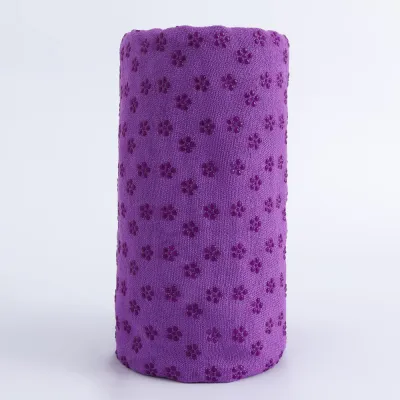
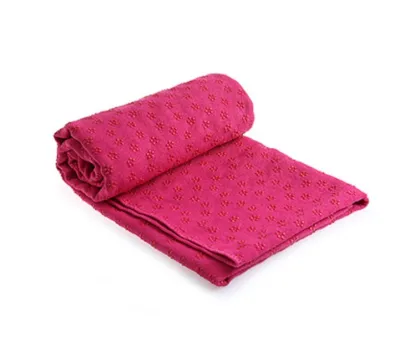
Silicone-dot microfiber towels are the most popular and versatile option on the market. These towels feature hundreds of small, slip-resistant silicone or rubber nubs heat-pressed onto the underside of a lightweight microfiber sheet. The silicone dots grip the surface of your yoga mat, preventing the towel from shifting or bunching during active movements.
These towels are exceptionally well-suited for dynamic, fast-paced flows like Vinyasa, Power Yoga, or Ashtanga, where you are constantly shifting your weight and transitioning between poses. Because they are made of thin microfiber, they are highly packable and lightweight. This makes them incredibly convenient for urban commuters in Singapore who need to pack their yoga gear into a work bag before heading to a studio in the Downtown Core or Orchard Road.
However, silicone-dot towels do have a few limitations. Synthetic microfiber can actually feel quite slippery when it is completely dry. To activate the grip, you often need to lightly mist the hand and foot areas of the towel with water at the beginning of class; once the fibers absorb a small amount of moisture, their traction increases dramatically. Additionally, over years of use and repeated washing, the silicone dots can compress, lose their tackiness, or peel off, gradually reducing the towel’s effectiveness.
Rubber-Backed or Suede-Mat Style Towels
For practitioners who experience extreme sweating or require absolute, unyielding stability, rubber-backed or suede-mat style towels offer a heavy-duty solution. These hybrid products typically feature an ultra-thin layer of natural tree rubber or thermoplastic elastomer (TPE) bonded directly to a soft, suede-like microfiber top sheet.
The primary advantage of this design is its superior anchoring capability. The heavy rubber base acts as a continuous non-slip barrier that clings to the yoga mat or the studio floor, ensuring the towel remains perfectly flat without a single wrinkle, regardless of how vigorously you move. The suede-like microfiber top is engineered to increase its grip as it absorbs moisture, making it ideal for high-intensity hot yoga sessions where sweat production is continuous.
The trade-off for this unparalleled stability is weight and bulk. These hybrid towels are significantly heavier than standard microfiber sheets, often weighing between 800 grams to over a kilogram. Carrying one in your commuter bag alongside a laptop can be cumbersome. Furthermore, the dense, multi-layered construction retains water much longer than thin microfiber. In a humid Singapore apartment, drying a rubber-backed towel thoroughly can take a significant amount of time, requiring dedicated airflow from a fan or air conditioner to prevent mildew.
Corner-Pocket and Anchor-Strap Towels
Corner-pocket and anchor-strap towels utilize a mechanical design to secure the fabric to your yoga mat. Instead of relying on friction-based backings like silicone dots or rubber layers, these towels feature triangular pockets sewn into the four corners, or heavy-duty elastic straps that stretch over the ends of your mat.
This design is highly favored by practitioners who dislike the tactile sensation of silicone dots or rubber backings. Because the underside of the towel is smooth microfiber, the towel remains soft, uniform, and comfortable under your hands, knees, and forehead during restorative poses or static holds. It provides a clean, seamless surface that mimics the feel of a traditional mat while offering excellent sweat absorption.
The main limitation of mechanical anchoring systems is their strict compatibility requirements. These towels are designed to fit standard-sized mats of specific thicknesses (usually 3mm to 5mm). If you practice on an extra-thick mat (such as a 6mm or 8mm cushioning mat) or a non-standard wide mat, the corner pockets may not stretch far enough, or they may snap under tension. If the towel is too loose for your mat, it will sag and slip in the center, defeating the purpose of the anchors. Always verify your mat’s dimensions and thickness against the manufacturer’s specifications before choosing this style.
How to Care for Your Yoga Towel in a Humid Climate
Proper maintenance is essential to preserve the performance, grip, and hygiene of your yoga towel, especially in Singapore’s warm, humid climate. Synthetic microfiber is highly durable, but it requires specific care to prevent the buildup of oils, detergents, and bacteria that can degrade its technical properties.
Pre-washing
Before taking your brand-new yoga towel to its first hot yoga class, it is crucial to run it through a washing cycle. During the manufacturing process, synthetic fabrics are often treated with chemical finishes, starches, or softeners to keep them looking pristine on store shelves. These residues leave a microscopic, slick barrier on the fibers that severely limits water absorption and causes immediate slipping. Washing the towel before its first use removes these residues, relaxes the split fibers, and activates the towel’s full wicking and grip potential.
Washing Rules
When washing your yoga towel, always select a cold or warm water cycle (maximum 40°C) with a mild, liquid laundry detergent. Avoid powder detergents, as un-dissolved powder particles can lodge themselves inside the microscopic pores of the microfiber, reducing its absorbency.
Crucially, never use fabric softeners or dryer sheets. Fabric softeners work by coating fibers with a thin layer of lubricating chemicals to make them feel soft. This coating completely clogs the capillary channels in microfiber, destroying its ability to wick away sweat and leaving you with a slippery towel. Additionally, avoid chlorine bleach, as it is highly corrosive and will break down the synthetic polyester-polyamide bonds, causing the fabric to shed fibers and degrading any silicone or rubber grip elements on the underside.
Drying Strategies
Drying laundry in Singapore can be challenging due to high humidity and frequent rain showers, particularly if you live in an apartment or HDB flat with limited outdoor hanging space. Leaving a damp microfiber towel to hang in a stagnant, humid room is a recipe for sour, musty odors caused by rapid bacterial growth.
To dry your towel safely and quickly indoors, hang it in a well-ventilated area with active airflow. Placing a standing fan or a circulator fan to blow directly on the towel will drastically speed up evaporation. Alternatively, hang the towel in an air-conditioned room or in a space where a dehumidifier is running. If you prefer to use a dryer, always select a low-heat or air-fluff setting. High heat can melt silicone dots, warp elastic corner straps, and cause natural rubber backings to crack and peel.
Storage
After a sweaty hot yoga session, never roll your damp towel up inside your yoga mat or leave it crumpled at the bottom of a closed gym bag. The dark, warm, and moist environment inside a gym bag is a perfect incubator for mold, mildew, and odor-causing bacteria.
Instead, transport your used towel home in a breathable mesh bag that allows some moisture to escape. As soon as you arrive home, either wash the towel immediately or hang it up in a well-ventilated area to dry completely. Never fold or store your yoga towel in a closed wardrobe or drawer until it is entirely bone-dry. If you notice a persistent musty smell even after washing, you can run the towel through a wash cycle with half a cup of white vinegar in the fabric softener compartment to neutralize the odor-causing bacteria without damaging the fibers.
Frequently Asked Questions (FAQ)
Can I use a regular beach towel or bath towel for hot yoga?
No, regular beach or bath towels are highly unsuitable and potentially dangerous for hot yoga. Standard cotton towels are woven with thick, heavy loops designed to absorb standing water after a shower, but they lack any form of non-slip backing. When placed on a smooth yoga mat, a cotton towel will slide, bunch, and ripple under your feet as you move, creating a severe tripping and slipping hazard. Furthermore, cotton absorbs water slowly and retains it within its core, causing the towel to become heavy, soggy, and cold during your practice, which can disrupt your body temperature and focus.
Do I need to wet my yoga towel before class?
This depends entirely on the specific design of your towel and the manufacturer’s instructions. Many silicone-dot and suede-style microfiber towels require a light misting of water on the hand and foot areas at the beginning of class to activate their grip. Synthetic microfiber can feel dry and slippery when first laid out; introducing a small amount of moisture causes the split fibers to swell, creating the surface tension needed for immediate traction. However, some advanced hybrid towels with specialized polyurethane surfaces do not require pre-wetting. Always consult the care and usage instructions provided by the manufacturer of your specific towel.
How often should I replace my hot yoga towel?
Rather than relying on a strict calendar timeline, you should monitor your yoga towel for visible signs of wear and performance degradation. Consider replacing your towel if you observe that the silicone dots are peeling, cracking, or flattening, as this directly compromises its grip on your mat. Other key indicators include a noticeable loss of water absorbency—where sweat pools on top of the fabric rather than sinking in—or a persistent, sour odor that survives multiple hot washes and vinegar treatments. For a regular practitioner attending hot yoga classes two to three times a week, a high-quality towel typically lasts between one to two years of consistent use before requiring replacement.
Community discussion
Share your experience or ask a question. Comments are reviewed before publication.