
A high-quality yoga wall rope system can transform your home practice by introducing traction, support, and deep alignment opportunities that are difficult to achieve on a standard mat. Unlike portable props, wall ropes rely on secure vertical anchoring to suspend or support your body weight, allowing you to decompress the spine, open tight joints, and explore advanced inversions with confidence.
When selecting a yoga wall rope for your home space in Singapore, your decision should center on three main factors: wall compatibility, adjustable length mechanisms, and handle padding. Because local homes vary from solid concrete flats to hollow drywall partitions, verifying your wall’s structural integrity is the most critical step. Additionally, choosing ropes with secure locking hardware and ergonomic padding ensures your practice remains safe, comfortable, and sustainable over time.
Why Add a Yoga Wall Rope to Your Home Studio?
While standard yoga straps and blocks are excellent for extending your reach or modifying basic poses, they operate under different physical principles than a wall-anchored system. Standard straps rely entirely on your own muscular effort to create tension, which can sometimes lead to unnecessary gripping or strain. A wall rope, conversely, provides a fixed, immovable pivot point. By anchoring your weight against the wall, you can use gravity to create passive traction, gently lengthening the spine and unloading pressure from compressed joints.
Products mentioned in this guide
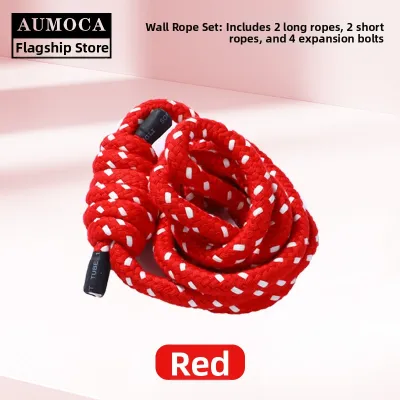
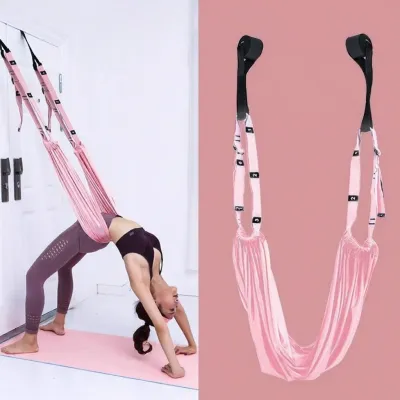
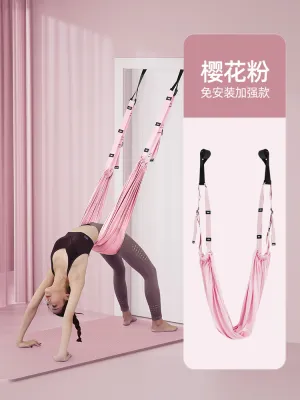
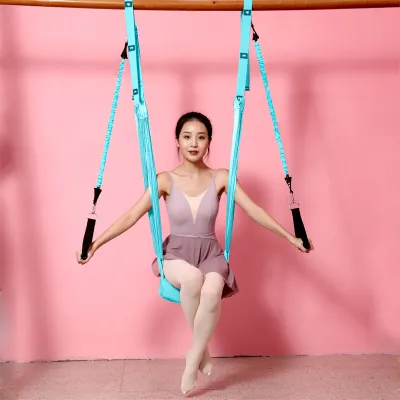
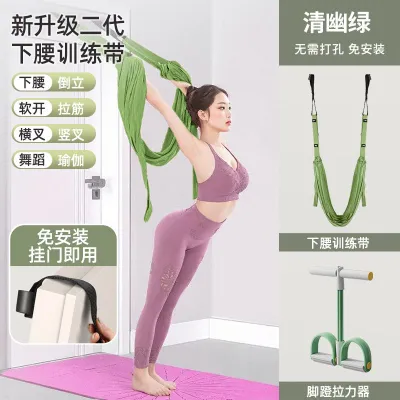
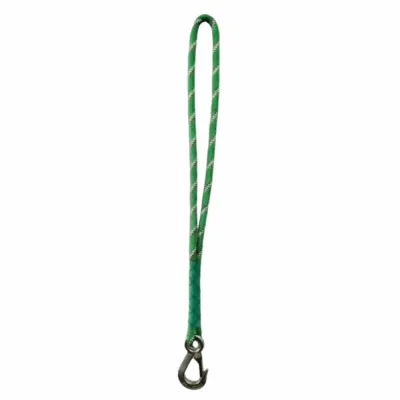
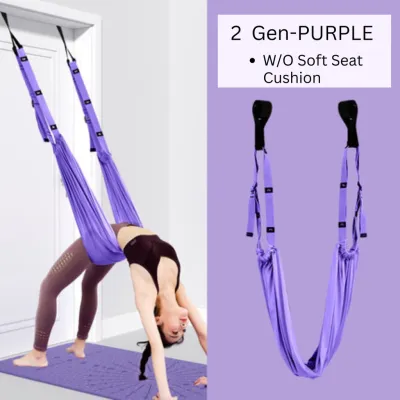
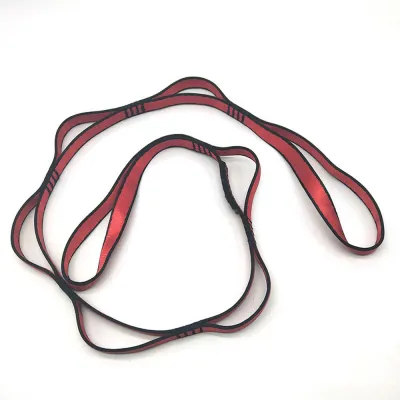
Prices are valid at publication and may change. Please refer to the product page for the latest price.
This stationary support changes how your body interacts with gravity. It allows you to isolate specific muscle groups, open deep connective tissues, and hold challenging postures without the constant struggle to maintain balance. Whether you are working through physical limitations or seeking to deepen an established practice, the wall rope serves as a versatile partner that adapts to your body’s daily needs.
Support for Beginners and Rehabilitation
For those who are new to yoga or recovering from physical injuries, a wall rope system offers a highly controlled environment to build strength and flexibility. One of the greatest hurdles for beginners is the fear of falling, particularly during balance poses or mild inversions. The ropes act as a secure harness, stabilizing the pelvis and torso so you can focus entirely on alignment and breath.
In a rehabilitation context, wall ropes allow you to perform therapeutic stretches without bearing your full weight. For example, a supported downward-facing dog using pelvic ropes unloads the wrists and shoulders, transferring the stretch into the hamstrings and lower back. This decompression is highly beneficial for managing chronic back pain or joint stiffness, allowing you to move through a safe range of motion under the guidance of your therapist or instructor.
Depth and Alignment for Advanced Practitioners
Experienced practitioners can use wall ropes to access deeper variations of advanced postures that are otherwise difficult to sustain. In deep backbends, such as Urdhva Dhanurasana (Wheel Pose), the ropes provide a steady upward and backward pull, helping to open the thoracic spine and shoulders while preventing compression in the lower back. This targeted traction allows you to remain in the pose longer, facilitating deep fascial release and expanding your lung capacity.
Furthermore, the flat surface of the wall acts as an objective alignment tool. When suspended or supported by the ropes, any asymmetry in your hips, shoulders, or spine becomes immediately apparent. You can use this tactile feedback to self-correct your posture, ensuring that your pelvis remains square and your weight is distributed evenly, which ultimately refines your muscle memory for your floor-based practice.
Key Specifications to Check Before You Buy
Investing in a wall rope system requires a close examination of technical specifications. Because this equipment must safely support your body weight, understanding the differences in materials, hardware, and construction is essential for long-term safety and utility.

Rope Material and Thickness
The material of your yoga wall rope directly affects its grip, comfort, and longevity. Natural cotton is a traditional and highly popular choice; it feels soft against the skin, offers a reliable natural grip, and is less likely to cause friction burns during active movements. However, cotton ropes can stretch slightly over time and require occasional washing to remove sweat and oils, which can be challenging if they are permanently knotted to hardware.
Synthetic materials like nylon or polyester webbing are incredibly durable, highly resistant to stretching, and easy to wipe clean. The trade-off is that synthetic fibers can feel rougher and may cause friction burns if they slide quickly against bare skin. Regardless of the material, check the rope’s thickness. A diameter of 12mm to 15mm is generally ideal for most hand sizes, providing a substantial grip that does not cause hand fatigue during long-held poses.
Buckle and Adjustment Mechanisms
An adjustable rope system is highly versatile, but the locking mechanism must be absolutely secure. Look for systems that utilize heavy-duty metal D-rings, climbing-grade carabiners, or sliding metal buckles. These components must be rated for high-load capacity and should slide smoothly when you want to adjust the length, yet lock instantly and completely when weight is applied.
In Singapore’s humid tropical climate, material selection for hardware is particularly important. Cheap steel buckles can rust quickly, compromising both the smooth operation of the adjustment mechanism and the structural integrity of the rope fibers. Prioritize marine-grade stainless steel or anodized aluminum hardware, which resists corrosion and maintains a smooth, reliable lock over years of use. Avoid any system that uses plastic adjustment buckles or low-grade zinc-plated steel.
Handle and Padding Quality
The contact points where the rope meets your hands, wrists, or thighs require adequate cushioning to prevent pain and restriction of blood flow. High-quality rope systems feature integrated handles or removable sleeves made from high-density foam or multi-layered padded cotton. These pads distribute your body weight over a wider surface area, preventing the rope from cutting into your skin during inversions or deep hanging stretches.
Avoid unpadded rope loops or hard plastic handles. Unpadded loops can pinch nerves and restrict circulation, especially when your full weight is suspended by your pelvis or ankles. Hard plastic handles, while durable, lack the flexibility needed to conform to the contours of your hands and limbs, which can lead to bruising or joint discomfort during dynamic movements.
Installation and Safety Rules for Singapore Homes
The safety of any yoga wall rope setup is entirely dependent on its installation. Before purchasing any equipment, you must evaluate your home’s structural layout and ensure you have a suitable wall surface that can handle significant dynamic forces.
Assessing Wall Types: Concrete vs. Drywall
Singapore residential properties feature distinct wall construction styles that behave differently under load. Most Housing & Development Board (HDB) flats are built with reinforced concrete structural walls or solid brick internal partitions. These walls are ideal for installing wall ropes, as solid concrete can easily support dynamic human weight when paired with high-quality masonry expansion anchors.
In contrast, many modern condominiums and retrofitted rooms utilize plasterboard, gypsum, or hollow drywall partition walls. These walls are designed purely to divide spaces and have very little load-bearing capacity. Attempting to mount a wall rope directly onto standard drywall will result in the anchors tearing out, causing severe wall damage and potential injury. Never install mounting plates on drywall unless a professional contractor has structurally reinforced the wall studs with solid timber or steel backing.
Drilling vs. Tension-Mounted Alternatives
If you live in a rental property or are unable to drill permanent holes into your walls, you must explore non-permanent alternatives. Over-the-door anchor straps and heavy-duty door-frame tension bars are common solutions. These systems allow you to practice without altering your home, but they come with strict weight limits and a higher risk of slipping.
When using a door-anchor system, always install the straps on the side of the door that closes toward the door frame. This ensures that when you pull on the ropes, your weight pulls the door firmly into its frame rather than pulling it open against the latch. Always check the manufacturer’s weight specifications for both the strap and your door frame, and inspect the door hinges regularly for signs of stress or wood splitting.
Load-Bearing Verification and Maintenance Checks
Before practicing, verify that your wall plates, anchors, and ropes are rated to support at least two to three times your static body weight. This safety margin is necessary because dynamic movements—such as swinging, dropping into a stretch, or transitioning between poses—exert significantly more force on the anchors than simply standing or hanging still.
Establish a routine maintenance schedule to ensure your setup remains safe. Before every practice, perform a quick visual check for any fraying on the ropes, split stitching on the handles, or stiffness in the carabiners. Every three months, check the wall plates and tighten any bolts that may have loosened slightly due to the vibration of regular use. If you notice any hairline cracks in the plaster surrounding your wall plates, stop using the ropes immediately and consult a qualified structural contractor to assess the wall’s integrity.
Which Yoga Wall Rope Setup Matches Your Skill Level?
Wall rope systems come in various configurations, ranging from simple fixed loops to highly adjustable multi-strap setups. Matching the equipment to your current experience level ensures you do not overcomplicate your practice or compromise on safety.
Beginner-Friendly Fixed-Length Sets
For those who are new to wall rope yoga, a classic four-rope system with fixed lengths is often the best starting point. This setup typically consists of two shorter ropes mounted at shoulder height and two longer ropes mounted near the floor. Because these ropes have fixed lengths, they do not feature complicated adjustment buckles, which significantly reduces the risk of user error during setup.
Fixed-length sets are highly durable, easy to maintain, and generally more affordable than adjustable systems. They are perfect for learning foundational poses, such as supported standing postures, gentle backbends, and basic traction. The primary limitation is their lack of customization; if you are exceptionally tall or short, or if you want to perform highly specific therapeutic adjustments, a fixed-length rope may not provide the precise positioning you need.
Adjustable Multi-Loop Systems for Intermediate Users
As you progress and begin practicing more complex sequences, you will need a system that allows for rapid height adjustments. Intermediate practitioners should look for adjustable multi-loop systems, which often utilize a “daisy-chain” strap design or sliding metal adjusters. These systems allow you to quickly change the height of your handles or foot loops without having to unknot or re-tie the ropes.
With a multi-loop system, you can transition smoothly from a standing shoulder opener to a low, supported lunge, and then to a partial inversion. This versatility keeps your practice fluid and engaging. When using these systems, always double-check that your carabiners are fully closed and locked into the correct loop before applying your weight, as a misplaced clip can lead to an uneven and unsafe suspension.
Heavy-Duty Restorative and Inversion Ropes
Advanced practitioners who focus on deep spinal traction, prolonged passive inversions, and therapeutic restorative yoga require a heavy-duty, professional-grade setup. These systems often feature wide pelvic slings, heavily padded underarm supports, and industrial-grade rigging hardware designed to distribute pressure comfortably over long periods of suspension.
Because these setups are designed for full-body suspension where your feet completely leave the floor, they demand the highest safety standards. The hardware must be heavy-duty, and the installation must be verified by a professional. Do not compromise on quality or attempt a DIY installation on questionable wall structures; a professional-grade inversion setup is an investment in your physical safety and should be treated with the utmost care.
Where to Buy and How to Verify Authenticity in Singapore
To ensure your safety, only purchase your yoga wall rope and mounting hardware from reputable, established sources. Look for official brand websites, specialized local yoga equipment distributors, or well-known fitness retailers. While online marketplaces offer a wide selection, they are also home to unbranded, ultra-cheap imitation ropes that lack certified weight ratings or use low-grade hardware.
When purchasing a system, look for clear safety certifications and explicit load-bearing ratings. Avoid any product that does not specify its maximum weight capacity or uses lightweight, unbranded carabiners. A reputable manufacturer will stand behind their product with a clear warranty against hardware defects and will offer replacement parts, such as individual ropes, carabiners, or replacement foam sleeves, so you can maintain your system over time.
Additionally, keep in mind that generic mounting kits included with imported ropes often contain standard plastic wall plugs designed for drywall. These are entirely unsuitable for Singapore’s solid concrete HDB walls. You must cross-reference the included hardware with your specific wall type. For concrete walls, you will need to purchase high-quality M8 or M10 steel masonry expansion bolts from a local hardware store to ensure a secure, permanent anchor.
Frequently Asked Questions (FAQ)
Can I use a yoga wall rope without drilling into the wall?
Yes, you can use temporary alternatives such as over-the-door anchor straps or heavy-duty door-frame tension bars. However, these systems are strictly limited to low-impact, grounded exercises where at least one foot remains firmly on the floor. They carry a higher risk of slipping and are not safe for full-body suspension or dynamic inversions. For a complete and safe practice, a permanently drilled wall anchor system is highly recommended.
How often should I inspect my wall rope for wear and tear?
You should perform a quick visual and tactile inspection before every practice session. Run your hands along the ropes to check for internal core damage or external fraying, and ensure all carabiners lock securely. Every three to six months, perform a thorough structural check of your wall plates and mounting bolts to ensure they have not loosened from the wall due to the dynamic forces of your practice.
Is a yoga wall rope the same as a yoga trapeze or aerial silk?
No, they are distinct systems designed for different types of movement and forces. A yoga wall rope is anchored horizontally to a vertical wall, providing lateral support, alignment reference, and grounded traction. Yoga trapezes and aerial silks, on the other hand, are suspended vertically from ceiling mounts or overhead rigs, requiring completely different vertical load-bearing calculations. Never attempt to hang wall ropes from a ceiling mount, as the angles of force are different and can cause the hardware to fail.
Community discussion
Share your experience or ask a question. Comments are reviewed before publication.