
To determine if the bg4500 basketball shoe is the right fit for your game, you must look closely at its technical specifications and structural design. Evaluating a basketball shoe requires analyzing how its midsole, outsole, and upper construction work together to support dynamic movements on the court. Whether you are a quick guard executing sharp cuts or a physical forward fighting for rebounds, understanding these specifications helps you make an informed decision based on your physical needs and playing environment.
Evaluating Cushioning and Impact Protection
The midsole of a basketball shoe serves as the primary barrier between your joints and the hard court surface. When analyzing the bg4500, evaluating how the cushioning setup manages the forces generated during high-impact landings and explosive jumps is essential. Midsole designs typically incorporate specialized foam, gel, or pressurized air compounds engineered to absorb shock and return energy. To understand the exact setup of this model, you should check the manufacturer’s official specification sheet or the product label, which will indicate whether the cushioning is distributed as a full-length unit or targeted specifically in high-impact zones like the heel and forefoot.
Choosing the right cushioning involves a direct trade-off between impact protection and responsiveness. Thicker, softer midsoles are generally preferred by heavier, high-impact players who require maximum joint protection to prevent fatigue and injury over long sessions. Conversely, a lower-profile, firmer midsole setup is highly advantageous for speed-oriented players who prioritize court feel, stability, and immediate energy transfer during rapid directional changes. To ensure the shoe aligns with your physical requirements, verify the exact material composition and the heel-to-toe drop on the manufacturer’s website, as marketing terminology can sometimes obscure the actual mechanical properties of the foam or cushioning units used.
Products mentioned in this guide
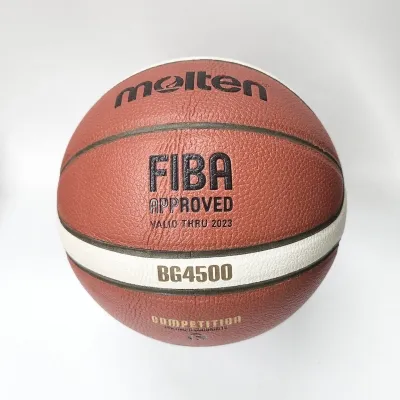
Prices are valid at publication and may change. Please refer to the product page for the latest price.
Assessing Traction and Outsole Durability
Traction is the foundation of court performance, directly affecting your ability to accelerate, stop, and change direction safely. When examining the outsole of the bg4500, pay close attention to the tread pattern and the hardness of the rubber compound. Classic patterns like herringbone, multidirectional grooves, or circular pivot points are designed to grip the floor from various angles. The depth and spacing of these grooves determine how effectively the outsole channels dust away, preventing slips on neglected court surfaces.

To assess whether this model is suitable for your typical playing environment, you must explicitly verify the manufacturer’s designated court surface specifications. Indoor hardwood courts benefit from softer, stickier rubber compounds that provide exceptional grip but wear down rapidly when exposed to abrasive surfaces. If you primarily play on outdoor concrete or asphalt courts, look for high-durability rubber compounds with deeper, wider grooves that can withstand intense friction. Keep in mind that even the most advanced traction patterns can lose efficiency when clogged with dust; establishing a simple routine of wiping the outsoles during play and cleaning them with a damp cloth afterward will help maintain consistent grip regardless of the initial specification claims.
Upper Construction, Lockdown, and Ankle Support
The upper construction of a basketball shoe dictates how well your foot is contained during lateral movements and explosive drives. Manufacturers utilize a variety of materials, including engineered mesh, synthetic leather, and woven textiles, each offering a distinct balance of weight, breathability, and structural support. Lightweight mesh uppers enhance airflow and reduce overall shoe weight, which can minimize foot fatigue during intense play, while synthetic overlays or woven materials provide superior lateral containment to prevent your foot from sliding over the edge of the footbed.
While collar height—whether low, mid, or high—is often associated with ankle protection, true ankle stability is governed by a combination of structural features rather than collar height alone. A stiff, internal heel counter, a wide outsole base, and a secure midfoot lacing system are the critical components that lock your foot in place and prevent inversion injuries. When evaluating the bg4500, inspect the lacing system for features like internal webbing loops or lateral outriggers that reinforce stability during hard cuts. Because foot shapes vary significantly, always consult the brand’s specific sizing chart and check verified user feedback regarding the shoe’s internal volume and width to ensure a secure, slip-free fit.
Matching BG4500 Specs to Your Playstyle and Court Needs
Selecting the right basketball shoe requires matching these technical specifications to your specific position, body type, and movement patterns. Speed-oriented guards who rely on quick acceleration and perimeter defense should prioritize lightweight uppers, low-profile cushioning for optimal court feel, and highly responsive traction. On the other hand, frontcourt players who engage in frequent jumping, physical post play, and rebounding should look for robust midsoles with high impact protection, structured uppers with reinforced lockdown, and a wider, more stable platform.
When comparing options, distinguish between secondary aesthetic features and critical performance dimensions. While colorways, cosmetic overlays, and branding elements do not impact your play, specifications such as torsional rigidity—often provided by a midfoot shank—impact protection, and outsole durability are vital to your safety and performance. To set realistic expectations, cross-reference the official weight and structural specifications of the bg4500 with your current, most comfortable basketball shoes. This comparison will help you gauge the transition period, estimate the necessary break-in time, and ensure that the shoe’s mechanical properties support your athletic goals on the court.
Frequently Asked Questions (FAQ)
Is the bg4500 suitable for outdoor basketball courts?
Outdoor suitability depends entirely on the rubber compound’s abrasion resistance and tread depth. You should check the manufacturer’s designated court surface specifications on the product label or official website. Using an indoor-specific soft rubber outsole on rough outdoor concrete will result in rapid, irreversible wear and a significant loss of traction.
How does the bg4500 fit compared to standard athletic shoes?
Basketball shoes often fit differently than standard running or casual shoes due to their reinforced internal padding, structural overlays, and wider bases designed for lateral stability. To find the correct fit, consult the brand’s official sizing chart and look for verified player feedback regarding whether this model runs true to size, narrow, or wide.
Community discussion
Share your experience or ask a question. Comments are reviewed before publication.