
Deciding between mounting your smartphone to your handlebars or investing in a dedicated bike computer is a common crossroads for cyclists. If you primarily cruise along the flat, scenic paths of the Park Connector Network (PCN) for an hour or two on weekends, your smartphone is likely all you need. However, as your mileage increases, or if you begin venturing into structured training and long-distance road routes, the limitations of a phone quickly become apparent. Choosing the right tool depends on how you ride, how far you go, and what kind of data you want to track.
Signs Your Smartphone Is Enough for Your Rides
For casual cyclists and weekend hobbyists, the smartphone in your pocket is already a highly capable GPS tracker. If your typical outings consist of short, recreational rides lasting under two hours, a phone can easily handle the task without requiring any extra financial investment. Most modern smartphones feature highly accurate built-in GPS chips that can map your route and calculate your average speed through free cycling apps.
If you do not require real-time performance metrics like pedaling cadence or precise power output, a phone is more than sufficient. Standard fitness tracking apps provide clear post-ride summaries, including elevation gain, distance, and estimated calorie burn. This level of data is perfect for keeping a casual log of your active lifestyle without complicating your handlebars.
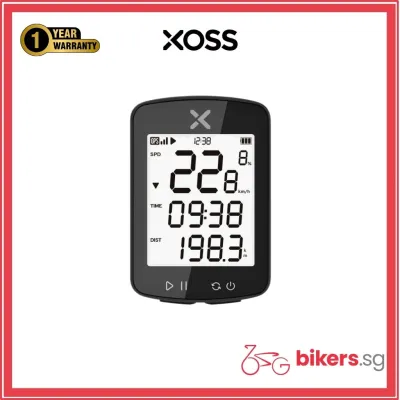
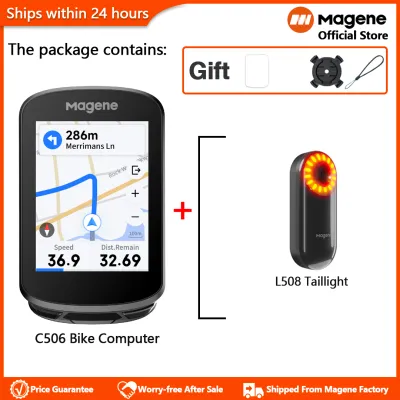
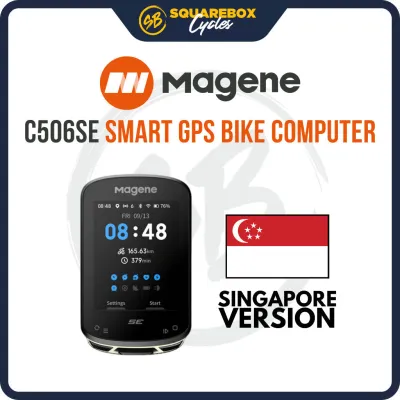
Products mentioned in this guide
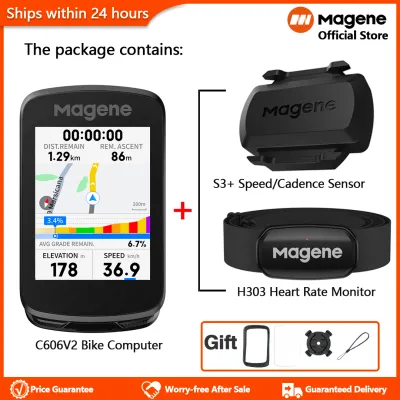
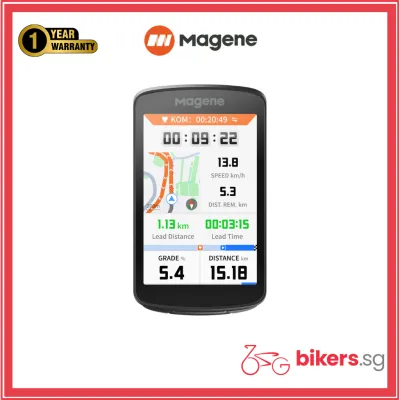
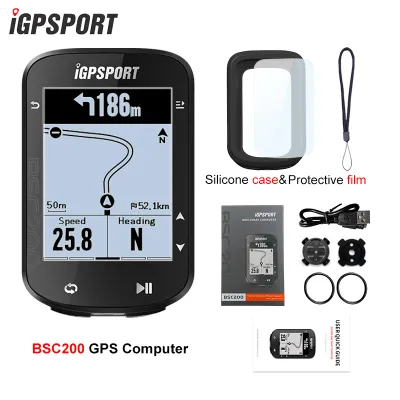
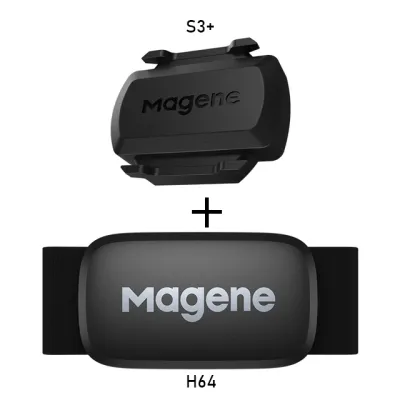
![[Magene SG] Magene C506SE Smart GPS Bike Computer](https://img.lazcdn.com/g/p/1c971baf660818afddbc41b9c1f595c0.jpg_400x400q80.jpg_.webp)
Prices are valid at publication and may change. Please refer to the product page for the latest price.
Budget is another major factor to consider. Utilizing a device you already own allows you to allocate your budget toward essential safety gear, such as a high-quality helmet, front and rear lights, or comfortable riding apparel. For those who only ride occasionally when the weather is clear, spending several hundred S$ on a single-purpose gadget may not offer a practical return on investment.
When a Dedicated Bike Computer Becomes Necessary
As your cycling progression leads to longer road sessions or structured training plans, the technical limitations of a smartphone start to surface. Serious training often requires monitoring physiological and mechanical data in real time. Dedicated bike computers excel at maintaining stable, simultaneous connections to multiple external sensors, such as heart rate monitors, speed sensors, cadence sensors, and power meters, using dual-band wireless protocols.

Battery management is another critical boundary. Running a smartphone screen continuously with GPS tracking active drains the battery rapidly, often leaving you with a dead phone in less than three hours. On long-distance endurance rides, such as a full round-island route, a dead phone is not just an inconvenience; it is a safety hazard that leaves you without a way to make emergency calls. Bike computers are engineered for low power consumption, with many models easily delivering 15 to 40 hours of continuous tracking on a single charge.
Environmental durability is the final major differentiator. Riding in tropical climates means dealing with intense, direct sunlight that can cause smartphones to overheat and shut down automatically to protect their batteries. Furthermore, sudden afternoon downpours can ruin a non-waterproof phone, whereas dedicated bike computers carry robust water-resistance ratings designed to withstand heavy rain and road spray.
Feature Comparison: Phone Apps vs. Bike Computers
To choose the right device, it helps to compare how these two options perform across key operational categories. Screen readability is a prime example. Smartphones use high-resolution, emissive displays that require maximum brightness to be visible under direct sunlight, which generates significant heat and drains power. Bike computers typically utilize transflective displays that reflect ambient light, meaning they actually become clearer and easier to read the brighter the sun shines, all while consuming minimal power.
Sensor connectivity also differs significantly. While some smartphones can pair with Bluetooth sensors, they often struggle to maintain multiple simultaneous connections or support the ANT+ protocol, which is the cycling industry standard for power meters and smart trainers. Bike computers are built specifically to aggregate these signals seamlessly, ensuring your training data is recorded without dropouts.
Mounting security and physical resilience are also vital for protecting your gear. A smartphone is large, heavy, and expensive to replace if a mount fails on a bumpy road or during a sudden stop. Bike computers are compact, lightweight, and utilize highly secure quarter-turn mounting systems that keep the device tucked safely out of the way of your knees and the wind.
The following table outlines the core differences to help you evaluate which device aligns with your riding style:
| Feature | Smartphone Apps | Dedicated Bike Computers |
|---|---|---|
| Battery Life | Typically 2–4 hours with screen on | 15–40+ hours of continuous tracking |
| Screen Readability | Poor in direct sunlight; prone to overheating | Excellent; transflective screens use ambient light |
| Weather Resistance | Variable; requires bulky waterproof cases | High; standard IPX7 water resistance |
| Sensor Pairing | Limited Bluetooth; rarely supports ANT+ | Seamless dual-band ANT+ and Bluetooth |
| Mounting Security | Bulky mounts; higher risk of vibration damage | Compact, secure quarter-turn out-front mounts |
| Primary Cost | Free to low-cost app subscriptions | S$150 to S$800+ one-time hardware purchase |
How to Make Your Final Decision
Before purchasing any new hardware, the most practical step is to test your current smartphone setup on your typical routes. Mount your phone using a secure handlebar bracket and run your preferred cycling app on a standard ride. Take note of how much battery remains afterward, whether the screen was easy to read at a glance, and if the device felt excessively hot to the touch. This hands-on trial will highlight your specific pain points.
Next, consider your long-term cycling goals. If you plan to increase your weekly mileage, join fast-paced group rides, or begin a structured training program to improve your fitness, a bike computer is a logical upgrade that supports your progression. However, if your goals are centered around casual commuting or relaxed weekend exploration, keeping your setup simple with a smartphone is highly practical.
Ultimately, you should weigh whether the S$ investment in a dedicated device translates to a meaningful improvement in your riding experience. If you find yourself constantly worrying about your phone’s battery life or struggling to read your navigation cues, the convenience, safety, and reliability of a dedicated bike computer are well worth the cost.
Frequently Asked Questions (FAQ)
Can I use my phone as a bike computer temporarily?
Yes, using your phone is an excellent way to start tracking your rides. To do this safely, invest in a high-quality, mechanical-locking handlebar mount rather than a cheap silicone strap to prevent vibration damage. To conserve your phone’s battery during trial rides, turn off background app refresh, lower your screen brightness, and consider keeping the screen off, relying on audio cues for navigation instead.
Do bike computers require a monthly subscription for full features?
No, dedicated bike computers do not require ongoing monthly subscriptions to access their core features. Your one-time hardware purchase covers GPS tracking, sensor connectivity, data fields, and offline map navigation. While some companion smartphone apps offer optional premium subscriptions for advanced training analysis or live tracking features, the vast majority of cyclists can utilize the device’s full capabilities entirely free of ongoing fees.
Community discussion
Share your experience or ask a question. Comments are reviewed before publication.