
Finding the right swim goggles for an infant or toddler involves comparing specific design features, material safety, and fit rather than looking for a single, universally perfect brand. While Blumi baby goggles have gained attention among parents in Singapore, comparing them to other popular market alternatives requires a systematic look at physical seals, strap comfort, lens safety labels, and price points. The ideal choice depends on verifying how well a specific pair matches your baby’s unique facial structure, skin sensitivity, and comfort during water play. By focusing on observable product specifications and physical checks, parents can confidently select gear that protects their child’s eyes without causing distress or skin irritation.
In Singapore’s tropical climate, year-round swimming is a popular way to build early water confidence. However, parents must remember that swim gear is a supportive tool designed for comfort, not a safety device. Goggles cannot replace active adult supervision, proper water safety training, or professional swim instruction. Before introducing any goggles to your baby, it is essential to understand their physical limits, ensure they are used correctly, and know when to stop using them if your baby shows signs of discomfort.
Key Factors to Compare When Choosing Baby Swim Goggles
When shopping for baby swim goggles, the first step is to look past the colorful designs and focus on the technical specifications printed on the packaging. High-quality infant goggles must feature materials that are safe for delicate skin. Parents should look for clear declarations of hypoallergenic silicone or thermoplastic rubber (TPR) gaskets. The depth and shape of the eye cups are critical; because infants have flatter nasal bridges and shallower eye sockets than older children, deep eye cups can press uncomfortably against the orbital bone or fail to create a proper seal, leading to leaks.
Products mentioned in this guide
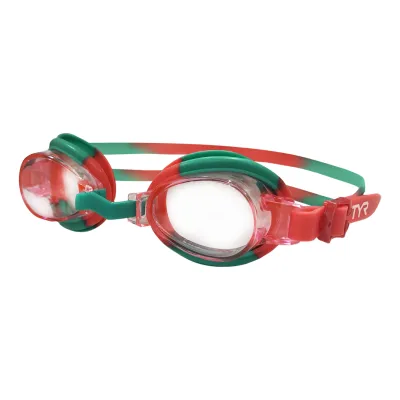
![[SG Stock] Kids Goggles Wide Lens Swim Mask Swimming Quick Release Anti Fog UV Adjustable Google Children](https://img.lazcdn.com/g/p/605fd0c52b20b0f0413cdac9e154fb65.jpg_400x400q80.jpg_.webp)
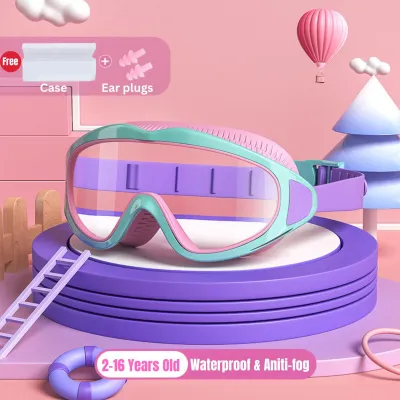
Prices are valid at publication and may change. Please refer to the product page for the latest price.
Strap mechanisms are another vital comparison point because fine baby hair is highly susceptible to pulling and tangling. A painful experience with a strap can quickly cause an infant to develop a fear of wearing goggles or entering the pool. When evaluating different brands, look for straps featuring soft fabric covers, such as neoprene, or wide, split-silicone designs that distribute pressure evenly across the back of the head. These designs help keep the goggles secure without requiring the strap to be pulled excessively tight.
Lens specifications are equally important, especially for outdoor swimming pools in Singapore where sun exposure is a daily factor. Parents should verify UV protection claims directly on the manufacturer’s label, looking for explicit ratings such as UV 400 or a high percentage of ultraviolet block. Additionally, check for factory-applied anti-fog coatings, which prevent the lenses from misting up due to the temperature difference between the warm tropical air and cooler pool water, ensuring your baby maintains clear vision throughout their swim.
Finally, pay close attention to the manufacturer’s stated age ranges or head circumference limits. While these guidelines provide a helpful starting point, babies grow at highly individual rates, meaning a pair labeled for six to twelve months might fit one baby perfectly but be too tight for another. Measuring your baby’s head circumference before purchasing allows you to compare the physical dimensions of the goggles against your baby’s actual size, reducing the likelihood of buying an ill-fitting pair.
Evaluating Blumi Baby Goggles Against Market Alternatives
When shopping at local sports retailers or browsing online marketplaces in Singapore, parents should focus on physical inspection rather than marketing claims. Comparing Blumi baby goggles with other established swim brands requires a hands-on evaluation of material flexibility. Gently pressing the gaskets of different goggles allows you to feel the difference in pliability, which directly affects how comfortably the goggles will sit on your baby’s face.

Examine the adjustment mechanisms of each brand. Some goggles use side-clip adjusters, while others feature rear-buckle systems or hook-and-loop fasteners on neoprene straps. Testing these mechanisms in-store or checking detailed product photos online helps determine if you can easily adjust the fit while your baby is moving or restless.
Always read the product inserts and packaging tags for specific care instructions and warranty conditions. Different brands have varying guidelines regarding exposure to chlorinated water, saltwater, and direct sunlight. Verifying these details on the packaging ensures you understand the maintenance required to keep the materials from degrading prematurely in Singapore’s humid climate.
Seal and Strap Design
The gasket seal is the primary barrier against chlorinated water. When comparing Blumi to other brands, observe the thickness and softness of the silicone or TPR gaskets. A high-quality gasket should feel soft to the touch and compress easily under light pressure. If the material feels rigid, it may require overtightening the strap to achieve a watertight seal, which can lead to discomfort and red marks around your baby’s eyes.
Strap adjustment sliders play a crucial role in maintaining a secure yet gentle fit. Inspect how the strap threads through the adjustment buckles on Blumi and competing models. Look for locking mechanisms that prevent the strap from slipping during active splashing, yet remain simple enough for a parent to adjust quickly with one hand while supporting the baby in the water.
Neoprene strap covers are an excellent feature to look for, especially for babies with fine or curly hair. Some brands include these covers as standard, while others require a separate purchase or use textured silicone straps instead. A fabric-covered strap glides smoothly over the head, reducing friction and preventing the painful hair-pulling that often causes infants to reject swim gear entirely.
Lens Features and Safety Labels
Lens safety is paramount when introducing infants to outdoor swimming. Parents should carefully inspect the packaging of Blumi and alternative brands to verify explicit UV protection ratings, such as UV 400 or specific percentage blocks. In Singapore’s high-UV environment, relying on clear, verified labeling is much safer than assuming all tinted lenses offer adequate sun protection.
Anti-fog treatments are standard on many modern baby goggles, but the durability of these coatings depends heavily on proper maintenance. Check the manufacturer’s instructions on the box to see how the anti-fog layer should be cleaned. Some brands warn against wiping the inside of the lenses with fingers or cloths, as this can scratch or rub off the protective chemical coating.
Look for explicit material specifications indicating that the lenses are made from shatter-resistant polycarbonate. This material is highly durable and protects your baby’s eyes from accidental impacts against pool walls, toys, or other swimmers. Avoid any unbranded or low-cost goggles that do not clearly state the lens material on their packaging, as standard plastic lenses can crack or splinter under pressure.
Price and Value Considerations in Singapore
In Singapore, baby swim goggles generally range in price from around S$15 to S$40, depending on the brand, material quality, and included accessories. When comparing Blumi to other popular brands at local sports outlets or online marketplaces, look beyond the initial price tag to evaluate the overall value. A slightly higher upfront cost may be justified if the goggles offer superior material durability that withstands daily exposure to chlorine and humidity.
Assess the accessories included in the packaging. Some brands package their goggles with a hard protective case, which prevents scratches during transport in a damp swim bag, while others might include interchangeable nose bridges of varying sizes or a specialized microfiber cleaning cloth. These additions can save you from having to purchase separate accessories later, adding clear value to your initial investment.
Consider the expected lifespan of the goggles relative to your baby’s growth rate. Check the manufacturer’s specifications for adjustable nose bridges or highly flexible frames that can expand as your child’s facial structure changes. Goggles that offer a wider range of adjustment may last through several growth spurts, providing better long-term value than a cheaper, rigid pair that your baby will outgrow in a matter of months.
Decision Framework: Which Goggles Fit Your Baby's Needs?
To make the final decision, start with a physical trial fit if possible. You might choose Blumi baby goggles if their specific seal shape contours naturally to your baby’s face without requiring tight strap tension, and if your baby remains calm and comfortable during a brief home trial. The flexibility of the frame and the ease of adjusting the strap are key indicators that the goggles will perform well during actual swim sessions.
Conversely, you should opt for an alternative brand if your baby’s facial structure requires a different nose bridge width, or if you need specific certified optical features—such as polarized lenses for high-glare outdoor pools—that may not be available in the Blumi lineup. Additionally, if your baby falls outside the recommended head circumference or age limits of Blumi, choosing a brand with a more specialized size range is the safer path.
Always verify the exact material composition on the product label before your baby’s first swim, especially if your child has sensitive skin or known material allergies. Look for latex-free and hypoallergenic certifications on the packaging. If you notice any signs of skin irritation, redness, or hives after a brief fitting, discontinue use immediately and check the label for potential irritants.
Remember that no piece of equipment can replace proper fit and comfort. If any pair of goggles leaves deep, persistent red marks around your baby’s eyes or causes visible distress during use, stop using them immediately. In such cases, it is highly recommended to consult a qualified pediatric swim instructor or a pediatric eye specialist for professional advice on alternative eye protection or fit adjustments.
Frequently Asked Questions (FAQ)
How tight should baby swim goggles be to prevent leaks?
To check if your baby’s swim goggles are adjusted correctly, perform a gentle visual inspection. The goggles should rest comfortably on the face, creating a light, natural suction without requiring the strap to be pulled tightly. If you notice deep skin indentations, red rings around the eyes, or if your baby tries to pull the goggles off, the strap is likely too tight. Adjust the strap incrementally, allowing just enough tension to keep the goggles in place while observing your baby’s facial expressions for any signs of discomfort or pressure.
Can I use anti-fog sprays on any brand of baby goggles?
Before applying any aftermarket anti-fog sprays or chemical solutions to your baby’s goggles, always check the manufacturer’s care label and instructions. Many baby goggles come with a delicate, factory-applied anti-fog coating that can be easily damaged or stripped by harsh third-party chemicals. Furthermore, because these sprays can migrate into your baby’s eyes during swimming, the safest and most reliable maintenance practice is to rinse the goggles thoroughly with clean, fresh tap water after each use and allow them to air dry completely in a shaded area.

Community discussion
Share your experience or ask a question. Comments are reviewed before publication.