
When choosing a travel companion for your daily coffee or iced beverages, understanding how different brands approach temperature retention is key to finding the right fit. The market features a wide variety of designs, from aesthetic lifestyle vessels to rugged, heavy-duty flasks. A common comparison arises between the stylish Bodum travel cup and established giants like Thermos and Stanley.
Deciding which brand offers better insulation is not about finding a single, universal winner. Instead, the answer depends entirely on the specific construction of the cup and your daily routine. While Stanley and Thermos generally specialize in heavy-duty, double-wall vacuum-insulated stainless steel designed for maximum, long-term temperature retention, Bodum often focuses on double-wall glass, plastic, or lighter stainless steel models. These are tailored more for aesthetic appeal, flavor purity, and short-commute convenience rather than surviving extreme outdoor conditions.
If your priority is keeping a beverage piping hot or icy cold for an entire day of outdoor activities, the heavy-duty vacuum engineering of Thermos or Stanley is highly suitable. Conversely, if you want a sleek, lightweight cup to carry your morning flat white from a local cafe to your office desk, a Bodum travel cup provides a highly practical and visually appealing solution.
Products mentioned in this guide
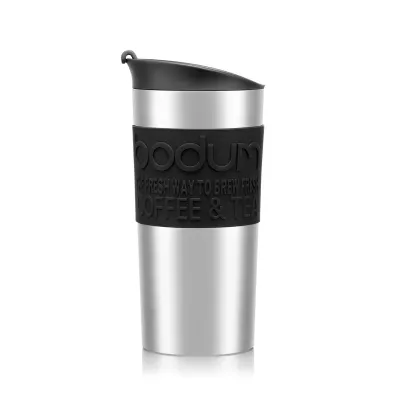
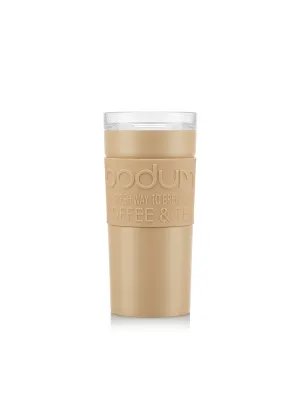
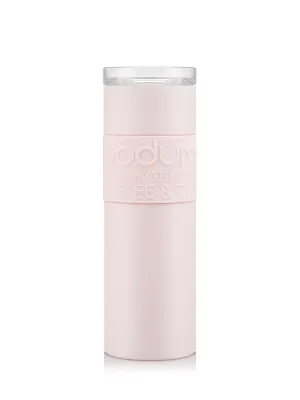
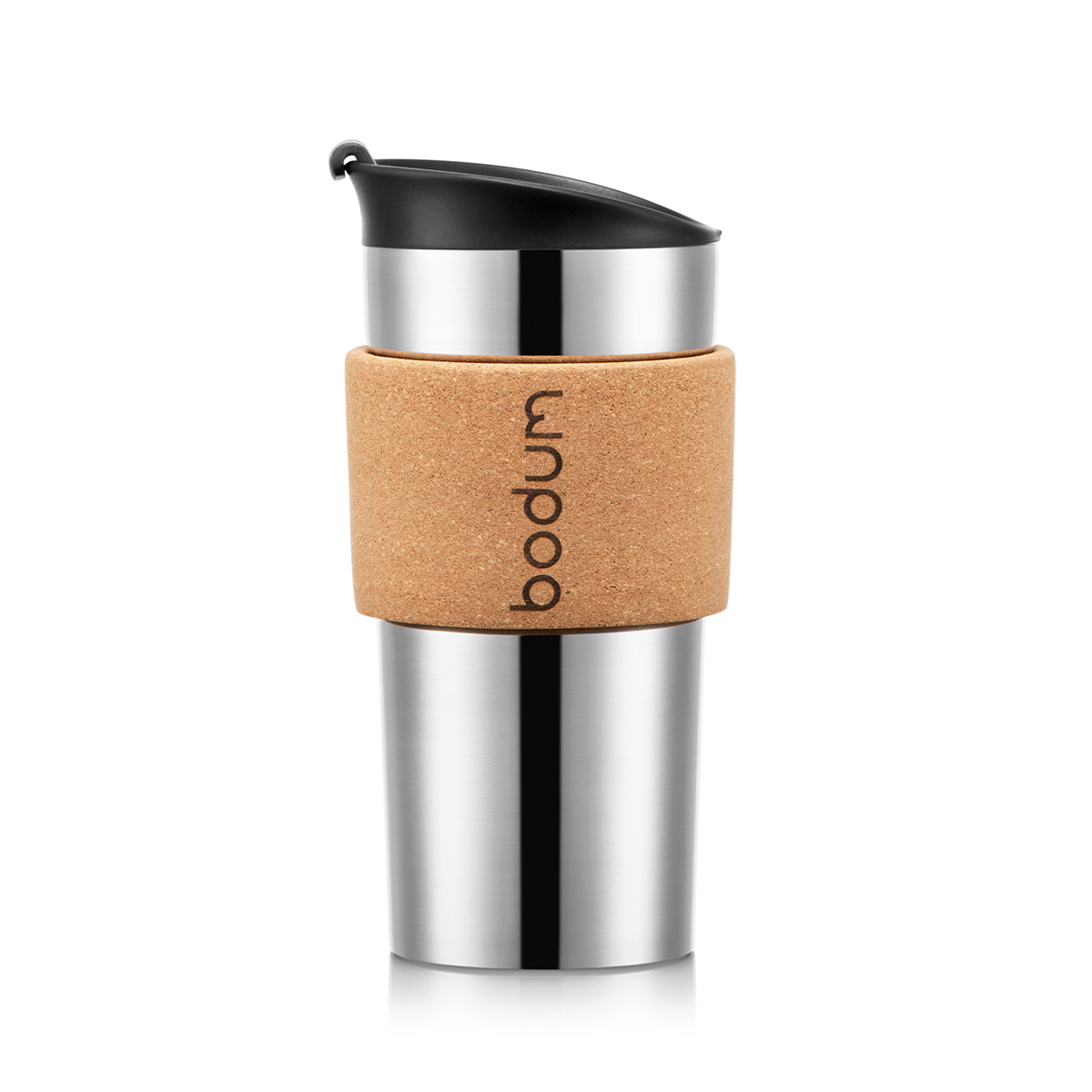
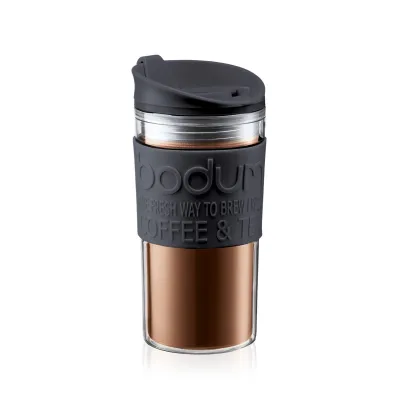
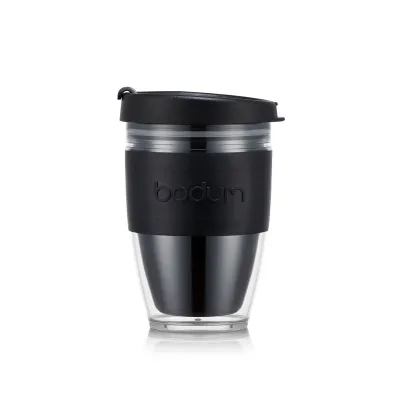
Prices are valid at publication and may change. Please refer to the product page for the latest price.
Insulation Technology: Bodum vs Thermos vs Stanley
To understand why these brands perform differently, it is helpful to look at the physics of thermal retention. Heat transfer occurs through three primary mechanisms: conduction, convection, and radiation. Conduction is the transfer of heat through direct physical contact, while convection is the movement of heat through fluids or air. Vacuum insulation works by removing the air between two walls of a container, creating a vacuum that virtually eliminates both conduction and convection. Radiation, the transfer of heat via electromagnetic waves, is often minimized by adding reflective coatings to the inner walls of the vacuum chamber.
Bodum's Material and Construction Variety
Unlike brands that rely almost exclusively on stainless steel vacuum designs, Bodum utilizes a diverse range of materials across its product lines. Understanding these differences is crucial when evaluating a Bodum travel cup:
- Double-Wall Borosilicate Glass: Highly favored for its aesthetic appeal and ability to preserve the pure taste of coffee or tea without metallic interference. However, glass is a natural conductor of heat compared to a vacuum. Because there is typically air rather than a vacuum between the two glass walls, these models provide moderate insulation, keeping drinks warm for about one to two hours.
- Double-Wall Plastic (BPA-Free): Extremely lightweight and durable, but offers the lowest thermal retention of the three materials. It is designed primarily to keep the exterior comfortable to hold while preventing immediate heat loss during a quick commute.
- Double-Wall Stainless Steel: Some Bodum models feature stainless steel construction. While some of these utilize vacuum insulation, others rely on a simple air gap between the walls. Those with true vacuum insulation perform significantly better, but the walls are often thinner than those of heavy-duty outdoor flasks, prioritizing a lighter weight over extreme thermal longevity.
Thermos's Vacuum Engineering
Thermos is widely recognized for pioneering commercial vacuum technology. The brand’s products are engineered with highly optimized, ultra-thin stainless steel walls that maximize the vacuum space while keeping the overall weight manageable. The interior walls are often treated with a reflective layer to minimize heat transfer via radiation. This meticulous engineering allows Thermos vessels to maintain hot or cold temperatures for exceptionally long periods, often exceeding 12 to 24 hours depending on the model’s volume.
Stanley's Rugged Double-Wall Vacuum
Stanley takes a heavy-duty approach to insulation. The brand utilizes thick-gauge 18/8 food-grade stainless steel to construct its double-wall vacuum vessels. This robust build is designed to withstand significant physical impact without compromising the vacuum seal. While the thicker steel makes Stanley cups heavier than their competitors, it provides an incredibly durable protective barrier for the vacuum insulation layer, ensuring consistent thermal performance even after years of rugged outdoor use.
Reading Manufacturer Specifications
When comparing models, always check the manufacturer’s official labels for specific heat and cold retention metrics. These ratings are determined under controlled laboratory conditions, typically starting with boiling water (around 95°C) or ice-cold water (around 4°C) in a stable room-temperature environment. Real-world performance will vary based on several factors:
- Container Volume: Larger volumes of liquid retain heat longer than smaller volumes due to thermal mass.
- Initial Liquid Temperature: Pouring lukewarm liquid into a cold cup drastically reduces retention times.
- Ambient Conditions: Carrying your cup through Singapore's humid, 32°C outdoor heat will affect it differently than sitting in a highly air-conditioned, 20°C office.
Lid Design and Portability: How Seals Affect Heat Retention
While the body of a travel cup handles the bulk of the insulation work, the lid is often the primary point of thermal loss. Because heat naturally rises, a poorly designed or improperly sealed lid allows thermal energy to escape rapidly via convection. Additionally, the material and thickness of the lid itself contribute to conductive heat loss.

Comparing Lid Mechanisms
Different lid styles balance convenience, leak prevention, and thermal efficiency in various ways:
- Flip-Top and Push-Button Lids: Commonly found on Bodum and Thermos models. Thermos often utilizes complex, multi-part push-button lids with thick silicone gaskets that lock tightly to create an airtight, leak-proof seal. Bodum's flip-top designs are highly convenient for quick sipping during a commute but may feature simpler, single-gasket seals that allow minor heat venting.
- Screw-On and Trigger-Action Lids: Stanley frequently employs deep-threaded screw caps and trigger-action lids. The deep threads create a long path for heat to travel, while the thick plastic and heavy silicone seals minimize conductive loss. Some Stanley models also feature rotating multi-position lids, which offer great versatility but can allow slightly more heat transfer when the sip opening is exposed.
Weight, Bulk, and Daily Usability
Physical design directly impacts how easily you can transport your beverage throughout the day:
- Stanley: These cups are generally the heaviest and bulkiest. Designed with rugged handles and wide bases, they are highly stable but can be cumbersome to pack into a standard tote bag or backpack. They are ideal for vehicle cup holders or carrying by hand.
- Bodum: Positioned at the opposite end of the spectrum, Bodum travel cups prioritize sleek, ergonomic profiles. Many models feature a comfortable silicone band around the middle for a secure grip. Their lightweight, compact nature makes them incredibly easy to slip into a bag or carry on public transport.
- Thermos: Offers a versatile middle ground. The brand produces highly streamlined, lightweight vacuum flasks that slide easily into side pockets of backpacks while still delivering top-tier insulation.
Durability and Its Impact on Vacuum Integrity
Stainless steel travel cups rely on a perfect vacuum seal between the inner and outer walls. If a cup is dropped onto a hard surface, such as concrete or a train platform, it can suffer structural damage. A deep dent can cause the inner and outer metal walls to touch, creating a “thermal bridge.” This bridge allows heat to conduct directly across the metal, instantly destroying the cup’s insulating capabilities. Glass models, such as certain Bodum cups, do not dent but are susceptible to cracking upon impact, which completely ruins both the vessel and its thermal properties.
Use Cases: Which Cup Fits Your Daily Routine?
To make the best purchase decision, you must match the insulation capabilities and design features of these brands to your specific lifestyle and environment.
Office and Light Commute
For professionals working in Singapore’s Central Business District (CBD), the daily routine typically involves a short commute on the MRT followed by long hours in a highly air-conditioned office. In this scenario, a Bodum travel cup is often highly practical.
Because you are likely to consume your morning coffee or tea within one to three hours of brewing, you do not require a heavy flask that keeps liquids hot for 12 hours. The sleek, modern aesthetic of a Bodum cup fits perfectly on an office desk, and its lighter weight makes it easy to carry between meeting rooms. Furthermore, if you prefer drinking from glass to avoid any subtle metallic taste, Bodum’s double-wall glass models provide an excellent sensory experience.
Heavy Outdoor and Sports
If your routine involves spending long hours outdoors—such as hiking through the Southern Ridges, cycling along East Coast Park, or attending outdoor sporting events—your insulation needs change drastically. Here, the intense tropical heat will rapidly warm up cold drinks or cool down hot ones if your vessel is under-insulated.
In these high-exposure environments, Stanley or Thermos is the clear choice. A Stanley cup’s rugged, dent-resistant stainless steel construction can easily handle accidental drops on gravel or dirt paths. Meanwhile, a high-performance Thermos flask will ensure that your ice water remains freezing cold and refreshing, even after sitting in a hot backpack for several hours.
Decision Framework
To help guide your choice, consider these conditional recommendations based on your primary activities:
- Choose Bodum if: You want an elegant, lightweight cup for your daily office commute, prefer drinking from glass or ceramic-lined interiors, and only need your beverage to stay hot or cold for 2 to 4 hours.
- Choose Thermos if: You prioritize maximum thermal efficiency, want a highly reliable, 100% leak-proof locking lid to throw inside a backpack, and need your beverage kept at a precise temperature for 6 to 12+ hours.
- Choose Stanley if: You require rugged, long-lasting durability, a classic heavy-duty aesthetic, high-volume capacity, and excellent ice retention for outdoor adventures or long days on the go.
How to Verify Insulation Claims Before Buying
Because product lines evolve and performance varies significantly between individual models, you should verify specific insulation claims before making a purchase. Use this practical checklist when browsing official brand websites or reputable online marketplaces:
- Check the Exact Material: Ensure the product description specifies "18/8 food-grade stainless steel" if you want maximum durability. For glass models, look for "borosilicate glass," which is highly resistant to thermal shock.
- Confirm the Insulation Type: Look explicitly for the term "double-wall vacuum insulation." Be cautious of products labeled simply as "double-wall," as these may only contain air or foam between the walls, which provides significantly less thermal retention.
- Examine the Lid Description: Verify whether the lid is classified as "leak-proof" (safe to tilt or pack horizontally) or merely "splash-proof" / "spill-resistant" (designed only to prevent splashes while walking or sitting in a cup holder).
- Review the Warranty Terms: Reputable brands often provide warranties specifically covering manufacturing defects and vacuum insulation failures. Check if the manufacturer offers a limited lifetime warranty on the vacuum seal.
Be analytical when reading customer reviews on online marketplaces. Many consumers do not test cups under standardized conditions. A review claiming a cup “does not keep drinks hot” may be the result of the user pouring lukewarm coffee into a cold cup, leaving the lid open, or using the cup in an extremely cold environment. To get the best performance from any insulated cup, always pre-heat it with boiling water (or pre-chill it with ice water) for about five minutes before filling it with your actual beverage.
Frequently Asked Questions (FAQ)
Can I put boiling water in a Bodum travel cup?
Whether you can safely put boiling water in a Bodum travel cup depends entirely on the specific material of your model. If you are using a double-wall borosilicate glass or stainless steel Bodum cup, these materials are designed to withstand high temperatures. However, you must always check the manufacturer’s care instructions for your exact model first.
For plastic models, verify the maximum temperature limit on the packaging to prevent material degradation. When filling any travel cup with boiling water, never fill it to the very brim, and allow the steam to escape for a minute before securing the lid. This prevents dangerous pressure buildup that could cause hot liquid to spray out when you open the sip port.
Does a dented stainless steel cup lose its insulation?
Yes, a deep dent can permanently ruin a stainless steel cup’s insulation. Vacuum-insulated cups rely on a thin, sealed gap of empty space between an inner and outer stainless steel wall. If the cup suffers a hard drop and receives a dent deep enough to force these two walls to make physical contact, it creates a thermal bridge.
This contact point allows heat to conduct directly from the inner wall to the outer wall, bypassing the vacuum barrier entirely. If you notice that the exterior of your cup becomes hot to the touch when filled with hot liquid, or if condensation forms on the outside when filled with cold liquid, your vacuum seal has likely been compromised.
How do I clean the lid seal to maintain heat retention?
To preserve a tight, airtight seal and maintain optimal heat retention, you must clean the lid and its silicone gaskets regularly. Over time, coffee oils, tea stains, and microscopic debris can build up in the crevices of the seal, preventing the lid from closing completely and allowing heat to escape.
First, refer to the manufacturer’s care instructions to see if the lid is dishwasher-safe. For a thorough manual clean, carefully remove the silicone gasket from the lid using a blunt tool to avoid tearing the material. Wash both the lid and the gasket in warm, soapy water using a soft brush to reach into the grooves. Ensure all parts are completely dry before reassembling them to prevent mold growth and ensure a secure, airtight fit.
Community discussion
Share your experience or ask a question. Comments are reviewed before publication.