
If your primary post-run struggle is muscle soreness, tightness, and fascial restriction, buy a foam roller first. If your main goal is to improve ankle stability, correct muscle imbalances, and build core strength to prevent future injuries, buy a BOSU ball first. These tools serve fundamentally different purposes in a runner’s routine: the foam roller is a passive tissue-release device, while the BOSU ball is an active neuromuscular and stability trainer. Understanding which specific physical signal you need to address will dictate your first purchase.
Running places repetitive stress on the lower body, demanding both muscular endurance and joint stability. Over time, this stress can manifest as localized tightness in the calves, hamstrings, and quadriceps, or as subtle instabilities in the ankles and knees. Choosing the right tool to address these issues is crucial for maintaining a consistent training schedule.
By analyzing your body’s feedback after a run, you can determine whether your recovery routine requires passive tissue relief or active joint stabilization. Both tools have their place in a comprehensive athletic regimen, but budget, space, and immediate physical needs will determine which one deserves a spot in your home first.
Products mentioned in this guide
![🏅[58CM] Bosu Ball For Home Balance Training / Fitness Exercise Ball With Resistance Bands](https://img.lazcdn.com/g/p/b4d5fd7da1f48ad171f237bc297ff4f4.jpg_400x400q80.jpg_.webp)
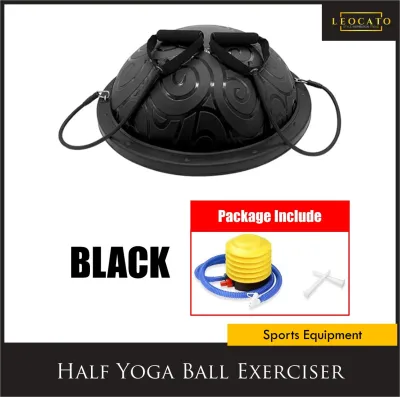
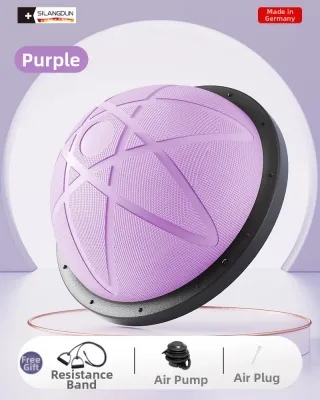
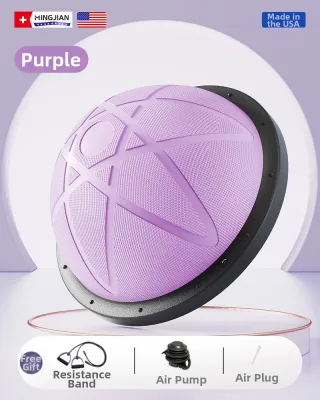
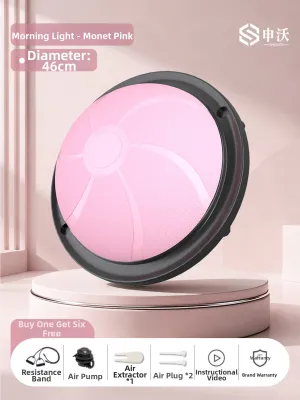
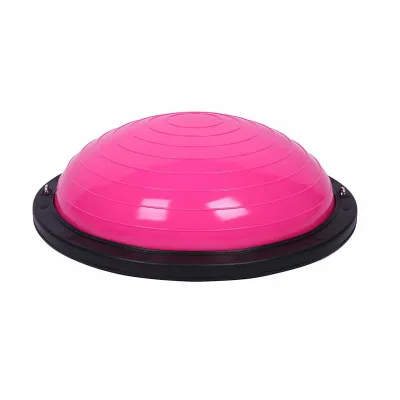
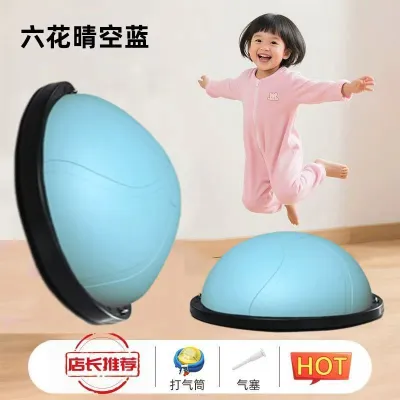
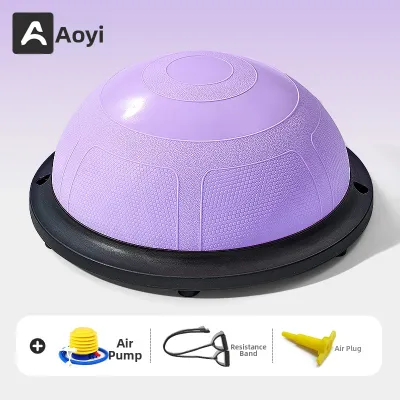
Prices are valid at publication and may change. Please refer to the product page for the latest price.
Diagnose Your Post-Run Recovery Needs First
To make an informed decision, you must first listen to the specific signals your body sends after a hard run. Localized muscle stiffness, such as a dull ache in your calves or a feeling of tightness along your quadriceps, suggests a need for soft-tissue intervention. These sensations often point to myofascial restrictions, where the connective tissue surrounding your muscles becomes tight and less pliable. If your primary discomfort is this general, localized muscular tension, your body is asking for direct pressure to help restore tissue elasticity.
Conversely, joint instability or weakness presents entirely different signals. If you frequently experience minor ankle rolls on uneven pavement, struggle to maintain your balance during single-leg exercises, or notice your knees collapsing inward as you fatigue, your primary issue is likely neuromuscular. These symptoms indicate that your proprioception—your brain’s awareness of your body’s position in space—and the stabilizing muscles around your joints require targeted training.
It is helpful to redefine what “recovery” means for your specific running style. Recovery is not merely a passive process of lying down and massaging sore muscles; it also encompasses active neuromuscular re-education. Active recovery involves waking up dormant stabilizing muscles, correcting movement patterns, and strengthening the joints to handle the impact of future runs. Identifying whether you need to soothe overworked muscle fibers or reinforce unstable joints is the first step in choosing your primary recovery tool.
Foam Rollers for Muscle Relief and Tissue Mobility
Foam rollers are designed for self-myofascial release, a technique that applies direct pressure to targeted muscle groups to help alleviate tension. When you roll over tight areas in your calves, IT bands, glutes, or quadriceps, the pressure helps to stretch and smooth out the fascia. This process can improve localized blood flow and temporarily increase your range of motion, making it easier to move freely during your next run. For many runners, the immediate relief from rolling out a tight calf muscle is an essential part of their post-run routine.

However, effective foam rolling requires a certain level of pain tolerance and a willingness to learn proper technique. Rolling is not a passive, relaxing massage; it often involves supporting your body weight with your arms while slowly moving over highly sensitive, tender spots. Applying too much pressure too quickly can cause your muscles to tense up defensively, defeating the purpose of the exercise. Beginners must learn to control their body weight and breathe through the discomfort to achieve the desired tissue release.
It is also important to recognize the limitations of this tool. While a foam roller is excellent for addressing localized muscle tightness, it does not actively build strength, improve balance, or enhance dynamic joint stability. It is a passive tool that acts upon the tissue rather than training the nervous system to stabilize a joint under load. If your running form suffers from underlying biomechanical weaknesses, rolling the affected muscles will only provide temporary relief without addressing the root cause of the imbalance.
When shopping for a foam roller, you will need to check the density and surface texture to match your personal tolerance. High-density foam rollers offer firm, deep pressure but can be intensely uncomfortable for beginners or those with highly sensitive tissues. Softer foam rollers or those with textured grids allow for a more gradual progression. Checking the manufacturer’s specifications regarding foam density and recommended user experience levels will help you select a model that you can use consistently without causing unnecessary discomfort.
BOSU Balls for Stability, Mobility, and Active Recovery
A BOSU ball consists of an inflated rubber hemisphere attached to a rigid, flat platform. This design creates an inherently unstable surface that forces your body to engage deep stabilizing muscles to maintain balance. For runners, the primary benefit lies in ankle stabilization, single-leg balance training, and core activation. Performing exercises like single-leg stands, squats, or lunges on the dome side challenges the small muscles around the ankle joint, helping to build a more resilient foundation for running on uneven surfaces.
Unlike the foam roller, the BOSU ball is an active recovery and prehab tool. It does not offer a way to massage sore muscles or roll out tight fascia. Instead, it engages the nervous system, forcing your brain and muscles to communicate more efficiently to maintain equilibrium. This active engagement helps correct muscle imbalances by highlighting weaknesses in single-leg stability, allowing you to address these issues before they lead to common running injuries like runner’s knee or Achilles tendinitis.
Before purchasing a BOSU ball, you must consider its physical footprint and the space required for safe use. These tools are relatively bulky and do not easily slide under low furniture or fit into small gym bags. Additionally, using an unstable surface requires strict attention to proper form; performing exercises with poor alignment can strain your joints rather than strengthen them. Beginners should start with simple exercises near a wall or sturdy railing to prevent falls and ensure they can maintain proper joint alignment throughout the movement.
When selecting a BOSU ball, always verify the manufacturer’s stated weight limits, inflation guidelines, and base slip-resistance features. Over-inflating the dome can make the surface excessively dome-shaped and difficult to use safely, while under-inflation reduces the challenge and can cause the dome to bottom out against the rigid base. Checking that the base has non-marking, slip-resistant feet is also essential for maintaining stability on slick flooring.
Direct Comparison: Foam Roller vs BOSU Ball
To help you decide which tool fits your current routine, it is useful to compare their characteristics side by side. The table below outlines the key differences in function, storage, maintenance, and suitability.
| Feature | Foam Roller | BOSU Ball |
|---|---|---|
| Primary Function | Passive self-myofascial release and muscle tension relief | Active stability, balance, and core strength training |
| Target Areas | Large muscle groups (calves, quads, glutes, upper back) | Ankles, knees, hips, core, and stabilizing muscles |
| Storage Footprint | Small; easily fits in closets, corners, or under beds | Large; requires dedicated floor or shelf space |
| Portability | High; lightweight and easy to carry to the track or gym | Low; heavy and bulky to transport without a vehicle |
| Routine Maintenance | Wipe down with a damp cloth; check for foam deformation | Check air pressure; inspect valve and base integrity |
| Learning Curve | Low to moderate; requires pain tolerance and basic form | Moderate to high; requires balance and joint alignment |
While both tools contribute to a runner’s overall physical longevity, they address entirely different phases of the recovery and preparation cycle. The foam roller is highly portable and requires virtually no setup, making it an easy addition to a daily routine. The BOSU ball, while more expensive and demanding of space, offers a dynamic training stimulus that can transform how your body handles the impact of running.
How to Decide: Which Tool Should You Buy First?
Your final decision should be guided by your most pressing physical needs, your budget, and your available training space.
Choose the foam roller first if:
- Your primary post-run complaint is muscle tightness, knots, or general stiffness in the lower body.
- You want a budget-friendly tool that requires minimal storage space and can be easily packed for travel or races.
- Your immediate goal is to improve temporary joint range of motion and relieve localized soreness after high-mileage weeks.
Choose the BOSU ball first if:
- You have a history of ankle sprains, poor balance, or joint instability that affects your running gait.
- You want to focus on active prehab, core strengthening, and correcting muscle imbalances between your left and right sides.
- You have dedicated space in your home for a larger piece of fitness equipment and are committed to performing active stability exercises several times a week.
Consider neither or wait if:
- You are currently experiencing acute, sharp pain, localized swelling, or a sudden joint injury. Using either tool on an acute injury can exacerbate tissue damage or delay proper healing.
- You have not received a clear diagnosis for persistent, localized pain that does not improve with rest.
Verify first if:
- You are unsure whether your discomfort stems from muscle tightness or joint instability. In these cases, consult a qualified sports physiotherapist or athletic trainer before investing in equipment. A professional can identify the root cause of your issues and recommend the precise tool and exercises suited to your biomechanics.
Safe Usage Limits and Equipment Checks
Using recovery and stability equipment safely requires clear boundaries and regular maintenance checks. You must establish immediate stop conditions to prevent injury during your routines. Cease using either tool immediately if you experience sharp, shooting pain, numbness, tingling, or sudden joint instability. These sensations are warning signs from your nervous system that indicate potential nerve compression or joint strain, and continuing the activity can lead to severe injury.
Regular equipment inspections are vital for maintaining a safe training environment. For foam rollers, inspect the surface regularly for deep cracks, permanent deformation, or soft spots where the foam has collapsed. A compromised foam roller will not apply even pressure and can cause you to roll unevenly. For a BOSU ball, check the inflation level, inspect the inflation valve for slow leaks, and examine the rigid plastic base for cracks or loose non-slip pads. A cracked base can fail unexpectedly under load, leading to a fall.
Always follow the specific manufacturer’s instructions regarding weight limits, inflation heights, and approved cleaning agents. Avoid using harsh chemical solvents on either tool, as these can degrade the foam or rubber materials over time, leading to premature cracking or loss of elasticity. A mild soap and warm water solution is generally sufficient for cleaning high-density foam and rubber surfaces after sweaty workouts.
Finally, remember that self-treatment tools cannot replace professional medical care. If you are dealing with persistent pain, recurring injuries, or chronic joint instability, self-treatment with a foam roller or BOSU ball may only mask the symptoms. Consulting a qualified sports medicine professional ensures you receive an accurate diagnosis and a comprehensive rehabilitation plan tailored to your athletic goals.
Frequently Asked Questions (FAQ)
Can I use a foam roller and a BOSU ball on the same day?
Yes, you can integrate both tools into your daily routine, provided you sequence them logically based on your training goals. A common approach is to use the foam roller first to perform passive myofascial release, which helps loosen tight muscles and improve joint range of motion. Once the tissues are warmed up and more pliable, you can transition to the BOSU ball for active stability and balance work. This sequence prepares the muscles before challenging them with unstable exercises.
However, your sequencing should ultimately depend on your fatigue levels and the focus of your session. If you have just completed an exhausting, high-mileage run, your stabilizing muscles may be too fatigued for safe BOSU ball training. In this scenario, it is safer to stick to gentle foam rolling for passive relief and save the stability work for a non-running day or prior to a light workout when your nervous system is fresh.
Are there cheaper alternatives to a BOSU ball for balance training?
If you want to start stability training but are not ready to invest in a BOSU ball, there are several accessible, low-cost alternatives. A simple folded bath towel or a basic foam balance pad can provide a mild level of instability that challenges your ankle stabilizers. These options have a much smaller footprint and are highly budget-friendly, making them excellent starting points for runners new to balance training.
Before progressing to any unstable surface, however, you should master single-leg exercises on flat, stable ground. Performing single-leg stands, single-leg deadlifts, or basic squats on a solid floor is a necessary foundational step. If you cannot maintain proper knee and ankle alignment on a flat floor, moving to an unstable surface like a BOSU ball or balance pad can increase your risk of joint strain.

Community discussion
Share your experience or ask a question. Comments are reviewed before publication.