
Choosing the right boxing glove weight is critical for your training, hand health, and safety. Unlike standard apparel, boxing gloves are sized by weight in ounces (oz), typically from 8oz to 16oz. This weight dictates the amount of protective padding inside, which directly affects how the glove performs.
Before hitting a heavy bag or stepping into the ring, recognize that boxing is a high-impact sport with inherent risks of hand, wrist, and head injuries. No glove can completely eliminate these risks or substitute for proper technique, defensive skills, and qualified coaching. If you experience sharp pain, joint soreness, or numbness, stop training immediately and consult a medical professional.
What "Ounces" Actually Measure in Boxing Gloves
When you see “oz” on a boxing glove, it refers strictly to the physical weight of the materials and padding, not the size of the hand compartment. A 16oz glove and a 12oz glove from the same brand may have similar internal compartments, but the 16oz glove contains significantly more foam padding over the knuckles. This extra weight is designed to absorb and disperse impact energy, protecting your hands and your target.
Products mentioned in this guide
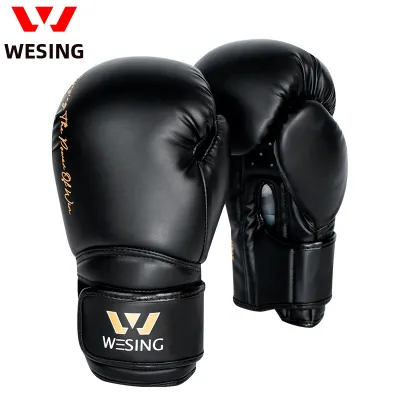
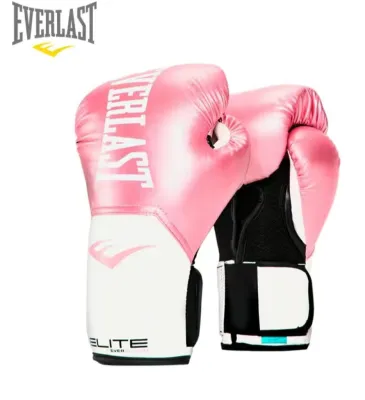
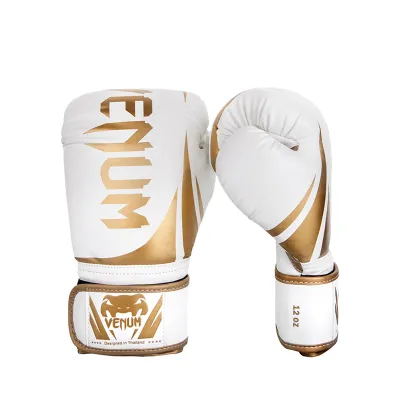
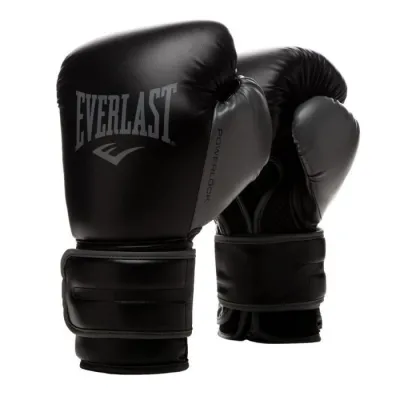
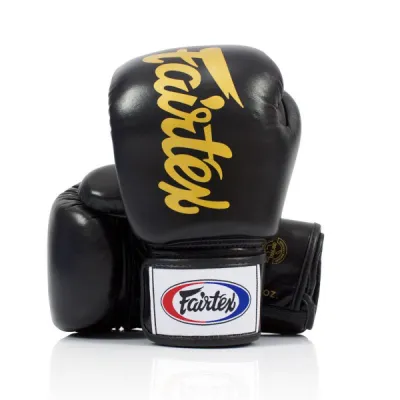
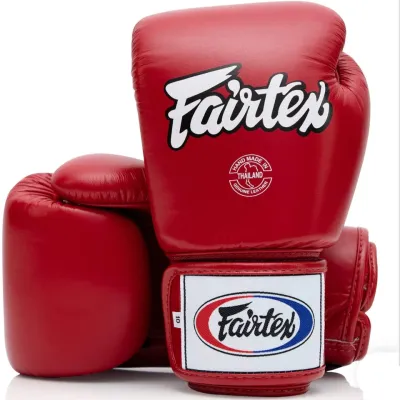
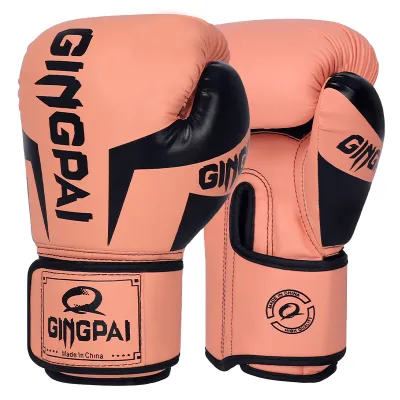
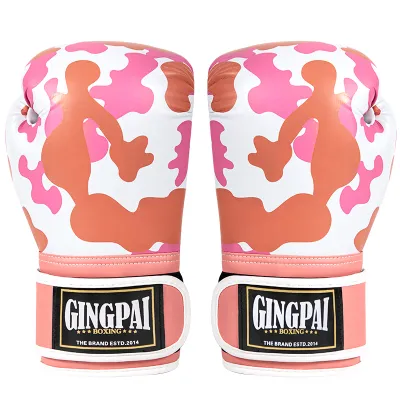
Prices are valid at publication and may change. Please refer to the product page for the latest price.
Because the weight is concentrated in the padding, heavier gloves slow down your hand speed and require more shoulder strength to keep your guard up. Conversely, lighter gloves allow for rapid hand movement and sharper feedback but offer minimal protection against hard impacts. Actual glove weights can also vary slightly due to manufacturing tolerances, foam density, and whether the outer shell is genuine leather or synthetic. Always verify the manufacturer’s exact specifications and weight tolerances before purchasing.
Matching Glove Weight to Your Training Purpose (8oz to 16oz)
Selecting the right glove weight requires matching the gear to your training activity, body weight, and fitness level. Using the wrong weight can lead to premature fatigue, damaged equipment, or avoidable injuries.

Gloves weighing 8oz to 10oz are lightweight and highly streamlined. These are the standard weights for professional matches and competitive bouts, where speed and impact delivery are prioritized. Some advanced fighters use 10oz gloves for light pad work to sharpen timing. However, because they offer minimal padding, using 8oz or 10oz gloves on a heavy bag is not recommended for daily training, as repeated impacts can bruise knuckles and strain wrists.
The 12oz to 14oz range serves as the versatile middle ground for most fitness enthusiasts and club boxers. These gloves balance hand protection with manageable weight, making them ideal for heavy bag workouts, focus mitt drills, and light technical sparring. In Singapore’s fitness and boxing gyms, coaches frequently recommend 12oz or 14oz gloves for daily conditioning classes because they offer enough cushion for high-volume bag work without causing premature shoulder burnout.
At the heaviest end of the standard spectrum, 16oz gloves are the universal requirement for full-contact sparring and heavy conditioning. The thick padding cushions the force of your punches, protecting your sparring partner’s face and head while safeguarding your own hands. Training with 16oz gloves also provides an excellent cardiovascular and muscular endurance workout for your shoulders and arms.
Before purchasing gloves, check the specific rules of your local gym or consult your coach. Many combat sports facilities in Singapore strictly mandate 16oz gloves for live sparring sessions to maintain a safe training environment. Attempting to spar with lighter gloves is often prohibited, as it increases the risk of cuts, bruises, and concussions for your training partners.
Beyond Weight: Fit, Padding Density, and Hand Safety
Weight is not the only specification that determines how a boxing glove performs or protects you. For maximum safety, consider the complete system: hand wraps, padding density, and closure types.
Never wear boxing gloves without proper hand wraps underneath. Wraps, typically measuring 4.5 meters (180 inches), secure the small bones in your hand, align your knuckles, and support your wrist. Glove weight and fit recommendations assume you are wearing wraps. When trying on new gloves, always wrap your hands first; a glove that feels snug bare-handed will be painfully tight once wrapped.
Padding density also dictates how a glove behaves. Two 14oz gloves can feel completely different depending on the foam inside. Sparring gloves use softer, multi-layered foam to cushion and disperse impact for your partner’s safety. Conversely, bag gloves feature highly compressed, dense foam engineered to withstand repeated impacts against a heavy bag without bottoming out. Using soft sparring gloves on a heavy bag will quickly degrade the foam, ruining them for sparring.
The closure system affects both convenience and wrist support. Lace-up gloves offer a secure, traditional, and customized fit, but require another person to tie them, making them impractical for solo training. Hook-and-loop (Velcro) closures are the most popular choice for everyday training, allowing you to easily slip the gloves on and off by yourself during water breaks or when transitioning between exercises.
In Singapore’s hot and humid climate, sweat management is critical. High humidity means sweat can quickly saturate the interior of your gloves, leading to bacterial growth and persistent odors. Look for gloves with mesh palms, ventilation holes, and moisture-wicking liners. After training, always air your gloves out completely in a well-ventilated, shaded area, and never leave them damp inside a closed gym bag. To find the perfect fit, measure your hand circumference around the knuckles and consult the manufacturer’s sizing chart.
Frequently Asked Questions (FAQ)
Should beginners buy 16oz gloves for all training?
While 16oz gloves offer the highest level of padding, they are not always the most practical choice for beginners starting their boxing journey. The extra weight can cause rapid shoulder fatigue and muscle exhaustion, which often leads to poor punching form, dropped hands, and compromised defensive habits. For general bag work, pad drills, and fitness classes, beginners are usually better off starting with a 12oz or 14oz glove to build foundational strength and technique. You should reserve 16oz gloves specifically for when you progress to live sparring or if your coach explicitly requires them for safety.
Does a heavier glove make you punch harder?
No, a heavier glove does not increase the force of your punch. In fact, because a heavier glove contains more thick, shock-absorbing padding, it actually reduces the amount of impact energy transferred directly to your target or sparring partner. However, training with heavier gloves adds resistance to your movements, which helps build shoulder endurance, arm strength, and explosive power over time. When you eventually transition to a lighter glove for competition or speed drills, your hands will feel significantly faster, lighter, and more responsive.
Community discussion
Share your experience or ask a question. Comments are reviewed before publication.