
Selecting the right training gloves is one of the most critical decisions you can make for your physical safety and workout performance. While the term “training gloves” is widely used across fitness spaces, it actually encompasses two entirely different categories of protective gear: boxing gloves and weightlifting gloves. These two items are engineered for completely opposing physical forces, and using the wrong type for your workout can lead to severe injury, rapid gear degradation, and compromised training results.
To make an immediate determination, your choice must align with the primary physical risk of your activity. Boxing gloves are designed to disperse high-velocity impact forces, protecting your knuckles, fingers, and wrists from structural trauma during striking movements. Weightlifting gloves, conversely, are designed to manage friction and improve grip security, protecting your palms from painful calluses, blisters, and tears during pulling or pressing movements. Using weightlifting gloves on a heavy punching bag offers virtually zero knuckle protection, while attempting to grip a barbell with bulky boxing gloves is physically impossible and highly dangerous.
Understanding the distinct design elements of each glove type allows you to select the gear that matches your specific training split. If your routine involves a mix of both striking and lifting, attempting to find a single “hybrid” glove is a compromise that usually fails to perform adequately in either discipline. Instead, investing in dedicated pairs for each activity ensures your hands remain protected, your grip stays secure, and your equipment lasts for years.
Products mentioned in this guide
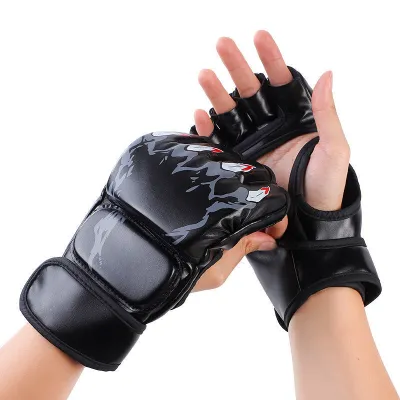
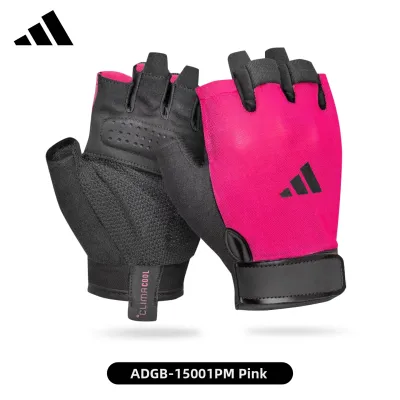
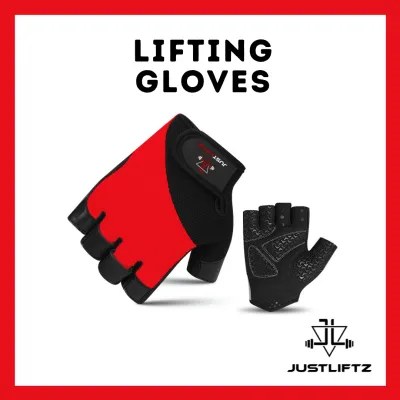

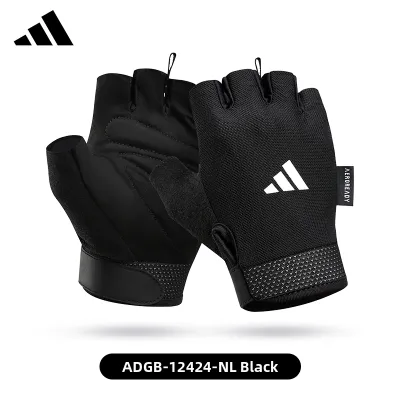
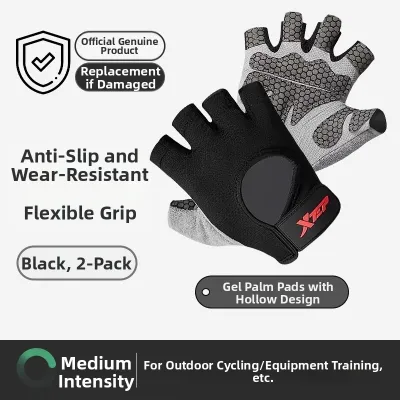
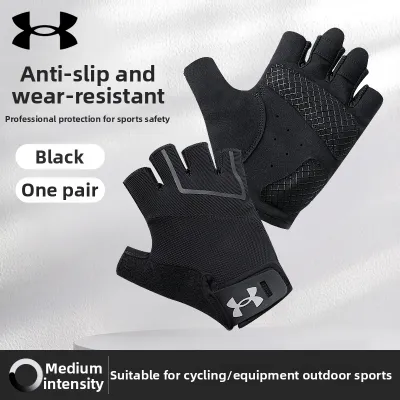
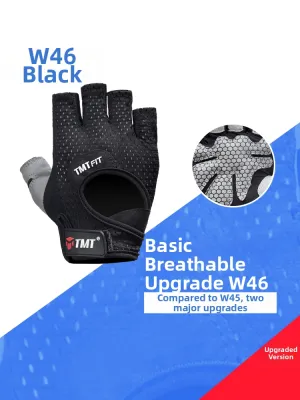
Prices are valid at publication and may change. Please refer to the product page for the latest price.
Core Differences: Protection, Grip, and Structure
To understand why these two types of training gloves cannot be used interchangeably, you must look at how they are constructed. The structural engineering of a glove dictates how it handles physical forces, manages sweat, and supports your joints during movement.
Impact Dispersion vs. Friction Management
Boxing gloves are built around a core of thick, multi-layered padding, typically composed of latex, polyurethane, or ethyl-vinyl acetate (EVA) foam. This dense padding is designed to decelerate the kinetic energy of a punch before it reaches the small bones of your hand, spreading the impact across a wider surface area. The outer shell is constructed from thick leather or highly durable synthetic leather to hold this foam structure in place under repeated, high-velocity impacts.
Weightlifting gloves prioritize tactile feedback and surface friction over thick padding. They feature thin, textured palm panels made of genuine leather, suede, or synthetic microfibers, often reinforced with silicone patterns to maximize grip on steel bars. Instead of absorbing impact, these materials act as a second skin, preventing the knurling of a barbell or dumbbell from shearing the outer layers of your epidermis during repetitive pulling or pushing patterns.
Wrist Support Mechanics
Wrist stabilization is handled differently by each glove type due to the distinct forces acting on the joint. In boxing, the wrist must be kept perfectly straight to ensure that the force of a punch travels in a direct line through the arm without causing the joint to bend or hyperextend. To achieve this, boxing gloves feature a rigid, extended cuff that acts as a splint, wrapping tightly around the forearm and wrist to lock the joint into a neutral position.
Weightlifting gloves utilize a more flexible wrist support system, often consisting of a shorter, adjustable strap. This design is intended to keep the joint warm and provide light compression without restricting the natural extension and flexion required during exercises like overhead presses or cleans. While some heavy-duty lifting gloves feature integrated, thick wrist wraps, they still allow for much more wrist mobility than the rigid structure of a boxing glove.
Climate and Moisture Management
In Singapore’s hot and humid tropical climate, moisture management is a critical factor for both comfort and safety. When training in local commercial gyms or outdoor fitness parks, sweat accumulates rapidly inside any glove, which can lead to serious performance and hygiene issues.
Inside a boxing glove, trapped sweat can degrade the internal foam padding over time and create an ideal breeding ground for bacteria and mold. This makes features like moisture-wicking inner liners and ventilated mesh palms essential verification points when purchasing. For weightlifting gloves, excess sweat can cause your hands to slip inside the glove itself, creating an unstable grip on heavy weights. High-quality lifting gloves address this by utilizing highly breathable mesh backings, open-finger designs, and quick-drying synthetic fabrics that allow sweat to evaporate rapidly.
When to Choose Boxing Gloves
Boxing gloves are a mandatory piece of protective equipment for any training routine that involves striking. Whether you are working out on a heavy bag, hitting focus mitts with a trainer, or engaging in controlled sparring, bare-knuckle striking or using improper gloves will inevitably lead to painful injuries.

Without the thick padding of a dedicated boxing glove, the repetitive force of hitting a dense surface can easily cause metacarpal fractures, wrist sprains, and deep skin abrasions. If your fitness routine includes combat sports conditioning, boxercise, or traditional martial arts, you must invest in a proper pair of boxing gloves to protect your hands and joints.
Heavy Bag Work and Sparring
It is important to understand that boxing gloves are categorized by their weight, measured in ounces (oz), and their intended use case. Bag gloves are engineered with denser, more compact foam designed to withstand thousands of high-impact strikes against a heavy bag without bottoming out. These gloves protect your knuckles from the hard resistance of the bag and help maintain their shape over months of intense training.
Sparring gloves, by contrast, feature softer, more pillowy padding designed specifically to protect your training partner from cuts, bruises, and concussions. Using dense bag gloves for sparring can cause unnecessary injury to your partner, while using soft sparring gloves on a heavy bag will quickly degrade the delicate foam, rendering them unsafe for future sparring. Always check the manufacturer’s product label to verify the intended use case and the specific ounce rating before purchasing.
The Non-Negotiable Role of Hand Wraps
Many beginners make the mistake of assuming that a high-quality pair of boxing gloves is enough to protect their hands. In reality, boxing gloves are only half of the protective system; hand wraps are a non-negotiable requirement underneath your gloves. Hand wraps compress the 27 small bones, ligaments, and tendons of the hand into a single, cohesive unit, preventing them from shifting or grinding against one another upon impact.
When choosing boxing gloves, you must ensure that the internal compartment of the glove is spacious enough to comfortably accommodate your wrapped hands. A glove that fits perfectly on a bare hand will often be far too tight once you apply a standard 180-inch hand wrap, which can restrict blood circulation and cause painful cramping or numbness during your workout. Always try on boxing gloves with your hands fully wrapped to verify a secure, comfortable fit.
When to Choose Weightlifting Gloves
Weightlifting gloves are an excellent accessory for fitness enthusiasts who want to protect their skin from friction, improve their grip endurance, or manage hand discomfort during high-volume strength training. While they are not mandatory for safety in the same way boxing gloves are, they offer clear performance and comfort benefits for specific training styles.
If your workouts consist of high-rep dumbbell circuits, cable machine exercises, or bodyweight pulling movements, a pair of lifting gloves can help you push through sets that would otherwise be cut short by hand pain or slipping. They are particularly useful for maintaining a consistent routine when your hand skin is sensitive or recovering from minor cuts.
High-Volume Pulling and Machine Work
During high-volume pulling exercises like pull-ups, lat pulldowns, and heavy dumbbell rows, the friction between your skin and the bar can quickly lead to painful calluses and tears. Weightlifting gloves act as a protective barrier, absorbing this friction and preventing the skin on your palms from bunching up and pinching. This allows you to focus entirely on targeting the intended muscle groups without being distracted by localized hand pain.
However, when selecting weightlifting gloves, you must carefully evaluate the thickness of the palm padding. While thick gel padding might seem comfortable, it increases the effective diameter of the bar you are holding. This wider grip forces your forearm muscles to work significantly harder to maintain your hold, which can actually cause your grip to fail prematurely. Look for gloves with thin, high-traction palm materials that offer protection without excessively thickening the bar’s grip profile.
When Bare Hands or Chalk Are Better
Despite their benefits, weightlifting gloves are generally discouraged for heavy compound lifts, such as maximal deadlifts, clean and jerks, or snatches. For these complex movements, direct contact with the bar is crucial for safety and performance. Gloves can reduce your tactile feedback, making it difficult to feel the precise positioning of the barbell in your hands and potentially altering your pulling mechanics.
For maximal load lifting, bare hands paired with gym chalk are the superior choice. Chalk absorbs moisture from your palms while allowing your skin to lock directly into the bar’s knurling, providing the most secure and stable connection possible. Before opting for chalk, check your local gym’s rules; many commercial, air-conditioned fitness centers in Singapore prohibit loose chalk due to the dust it creates, though many permit liquid chalk as a clean, residue-free alternative.
Key Features to Verify Before Buying
Before purchasing either type of training glove, you should evaluate several key specifications to ensure you are getting a product that fits your training environment, budget, and durability expectations.
Closure Systems
The way a glove secures to your wrist impacts both its convenience and the level of support it provides. Hook-and-loop (Velcro) closures are the most common system for both boxing and weightlifting gloves because they allow you to put on and take off your gear quickly without assistance. This is especially convenient in a fast-paced gym environment where you may need to transition between exercises or grab a water bottle.
Lace-up systems are common in professional-grade boxing gloves, offering an incredibly secure, customized fit that distributes tension evenly across the entire wrist and lower forearm. However, lace-up gloves are highly impractical for solo training sessions, as they require another person to tie and untie them. For the vast majority of fitness enthusiasts, high-quality Velcro straps offer the ideal balance of support and convenience.
Material Durability
The materials used in your training gloves will directly determine their lifespan and how easy they are to maintain. Genuine leather (such as cowhide or goatskin) is highly durable, naturally flexible, and molds to the unique shape of your hand over time. However, leather requires regular maintenance, cannot be machine-washed, and can crack or deteriorate if exposed to excessive sweat and left in a closed gym bag.
Synthetic leathers and advanced microfibers are popular, cost-effective alternatives. High-quality synthetics can match the durability of genuine leather while offering better resistance to moisture and easier cleaning protocols—many synthetic weightlifting gloves are fully machine-washable. When buying, check the product label to ensure the stitching is reinforced, particularly in high-stress areas like the thumb seam and the palm panels.
Comparison Table: Boxing Gloves vs. Weightlifting Gloves at a Glance
This comparison table outlines the primary differences in design, function, and care requirements between the two glove types.
| Feature | Boxing Gloves | Weightlifting Gloves |
|---|---|---|
| Primary Function | Disperses high-velocity impact forces | Reduces palm friction and improves grip |
| Padding Type | Thick, multi-layered foam (10oz to 16oz+) | Thin, textured leather or silicone panels |
| Wrist Support | Rigid, extended cuff to prevent bending | Flexible, adjustable strap for light support |
| Grip Surface | Smooth outer shell (no grip capability) | High-traction, textured palm material |
| Maintenance | Wipe down, air dry completely, use deodorizers | Hand or machine wash according to label |
Final Decision Framework: Match the Glove to Your Routine
To make your final purchase decision, evaluate your weekly workout routine and choose the gear that directly supports your training style.
- Choose Boxing Gloves if: Your training routine prioritizes heavy bag workouts, focus mitt training, sparring, or combat sports conditioning. You require maximum impact protection to keep your knuckles, fingers, and wrists safe from structural trauma.
- Choose Weightlifting Gloves if: Your workouts consist of high-volume bodybuilding, dumbbell circuits, machine-based resistance training, or bodyweight exercises like pull-ups. You want to prevent painful calluses and blisters while improving your grip on knurled bars.
- Neither may fit if: You are focused on heavy powerlifting or Olympic weightlifting. In these scenarios, training with bare hands and utilizing gym chalk (or liquid chalk) provides the safest, most stable connection to the barbell and ensures proper lifting mechanics.
- Verify first if: You are a cross-trainer who incorporates both striking and lifting into your weekly routine. Avoid buying hybrid "cross-training" gloves, as they do not provide enough knuckle padding for safe bag work, nor do they offer the correct grip positioning for lifting. Instead, verify your budget and gym bag space to invest in two dedicated, high-quality pairs of gloves designed specifically for each activity.
Community discussion
Share your experience or ask a question. Comments are reviewed before publication.