
Finding the right boxing hand wraps in Singapore requires looking past marketing buzzwords and focusing on how a wrap interacts with your hands, gloves, and training routine. The ideal wrap is not a one-size-fits-all accessory; it is a highly personal piece of protective gear that must match your hand structure, sweat levels, and the intensity of your strikes. By understanding the structural differences in fabric, length, and closure systems, you can select a wrap that keeps your wrists secure and your knuckles cushioned during every round.
In Singapore’s warm and humid climate, your choice of hand wrap also directly impacts your glove hygiene and skin comfort. Excess moisture can cause wraps to slip, stretch out of shape, or harbor bacteria if the material does not dry quickly. Therefore, evaluating the fabric blend and construction quality is just as important as choosing the correct wrapping technique.
Comparing Hand Wrap Materials and Core Designs
Traditional 100% cotton wraps are the classic choice for boxers who prioritize rigid, unyielding support. Because pure cotton has virtually no elasticity, these wraps allow you to set a precise, custom tension that remains consistent throughout your workout. Once wrapped tightly around the wrist and knuckles, cotton creates a dense, cast-like structure that is highly effective at preventing joint hyperextension. However, this lack of stretch means you must wrap your hands with high precision; any mistake in tension can easily cut off circulation or leave loose pockets of fabric that bunch up inside your glove.
Products mentioned in this guide
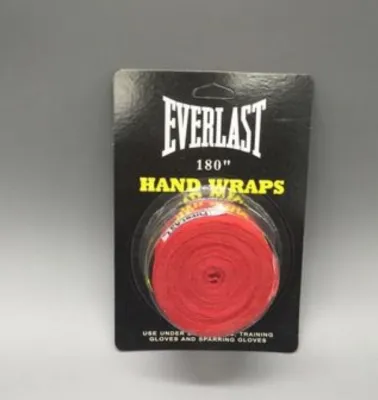
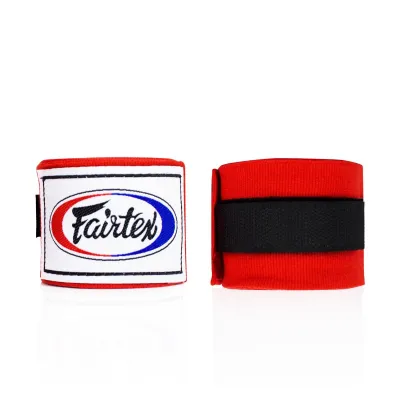
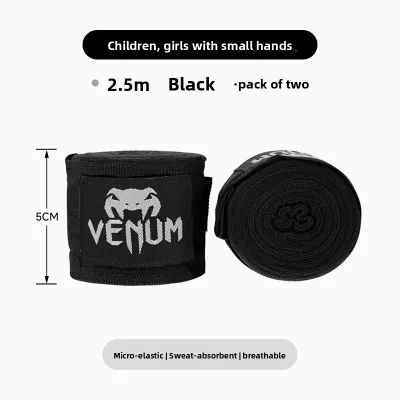
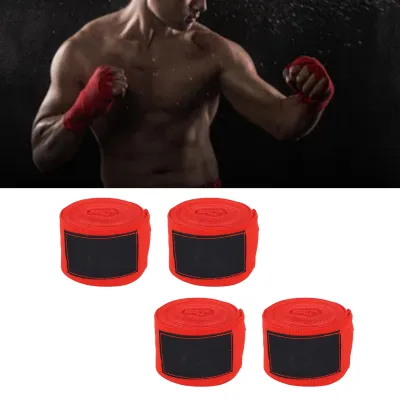
![[SG FREE ] 1Pair 1.5M/3M/5M Boxing Bandages Sports Sanda Muay Thai Training Self-Adhesive Micro Elastic Binding Hand Sp](https://img.lazcdn.com/g/p/2afe27758a20a73d23525f0abd1ee35e.jpg_400x400q80.jpg_.webp)
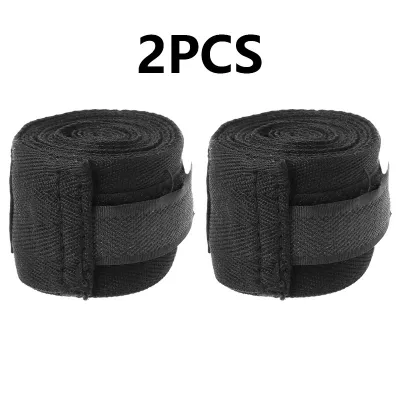
Prices are valid at publication and may change. Please refer to the product page for the latest price.
Mexican-style semi-elastic wraps offer a blend of cotton and synthetic fibers, such as spandex or nylon, which gives the fabric a noticeable stretch. This elasticity makes the wrapping process much more forgiving, as the material naturally contours to the unique shape of your knuckles, fingers, and wrist. The slight give in the fabric allows for a snug fit that moves with your hand as you make a fist, reducing the likelihood of localized pressure points. The primary risk with semi-elastic wraps is over-tightening; because the material stretches easily, it is common for beginners to pull the wrap too tight, which can restrict blood flow during long training sessions.
Quick wraps, often designed as slip-on gel gloves with an attached short wrist strap, represent the modern focus on convenience. These wraps feature a pre-formed glove structure with integrated gel or foam padding over the knuckles, allowing you to slip them on in seconds rather than spending minutes wrapping individual fingers. While quick wraps are highly convenient for rapid transitions in fitness classes, they do not provide the same level of customized wrist stabilization or individual finger separation as traditional wraps. For heavy bag work or high-impact sparring, the lack of structured support around the metacarpal bones makes them less suitable than a full-length cloth wrap.
Essential Specifications for Evaluating Wrap Brands
When comparing different hand wrap options, length is the most critical specification to verify. Standard wraps typically come in lengths ranging from 108 inches to 180 inches (approximately 2.7 meters to 4.5 meters). Shorter wraps are generally suitable for individuals with smaller hands or those who only require a basic figure-eight pattern around the wrist and knuckles. For most adults, however, a 180-inch wrap is highly recommended because it provides enough material to secure the wrist, thumb, and individual fingers while leaving enough fabric to build a thick protective pad over the knuckles.

The thumb loop is the anchor of the entire wrap, making its design and stitching quality a vital point of comparison. Look for wraps that feature a reinforced, flat-stitched thumb loop that does not create a bulky ridge against your skin. If the loop is too thick or poorly positioned, it can rub painfully against the base of your thumb inside the glove, leading to blisters or chafing. Additionally, check that the start of the wrap is clearly marked, which helps ensure you begin wrapping in the correct direction for proper tension.
Closure mechanisms are almost universally hook-and-loop fasteners, but the quality of these closures varies significantly between brands. A wide, high-density hook-and-loop strap provides a secure hold that will not peel open under the pressure of repeated wrist flexing. The stitching that attaches the fastener to the wrap fabric must be dense and multi-rowed, as this connection point experiences the highest amount of tension and wear. Some traditional wraps use tie closures, which offer a completely flat profile but require assistance to tie securely on both hands.
In Singapore’s tropical climate, breathability and moisture management are essential for maintaining comfort and hygiene. Wraps made from breathable cotton blends or those featuring open-weave patterns allow heat to escape and sweat to evaporate more efficiently. This prevents the wrap from becoming heavy and waterlogged, which can compromise its structural support and cause it to slip inside your glove. Fast-drying materials also make the post-workout washing and drying process much more manageable, reducing the risk of persistent mildew odors.
Matching Wrap Features to Your Training Intensity
Your choice of hand wrap should align directly with your specific training activities and skill level. If your routine consists primarily of heavy bag work and power punching, traditional 100% cotton wraps are highly advantageous. The rigid structure of pure cotton provides the maximum possible stabilization for the wrist joint, absorbing the direct, repetitive shock of high-impact collisions. This rigidity helps maintain proper alignment between your hand and forearm, reducing the risk of wrist collapse when hitting a dense, heavy target.
For high-volume technical sparring and pad work, Mexican-style semi-elastic wraps are often the preferred choice. The flexibility of the elastic blend allows your hand to transition smoothly between an open-palm defensive guard and a tightly clenched fist. This dynamic movement is crucial for catching punches, parrying, and maintaining hand speed over multiple rounds. The contouring properties of semi-elastic fabric also ensure that the wrap remains securely in place even when your gloves are repeatedly put on and taken off during partner drills.
If your training is centered around light cardio boxing, shadow boxing, or high-intensity interval training (HIIT) classes, quick wraps offer a practical compromise. These environments typically involve rapid transitions between striking drills and floor exercises like push-ups or mountain climbers. Quick wraps allow you to protect your knuckles during light bag work while quickly freeing your hands or adjusting your gear without the hassle of unwrapping and rewrapping several meters of fabric.
It is important to recognize that standard athletic hand wraps are designed to support healthy joints and are not a substitute for medical-grade orthotics or professional training. If you have a history of wrist instability, chronic joint pain, or recent injuries, you must consult a healthcare professional before resuming high-impact training. Equipment cannot replace proper punching technique, and wrapping an injured hand tightly with standard wraps will not guarantee protection against further damage. Always prioritize technique and joint health over the perceived support of your gear.
Verifying Build Quality and Sizing Before You Buy
To ensure your hand wraps last through months of intense training and frequent washing, you should physically inspect the product whenever possible. When visiting local sports retailers in Singapore, check the material composition label sewn into the wrap. High-quality wraps will clearly state the percentage of cotton and elastic fibers, giving you a clear indication of how the fabric will behave. Avoid wraps with vague labeling or those that feel excessively thin, as these are prone to stretching out permanently or tearing after only a few wash cycles.
Examine the stitching density at all critical stress points, particularly where the thumb loop and the hook-and-loop fastener are attached to the main wrap. The stitching should be straight, tight, and free of loose threads or uneven tension. Double-stitched or reinforced borders along the edges of the wrap are excellent indicators of durability, as they prevent the fabric from fraying or curling inward over time.
If you are purchasing wraps from an online marketplace or ecommerce platform, pay close attention to the retailer’s return and exchange policies. Because fabric texture and elasticity are highly tactile, you may find that a wrap feels too stiff or too abrasive against your skin once you try it on. Ensuring the seller offers a straightforward return policy allows you to exchange the product if the material does not meet your expectations or causes skin irritation during a dry fitting.
Finally, seeking practical feedback from local gym coaches, trainers, or experienced members at your local boxing gym can provide invaluable insights. These individuals have firsthand experience with how different wrap styles hold up under the daily wear and tear of Singapore’s training environments. They can offer recommendations on which material weights and lengths perform best inside specific glove types, helping you make an informed decision before you invest.
Frequently Asked Questions (FAQ)
How often should I wash my boxing hand wraps?
You should wash your hand wraps after every single training session to maintain proper hygiene and prevent the buildup of bacteria and unpleasant odors. Sweat, dead skin cells, and oils from your hands quickly accumulate in the fabric, creating an ideal breeding ground for microbes that can transfer to the inside of your boxing gloves. Always check the manufacturer’s care label for specific washing instructions; most wraps can be machine-washed on a gentle cycle inside a mesh laundry bag to prevent tangling. Hang them to air dry completely in a well-ventilated area away from direct, intense sunlight, which can degrade elastic fibers over time.
Can I use the same hand wraps for both boxing and Muay Thai?
Yes, you can generally use the same hand wraps for both boxing and Muay Thai, as both disciplines require robust wrist stabilization and knuckle protection. However, the wrapping technique may differ slightly depending on the specific demands of each sport. In Muay Thai, fighters often require slightly more wrist flexibility to facilitate clinching, catching kicks, and throwing elbows, whereas traditional boxers may prefer a highly rigid wrap for maximum wrist support. A 180-inch semi-elastic wrap is highly versatile and widely favored in both sports, as it provides sufficient length to customize the level of support for either discipline.
Community discussion
Share your experience or ask a question. Comments are reviewed before publication.