
When investing in high-quality wellness equipment—such as percussion massage guns, transcutaneous electrical nerve stimulation (TENS) units, or electrical muscle stimulation (EMS) devices—the ongoing cost of replacement accessories can quickly add up. Deciding whether to purchase original equipment manufacturer (OEM) parts or opt for budget-friendly third-party alternatives is a common dilemma for fitness and wellness enthusiasts.
The short answer is conditional: branded (OEM) accessories are generally worth the premium for items that directly contact your skin (such as TENS/EMS electrode pads) or involve critical electrical connections. Conversely, generic alternatives are often a highly viable and cost-effective choice for simple, non-mechanical, or non-electrical attachments, such as basic massage gun heads, carrying cases, or foam rollers.
Ultimately, your decision should rest on the specific accessory type, your personal safety requirements (especially regarding skin sensitivity), and your main device’s warranty conditions. Balancing these factors ensures you maintain both the therapeutic efficacy of your equipment and your personal safety without overspending.
Products mentioned in this guide
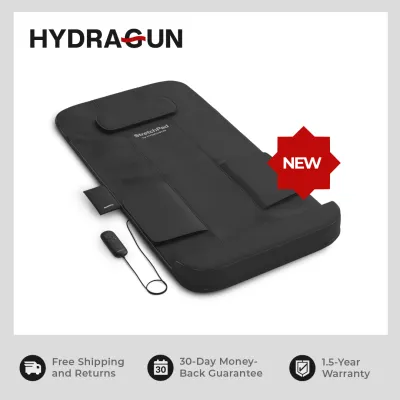
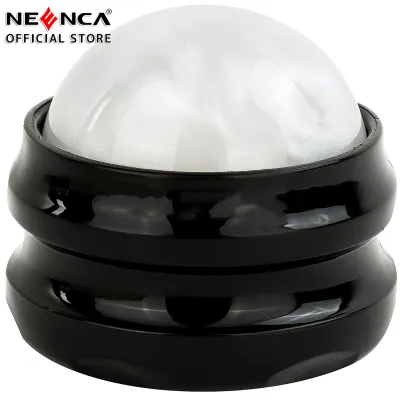
Prices are valid at publication and may change. Please refer to the product page for the latest price.
Core Differences Between Branded and Generic Wellness Accessories
Material Quality and Manufacturing Standards
To evaluate the price difference, you must first look at what goes into the production of these accessories. Original equipment manufacturers typically utilize proprietary or medical-grade materials designed specifically for therapeutic applications. For instance, high-quality EMS pads often feature medical-grade, hypoallergenic hydrogels formulated to distribute electrical currents evenly across the skin while resisting premature drying. Similarly, branded massage attachments frequently employ high-density, sweat-resistant ethylene-vinyl acetate (EVA) foam or medical-grade silicone that can withstand repetitive impacts without degrading or absorbing moisture.
On the other hand, generic manufacturers often substitute these specialized materials with standard industrial equivalents to keep production costs low. While a generic foam massage head or adhesive pad may look and feel virtually identical to an OEM part right out of the packaging, its chemical composition and physical structure are often quite different. Industrial-grade plastics and basic adhesives do not undergo the same rigorous biocompatibility and durability testing as medical-grade components. Therefore, you should always check product labels and packaging for specific material certifications—such as ISO standards or dermatological clearances—rather than relying solely on generic marketing claims like “premium quality” or “professional grade.”
Fit, Tolerance, and Mechanical Connection
Beyond the raw materials, the precision of the manufacturing process plays a vital role in how well an accessory performs. Branded accessories are engineered to exact tolerances, meaning they are designed to fit the host device with sub-millimeter accuracy. This precise fit is critical for snap-on, screw-in, or friction-fit attachments. When a connection is secure, the energy transfer from the device to your body is highly efficient, and the mechanical parts experience minimal wear.
In contrast, generic alternatives frequently suffer from wider manufacturing tolerances. A poorly fitted generic massage gun head may wobble slightly during operation, which not only generates excessive noise but also causes uneven pressure distribution during your recovery sessions. Over time, this slight wobble can wear down the female receptacle of your expensive massage gun. For electrical accessories like TENS pads, mismatched connector pins or weak snap buttons can lead to intermittent electrical connections. This can cause sudden, uncomfortable spikes in electrical stimulation or render the therapy completely ineffective.
Safety, Compatibility, and Warranty Implications
Skin Sensitivity and Biocompatibility (For Pads and Wearables)
Any accessory that maintains prolonged contact with your skin requires careful safety evaluation. TENS/EMS electrode pads and wearable recovery straps rely on specialized conductive gels and adhesives to function correctly. OEM pads are designed to ensure that the electrical current is spread uniformly across the entire surface of the pad. This uniform distribution prevents “hot spots,” which are localized areas of high current density that can cause painful skin burns or severe irritation.

Unverified generic pads from unknown third-party manufacturers pose a higher risk of causing contact dermatitis, allergic reactions, or leaving a sticky, chemical residue on your skin. If the conductive hydrogel is applied unevenly during a cheap manufacturing process, the electrical impulses delivered to your muscles may become highly inconsistent. This can result in sharp, stinging sensations instead of smooth, therapeutic pulses. Before applying any adhesive pad or wearable strap, always verify the dermatological testing claims on the packaging. For skin-contact items, prioritizing OEM parts or highly reputable third-party brands that specialize exclusively in medical electrodes is a safer approach.
It is critical to remember that wellness equipment cannot replace professional medical training, diagnosis, or clinical judgment. If you are recovering from an injury or managing a chronic condition, establish clear stop conditions with your physical therapist, such as stopping the session immediately if you experience sharp pain, swelling, or skin discoloration.
Safety Warning: If you are using these devices for pain management or rehabilitation, always check the applied product’s label and the treated item’s manufacturer instructions. If instructions conflict, the item is unidentified, or the use is not covered, stop immediately and consult the manufacturer or a qualified healthcare professional.
Device Warranty and Motor Strain (For Mechanical Attachments)
A major concern when purchasing third-party parts is whether they will void the warranty of your primary wellness device. Generally, simply plugging in or attaching a third-party accessory does not automatically void your warranty under consumer protection laws, unless the manufacturer can prove that the generic part directly caused the mechanical or electrical failure. However, the physical risks to your device’s internal components are very real.
For mechanical attachments, such as percussion therapy heads, an unbalanced or poorly weighted generic head can place uneven strain on the device’s motor shaft and internal bearings. When a massage gun operates at high speeds (often exceeding 2,000 to 3,000 RPM), even a tiny weight discrepancy or off-center alignment can cause severe vibration feedback into the motor. This extra strain can cause the motor to overheat, significantly shortening its overall lifespan or leading to sudden mechanical failure. To protect your investment, always consult your device’s user manual or the manufacturer’s official website for explicit third-party part exclusions and guidelines before attaching generic mechanical accessories.
Durability and Lifespan: How Long Do They Actually Last?
To understand the true cost of wellness accessories, you must examine how they degrade over time under normal usage conditions. Different types of accessories exhibit distinct wear-and-tear patterns. For adhesive-based items like EMS and TENS pads, the rate of degradation is highly dependent on the quality of the hydrogel. Branded hydrogels are formulated to retain their moisture content and adhesive properties over multiple uses—often lasting 15 to 30 sessions if stored correctly. They resist the drying effects of exposure to air and skin oils, maintaining consistent conductivity throughout their lifespan.
In comparison, generic pads tend to lose their stickiness much faster, sometimes after just three to five applications. Once the adhesive degrades, the electrical resistance of the pad increases, which reduces the effectiveness of the therapy and forces you to turn up the device’s intensity, draining its battery faster. In Singapore’s hot and humid climate, this degradation can be even more pronounced, as high humidity and sweat can break down low-grade adhesives rapidly.
For mechanical attachments, durability issues manifest as physical wear and structural fatigue. Branded massage gun heads made from high-density plastics or premium silicone resist cracking, deformation, and discoloration even under intense, daily pressure. Cheap generic plastics, however, are more prone to developing micro-fractures under high RPMs. Over time, these micro-fractures can cause the attachment stem to snap off inside your device, or the foam head may flatten and lose its cushioning properties, turning a soft, targeted massage into a harsh, painful impact.
Regardless of the brand you choose, you should actively monitor your accessories for physical signs of wear. Look for visual cracking in plastic stems, a loss of grip or sliding at connection points, changes in the device’s operating vibration or sound, or any unusual skin irritation. If you notice any of these signs, replace the accessory immediately to prevent damage to your device or injury to yourself.
Price-to-Value Analysis in the Singapore Market
When shopping for wellness accessories in Singapore, the upfront price differences can be striking. On local online marketplaces and official brand portals, a single set of branded replacement TENS pads can cost anywhere from S$15 to S$40, while a pack of ten generic pads might be listed for as little as S$5 to S$10. Similarly, a specialized OEM massage gun attachment can retail for S$20 to S$50, whereas an entire multi-piece set of generic attachments can be purchased for under S$15.
To determine whether the premium is justified, you should apply a “cost per use” framework rather than looking solely at the initial purchase price. For example, if a branded pack of EMS pads costs S$30 and safely lasts for 30 sessions, your cost per use is S$1.00. If a generic pack costs S$10 but loses its adhesion and conductivity after only five sessions, you will need six packs (costing S$60 in total) to match the lifespan of the single branded pack. In this scenario, the long-term value clearly favors the premium, branded option.
Conversely, for simple, non-electrical accessories that do not suffer from rapid chemical or physical degradation, the financial math changes in favor of generic options. A basic plastic massage gun fork attachment or a simple EVA foam roller does not rely on sensitive adhesives or complex wiring. A generic version of these items is highly unlikely to fail or wear out under normal home use, meaning the cheaper third-party option offers immediate and lasting savings.
When purchasing from local e-commerce platforms, you must also factor in secondary costs such as shipping fees, delivery times, and return policies. Buying an ultra-cheap generic part from an overseas seller might save you a few dollars upfront, but if the part arrives defective, is sized incorrectly, or takes weeks to arrive, the convenience cost quickly outweighs the savings. Prioritize local sellers or official brand stores that offer clear return policies for defective batches to ensure a smooth purchasing experience.
Decision Framework: Which Accessories Should You Buy?
To simplify your purchasing decisions, you can use a structured framework based on the accessory’s function, risk level, and financial impact. By evaluating where an accessory falls on this spectrum, you can avoid overpaying for simple plastic parts while protecting yourself from the risks of low-quality electrical or skin-contact components.
Additionally, you should match your choice to your specific activity, skill level, and venue. For instance, if you are a competitive athlete using a massage gun daily in a high-humidity gym setting, the durability of OEM silicone heads is critical. If you are a casual user using the device occasionally at home, generic attachments may serve you perfectly well.
Choose Branded (OEM) if:
- The accessory directly contacts your skin for extended periods (such as TENS/EMS electrode pads or wearable recovery straps) where biocompatibility is crucial.
- The accessory requires precise electrical conductivity or handles high electrical currents, where poor quality could lead to skin burns or device short-circuits.
- Your primary wellness device is highly expensive and currently covered under a strict manufacturer's warranty that explicitly excludes coverage for damages caused by third-party mechanical failures.
- Your venue or weather conditions involve high heat and humidity, which accelerate the breakdown of cheap adhesives and low-grade plastics.
Choose Generic (Third-Party) if:
- The accessory is a simple, non-electrical, and non-mechanical item, such as a basic plastic massage gun head, a protective carrying case, or a foam roller.
- You want to test a new attachment style or shape (such as a bullet or spade head) to see if it suits your recovery routine before committing to the more expensive OEM version.
- Budget constraints mean you require immediate access to replacement parts to continue your therapy, and you are willing to accept a shorter overall accessory lifespan.
Verify First if:
- You are purchasing from online marketplaces; always read customer reviews specifically looking for mentions of fit, durability, and chemical smells.
- You are unsure of the connector type; measure the connection pin or stem diameter with a caliper and compare it to the seller's specifications.
- The seller offers a robust return or exchange policy, which is essential when dealing with the variable quality control of third-party manufacturers.
Frequently Asked Questions (FAQ)
Can I use generic massage gun heads on a branded device?
Yes, in many cases you can, but compatibility is not universal. While many percussion therapy devices utilize standard friction-fit connections, the exact pin diameters, shapes, and insertion depths vary significantly between different brands. Before purchasing a third-party attachment, measure your device’s attachment port or consult your user manual to verify the exact millimeter specifications. Using an incorrectly sized head can cause it to wobble, fly off during use, or place excessive mechanical strain on the motor shaft.
Are third-party TENS/EMS pads safe for sensitive skin?
Safety varies widely depending on the specific manufacturer’s adhesive and hydrogel formulations. Some reputable third-party brands produce high-quality, dermatologically tested pads, while cheaper, unbranded options may use low-grade industrial adhesives that cause contact dermatitis or allergic reactions. If you have sensitive skin, it is highly recommended to stick to OEM pads or third-party brands that explicitly provide medical-grade certifications. Always perform a patch test by applying a new pad to a small, less sensitive area of skin for a short period before proceeding with a full treatment session.
Community discussion
Share your experience or ask a question. Comments are reviewed before publication.