
While declaring a single ‘best’ brand requires controlled laboratory testing, runners in Singapore can reliably find the most breathable running belt bags by prioritizing minimalist cord-and-pod systems or mesh-backed pouches over thick, continuous tube styles. The decision ultimately depends on verifying moisture-wicking material tags and matching the belt’s contact area to your specific sweat levels and carry needs. In a tropical climate where relative humidity frequently exceeds 80 percent, standard fabrics can quickly become saturated, leading to heat retention, skin irritation, and chafing.
To maintain comfort during outdoor runs along the East Coast Park or through the Green Corridor, you must evaluate how different brands construct their gear. Rather than relying on generic marketing claims, a systematic look at fabric composition, structural ventilation, and design geometry will help you select a running belt bag that keeps you cool and dry.
Key Breathability Features for Singapore's Tropical Runs
To understand how a running belt bag performs in high humidity, you must first look at the physical and material characteristics that allow sweat evaporation. In Singapore’s climate, sweat cannot evaporate easily because the air is already saturated with moisture. Therefore, your gear must actively facilitate the movement of moisture away from your skin to prevent heat from trapping against your body.
Products mentioned in this guide
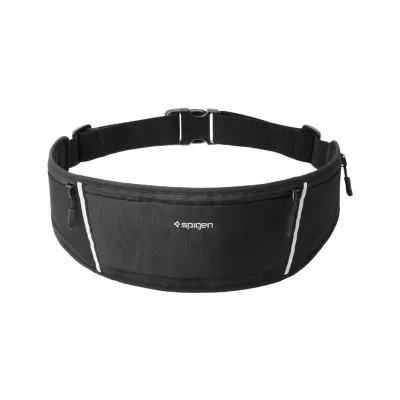
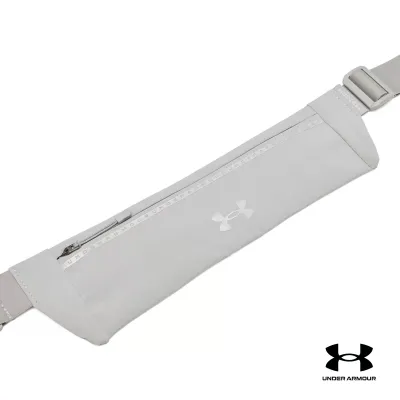
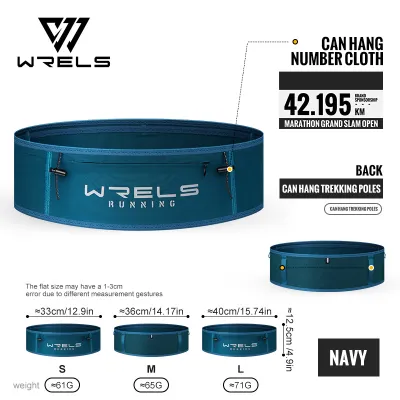
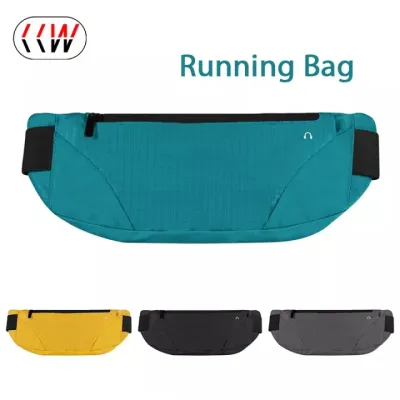
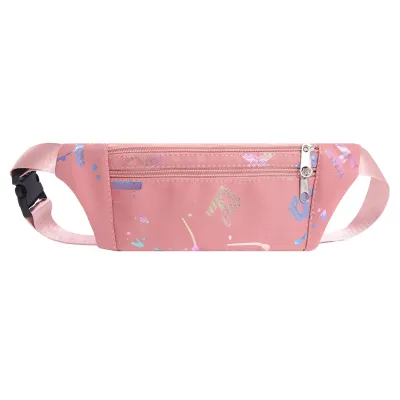
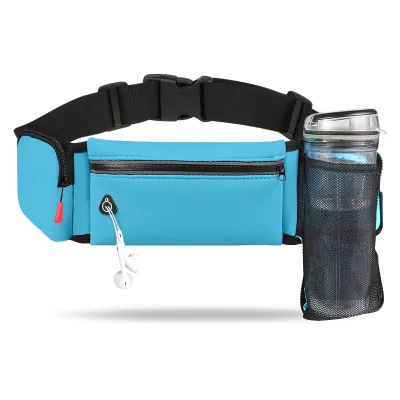
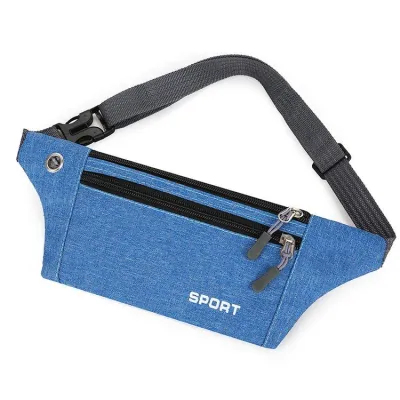
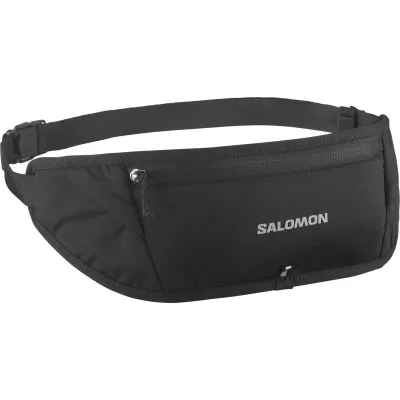
Prices are valid at publication and may change. Please refer to the product page for the latest price.
Fabric composition is the first line of defense against heat buildup. When evaluating different brands, check the textile tags for synthetic blends such as polyester, nylon, and elastane. These materials are hydrophobic, meaning they absorb very little water and instead pull moisture along the fibers to the outer surface where it can evaporate. Avoid any belts containing cotton or heavy neoprene; cotton holds onto water, becoming heavy and abrasive, while neoprene acts as an insulator that traps body heat and sweat against your lower back or waist.
Structural ventilation is equally critical for promoting airflow. Look for brands that incorporate open-weave mesh panels, laser-cut perforations, or 3D spacer fabrics. A 3D spacer fabric uses a micro-knit structure that creates a physical gap between the inner and outer layers of the belt, allowing air to circulate even when the belt is pressed firmly against your body. Laser-cut perforations in solid panels provide targeted exit points for hot air, reducing the overall thermal barrier of the accessory.
Finally, consider the skin contact area of the belt. The wider and thicker the band, the more surface area is insulated from the surrounding air. While wider belts distribute weight more evenly to prevent bouncing, they also cover more skin, which can lead to localized heat zones. Balancing the width of the belt against your carrying requirements is essential for managing your thermal comfort during long, humid runs.
Comparing Belt Designs: Tube, Pouch, and Minimalist Styles
Different structural styles of running belts offer distinct trade-offs between storage capacity, stability, and ventilation. Understanding these categories allows you to match the design to your typical running distance and sweat profile.

Tube-style belts feature a continuous band of stretch fabric that sits flat against the waist. These designs are highly popular for their sleek profile and ability to hold items securely without bouncing. However, because they wrap entirely around your torso, they present a large contact area. If you choose a tube-style belt, verify that the fabric is exceptionally thin and lightweight. Some brands utilize heavy-duty elastic knits that, while secure, act like a thermal wrap, trapping sweat and causing rapid saturation around your entire waistline.
Pouch-style belts with mesh backing offer a more targeted approach to ventilation. These designs feature a distinct storage pocket supported by an adjustable strap. The key to breathability in this style lies in the backing material of the pouch. High-quality options utilize a stiff or semi-rigid mesh backing that keeps the main storage compartment slightly elevated off your back. This design creates a ventilation zone where air can flow. However, if the pouch backing is made of solid, non-breathable nylon or waterproof materials, it will block airflow entirely, leading to a pool of sweat directly beneath the pocket.
Minimalist cord-and-pod systems provide the highest level of airflow by reducing skin contact to the absolute minimum. These systems typically consist of a thin, adjustable cord or narrow strap equipped with small, modular pouches or attachment points for soft flasks. Because the contact area is minimal, your skin remains exposed to the air, allowing natural sweat evaporation to occur almost unimpeded. The trade-off with minimalist systems is storage capacity and stability; carrying heavy items like large smartphones or multiple hydration flasks on a thin cord can lead to significant bouncing and discomfort unless the system is perfectly adjusted.
To guide your decision, use this structural framework: select minimalist cord-and-pod systems if your primary goal is maximum breathability during short to medium runs with minimal gear. Choose mesh-backed pouches if you need to balance storage capacity for longer runs with targeted airflow. Opt for thin, high-performance tube styles only if you can verify that the fabric is lightweight, quick-drying, and specifically engineered for hot-weather performance.
How to Verify Breathability Claims Before Buying
When shopping on online marketplaces or browsing local retail stores, you will encounter numerous marketing terms like ‘ultra-breathable,’ ‘cool-touch,’ or ‘sweat-proof.’ To make an informed decision, you must look past these claims and verify the physical specifications of the product.
Start by reading the detailed product specifications. Look for explicit mentions of material weights, such as lightweight mesh or specific synthetic blends like nylon-elastane. If a brand claims a belt is breathable but does not list the fabric composition or structural features like mesh panels, treat the claim with caution. True hot-weather gear will highlight its ventilation features, such as dual-sided mesh or perforated waistbands, in the technical specifications.
Next, assess the visual evidence provided in product photos and diagrams. Zoom in on the inner lining of the belt—the side that makes contact with your body. You should be able to see a visible honeycomb or diamond mesh pattern. If the surface appears completely smooth and solid, it is highly likely to trap heat. Look for thin profile edges and lightweight buckle systems, as bulky hardware adds weight and reduces the overall breathability of the strap.
Finally, analyze user feedback, filtering specifically for reviews written by runners in tropical or highly humid climates. Search for keywords such as ‘humidity,’ ‘chafing,’ ‘sweat,’ or ‘drying time.’ Reviews from runners in cooler climates may praise a belt’s comfort, but that same belt may fail to perform when subjected to Singapore’s intense humidity. Pay close attention to comments regarding how quickly the belt dries post-run and whether the material becomes heavy or sags when saturated with sweat.
Maintaining Airflow and Fabric Integrity Over Time
Once you have selected a breathable running belt, proper maintenance is essential to preserve its performance. Over time, sweat, body oils, and environmental dirt can clog the microscopic pores of technical fabrics, drastically reducing their breathability.
After every run, perform a basic post-run rinse. Sweat contains high concentrations of sodium chloride and other minerals. As the water evaporates, these salts crystallize within the weave of the fabric, stiffening the fibers and blocking the open spaces that allow air to pass. Rinsing the belt in cool, clean water immediately after your run dissolves these salt deposits before they can dry and accumulate.
When it comes to washing, always follow the manufacturer’s care label, but generally adhere to gentle guidelines. Use a mild, liquid detergent and avoid fabric softeners at all costs. Fabric softeners work by leaving a thin, waxy coating over the fibers to make them feel softer. While this may be desirable for everyday clothing, it ruins technical athletic wear by clogging the moisture-wicking channels and trapping odors inside the synthetic fibers. Wash the belt on a gentle cycle or hand wash it to protect the delicate mesh structures from tearing.
Proper drying methods are crucial, especially in Singapore’s humid environment where mold and mildew can develop quickly. Hang the belt to dry in a well-ventilated indoor area or in shaded outdoor spots. Avoid placing technical synthetic gear in a tumble dryer or leaving it in direct, intense sunlight for extended periods. High heat can degrade the elastane fibers, causing the belt to lose its stretch and recovery, while prolonged ultraviolet exposure can weaken the synthetic materials and damage the mesh panels.
Frequently Asked Questions (FAQ)
Can I use a waterproof running belt in humid weather?
Waterproof running belts are designed to keep moisture out, but they also keep moisture in. The solid polyurethane or thermoplastic polyurethane coatings used to waterproof pockets prevent air from circulating, which traps sweat against your body and can lead to severe chafing. If you must carry water-sensitive items like non-waterproof electronics or paper documents during a rainy run, consider placing those items inside a small, sealable plastic bag first, then storing them inside a highly breathable, mesh running belt. This approach protects your gear while allowing your skin to breathe.
Does a tighter fit reduce breathability?
Yes, pulling a running belt too tight can significantly reduce its breathability and your overall comfort. When a belt is overly compressed against your skin, it flattens the 3D spacer mesh or open-weave fabric, eliminating the physical air gaps required for ventilation and sweat evaporation. To find the correct balance, adjust the belt so that it sits snugly enough to prevent bouncing during your stride, but loose enough that you can easily slide two fingers underneath the band. This secure yet comfortable fit maintains the structural integrity of the ventilation channels, allowing air to flow and sweat to evaporate naturally.
Community discussion
Share your experience or ask a question. Comments are reviewed before publication.