
No single running belt brand universally dominates in breathability, as real-world performance depends heavily on the specific design architecture and how the belt fits your body. For runners in high-humidity environments like Singapore, ultra-thin, laser-cut mesh designs generally offer the highest direct airflow. These skeletal structures allow sweat to evaporate quickly, keeping skin temperature regulated during intense efforts.
In contrast, continuous tubular fabric belts prioritize moisture-wicking and bounce reduction. While they are highly effective at absorbing sweat and holding gear securely, their full-coverage design naturally traps more body heat.
Your choice should be conditional:
Products mentioned in this guide
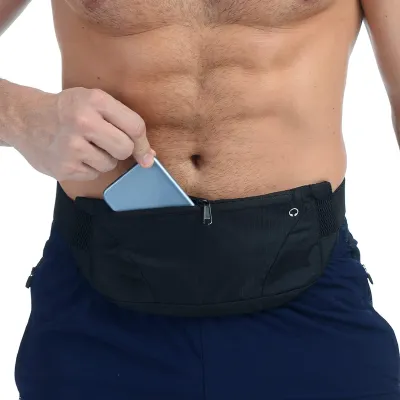
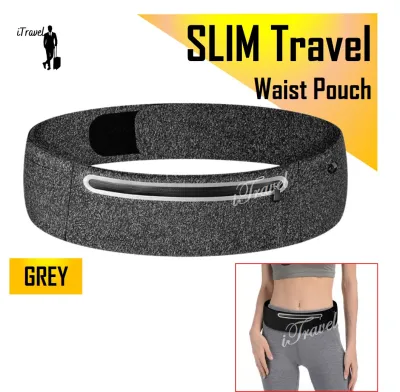
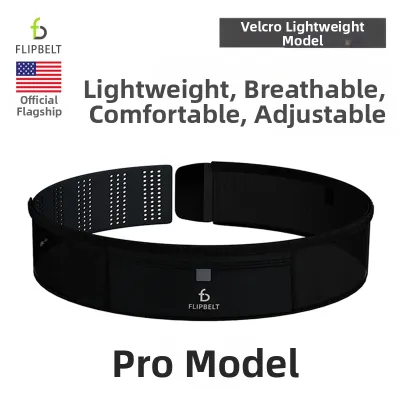
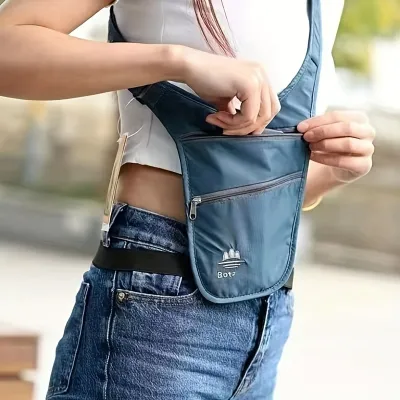
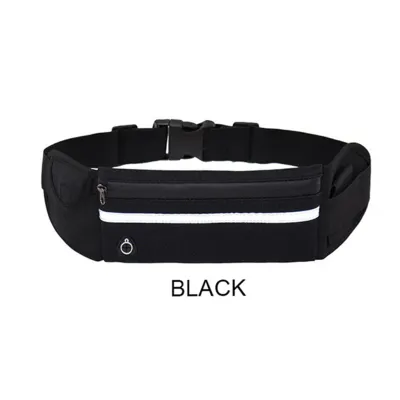
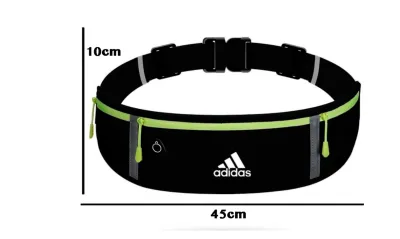
Prices are valid at publication and may change. Please refer to the product page for the latest price.
- Choose minimalist mesh designs if your primary concern is maximum airflow, heavy sweating, or running in tropical climates.
- Choose tubular wicking fabrics if you prioritize 360-degree storage capacity, a soft feel, and a bounce-free fit in moderate conditions or indoor environments.
Key Factors That Determine Running Belt Breathability
To make an informed decision, it is essential to look past marketing buzzwords and understand the material science behind heat and moisture management. A running belt’s ability to keep you dry relies on several interacting factors, starting with material composition.
Technical fabrics behave differently under physical exertion. Nylon-spandex blends are highly durable and offer excellent elastic recovery, but dense weaves can trap heat. Polyester micro-mesh is highly hydrophobic; it repels water and allows moisture to pass through to the outer surface where it can evaporate quickly. Avoid cotton-spandex mixes entirely for running. Cotton fibers absorb moisture, expand, and hold water against your skin, increasing the belt’s weight and creating a damp environment ripe for friction. It is critical to distinguish between moisture-wicking—which pulls sweat away from the skin—and airflow, which allows ambient air to cool the skin directly.
In high-humidity climates, the air is already saturated with water vapor. This means sweat cannot evaporate from your skin as easily as it would in a dry climate. Consequently, your body relies even more heavily on direct airflow to carry away the layer of humid air trapped next to your skin. If your running belt blocks this airflow, it creates a localized greenhouse effect around your waist, rapidly raising your core temperature.
Structural design also dictates thermal performance. Some belts feature solid fabric panels with laser-cut perforations to allow air exchange without sacrificing strength. Others utilize open-mesh pockets, ensuring that even when the belt is fully loaded, air can still circulate. A solid pocket wall acts as a thermal barrier, trapping a layer of hot, humid air right against your lower back or abdomen.
The physical footprint, or surface area, of the belt directly affects heat retention. A wide, continuous band that wraps entirely around your torso covers a significant portion of your core, acting as an insulating layer. A narrower belt or one with a skeletal, open-back design minimizes skin contact, allowing your body’s natural sweat-evaporation process to function with minimal interference.
Finally, mechanical tension plays a critical role. When a running belt is pulled too tight to prevent bouncing, the tension compresses the fabric fibers. This compression flattens the microscopic pores in mesh or knit structures, restricting airflow and trapping sweat beneath the band. Conversely, a belt that is too loose will shift, causing the damp fabric to rub repeatedly against your skin, which leads to severe friction and chafing.
How Popular Running Belt Designs Compare for Sweat Management
Different brands approach the challenge of carrying gear while managing sweat with distinct design philosophies. By understanding these categories, you can evaluate any brand on the market based on its structural elements.

Tubular Fabric Belts (e.g., FlipBelt Style)
Tubular belts are constructed as a continuous, stretchy band of fabric that sits flat against your waist or hips. They typically utilize high-quality polyester-spandex or nylon-spandex blends engineered to wick moisture away from the skin. Because the fabric is soft and uniform, these belts are highly comfortable and excel at distributing weight evenly, resulting in a virtually bounce-free experience.
However, the continuous 360-degree coverage means a substantial surface area of your torso is wrapped in fabric. In hot, humid conditions, such as outdoor runs along coastal paths, this full-coverage design can act as an insulator. While the fabric successfully wicks sweat, the lack of open airflow means the belt can become saturated on long runs. Once saturated, the wicking process slows down, and the damp fabric remains pressed against your skin.
This style is highly suitable for runners in moderate climates, those who run primarily in air-conditioned indoor settings, or individuals who prioritize carrying multiple items—like soft flasks, keys, and large smartphones—with zero bounce over maximum cooling.
Minimalist Mesh and Laser-Cut Belts (e.g., Naked, Salomon Style)
Minimalist mesh and laser-cut belts are engineered specifically for high-output activities in challenging thermal environments. These designs utilize ultra-thin, highly open mesh structures that maximize direct skin exposure to the air. Instead of a solid band of fabric, they often feature a skeletal design where only the structural borders are solid, while the main body of the belt is a highly breathable net.
The primary advantage of this design is exceptional airflow and rapid drying times. Sweat evaporates almost immediately because there is minimal physical barrier to trap heat. This makes them the premier choice for tropical climates or high-intensity training sessions where sweat production is at its peak.
The trade-off for this extreme ventilation is a demand for highly precise sizing. Because these mesh fabrics have less elastic stretch than thick tubular bands, buying the wrong size can lead to excessive bouncing or uncomfortable constriction. Additionally, because the mesh is thin and flexible, carrying heavy, bulky items can cause the belt to sag or bounce more than a structured tubular belt would.
Traditional Neoprene or Padded Waist Packs
Traditional running packs often feature thick, padded back panels, heavy plastic buckles, and neoprene pockets. Neoprene is a synthetic rubber that is inherently non-breathable; it is designed to insulate, not to ventilate. While these packs are highly durable and water-resistant—protecting your phone from external rain—they act as severe heat sinks when worn against the body.
During a run, a neoprene pack traps heat and sweat completely, creating a hot microclimate underneath the belt. This trapped moisture softens the skin, making it highly susceptible to painful chafing and heat rashes. For runners focused on sweat management and comfort in warm weather, these heavy, padded styles should generally be avoided.
Design Comparison Matrix
To help you quickly evaluate which style fits your running conditions, the table below compares the three primary design architectures across key performance dimensions.
| Design Type | Airflow Level | Moisture Management | Storage Capacity | Best Use Case |
|---|---|---|---|---|
| Tubular Fabric Belts | Moderate | High (Wicking) | High (360-Degree) | Moderate climates, indoor runs, heavy storage needs |
| Minimalist Mesh Belts | High | High (Evaporation) | Moderate (Light items) | High-humidity, tropical heat, heavy sweat runs |
| Neoprene/Padded Packs | Low | Low (Traps sweat) | Moderate to High | Cold weather, heavy rain protection, low-intensity walks |
Fit and Breathability Considerations Specific to Women Runners
For women runners, the interaction between a running belt, body anatomy, and apparel choices introduces unique factors that directly affect sweat management and comfort.
Waist vs. Hip Placement
Female body geometry often dictates where a running belt sits. Placing a belt around the natural waist versus lower down on the hips changes how the belt interacts with your clothing and sweat zones. The lower back and the crease above the hips are high-sweat areas. If you wear high-waisted running tights or leggings, wearing a running belt directly over the waistband adds a second or third layer of fabric over your core. This layered fabric stack traps significant heat, compounding sweat buildup. To optimize breathability, consider positioning the belt slightly lower on the hips where it can sit over a single, thin layer of apparel, or choose an ultra-thin mesh belt that can be worn comfortably directly against the skin under a loose singlet.
Body Shape and Movement
Different body shapes (such as hourglass or pear shapes) can cause a running belt to ride up or slide down during a run. When a belt shifts or rides up toward the waist, it tends to bunch. This bunching multiplies the thickness of the fabric in one concentrated area, completely blocking any breathability the fabric originally had and creating a hot spot. To prevent this, look for belts with tapered designs, multi-panel construction, or adjustable tension systems that conform to the natural curve of your hips without shifting.
Apparel Interaction
A highly breathable running belt cannot perform its job if it is worn over non-breathable clothing. If your running shorts or leggings are made of thick, heavy fabrics that retain moisture, the belt will simply compress that damp fabric against your body. For optimal sweat management, pair your belt with technical, ultra-thin, moisture-wicking apparel. Look for shirts and bottoms with integrated mesh panels or lightweight synthetic fibers that facilitate rapid moisture transfer.
Chafing Risks in High Humidity
High humidity accelerates sweat accumulation, which softens the outer layer of your skin, making it much more vulnerable to friction damage. Even the most breathable belt can cause severe chafing if it has rough seams, rigid zippers, or stiff edges. When selecting a belt, inspect the interior construction. Look for flatlock stitching, seamless edges, and soft, bonded borders. If you plan to wear the belt directly against your skin, these construction details are critical to preventing painful friction burns along your waistline.
How to Choose the Most Breathable Running Belt for Your Needs
Selecting the right belt involves matching your typical running environment, gear requirements, and physical comfort priorities to the correct design architecture.
Choose a Minimalist Mesh Belt if:
- You primarily run in high-heat and high-humidity environments.
- You sweat heavily and find that standard apparel stays damp for hours.
- You are highly prone to chafing or heat rashes around your waistline.
- Your carrying needs are minimal, limited to essential items like a smartphone, a house key, and a couple of energy gels.
Choose a Tubular Wicking Belt if:
- You need to carry multiple items distributed around your waist, such as soft water flasks, nutrition, keys, and a phone.
- You prioritize a completely bounce-free fit that moves seamlessly with your body.
- You run in moderate temperatures, early mornings, or indoor air-conditioned tracks where extreme heat dissipation is not the primary concern.
Avoid Padded/Neoprene Packs if:
- Your primary goal is to minimize sweat buildup and keep your skin dry during outdoor summer or tropical runs.
Verify First if:
If you are purchasing a running belt online, always check the retailer’s return and exchange policies, as finding the perfect fit is crucial for both bounce prevention and breathability. Read user reviews carefully, filtering for keywords like “chafing,” “sweat,” “humidity,” or “hot.” Pay close attention to feedback from runners who train in similar climates to ensure the belt performs well under real-world sweat conditions.
Actionable Tip:
Before purchasing a belt in a physical store, perform a simple “light test.” Hold the belt’s fabric up to a bright light source. If you can clearly see light filtering through the weave or mesh pores, the fabric will allow adequate airflow. Additionally, check the garment’s material tag; a high percentage of polyester or nylon mesh indicates superior moisture evaporation compared to dense elastane or polyurethane structures.
Maintaining Breathability: Washing and Care Tips
High-performance technical fabrics require proper maintenance to preserve their breathability and wicking capabilities over time. When you run, your sweat carries dissolved mineral salts, body oils, and dead skin cells. Over time, these microscopic particles accumulate within the fine pores of mesh fabrics and technical fibers. If left unwashed, this buildup clogs the fabric, significantly reducing airflow and destroying its ability to wick moisture.
To protect the technical integrity of your running belt, never use fabric softeners or dryer sheets. Fabric softeners work by coating fibers with a thin, chemical lubricating layer. While this makes everyday clothing feel softer, it leaves a water-repellent residue on technical fabrics. This residue clogs the microscopic pores of mesh and prevents synthetic fibers from absorbing and wicking sweat, permanently ruining the belt’s breathability.
Always check the manufacturer’s care label on your specific running belt first. If instructions are missing or unclear, follow this standard, low-risk care routine to extend the life of your belt:
- Rinse Immediately: After a particularly sweaty run, rinse the belt in cool, clean water to flush out sweat salts before they dry and crystallize in the fabric.
- Wash Gently: Hand wash or machine wash on a gentle cycle in cold water. Use a mild, sports-specific liquid detergent designed to break down body oils without damaging technical fibers.
- Air Dry Only: Never put your running belt in a clothes dryer. High heat degrades the elastane and spandex fibers that give the belt its stretch and fit, leading to sagging and structural failure. Hang the belt in a well-ventilated, shaded area to air dry completely.
Community discussion
Share your experience or ask a question. Comments are reviewed before publication.