
Finding a budget-friendly acupressure mat that replicates the intense, therapeutic tension relief of the premium Shakti Mat is entirely achievable if you know which structural details to evaluate. While the premium brand is highly regarded for its craftsmanship, the underlying mechanics of acupressure rely on physical geometry: the density of the foam core, the sharpness and count of the plastic spikes, and the breathability of the fabric cover. By understanding these technical specifications, you can easily identify high-quality alternatives on local e-commerce platforms in Singapore for a fraction of the cost. This guide outlines exactly how to assess these budget options to ensure you do not sacrifice therapeutic efficacy or skin safety.
Defining the Baseline: The Shakti Mat's Core Specifications
To find a budget alternative that truly matches the premium experience, you must first understand the baseline specifications of a standard Shakti Mat. A classic premium mat generally features a thickness of approximately 2 cm to 2.5 cm, utilizing a dense, supportive foam core wrapped in an organic cotton cover. The therapeutic stimulation comes from circular plastic discs, often called rosettes, which are heat-bonded to the fabric. Each rosette typically contains 27 sharp, precision-molded spikes. A standard-intensity mat distributes body weight across approximately 6,000 to 8,000 individual pressure points.
The relationship between these components is critical. The foam core must be firm enough to prevent your body from sinking completely through to the hard floor, while the fabric must offer enough tension to keep the spikes standing perfectly upright. If the foam is too soft, your body weight concentrates heavily on bony areas like the shoulder blades and sacrum, causing localized discomfort rather than broad, even pressure distribution. Conversely, if the spikes are dull or unevenly molded, the mat fails to trigger the localized blood flow and endorphin release associated with acupressure. Replicating this experience on a budget requires looking past marketing buzzwords and examining the raw physical construction of the alternative.
Products mentioned in this guide
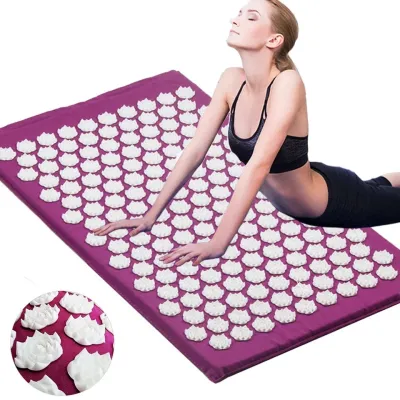
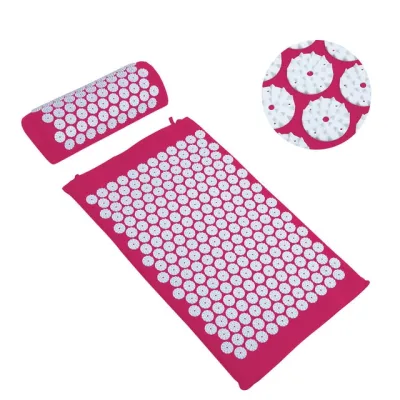
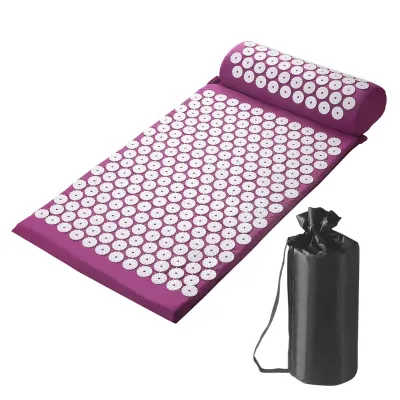
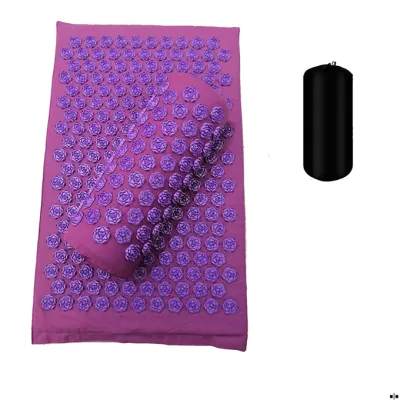
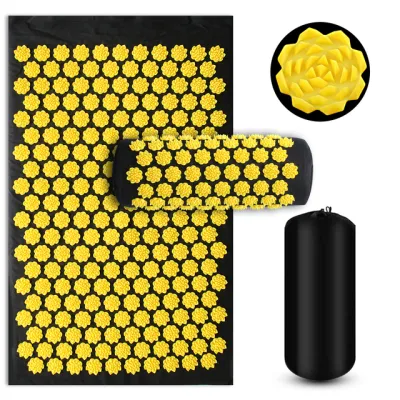
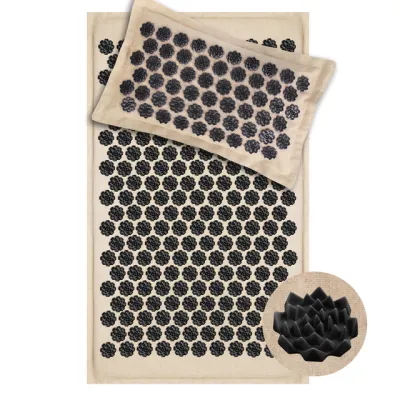
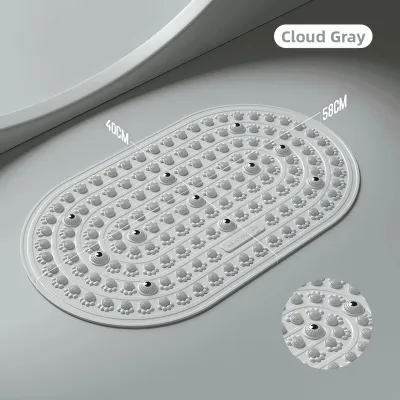
Prices are valid at publication and may change. Please refer to the product page for the latest price.
Essential Specs to Check in Budget Acupressure Mats
Selecting an affordable alternative requires a methodical inspection of the product’s technical details. Because budget manufacturers often cut corners on materials that are hidden from view, you must actively verify the specifications of both the internal support and the external contact points.

Evaluating Foam Thickness and Base Materials
The foundation of any acupressure mat is its foam insert, which dictates how well the mat cushions your spine, hips, and joints. When browsing budget options, look for a specified foam thickness of at least 2 cm. Anything thinner than this threshold will likely bottom out under adult body weight, leaving your spine resting directly against the floor and rendering the spikes painfully intense in localized spots.
Equally important is the foam’s density and resilience. High-resilience polyurethane foam or natural coconut fiber inserts are ideal because they resist permanent compression. To verify this, look for product descriptions that specify high-density foam or check customer reviews for mentions of the mat maintaining its shape after several weeks of use.
For the outer cover, natural cotton is highly recommended over synthetic polyester blends, especially in Singapore’s warm and humid climate. Cotton allows air to circulate, absorbing sweat during longer sessions and preventing the mat from sliding against your skin. If you must choose a synthetic blend due to budget constraints, ensure you use a thin cotton towel or wear a light t-shirt during your sessions to manage moisture and protect your skin barrier.
Verifying Spike Density, Material, and Sharpness
The efficacy of an acupressure mat depends entirely on the design and attachment of its spikes. High-quality mats use non-toxic, medical-grade ABS plastic (acrylonitrile butadiene styrene) for the rosettes. ABS plastic is highly rigid and retains its sharp edges over years of use, whereas cheaper plastics like polypropylene may bend, dull, or even crack under pressure.
When evaluating budget alternatives, count the number of spikes per rosette and the total number of rosettes. A standard mat should have between 220 and 250 rosettes, yielding around 6,000 to 8,000 spikes. Be cautious of mats advertising extra-gentle experiences with over 10,000 spikes; while this sounds premium, a higher spike count actually distributes your weight more broadly, resulting in a less intense, more diffuse sensation. If you want a deep tissue release that matches the original Shakti experience, stick to the 6,000 to 8,000 spike range.
Furthermore, closely examine product images to determine how the rosettes are attached to the fabric. Premium alternatives utilize heat-bonding (where the plastic is melted slightly to fuse with the cotton fibers). Budget options occasionally use chemical adhesives or glue to attach the discs. Glued spikes are highly prone to peeling off, especially when exposed to sweat, humidity, and gentle hand-washing. Always verify that the manufacturer specifies heat-bonded or glue-free construction.
Before your first full session, perform a quick skin compatibility check. Lie on the mat with a thin t-shirt to gauge your pain tolerance. If you experience sharp, pinching pain rather than a warm, dull ache, or if you notice any skin breakage, bleeding, or bruising, stop use immediately. Equipment cannot replace personal judgment; if you have pre-existing skin conditions, diabetes, or circulatory issues, consult a medical professional before starting an acupressure routine.
Expected Trade-Offs When Choosing Affordable Options
While a budget-friendly acupressure mat can deliver an identical physical sensation to a premium model, it is important to understand where compromises are typically made. Recognizing these trade-offs helps you decide whether a cheaper option aligns with your specific usage patterns.
The most common compromise is the absence of independent eco-friendly and ethical certifications. Premium brands often source organic, certified cotton and utilize non-toxic dyes, ensuring that the fabric resting against your bare skin is completely free of harmful residues. Budget alternatives rarely carry these certifications, meaning you should wash the outer cover gently before your first use to remove any manufacturing chemical residues.
Another critical trade-off is long-term durability. Budget polyurethane foam tends to lose its springiness faster than premium foam or coconut coir. Over six to twelve months of daily use, a cheap foam core may develop permanent indentations where your shoulder blades and hips rest, reducing the mat’s overall pressure distribution. The fabric seams and zippers on cheaper mats may also feature single-stitching, which can fray or split under the tension of removing the foam core for cleaning.
For casual users who plan to use the mat once or twice a week for quick relaxation sessions, these trade-offs are highly acceptable and unlikely to impact the overall experience. However, if you are a daily practitioner seeking a long-term wellness tool, investing in a slightly higher-tier budget mat with a coconut fiber core and heat-bonded spikes will prevent the need for premature replacement.
Sourcing and Testing Budget Mats in Singapore
Finding a reliable, budget-friendly acupressure mat in Singapore involves navigating local online marketplaces and physical wellness retailers strategically. Because you cannot physically test online products before purchasing, you must rely on smart filtering and customer feedback.
When searching on local e-commerce platforms, avoid generic terms like cheap yoga mat and instead search for heat-bonded acupressure mat 2cm or ABS spike acupressure set. Filter your results to show only listings with high-resolution, close-up photos of the plastic rosettes and the fabric texture. This allows you to visually inspect the uniformity of the spikes and check for any plastic flashing (excess plastic from poor molding) that could cause scratches or skin cuts.
Pay close attention to customer reviews from buyers in Singapore. These reviews often provide invaluable context regarding how the materials hold up in local humidity. Look for comments mentioning whether the foam insert emits a strong chemical odor upon opening or if the spikes feel sharp enough to stimulate blood flow.
Before finalizing your purchase, verify the seller’s return policy and warranty terms. A reputable budget seller should offer at least a 7-day to 14-day return window, allowing you to unbox the mat and test the pressure distribution on a clean surface at home. Finally, factor in local shipping costs. Many overseas sellers offer low upfront prices but charge high shipping fees to Singapore, which can quickly negate the savings of choosing a budget alternative. Look for local stockists or sellers offering free domestic shipping to ensure your purchase remains genuinely economical.
Frequently Asked Questions (FAQ)
Can I use a standard yoga mat for acupressure?
No, a standard yoga mat cannot replicate the effects of an acupressure mat. Yoga mats are designed to provide a non-slip, cushioned surface for dynamic physical movement and joint support. They lack the thousands of rigid plastic spikes required to stimulate cutaneous receptors, increase localized blood circulation, and trigger muscle relaxation. Additionally, yoga mats are typically much thinner (ranging from 3mm to 8mm) and do not offer the specific foam density needed to support your body weight comfortably while lying completely still.
Do affordable acupressure mats include neck pillows?
Many budget-friendly acupressure mats are sold as complete sets that include a matching cervical neck pillow. When evaluating these budget bundles, check that the pillow features a curved, ergonomic design rather than a flat block shape. The spikes on the pillow should be aligned to target the suboccipital muscles at the base of the skull. Ensure the pillow’s outer cover features a zipper or hook-and-loop closure so you can easily remove the internal foam for washing.
How should I clean and maintain a budget acupressure mat?
To extend the lifespan of a budget mat, always hand-wash the outer cover in cold water using a mild, gentle detergent. Never place the cover or the foam insert into a washing machine or tumble dryer, as the mechanical agitation can break the plastic spikes, tear the fabric, or degrade the adhesives. Gently brush the spikes with a clean, soft-bristled toothbrush to remove sweat and skin oils. Always air-dry the cover flat in a well-ventilated, shaded area away from direct sunlight to prevent the plastic spikes from warping or becoming brittle.
Community discussion
Share your experience or ask a question. Comments are reviewed before publication.