
Crabbing along Singapore’s scenic coastlines—from the sandy stretches of Changi Beach to the rocky seawalls of East Coast Park—is an accessible and rewarding outdoor activity. For beginners, the key to a successful outing lies in choosing a reliable crabbing net that can withstand the harsh tropical saltwater environment without breaking your budget. While premium professional gear can be costly, budget-friendly options found at major sporting goods retailers and local tackle shops offer excellent durability and ease of use for under S$30 to S$50. Selecting the right equipment requires balancing affordability with specific features like corrosion resistance and net material to ensure your gear survives Singapore’s humid, salty conditions.
Key Features to Look for in a Beginner's Crabbing Net
Handle Length and Material
The handle of your crabbing net dictates your reach and physical leverage, which are critical when targeting crabs from elevated structures like seawalls, jetties, or muddy mangrove banks. For beginners in Singapore, telescopic handles are highly recommended because they collapse down for easy transport on public transit, such as the MRT or buses, while extending up to three meters when deployed. When evaluating handle materials, prioritize lightweight aluminum or fiberglass poles. Aluminum offers excellent rigidity and is highly budget-friendly, whereas fiberglass provides superior flexibility and resistance to crushing forces. Avoid heavy, solid wood or cheap, thin-walled steel handles, which will quickly tire your arms and rust within days of exposure to coastal humidity.
Net Hoop and Mesh
The hoop and the mesh are the primary contact points with your catch, meaning they must withstand both the weight of a struggling crab and its powerful claws. Look for a hoop made from anodized aluminum or marine-grade stainless steel to prevent bending under pressure. For the mesh itself, rubberized or knotless nylon is the gold standard for beginners. Standard knotted nylon nets are notorious for catching on a crab’s sharp spines and claws, leading to frustrating tangles that can ruin your net and harm the animal. Rubber-coated mesh allows the crab to slide out easily during transfer and prevents water absorption, keeping the net lightweight and odor-free during your journey home.
Products mentioned in this guide
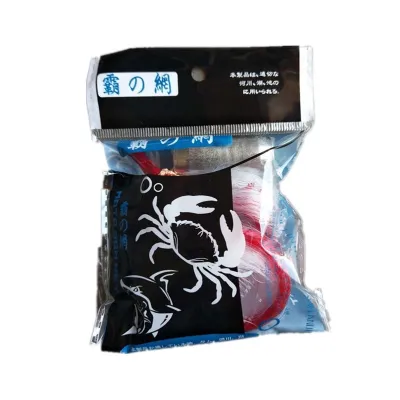
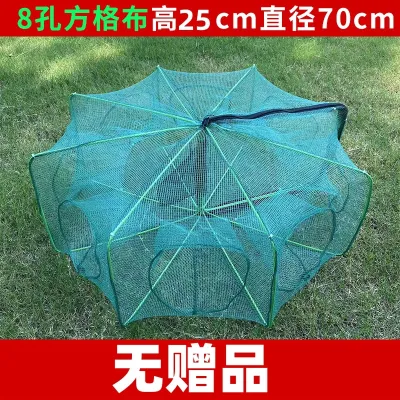
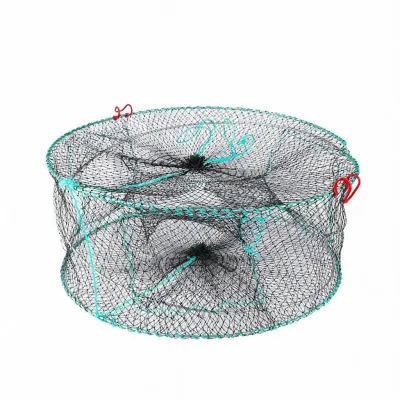
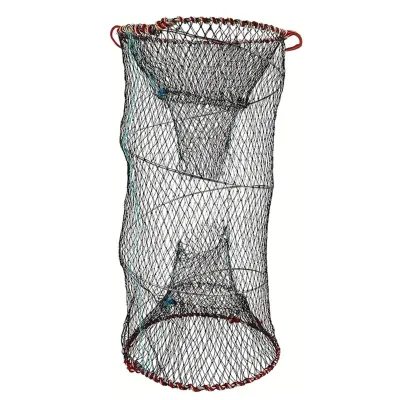
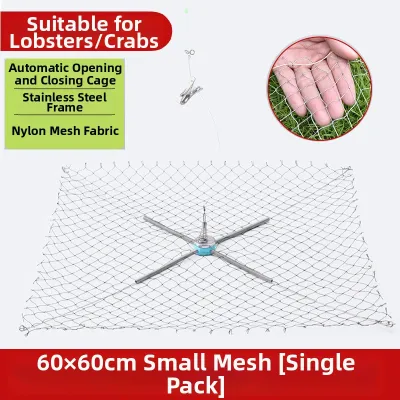
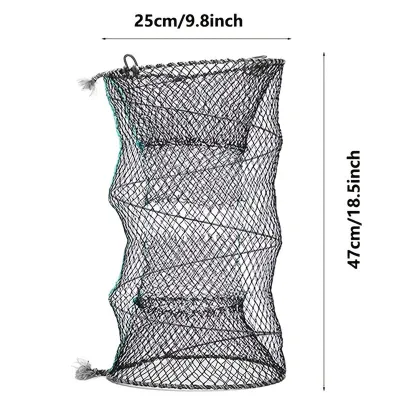
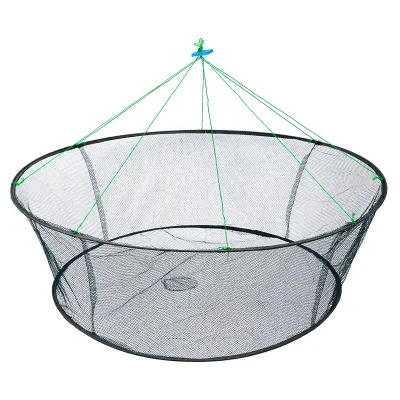
Prices are valid at publication and may change. Please refer to the product page for the latest price.
Weight and Balance
A heavy, poorly balanced net can turn an enjoyable evening into an exhausting chore, particularly for younger family members or novice anglers. When holding an extended net, the center of gravity should feel close to your hands rather than pulling heavily at the far end. Lightweight designs weighing under 600 grams allow for quick, precise scooping motions when a crab is spotted swimming near the surface or crawling along a rock. Before purchasing, extend the handle fully in the store to verify that the locking mechanisms hold securely under a simulated load and that you can comfortably maneuver the net with one hand.
Saltwater Resistance
Singapore’s tropical marine environment is exceptionally harsh on metal components due to high temperatures and salinity levels. Standard freshwater landing nets will degrade rapidly, with joints seizing and screws rusting after just one or two outings. To ensure longevity, carefully inspect product labels for terms such as “anti-corrosion coating,” “anodized finish,” or “marine-grade hardware.” Even when buying budget-friendly gear, choosing a model with brass, stainless steel, or high-impact composite plastic fittings at the joints will prevent premature failure and save you money on replacements.
Hand Nets vs. Crab Traps: Which Suits Your Style?
Hand Nets (Landing Nets)
Hand nets are designed for active, visual crabbing where you walk along seawalls, shallow flats, or jetties at night with a strong headlamp, searching for crabs to scoop up directly. This method requires quick reflexes, steady footing, and a bit of patience, making it an exciting, hands-on experience for active outdoor enthusiasts. Because hand nets do not require baiting and waiting, they are highly portable and allow you to cover large areas of the coastline quickly. They are also generally the most affordable option, with basic telescopic models starting at very low price points, making them a low-risk entry point for absolute beginners.

Crab Traps (Folding Cages)
In contrast, crab traps—often designed as folding wire cages or lift nets—represent a passive approach to crabbing. You bait the trap with fish heads or chicken carcasses, lower it into the water from a jetty or bridge, and wait for the crabs to enter. While this method requires less physical exertion and allows you to relax while the gear does the work, traps are bulkier to transport and require a dedicated rope and bait cage. Furthermore, traps are subject to stricter local regulatory oversight in Singapore; you must ensure your traps comply with size restrictions and are only deployed in authorized zones where they will not pose a hazard to marine navigation or local wildlife.
Comparison Table
| Feature | Hand Nets (Landing Nets) | Crab Traps (Folding Cages) |
|---|---|---|
| Setup Time | Instant (no assembly required) | Moderate (requires baiting and rigging) |
| Skill Level Required | Moderate to High (requires active scooping) | Low (passive waiting) |
| Portability | High (lightweight and telescopic) | Low to Moderate (bulky, requires ropes) |
| Relative Budget Tier | $ (highly affordable) | $$ (moderate cost for traps and bait) |
Decision Matrix
To decide which tool fits your outing, consider your group dynamics and available time:
- For Active Explorers: Choose a telescopic hand net if you enjoy walking along shallow flats or seawalls, spotting crabs with a headlamp, and actively scooping them up.
- For Relaxed Outings: Choose folding crab traps if you prefer to set bait, relax on a jetty with friends or family, and pull up the catch periodically.
- For Families with Young Children: A combination works best. Use small, lightweight hand nets for safe shoreline exploration, and deploy a simple lift net from a secure jetty under adult supervision.
How to Find Reliable Budget Brands in Singapore
Large Sporting Goods Retailers
For beginners seeking a guaranteed baseline of quality at a transparent price, large sporting goods retailers like Decathlon are an excellent starting point. Their in-house fishing brand, Caperlan, offers a range of landing nets that double beautifully as crabbing nets. These products are engineered with standardized quality controls, meaning you get durable aluminum handles, robust locking systems, and saltwater-resistant materials without the premium price tag of specialized angling brands. Additionally, purchasing from established retailers provides peace of mind through clear return policies and accessible customer service if you encounter any manufacturing defects.
Local Tackle Shops
Singapore is home to a vibrant network of independent tackle shops concentrated in coastal and residential hubs like Bedok, Changi, Beach Road, and Jurong. Visiting these local shops is highly recommended for beginners because the staff possess invaluable, localized knowledge about what works best in Singapore’s specific waters. While they carry high-end gear, almost all local tackle shops stock highly affordable, regional budget brands (such as Pioneer or SureCatch) that are specifically designed for local marine conditions. The shopkeepers can recommend the exact net length needed for popular spots like Bedok Jetty and can often spool your ropes or suggest the best local bait.
Online Marketplaces
E-commerce platforms offer a massive variety of crabbing nets, often at prices that beat physical retail stores. However, buying online requires careful vetting to avoid low-quality counterfeits or fragile freshwater gear. When browsing online marketplaces, filter your search to show sellers with high ratings and a substantial history of positive transactions. Read the customer reviews closely, searching for keywords like “rust,” “saltwater,” “snapped,” or “Singapore” to see how the net performs in local conditions. Always verify the shipping times and return policies, ensuring that the seller offers recourse if the product arrives damaged or does not match the advertised specifications.
Red Flags to Avoid
When hunting for a bargain, it is vital to recognize when a price is too good to be true. Avoid ultra-cheap, unbranded nets that feature thin, uncoated wire hoops or flimsy plastic folding joints, as these components are highly prone to snapping when lifting a heavy mud crab or flower crab out of the water. Inspect the locking mechanisms on telescopic handles; cheap twist-lock systems often slip under load, causing the handle to collapse unexpectedly. If a net feels excessively heavy when collapsed, or if the metal components lack any visible protective coating, it is best to pass on the purchase, as it will likely rust and become unusable after a single saltwater session.
Essential Gear and Safety Rules for Crabbing in Singapore
Must-Have Accessories
A crabbing net alone is not enough for a successful and safe outing; you must budget for a few low-cost accessories to manage your catch and protect yourself:
- Puncture-Resistant Gloves: Heavy-duty rubber gloves are absolutely essential to protect your fingers from the powerful, crushing claws of mud crabs.
- Secure Bucket: You will need a sturdy, deep bucket with a secure, ventilated lid to transport your catch safely without risk of escape.
- Headlamp: Because the best crabbing often occurs after sunset, a reliable, hands-free headlamp with a red-light mode (which is less likely to spook crabs) is crucial for navigating dark coastal areas safely.
Environmental Safety
Crabbing along Singapore’s coastlines requires strict adherence to safety protocols to prevent accidents. Always check the official meteorological and tidal forecasts before heading out, and avoid crabbing during heavy downpours or when lightning warnings are active. Wet seawalls, mossy rocks, and muddy mangrove banks can be incredibly slippery; always wear closed-toe, non-slip footwear with excellent grip, such as felt-soled booties or rugged outdoor sandals. Maintain constant situational awareness of rising tides to ensure you do not get cut off from the mainland, and keep a respectful distance from local wildlife, including stray dogs, wild boars, and stinging marine organisms.
Regulatory Compliance
To preserve Singapore’s delicate marine ecosystems and ensure a sustainable fishery, all recreational crabbers must strictly comply with the National Parks Board (NParks) guidelines. Before your trip, visit the official NParks website to verify permitted crabbing locations, as crabbing is strictly prohibited in nature reserves, marine parks, and designated conservation zones. Familiarize yourself with local catch limits, size restrictions, and species protections. Engaging in illegal crabbing or using unauthorized gear can result in severe fines, so staying informed is a fundamental responsibility of every outdoor enthusiast.
Catch and Release Ethics
Practicing ethical catch-and-release is vital for maintaining healthy crab populations in Singapore’s waters. Always inspect your catch carefully before placing it in your bucket. If you catch a female crab carrying eggs (identifiable by a large, spongy orange or brown mass on her underside, known as a “berried” crab), release her immediately and gently back into the water to support future generations. Similarly, return any undersized crabs that have not reached maturity. When handling crabs, do so calmly and quickly to minimize their stress, and never leave discarded bait or plastic trash behind on our beaches and jetties.
Frequently Asked Questions (FAQ)
What is the best time of day to go crabbing in Singapore?
The best time to go crabbing is heavily dependent on tidal movements rather than a fixed hour of the day. Crabs are highly active during incoming tides, especially during the transition from low to high tide, as the rising water brings nutrients and smaller prey closer to the shore. Evening and nighttime sessions are generally much more productive than daytime outings, as crabs are nocturnal predators and feel safer foraging in the dark. To maximize your chances of success, cross-reference local tide charts with your planned schedule and aim to arrive at your chosen spot about one to two hours before the peak high tide.
How do I clean and maintain my crabbing net after use?
Proper maintenance is crucial to extending the lifespan of your budget crabbing net and preventing unpleasant odors. Immediately after returning home, rinse the entire net, handle, and joints thoroughly with clean, cold freshwater to wash away salt, sand, and organic debris. Pay special attention to telescopic joints and metal screws, as trapped saltwater will quickly initiate corrosion. Once rinsed, hang the net to air-dry completely in a shaded, well-ventilated area; avoid leaving it in direct sunlight, as prolonged UV exposure can degrade and weaken nylon and rubber mesh over time.
Are there any locations in Singapore where crabbing is strictly prohibited?
Yes, crabbing is strictly prohibited in several protected ecological zones across Singapore. These include the Sisters’ Islands Marine Park, Sungei Buloh Wetland Reserve, and designated core conservation areas within our nature reserves. Additionally, certain public beaches, swimming lagoons, and active shipping channels may have specific local bans or safety restrictions regarding the deployment of nets and traps. Always look out for official NParks advisory signs posted at park entrances and beach access points, and consult the latest NParks digital maps before planning your crabbing route to ensure you remain in authorized recreational zones.
Community discussion
Share your experience or ask a question. Comments are reviewed before publication.