
Selecting the most effective bunion fix depends entirely on your primary symptoms, daily activity levels, and the footwear you wear most often. Bunion splints, toe spacers, and bunion pads each serve distinct roles in managing foot discomfort. Splints offer rigid alignment during rest, spacers actively separate overlapping toes during daytime movement, and pads cushion the joint against painful shoe friction. None of these over-the-counter options can permanently reverse the underlying bone deformity; they are designed strictly for symptom management and comfort. This guide breaks down the specific use cases, limitations, and safety checks for each option to help you select the right support for your condition.
Assessing Your Bunion Symptoms and Daily Needs
To choose the right support, you must first identify the exact nature of your discomfort. Bunion pain typically manifests in three distinct ways: deep joint aching, toe crowding, or surface skin irritation. Deep joint aching often points to structural misalignment and stiffness, which is best addressed by stabilizing the joint. Toe crowding occurs when the big toe drifts inward, putting pressure on the second toe and sometimes causing it to overlap. Surface irritation, such as redness, blisters, or calluses, is caused by the bunion bump rubbing against the inside of your shoe.
Observing how your foot behaves during different activities will guide your choice. If you experience significant stiffness after sitting or sleeping, your joint may benefit from rigid positioning during rest. If your toes rub together and cause blisters while walking or running, you likely need active separation. For those whose primary complaint is a burning sensation on the outer bump when wearing work shoes, targeted cushioning is the priority.
Products mentioned in this guide
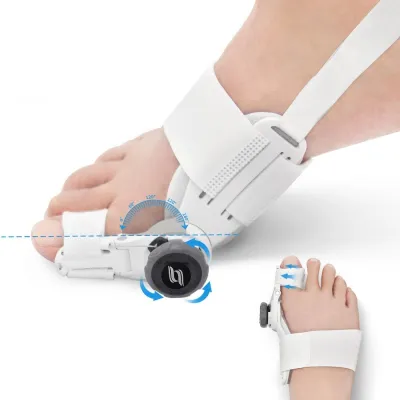
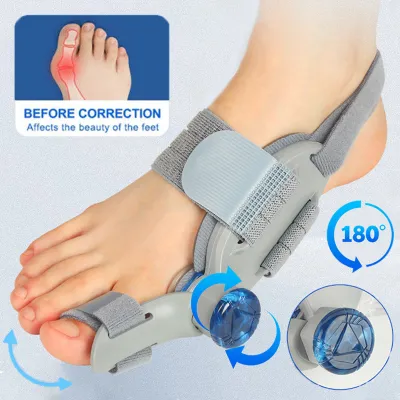
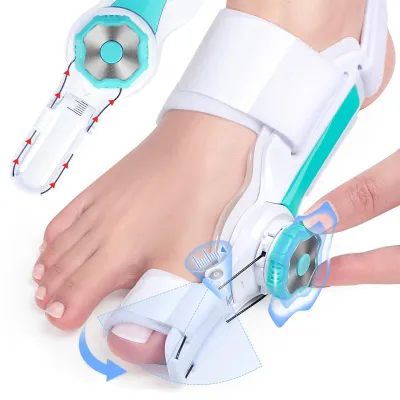
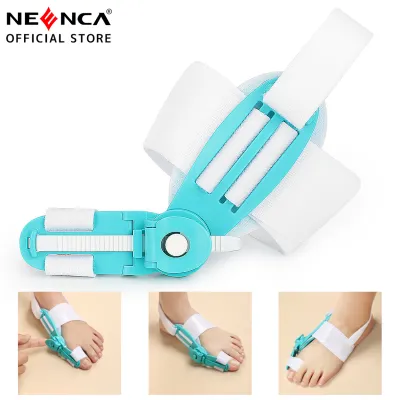
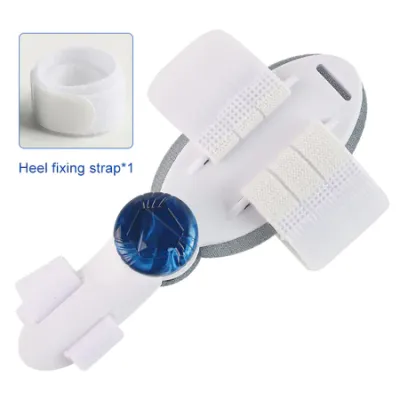
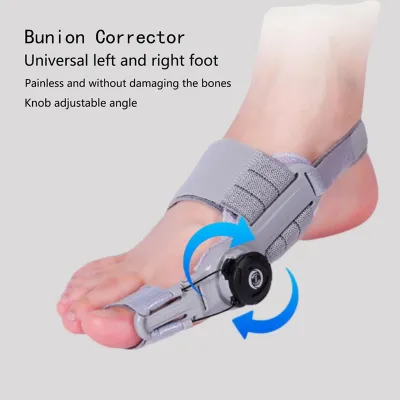
Prices are valid at publication and may change. Please refer to the product page for the latest price.
While over-the-counter aids can provide substantial relief, they are not suitable for every situation. Severe pain, sudden swelling, warmth to the touch, or a severely restricted range of motion are warning signs that require professional medical evaluation. Attempting to self-treat a highly inflamed joint with rigid braces can worsen the condition and delay proper care.
Bunion Splints: Rigid Support for Rest and Alignment
Bunion splints are designed to provide maximum structural support by holding the big toe in a straighter position. They typically feature a rigid plastic or metal splint aligned along the inner side of the foot, secured by adjustable hook-and-loop straps. This design exerts a continuous, gentle outward pull on the big toe, counteracting the inward drift that characterizes a bunion. Because of their rigid construction and bulk, splints are strictly intended for static use, such as during sleep or periods of extended rest.

When selecting a splint, fit and adjustability are critical factors. Look for models with highly adjustable straps that allow you to gradually increase the tension over time. Starting with too much tension can strain the joint and cause significant pain, defeating the purpose of the support. Due to their size, these devices are entirely incompatible with standard closed-toe shoes, meaning they cannot be worn during daily errands or workouts.
Using a rigid splint requires careful adherence to safety guidelines. Always check the manufacturer’s instructions for the recommended maximum wear duration, especially when starting out. Wearing a rigid brace for too long without a break can lead to joint stiffness, muscle weakness, and skin irritation. If you experience throbbing pain or numbness while wearing a splint, loosen the straps immediately or remove the device entirely.
Toe Spacers: Daytime Alignment and Toe Separation
Toe spacers offer a flexible, active solution for daytime alignment and toe separation. Typically made of medical-grade silicone or gel, these small inserts fit directly between the big toe and the second toe. By physically keeping the toes apart, spacers prevent overlapping, reduce bone-on-bone friction, and help align the joint during daily movement. They are highly resilient and conform easily to the shape of your toes, providing a comfortable barrier during active hours.
The effectiveness of toe spacers is heavily dependent on your footwear. Because the spacer adds width to the forefoot, it must be worn with shoes that feature a wide, anatomically shaped toe box. Wearing spacers inside narrow, pointed, or tight shoes will compress the foot further, increasing lateral pressure on the bunion and worsening your pain. Before using spacers, verify that your shoes have enough wiggle room for your toes to spread naturally.
Maintaining proper hygiene is essential when using silicone or gel spacers. The material can trap sweat, dirt, and bacteria against the skin, increasing the risk of fungal infections or skin breakdown. Wash your spacers daily with mild soap and warm water, and allow them to air dry completely before wearing them again. Regularly inspect the material for signs of tearing, stretching, or degradation, and replace them as soon as they lose their structural integrity.
Bunion Pads: Surface Cushioning and Friction Protection
Bunion pads are designed solely for surface protection and pressure relief, offering no structural alignment benefits. They serve as a protective shield between the prominent bunion bump and the stiff material of your shoe. By absorbing the friction and shear forces generated during walking, pads help prevent the formation of painful blisters, calluses, and corns. They are an excellent option for individuals whose primary source of discomfort is external rubbing rather than internal joint pain.
These protective barriers generally come in two styles: adhesive pads and sleeve-style pads. Adhesive pads stick directly to the skin over the bunion and are highly low-profile, making them easy to wear with a variety of shoes. However, the adhesive can cause irritation on sensitive skin, especially during removal. Sleeve-style pads feature a soft fabric sleeve that slides over the forefoot, holding a gel pad in place over the bump. Sleeves are reusable and easy to reposition, though they add slightly more bulk inside the shoe.
Regardless of the style you choose, checking your shoe fit is paramount. Adding a pad—even a thin one—into a shoe that is already tight will increase the overall pressure on your foot. This extra pressure can restrict circulation and actually intensify the pain you are trying to relieve. Always ensure your footwear has sufficient volume to accommodate both your foot and the pad comfortably.
Choosing the Right Bunion Fix for Your Lifestyle
Selecting the right bunion support requires matching the product’s features to your daily routine and specific symptoms. A rigid splint is ideal if you suffer from nighttime joint aching and want to maintain alignment while resting. If you are active during the day and wear shoes with a wide toe box, toe spacers provide the necessary separation to prevent overlapping. For those who experience localized friction and skin irritation from standard footwear, a bunion pad offers the best targeted protection.
To help you compare your options, refer to the following summary of primary functions, ideal usage times, and shoe compatibility:
| Product Type | Primary Function | Ideal Time of Use | Shoe Compatibility |
|---|---|---|---|
| Bunion Splint | Rigid alignment and joint positioning | Nighttime or rest | Incompatible with standard shoes |
| Toe Spacer | Active toe separation and alignment | Daytime movement | Requires wide toe box shoes |
| Bunion Pad | Friction protection and cushioning | Daytime or active wear | Fits most shoes with adequate volume |
Many individuals find that a combination of products provides the most comprehensive relief. For example, you might wear toe spacers during your daytime walks and transition to a rigid splint while sleeping. However, you should only combine these methods if the specific manufacturer guidelines permit it. Giving your feet periods of rest without any external devices is also important to maintain natural muscle strength and joint mobility.
Safety Boundaries and When to Seek Professional Care
While over-the-counter bunion supports are generally safe, they must be used with caution. Pay close attention to how your feet respond to these devices. Warning signs such as numbness, tingling, cold toes, skin discoloration, blisters, or worsening joint pain indicate that the device is ill-fitting or being worn incorrectly. If you experience any of these symptoms, stop using the product immediately and allow your foot to recover.
It is crucial to understand that these temporary supports cannot cure a bunion. A bunion is a structural bone deformity that can only be permanently corrected through surgical intervention. Over-the-counter products are designed to manage symptoms and improve daily comfort, not to reverse the underlying anatomy.
If your symptoms escalate, fail to improve after several weeks of consistent use, or if you have pre-existing conditions like diabetes or poor circulation, seek professional care. A podiatrist or qualified doctor can provide a comprehensive evaluation, recommend custom orthotics, or discuss long-term treatment options tailored to your specific foot structure.
Frequently Asked Questions (FAQ)
Can a bunion splint or spacer permanently fix the bone deformity?
No, over-the-counter bunion splints and toe spacers cannot permanently fix or reverse the underlying bone deformity. These products are designed to manage symptoms, improve alignment during wear, and reduce daily discomfort. Because a bunion is a structural misalignment of the metatarsal bone, only surgical intervention can physically realign the bone structure. Using these aids can help prevent the condition from worsening by reducing joint stress, but they will not cure the deformity.
Is it safe to wear toe spacers while running or playing sports?
Before wearing toe spacers during high-impact or dynamic sports, you must check the manufacturer’s instructions and consult a healthcare professional. Dynamic movements like running alter your foot mechanics and how your body absorbs impact. Introducing a spacer during these activities can shift joint stress to other parts of your foot or leg, potentially increasing the risk of injury. If cleared for use, ensure your athletic shoes have an exceptionally wide toe box to accommodate the spacer without compressing your foot.
Community discussion
Share your experience or ask a question. Comments are reviewed before publication.