
Selecting the right table tennis racket is a critical step in developing your playing style, mastering stroke mechanics, and enjoying the sport. Among the global brands in table tennis, Butterfly is highly regarded for its engineering, wood selection, and advanced rubber technology. However, because the brand offers equipment ranging from basic recreational paddles to highly specialized professional setups, finding the right butterfly bat requires a clear understanding of your current playing ability and long-term development goals.
Your equipment should act as an extension of your hand, offering the right balance of speed, spin, and control. Choosing a model that is too fast for your current skill level can stunt your technical growth, while a model that lacks speed can limit your offensive potential. By matching your equipment to your physical capabilities and technical proficiency, you ensure a smoother learning curve and better performance on the table.
Understanding Butterfly Bat Categories: Pre-assembled vs. Custom
Before exploring specific models, you must understand the fundamental division in the Butterfly product line: pre-assembled (often called premade) rackets versus custom-assembled setups. This distinction determines not only the price point but also the performance characteristics, customization options, and maintenance requirements of your equipment.
Products mentioned in this guide
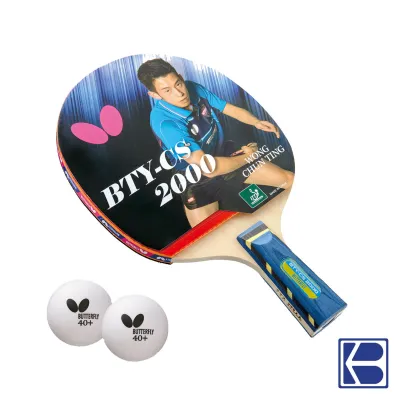
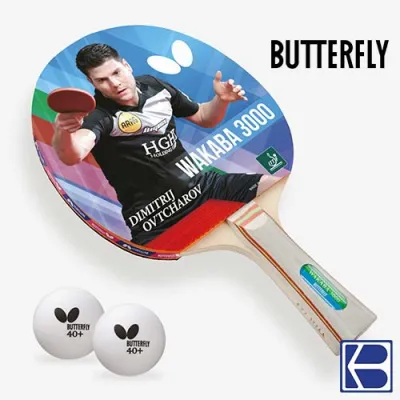
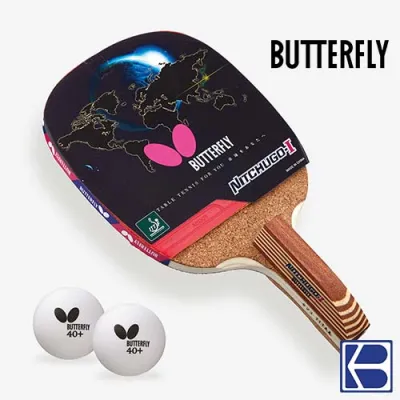
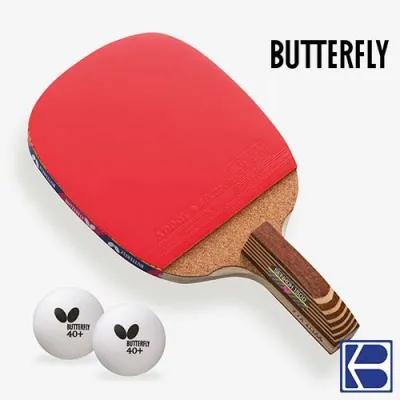
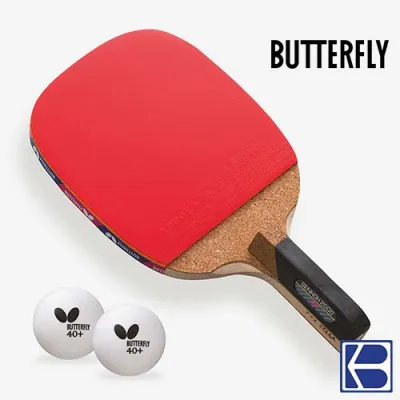
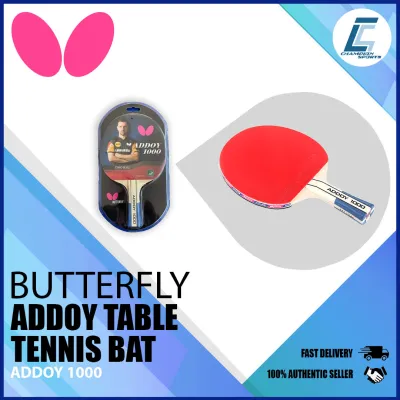
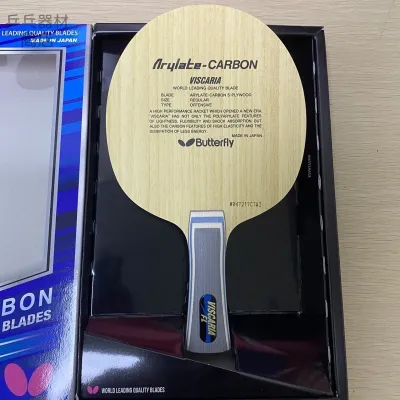
![[Butterfly] Table Tennis Racket Free Chack II 20ml Butterfly Brand (SG Distributor)](https://img.lazcdn.com/g/p/6c996f6aea2668c7e2a030b9e4f8d5b5.png_400x400q80.png_.webp)
Prices are valid at publication and may change. Please refer to the product page for the latest price.
Pre-assembled bats are put together at the factory. The wood blade and rubber sheets are permanently bonded using industrial adhesive, meaning the rubbers cannot be easily removed or replaced when they wear out. These rackets are designed for convenience, immediate play, and cost-effectiveness. They feature fixed specifications tailored to general playing styles, making them an excellent starting point for casual players and those just beginning to learn the basic strokes.
Custom bats, on the other hand, require you to select the blade (the wooden or composite core) and the rubbers (the sponge and top sheet) separately. These components are assembled using specialized water-based table tennis glue, allowing you to peel off and replace the rubbers when they degrade or when your playing style evolves. Custom setups offer precise tuning, enabling you to pair a specific wood feel with rubbers that match your exact spin and speed preferences. While custom equipment requires a higher financial investment, it is the standard for competitive and progressing players.
Your current skill level and commitment to training will dictate which category is appropriate. Beginners generally benefit from the predictable, controlled performance of pre-assembled bats. As your stroke mechanics become more consistent and you begin to develop a distinct style—such as close-to-the-table attacking or mid-distance looping—transitioning to a custom setup becomes necessary to continue your progression.
Choosing a Butterfly Bat for Beginners
For players who are new to table tennis or are transitioning from backyard play to structured training, control and feedback are far more important than raw speed. When learning the foundational strokes, such as the forehand drive and backhand push, you need a racket that is highly forgiving and offers a large “sweet spot”—the area of the blade face that produces a consistent bounce.

Prioritizing Control and Dwell Time
High-speed rackets are detrimental to beginners because they reduce “dwell time,” which is the brief fraction of a second that the ball remains in contact with the rubber during a stroke. A short dwell time means the ball bounces off the racket too quickly, making it difficult to feel the ball and adjust your paddle angle. To develop correct stroke mechanics, you need a slower, highly controllable racket that allows you to feel the ball sink into the rubber and sponge, providing immediate sensory feedback to your hand.
Key Specifications for Beginners
When evaluating beginner-level equipment, look for the following specifications:
- Blade Composition: All-wood construction (typically 5 plies of wood) is highly recommended. Wood absorbs excess energy, dampens vibrations naturally, and provides the clear feedback necessary for developing muscle memory.
- Rubber Type: Softer, thinner rubbers (with a sponge thickness of 1.5mm to 1.8mm) are ideal. Softer sponges absorb incoming speed and spin, making it easier to return the ball safely over the net, while thinner sponges prioritize control over speed.
Recommended Butterfly Beginner Series
If you are searching for a pre-assembled butterfly bat, look for entry-level series designed specifically for control. The Butterfly Addoy series is a common starting point for recreational play, offering maximum control and a highly forgiving response. For those beginning structured coaching, the entry-level Timo Boll pre-assembled lines (such as the Timo Boll 1000 or 1500) provide a slightly grippier rubber surface that allows you to start experimenting with basic spin generation. Always verify the exact specifications and current model availability with your retailer at the point of purchase, as factory configurations can vary.
Choosing a Butterfly Bat for Intermediate Players
Intermediate players are those who have mastered basic stroke mechanics, can sustain a moderate rally, and are actively trying to generate spin and power. At this stage, your equipment needs to transition from purely defensive and control-oriented to a setup that actively supports offensive play, such as looping and driving, without sacrificing the control needed for blocking and short-table play.
Transitioning to Speed and Spin
As your opponents begin to hit with more speed and varied spin, a basic beginner racket will start to feel limiting. You will find yourself working harder to generate depth on your shots, and the lack of grip on beginner rubbers will make it difficult to counter incoming spin. The intermediate stage is about finding a balance: you need enough speed to finish points, but enough control to keep the ball on the table during high-tempo rallies.
Key Specifications for Intermediate Players
Intermediate players should look for equipment that introduces mild performance enhancements:
- Blade Composition: You can continue using a high-quality 5-ply all-wood blade, or transition to a blade with thin composite layers (such as soft carbon or glass fiber). These composite materials stiffen the blade slightly, expanding the sweet spot and providing a flatter, faster trajectory on active strokes.
- Rubber Type: Transition to mildly tensioned rubbers with medium sponge hardness and a thickness of 1.9mm to 2.1mm. Butterfly’s High Tension technology, found in rubbers like Rozena, built-in speed glue effect without making the racket uncontrollable. These rubbers offer a grippy top sheet that allows you to execute consistent topspin loops.
Intermediate Equipment Options
For a pre-assembled option, mid-tier models like the Timo Boll Spirit pre-assembled bat or the Butterfly Timo Boll Gold provide a noticeable step up in speed and spin potential. However, many intermediate players choose to step into the custom world by pairing a versatile all-wood blade (such as the Butterfly Primorac or Petr Korbel) with Rozena rubbers on both sides. This custom combination offers a professional feel and excellent spin generation while remaining highly forgiving.
Equipment Limitations at the Intermediate Stage
It is important to recognize that even high-quality pre-assembled intermediate bats have performance ceilings. The factory-applied rubbers will eventually lose their grip, and because they cannot be easily replaced, the entire bat must be retired once the rubbers degrade. If you find that your loops are slipping off the racket or you cannot generate enough spin to keep fast balls on the table, it is a clear signal that you have outgrown pre-assembled equipment and should transition to a fully custom setup.
Choosing a Butterfly Bat for Advanced and Professional Players
Advanced and professional players possess highly refined stroke mechanics, exceptional physical conditioning, and a deep understanding of their personal playing style. At this level, pre-assembled rackets are no longer viable. Advanced players require a custom-assembled butterfly bat tailored to their specific tactical needs, whether they are close-to-the-table counter-attackers, mid-distance loopers, or defensive choppers.
The Custom Setup Approach
Building a custom racket allows you to select a blade that matches your preferred speed and vibration feedback, and then pair it with rubbers that complement your forehand and backhand strengths. For example, an advanced player might choose a harder, faster rubber for their dominant forehand loop and a softer, high-control rubber for their backhand block and active drive.
Key Decision Dimensions for Custom Setups
When designing an advanced custom setup, you must evaluate three primary dimensions:
- Blade Composition and Technology: Butterfly is famous for its proprietary composite materials. Arylate-Carbon (ALC) blades, such as the classic Timo Boll ALC or Viscaria, combine carbon for speed with Arylate fibers to dampen vibrations, offering a soft feel and excellent dwell time for looping. Zylon-Carbon (ZLC) blades offer higher bounce and speed, suited for players who dominate with direct, powerful counter-loops. Pure wood blades (like 7-ply configurations) remain popular among players who prioritize maximum tactile feel and precise ball placement.
- Handle Shape: The choice between Flared (FL) and Straight (ST) handles is highly personal. Flared handles are wider at the base, preventing the racket from slipping and promoting a secure grip, which is highly favored by forehand-dominant attackers. Straight handles allow for slight grip adjustments during a point, making them popular among players who frequently transition between forehand and backhand grips or defensive choppers who twiddle the racket.
- Rubber Sponge Thickness and Hardness: Advanced players typically use rubbers with a sponge thickness of 2.1mm or "Max" to maximize speed and spin potential. Sponge hardness is another crucial factor; harder sponges (like those found in the Dignics series) require high swing speeds to compress the sponge and activate its full energy, but they offer unmatched power and precision. Softer sponges (like many variants in the Tenergy series) are more forgiving and offer a higher throw angle, making them easier to play from mid-distance.
Limitations and Trade-offs of Advanced Gear
While advanced equipment offers extreme performance, it comes with significant trade-offs. High-performance custom setups are expensive, often costing between S$300 and S$600+ for a complete blade and rubber combination. Furthermore, these rackets have a very low tolerance for error. If your footwork is slow or your stroke angle is slightly off, the high speed of the blade and the extreme sensitivity of the rubber to incoming spin will cause the ball to fly off the table. Advanced gear demands consistent, active physical engagement and cannot compensate for poor technique.
Quick Comparison: Matching Bat Specs to Playing Styles
To help you align your personal playing style with the correct equipment characteristics, the following table maps primary tactical styles against blade composition, rubber specifications, and Butterfly’s primary technology lines.
| Playstyle | Blade Stiffness & Composition | Rubber Hardness & Sponge Thickness | Recommended Butterfly Tech Focus |
|---|---|---|---|
| Offensive (Looping / Attacking) | Medium to Stiff (Arylate-Carbon / ALC or Zylon-Carbon / ZLC) | Medium to Hard sponge; 2.1mm to Max thickness | Tenergy (Spring Sponge) or Dignics series for maximum spin and speed |
| Defensive (Chopping / Control) | Flexible (All-wood, typically 5-ply with defensive head shapes) | Soft sponge; 1.1mm to 1.7mm thickness (or long pimpled rubbers) | Feint Long series (pimples-out) or Tackiness Chop series for high control |
| All-Round (Balanced / Varied) | Medium flexibility (5-ply all-wood or soft composite) | Medium-soft sponge; 1.7mm to 1.9mm thickness | Rozena or Tenergy 05 FX for balanced speed, spin, and high forgiveness |
Where to Buy and How to Maintain Your Butterfly Bat in Singapore
Investing in a quality table tennis bat requires careful sourcing and diligent maintenance, especially when navigating the specific environmental challenges of Singapore.
Purchasing Authentic Gear
Because Butterfly is one of the most popular brands globally, counterfeit products are common, particularly on unverified online marketplaces and peer-to-peer selling platforms. To ensure you are buying authentic gear, always purchase from authorized sports retailers, official brand stores, or specialized table tennis pro shops. Physical pro shops in Singapore—often located near major sports hubs or specialized table tennis centers—allow you to hold different blades, feel the handle shapes, and consult with experienced staff who can assemble your custom rubbers professionally using legal, water-based glues.
Essential Maintenance Routines
To preserve the spin and speed characteristics of your rubbers, implement a consistent care routine after every playing session:
- Cleaning: Sweat, dust, and ball residue collect on the rubber surface, quickly reducing its grip. Clean the rubbers using a specialized, VOC-free foam or liquid rubber cleaner and a soft cleaning sponge. Avoid using tap water regularly, as the mineral content can degrade the rubber surface over time.
- Protection: Once the rubber is completely dry, apply a protective film (non-adhesive sheets for sticky rubbers, or adhesive sheets for tensioned rubbers like Tenergy) to shield the surface from oxygen and dust.
- Storage: Always store your racket in a padded, dedicated carrying case. This protects the wooden edges of the blade from chipping and prevents external objects from scratching the delicate rubber surface.
Tropical Climate Considerations
Singapore’s tropical climate, characterized by high relative humidity and warm temperatures, presents unique challenges for table tennis equipment. High humidity causes moisture to condense on the rubber surface during play, making it temporarily slippery and causing the ball to slip off the paddle during spin-heavy strokes. Over the long term, persistent humidity can degrade the sponge’s elasticity and weaken the water-based glue bond between the rubber and the blade, leading to bubbling.
To combat these climate effects, store your racket case in a cool, dry room rather than a humid storeroom or balcony. Placing a small, rechargeable silica gel desiccant pack inside your racket case can help absorb excess moisture and maintain a stable environment. Never leave your racket in a hot car trunk, as extreme heat can dry out the wood, warp the blade, and permanently damage the synthetic polymers in high-tension rubbers.
Frequently Asked Questions (FAQ)
How often should I replace the rubbers on my Butterfly bat?
For custom setups, rubbers degrade over time due to friction, physical impact, and environmental exposure. You will know it is time for a replacement when you observe visual wear, such as a faded color in the sweet spot, chipping edges, or smooth patches that have lost their grip. Tactilely, the rubber will feel less elastic, and the ball will begin to slip off the racket during loops. As a general guideline, casual recreational players who play once a week may only need to replace their rubbers every 9 to 12 months. Active club players training 2 to 3 times a week should expect to replace their rubbers every 3 to 6 months, while competitive players may replace them even more frequently to maintain peak spin performance.
Does a heavier Butterfly blade generate more power?
In terms of pure physics, a heavier blade transfers more kinetic energy to the ball, resulting in faster shots, provided your swing speed remains constant. However, choosing a blade that is too heavy for your physical strength can be counterproductive. A heavy racket slows down your swing speed, reduces your reaction time during fast rallies, and makes quick grip transitions difficult. Furthermore, playing with an excessively heavy bat puts additional strain on your wrist, forearm, and elbow, increasing the risk of repetitive strain injuries like tennis elbow. You should prioritize a blade weight that you can swing comfortably and quickly throughout a long multi-game match, allowing your natural technique to generate power rather than relying solely on the mass of the equipment.
Community discussion
Share your experience or ask a question. Comments are reviewed before publication.