
Quick Answer: Which Brand Fits Your Table Tennis Style?
Selecting between Butterfly and Stiga table tennis paddles is a decision that directly impacts your tactical execution, stroke development, and overall enjoyment of the game. Butterfly is the dominant force in high-speed, spin-oriented offensive play, utilizing advanced carbon-composite blades and high-tension rubbers favored by professional attackers. Stiga, by contrast, is deeply rooted in traditional Swedish wood craftsmanship, offering exceptional tactile feedback, control, and a natural feel that benefits all-round, defensive, and developing players.
There is no single “better” brand; the correct choice depends entirely on your current skill level, physical mechanics, swing speed, and strategic preferences. While advanced loopers often thrive with Butterfly’s explosive speed, those focusing on stroke consistency, placement, and ball feeling will find Stiga’s wood-centric setups far more forgiving and educational.
Design Philosophies: Innovation vs. Traditional Feel
Butterfly, a Japanese brand established by Tamasu Co., Ltd., has built its global reputation on technological precision and relentless material innovation. Since its inception, the brand has pushed the boundaries of synthetic materials, pioneering the integration of carbon fibers, Arylate, and Zylon into blade construction. This engineering-first approach aims to maximize speed, expand the sweet spot, and provide explosive energy transfer. Their design philosophy assumes the player already possesses refined stroke mechanics and seeks equipment that can amplify power and spin to the absolute limit. Every product in their lineup, from mid-range pre-assembled paddles to elite custom blades, reflects this commitment to high-performance mechanics and synthetic enhancement.
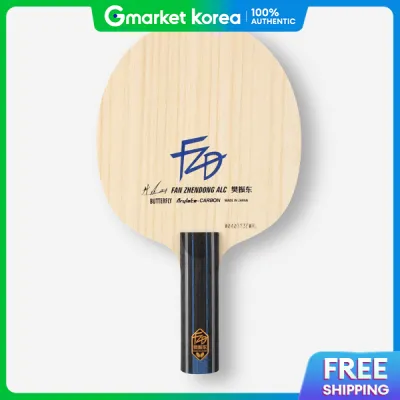
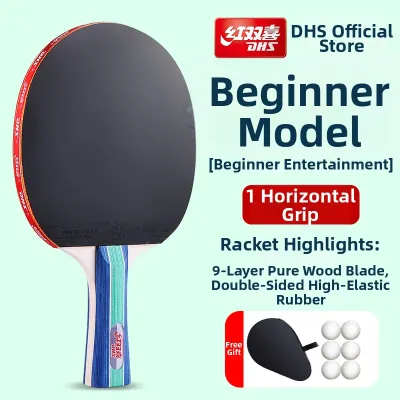
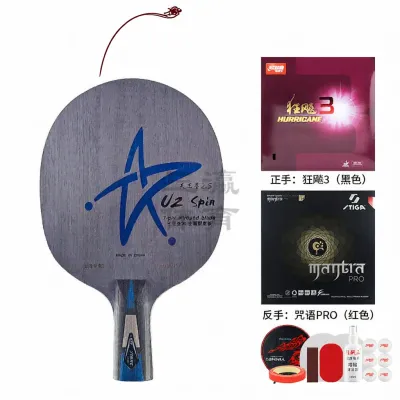
Products mentioned in this guide
Prices are valid at publication and may change. Please refer to the product page for the latest price.

Stiga, hailing from Sweden, represents a heritage deeply rooted in natural wood craftsmanship and classic table tennis culture. For decades, Stiga has focused on the organic relationship between the player’s hand and the ball, treating the blade as an extension of the body rather than a mechanical tool. Their philosophy centers on the belief that natural wood offers unmatched tactile feedback, allowing players to “feel” the ball’s impact and adjust their strokes dynamically. While Stiga has introduced carbon-composite models to cater to modern high-speed play, their core identity remains tied to multi-ply wood blades that flex and absorb energy, providing a highly organic and forgiving playing experience.
These contrasting ideologies shape the entire product range of both brands, influencing how players interact with the ball. A pre-assembled Butterfly paddle often feels stiffer and faster out of the box, demanding active stroke execution and precise angles. A pre-assembled Stiga paddle typically feels softer and more compliant, emphasizing safety, control, and placement. For custom setups, this division becomes even more pronounced: Butterfly offers high-tech, rigid weapons for aggressive loopers, while Stiga provides highly expressive, resonant wood blades for tacticians who construct points through variation, spin manipulation, and control.
Core Technology: Blades and Rubbers Compared
Blade Construction and Material Feel
Butterfly’s blade development is characterized by the strategic deployment of synthetic composite layers. Materials like Arylate Carbon (ALC) combine the speed of carbon with the vibration-dampening properties of Arylate, resulting in a crisp contact feel and a highly uniform sweet spot. For players seeking maximum speed, Zylon Carbon (ZLC) offers even greater stiffness and elasticity. These synthetic layers reduce the natural flex of the blade, ensuring that energy from the incoming ball is reflected back with minimal loss. This construction is highly effective for close-to-the-table counter-hitting and aggressive mid-distance looping, but it requires a high level of physical control to manage the ball’s trajectory.
Stiga approaches blade construction with an emphasis on wood modification and structural geometry. Technologies like the Veneer Precision System (VPS) treat the wood plies with exact temperature cycles to increase stability and reduce weight without sacrificing the natural elasticity of the fibers. Another signature design is the WRB system, which hollows out the handle to shift the blade’s balance point forward, accelerating the head speed during swings. Because these blades rely primarily on specialized wood plies, they exhibit a higher degree of flex, which translates to a longer dwell time—the split second the ball remains in contact with the paddle. This flex allows players to generate heavy spin through mechanical brush contact rather than relying on synthetic speed.
When selecting a blade, you should carefully examine the manufacturer’s specification label. Look for the exact ply composition, noting the number of wood layers versus synthetic layers (such as 5-ply wood or 5+2 carbon). Be aware that high humidity, typical of Singapore’s climate, can cause natural wood to absorb moisture, slightly softening the feel and slowing down the response. Checking whether a blade has a factory-sealed surface or applying a light blade sealant can help maintain consistent playing characteristics and protect the wood from splintering during rubber replacement.
Rubber Formulations and Sponge Tech
Butterfly revolutionized table tennis rubber technology with its High Tension and Spring Sponge systems. The Spring Sponge formulation features a unique pore structure that behaves like a microscopic spring, absorbing the ball’s energy and releasing it with immense catapult force. Combined with a highly tensioned top sheet, rubbers like the Tenergy and Dignics series produce exceptionally high throw angles and intense topspin. These rubbers require a fast, confident swing to fully compress the sponge and unlock their performance potential, making them highly effective but unforgiving of passive or tentative strokes.
Stiga’s rubber development, exemplified by their DNA and Genesis series, focuses on balanced grip, predictability, and control. Many Stiga rubbers utilize synthetic-natural rubber blends designed to provide consistent friction even when playing in humid conditions. The sponge formulations are engineered to offer a linear power delivery, meaning the speed of the ball is directly proportional to the force of your stroke, without unexpected catapult effects. This predictability is highly advantageous for precise short-game pushes, blocks, and controlled loops, allowing players to build confidence in their placement.
To find the correct match for your play style, compare the sponge hardness ratings, which are typically measured in degrees on the product packaging. Softer sponges (around 32 to 40 degrees) offer more control, a higher sound, and a more forgiving feel, making them suitable for controlled looping and blocking. Harder sponges (42 to 50 degrees or more) require faster swing speeds and precise contact to generate spin, but they offer greater top-end speed for advanced attackers. Additionally, examine the internal pimple geometry; wider, shorter pimples under the top sheet generally provide a stiffer feel and more speed, while longer, thinner pimples increase dwell time and spin variation.
Player Profiles: Match the Brand to Your Tactics
Aggressive Loopers and Advanced Players (Butterfly)
Butterfly’s equipment ecosystem is highly optimized for players who dominate rallies through proactive, aggressive topspin attacks. If your tactical system relies on heavy third-ball attacks, high-speed counter-looping from mid-distance, and driving the ball with maximum rotation, Butterfly’s carbon-composite blades and high-tension rubbers provide the necessary performance ceiling. The stiff nature of carbon blades ensures that your power is directly translated into ball speed, allowing you to pierce your opponent’s defense. This setup is particularly effective for players who train regularly and have the physical conditioning to maintain quick, explosive movements throughout a match.
However, this high performance comes with a significant demand on your physical mechanics. Butterfly’s top-tier setups are highly sensitive to incoming spin and angle adjustments. If your footwork is slightly off or your stroke timing is late, the springy nature of the rubber and the stiffness of the blade can cause the ball to fly long or wide. These setups are best suited for competitive players, advanced club members, and those undergoing structured training who can consistently execute clean, full-body strokes and manage high-tempo rallies.
All-Round Control and Developing Players (Stiga)
Stiga’s product lineup excels in providing the control and feedback necessary to build, refine, and maintain a highly consistent game. If your tactics focus on variation, precise ball placement, steady blocking, and capitalizing on opponent errors, Stiga’s wood-centric setups offer the ideal platform. The natural flex of a wood blade absorbs excess speed from incoming shots, making it easier to execute delicate short-game returns, drop shots, and precise pushes. This control is essential for players who prefer to construct points strategically rather than relying on raw power.
For beginners and intermediate players, Stiga is highly effective because it acts as an educational tool. The pronounced vibration feedback of a pure wood blade tells your hand exactly where on the racket face you made contact with the ball. This sensory feedback is crucial for developing muscle memory and correcting stroke angles. Advanced defensive players, modern defenders, and close-to-table block-and-counter specialists also benefit from Stiga’s predictable trajectories and high safety margins, which allow them to absorb heavy attacks with confidence.
A Note on Skill Progression
Your equipment should grow alongside your physical strength and tactical maturity. It is a common mistake to upgrade to an advanced carbon blade and hard, high-tension rubbers too early in your development. Doing so can stunt your stroke growth, as you may find yourself shortening your swing or playing passively out of fear of the ball flying off the table. When transitioning between brands or moving up a brand’s lineup, do so incrementally. For instance, moving from a 5-ply all-wood Stiga blade to a slightly faster 7-ply wood blade, or an inner-layer carbon blade, allows you to adapt your timing and control without losing your foundational touch.
Pricing Tiers and Buying Authentic Gear in Singapore
When evaluating the financial commitment, both brands offer clear distinctions in value and positioning. Butterfly generally commands a premium price point, particularly for its professional-grade custom blades and high-tension rubbers. A single high-end Butterfly carbon blade can easily exceed S$250, and outfitting it with premium rubbers can push the total cost of a custom racket past S$400. While this represents a significant investment, the durability of their premium materials and the consistency of their manufacturing quality are highly regarded by serious competitive players who require identical performance from replacement equipment.
Stiga offers a highly competitive and accessible pricing structure, especially for players navigating the beginner-to-intermediate stages. Their pre-assembled rackets provide excellent value, often priced well under S$100, making them an affordable entry point for recreational play. In the custom market, Stiga’s classic all-wood blades are highly cost-effective, frequently retailing between S$80 and S$150. This allows developing players to experience the benefits of a custom blade paired with specialized rubbers without a prohibitive financial outlay, making it easier to experiment with different setups as their skills evolve.
In Singapore’s active table tennis community, ensuring you purchase authentic equipment is critical. Due to the popularity of both brands, counterfeit blades and rubbers are common on unauthorized online marketplaces and peer-to-peer selling platforms. Authentic gear should always be sourced from official brand websites or established, authorized local sports retailers. When buying in Singapore, verify that the retailer provides the official manufacturer’s packaging, complete with serial numbers and holographic security labels where applicable. Additionally, purchasing through authorized channels ensures you receive valid local warranties, protecting your investment against manufacturing defects and ensuring you receive genuine advice on product compatibility.
The Final Verdict: How to Choose Your Paddle
To finalize your decision, assess your current playing environment, physical habits, and tactical goals against this structured framework:
- Choose Butterfly if: You are an advanced or highly active club player who relies on explosive speed, plays an aggressive looping or counter-looping game, and possesses the refined footwork and stroke mechanics to control highly sensitive, carbon-reinforced equipment.
- Choose Stiga if: You prioritize tactile feedback and ball feel, play an all-round, defensive, or placement-focused game, or are currently developing your fundamental strokes and require a forgiving, predictable paddle.
- Verify first if: You are assembling a custom setup. Ensure that the combined weight of your chosen blade and rubbers matches your physical strength, and check that the overall speed rating of the racket aligns with your typical playing venue—whether it is a fast, air-conditioned sports hall or a more humid community club environment.
Before committing to a significant financial purchase, try to test different setups. Many players at Singapore’s community clubs (CCs) or private table tennis academies are willing to let you trial a few hits with their rackets. Experiencing the physical difference between a stiff Butterfly carbon blade and a flexible Stiga wood blade firsthand is the most reliable way to ensure your new paddle truly fits your hand and your play style.
Community discussion
Share your experience or ask a question. Comments are reviewed before publication.