
Selecting the right table tennis equipment is a deeply personal decision that directly shapes your development, stroke mechanics, and overall enjoyment of the game. The market is dominated by three legendary brands—Butterfly, Stiga, and Double Happiness (DHS)—each representing a distinct philosophy of design, material selection, and playing style. For enthusiasts who want to ensure no pong session is ruined by mismatched gear, selecting the right brand is a critical first step.
While casual players might view a racket as a simple wooden paddle with rubber padding, competitive players understand that subtle variations in wood ply, carbon composites, and rubber formulation translate directly to performance on the table. Choosing between these brands requires evaluating how their signature technologies align with your physical mechanics, your tactical preferences, and your training frequency.
Quick Answer: Which Brand Should You Choose?
Choosing the ideal brand depends on your current skill level, physical mechanics, and tactical preferences. There is no single universal racket that excels in every setting, meaning the best choice is highly conditional on your personal playing style.
Products mentioned in this guide
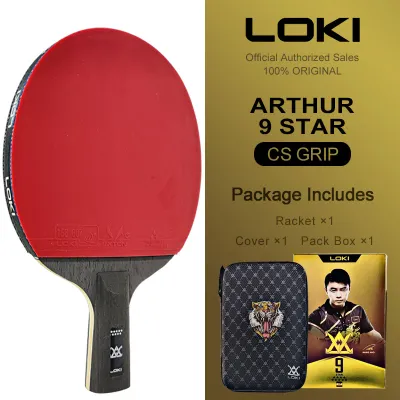
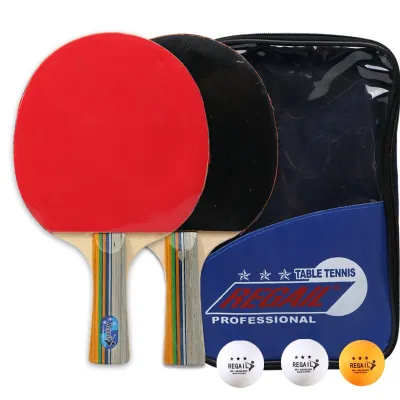
Prices are valid at publication and may change. Please refer to the product page for the latest price.
Butterfly is the premier choice if you prioritize high speed, clinical precision, and an aggressive, close-to-the-table offensive game. This brand is ideal for advanced players who have already developed consistent stroke mechanics and are willing to invest in a premium, high-performance custom setup.
Stiga is highly recommended if you value exceptional touch, vibration feedback, and all-round versatility. Stiga’s emphasis on wood technology makes their blades excellent for developing players who need to feel the ball to build consistent strokes, as well as defensive or all-round players who rely on precise ball placement.
DHS is the go-to brand if your game relies on heavy spin, powerful forehand loops, or if you are looking for highly accessible, cost-effective pre-assembled rackets. DHS equipment is engineered around the traditional Chinese playing style, which utilizes sticky rubbers and hard sponges to generate massive rotation through aggressive brushing motions.
Brand Profiles: Core Characteristics of Butterfly, Stiga, and DHS
Every major table tennis brand has developed a distinct manufacturing philosophy shaped by its regional heritage and the preferences of the professional players who use its gear. Understanding these core profiles helps demystify how each brand approaches blade and rubber construction.

Butterfly: Precision, Speed, and Professional Heritage
Butterfly, a Japanese brand founded in 1950, has established a dominant reputation in professional table tennis circuits. The brand’s philosophy centers on technical innovation, pioneering the use of advanced carbon-composite materials in blades to maximize speed and expand the sweet spot—the area of the blade that yields a uniform bounce.
Butterfly is highly regarded for its high-tension rubbers, which feature a porous, springy sponge designed to catapult the ball with minimal physical effort. These high-performance materials are engineered to support fast-paced, modern offensive play, characterized by quick counter-looping and aggressive blocking. Because these setups offer immense speed and reduced dwell time, they demand precise physical technique and rapid reaction times from the player.
Stiga: Control, Feel, and All-Round Versatility
Stiga, hailing from Sweden, has been a cornerstone of the table tennis world since 1944. While Butterfly is famous for composite innovations, Stiga is globally renowned for its mastery of pure wood blade technology. Stiga’s design philosophy prioritizes natural ball feel, deliberate vibration feedback, and superb control over raw, unassisted speed.
By focusing on specialized wood treatments and classic ply configurations, Stiga creates blades that allow players to feel the exact point of contact on the racket face. This sensory feedback is incredibly valuable for mastering stroke production, adjusting ball height, and executing delicate short-game plays. Stiga remains a favorite among players who prefer to dictate the tempo of the game through placement, variation, and consistent rallies rather than overwhelming power.
DHS: Power, Spin, and Accessible Performance
Double Happiness (DHS) is the undisputed powerhouse of Chinese table tennis, supplying equipment to the Chinese National Team for decades. The DHS philosophy is built around the mechanics of the classic Chinese looping game, which emphasizes generating extreme topspin from the forehand wing using highly physical, full-body strokes.
To support this style, DHS specializes in tacky (sticky) topsheet rubbers paired with hard, dense sponges that require the player to actively compress the sponge to unlock its speed. Additionally, DHS offers a massive range of highly accessible, factory-assembled rackets that provide reliable entry-level performance for recreational players. This makes DHS uniquely versatile, catering simultaneously to elite spin-oriented attackers and budget-conscious beginners.
Key Comparison Dimensions for Your No Pong Setup
To ensure there is no pong match where your equipment holds you back, you must understand the key technical dimensions that differentiate these brands. Comparing blades and rubbers requires looking past marketing terminology and focusing on material specifications.
Blade Composition
When choosing a blade, the primary decision lies between pure wood and carbon-composite construction. Pure wood blades, typically featuring 5-ply or 7-ply configurations, offer superior flexibility, longer dwell time, and clear vibration feedback. These characteristics make wood blades highly forgiving and excellent for learning proper stroke mechanics.
Carbon-composite blades introduce layers of carbon fiber, arylate carbon, or glass fiber alongside the wood plies. These synthetic layers stiffen the blade, reducing flex and dramatically increasing the speed of the ball off the racket. While carbon composites expand the sweet spot and provide uniform performance across the entire blade face, they also reduce ball feel and require a highly developed touch to control, especially during delicate short-game pushes.
Rubber Characteristics
Table tennis rubbers generally fall into two distinct design categories: European/Japanese style and Chinese style. These designs demand completely different stroke mechanics and react uniquely to environmental conditions:
- European/Japanese Rubbers (e.g., Butterfly, Stiga): These rubbers utilize a grippy, non-sticky topsheet paired with a highly porous, springy sponge. They rely on mechanical grip, meaning the ball must sink deep into the sponge to generate spin and speed. This design is highly forgiving, provides a high-arcing trajectory, and performs consistently in various environments.
- Chinese Rubbers (e.g., DHS): These rubbers feature an extremely sticky, adhesive topsheet paired with a dense, hard sponge. Instead of relying on sponge sink-in, they grab the ball instantly on the surface, allowing players to generate massive spin through thin brushing strokes. However, because the sponge is dense, players must use active, powerful physical mechanics to generate speed.
In Singapore’s tropical, high-humidity climate, rubber characteristics can shift during play. High humidity can cause a thin layer of moisture to condense on the surface of tacky Chinese rubbers, temporarily reducing their adhesive grip and causing the ball to slip. Players using tacky rubbers in non-air-conditioned community clubs or outdoor void decks must wipe their rubbers frequently and store them with protective plastic sheets to maintain performance.
Pre-assembled vs. Custom Setups
For players transitioning from recreational play to competitive sport, deciding between a pre-assembled racket and a custom setup is a major milestone:
- Pre-assembled Rackets: These are factory-made bats where the rubbers are permanently glued to the blade. They are highly convenient, cost-effective, and designed for durability. However, the rubbers cannot be easily replaced once they wear out, and the overall performance ceiling is limited.
- Custom Setups: Here, you select the blade and two individual rubber sheets separately, gluing them together yourself or having a specialty shop assemble them. Custom setups allow you to tailor each side of your racket to your specific forehand and backhand needs. Furthermore, when the rubbers wear down, you can replace them without needing to buy a new blade, making it a more sustainable long-term investment.
Matching Brands to Your Playing Style and Skill Level
Matching your equipment to your physical capabilities and tactical approach is essential for athletic progression. Selecting gear that is too fast or demanding can stunt your skill development and lead to inconsistent play.
The Aggressive Attacker
If your game is defined by high-speed drives, quick counter-attacks, close-to-the-table blocks, and flat hits, you require equipment that minimizes reaction time for your opponent. Players with this style benefit from the stiffness and explosive speed of carbon-composite setups.
Butterfly’s carbon blades, paired with their high-tension rubbers, are highly optimized for this aggressive approach. The springy sponge technology provides excellent speed on compact strokes, allowing you to maintain an offensive posture even when caught out of position or forced to block quickly.
The Spin-Oriented Looper
If you prefer to play from mid-distance, generating heavy topspin arcs that dive sharply onto the opponent’s side of the table, your game relies on maximum rotation. This style demands long contact time and excellent surface grip to brush the ball effectively.
DHS’s tacky rubbers, such as the Hurricane series, are specifically engineered to support this heavy-looping style. When paired with a rigid, supportive blade, these sticky rubbers allow you to grip the ball at extreme angles, turning defensive incoming balls into highly pressurized, high-spin counter-loops.
The All-Round or Defensive Player
If your strategy centers on tactical placement, variation of spin, defensive chopping, and absorbing the pace of aggressive attackers, you require maximum control and ball feel. Speed is secondary to placement and consistency.
Stiga’s classic wood blades are highly suited for this style. The natural flex of the wood dampens excessive pace, allowing you to absorb hard shots and return them short over the net. The clear vibration feedback ensures you can feel the ball’s impact, helping you make micro-adjustments to your wrist angle for precise placement.
Beginners and Intermediate Players
For those still mastering fundamental strokes like the drive, push, and basic loop, using advanced carbon blades or highly specialized tacky rubbers can actually hinder progress. Fast setups mask poor technique, encouraging short, tentative strokes to keep the ball on the table.
Developing players should start with forgiving, all-wood setups. A classic 5-ply wood blade from Stiga or a mid-tier pre-assembled racket from DHS provides the necessary control to build muscle memory. Once you can consistently execute full, confident strokes and control the ball’s trajectory, you can safely upgrade to faster composite blades or high-tension rubbers.
Budget and Value Considerations in Singapore
Table tennis equipment spans a wide pricing spectrum. Navigating these tiers requires balancing your commitment level with the actual performance benefits of the gear, while ensuring you purchase from reputable sources.
Entry-Level (Pre-assembled Rackets)
For casual play at community centres, school clubs, or HDB void deck tables, pre-assembled rackets offer excellent value. These ready-made options generally sit in the budget-friendly tier, typically costing under S$50 to S$100.
DHS and Stiga are highly competitive in this segment. DHS offers numbered star-series rackets (such as 4-star, 5-star, and 6-star models) that provide surprisingly good spin and speed for recreational players. Stiga also offers highly durable pre-assembled bats that prioritize control and ease of use for family play.
Mid-Range to Advanced (Custom Setups)
As you transition to custom setups, the cost structure changes because you must purchase the blade and rubbers separately. Custom setups generally range from S$150 to over S$400, depending on the materials chosen:
- Blades: High-quality wood blades typically cost between S$80 and S$150, while advanced carbon-composite blades from Stiga or Butterfly can range from S$150 to over S$300.
- Rubbers: Individual rubber sheets range from S$40 to S$120 each. Since a racket requires two sheets (forehand and backhand), this adds S$80 to S$240 to the total cost.
Butterfly custom gear generally sits at the premium end of this pricing spectrum, representing a significant investment. Stiga and DHS offer broader mid-range options, allowing players to assemble high-performance custom rackets at a more accessible price point.
Purchasing Safely in Singapore
Due to the popularity of these brands, counterfeit table tennis blades and rubbers are common on generic online marketplaces and unverified ecommerce platforms. To protect your investment, always purchase from authorized table tennis specialty stores in Singapore or official brand distributors.
When buying premium gear, verify authenticity by checking for official holographic stickers, unique serial numbers engraved on the blade handle, and sealed packaging on rubber sheets. Reputable physical shops, such as those located in Bras Basah Complex or dedicated sports hubs, can also professionalize your purchase by precisely cutting and gluing your selected rubbers to your new blade.
How to Verify and Finalize Your Racket Choice
Before committing to a specific blade and rubber combination, take active steps to verify that the equipment feels comfortable in your hand and complements your physical movements.
Try Before You Buy
Equipment specifications on paper cannot replicate the physical sensation of holding and swinging a racket. Visit local table tennis clubs, community centers, or active coaching academies in Singapore to observe what setups other players use.
Most passionate players are happy to let you execute a few warm-up rallies with their rackets. Pay close attention to the overall weight of the setup, how the handle shape (flared vs. straight) fits your grip, and the feedback you feel in your hand when striking the ball.
Check Manufacturer Specifications
When researching blades and rubbers, consult the manufacturer specification charts printed on the packaging or listed on official websites. These charts grade equipment on relative scales for speed, spin, and control.
Remember that these metrics are relative within each specific brand’s catalog and are not standardized across the industry. A “speed 9” rating from Stiga does not automatically equal a “speed 9” rating from Butterfly, so use these numbers as internal guides rather than absolute comparative values.
Consult Coaches or Advanced Players
If you receive coaching or play regularly with advanced club members, ask them for an objective assessment of your stroke mechanics. A coach can provide invaluable guidance on whether your physical swing speed and ball contact are ready for a fast carbon composite, or if your development would benefit more from a high-control wood blade.
Frequently Asked Questions (FAQ)
Can I mix a Butterfly blade with DHS or Stiga rubbers?
Yes, table tennis blades and rubbers are completely cross-compatible across all manufacturers. You can freely pair a Butterfly blade with DHS rubbers, or a Stiga blade with Butterfly rubbers, to create a customized setup that fits your exact playing style.
When assembling a mixed setup, ensure the rubber sheets are cut precisely to match the specific head shape of your blade. Keep in mind that pairing an extremely fast carbon blade with a highly tacky, hard-sponge Chinese rubber requires advanced physical technique, as the low dwell time of the blade can make it difficult to compress the hard sponge effectively.
How often should I replace my table tennis rubbers?
Rubber lifespan depends on your play frequency, storage conditions, and playing style rather than a strict calendar timeframe. As a general rule, competitive players who train two to three times a week should replace their rubbers every four to six months, while casual players may only need to replace them once a year.
To monitor wear, look for visible signs of degradation such as a faded, smooth circle in the center of the rubber where most contact occurs, crumbling edges, or a noticeable loss of tackiness and grip. You should replace your rubbers when you observe that your ball is slipping off the racket face or when you have to swing significantly harder to generate your usual level of spin.
Community discussion
Share your experience or ask a question. Comments are reviewed before publication.