
Finding the right knee guard support involves matching technical specifications to your specific activity level, joint condition, and leg anatomy. Rather than relying on generic sizing or marketing claims, understanding the functional differences in hinge mechanisms, patellar designs, and material properties ensures you choose a brace that provides effective stabilization without compromising comfort or circulation. For women, whose hip-to-knee angle (Q-angle) and muscle distribution often differ from men’s, selecting a support that accommodates these anatomical nuances is essential for preventing slippage and ensuring targeted compression.
Understanding Knee Support Types and Hinge Mechanisms
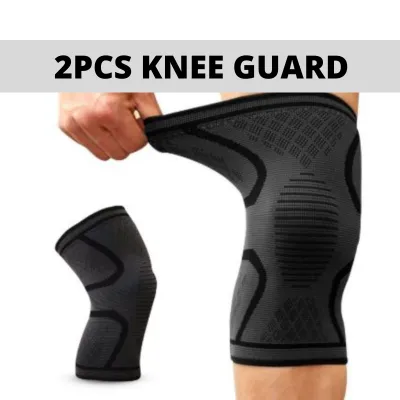
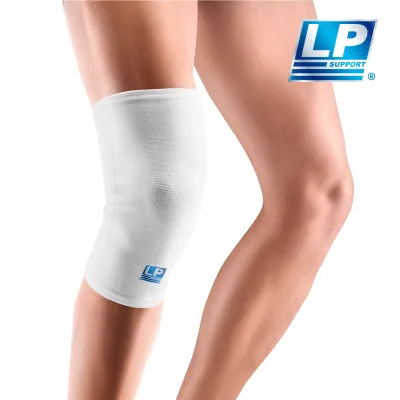
Knee supports generally fall into two main categories: sleeve-style and wrap-around designs. Sleeve-style supports slide up over the foot and calf, offering seamless, uniform compression that works well for mild joint soreness or general stability during workouts. Wrap-around designs, which secure with adjustable straps, are easier to put on without removing footwear and allow you to customize the tightness across different parts of the joint.
The internal structure of the support determines how much movement it permits. Flexible side stays, often made of coiled metal springs, offer moderate lateral support while allowing the knee to bend naturally during running or cycling. Rigid hinged mechanisms, on the other hand, restrict lateral movement entirely to protect recovering ligaments, making them suitable for post-injury rehabilitation or high-impact sports.
Products mentioned in this guide
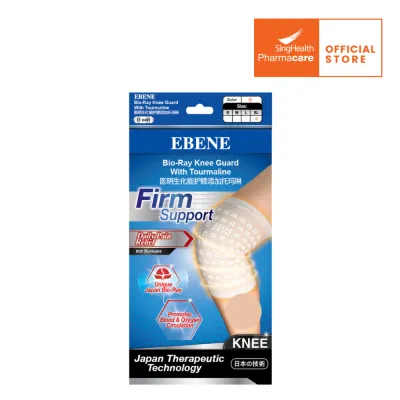
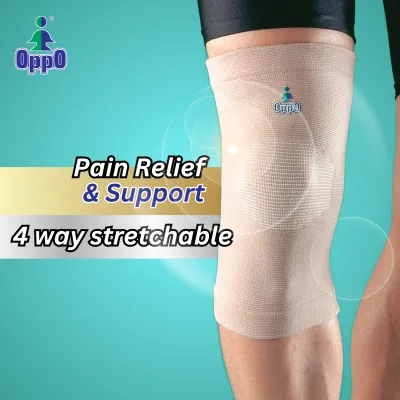
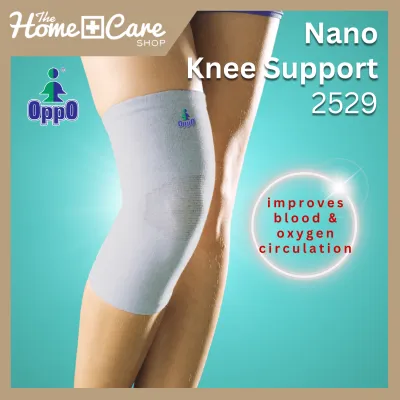
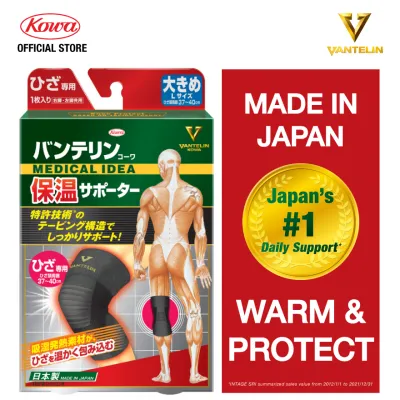
Prices are valid at publication and may change. Please refer to the product page for the latest price.
When shopping, always verify the manufacturer’s stated support level on the product packaging or label rather than assuming a thicker material automatically equals greater stability. A thin, highly engineered knit with integrated stabilizers can offer superior joint control compared to a thick, basic neoprene sleeve.
Evaluating Patellar Rings, Pads, and Targeted Compression
The design of the kneecap area significantly influences how a support manages pressure during movement. Open-patella designs feature a cutout over the kneecap, which reduces direct pressure on the joint and helps keep the support centered during deep knee bends or squats. Closed-patella designs cover the entire joint, providing uniform compression and heat retention across the entire knee area, which can help soothe general stiffness.

Many advanced supports incorporate integrated silicone gel rings or buttresses around the patellar opening. These rings cradle the kneecap, helping to track its movement correctly and distributing impact forces evenly across the surrounding tissues. This feature is particularly beneficial for activities involving repetitive jumping, sudden directional changes, or stair climbing.
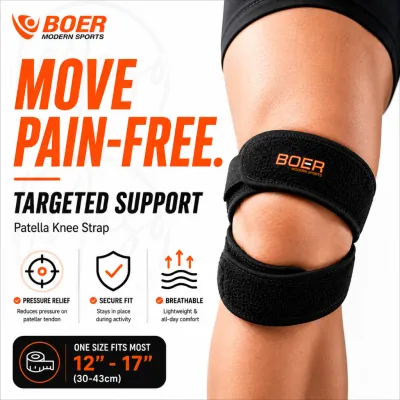
For targeted relief without the bulk of a full sleeve, a separate patellar strap or knee band is an alternative option. These narrow bands apply focused pressure directly to the patellar tendon just below the kneecap, helping to manage localized discomfort during high-impact running or jumping while leaving the rest of the joint completely free.
Checking Breathability, Materials, and Skin Comfort
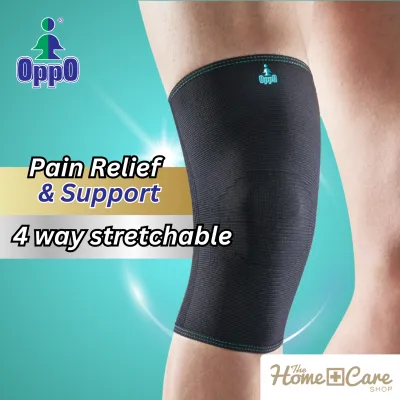
The material composition of your knee guard directly affects how long you can comfortably wear it, especially in warm or humid climates. Neoprene is highly durable and excellent at retaining therapeutic heat, which helps keep muscles warm, but it can trap sweat and cause skin irritation during intense workouts. Breathable knit fabrics, conversely, offer superior moisture-wicking and cooling properties, making them ideal for extended wear or high-cardio activities.
To prevent the support from sliding down during movement, look for built-in anti-slip features. Many high-quality guards feature interior silicone grip strips along the top cuff or adjustable tension straps that secure the brace firmly against the thigh. These mechanisms are crucial for maintaining consistent compression without requiring constant manual adjustment.
If you have sensitive skin or known allergies, always check the material composition label before purchasing. Many manufacturers offer latex-free or hypoallergenic options to prevent contact dermatitis, which can easily occur when sweat accumulates under a tight, non-breathable band.
How to Take Accurate Sizing Measurements for Women
Achieving a proper fit is critical, as an improperly sized knee guard can restrict blood flow, cause chafing, or fail to provide adequate support. To find your correct size, use a flexible, non-stretch measuring tape while standing with your leg slightly bent at approximately a 30-degree angle. Measure the circumference of your thigh at a specific distance above the center of your kneecap—typically 10 to 15 centimeters, depending on the brand’s instructions.
Next, measure the circumference directly around the center of your kneecap, followed by the upper calf circumference, usually 10 to 12 centimeters below the kneecap. Because women often have a more pronounced taper from the thigh to the calf, relying on a single measurement can lead to a poor fit. Always consult the specific brand’s size chart rather than assuming your size based on generic S, M, or L labels, as sizing standards vary widely between manufacturers.
When your measurements fall on the borderline between two sizes, consider your primary goals and the material’s properties. Sizing down generally provides firmer compression and higher stability, which is beneficial for short, intense workouts, provided the material has enough stretch to avoid pinching. Sizing up offers greater comfort, easier application, and better circulation, making it the preferred choice for longer wear or if you have a highly tapered leg shape.
Frequently Asked Questions (FAQ)
Should I size up or down if my measurements fall between two sizes?
Choosing between sizes depends on your desired compression level and the elasticity of the material. Sizing down offers tighter compression and more rigid support, which is suitable for short-duration sports, but it may restrict circulation if the fabric lacks sufficient stretch. Sizing up ensures better comfort, easier application, and less risk of the edges rolling down, making it ideal for extended wear or recovery. Always check the manufacturer’s specific sizing guide, as some brands recommend sizing up for knit fabrics and down for highly adjustable wrap designs.
Can I wear a knee guard support all day for general joint pain?
While a knee guard can provide temporary relief, wearing a highly compressive or rigid support all day without professional guidance is generally not recommended. Prolonged wear can lead to muscle dependency, where the surrounding muscles weaken because they rely on the brace for stability, and it can also restrict localized blood flow. For persistent joint pain, it is best to consult a healthcare professional or physiotherapist to address the underlying cause and establish a safe, structured wear schedule.
Community discussion
Share your experience or ask a question. Comments are reviewed before publication.