
To build lower body strength, isolate your glutes, and perform effective cable machine exercises like kickbacks and hip abductions, the right gym accessory is critical. A high-quality ankle strap acts as a specialized ankle strengthener attachment, bridging the gap between the cable machine’s weight stack and your lower leg. Selecting the correct equipment ensures that you can target specific muscle groups without experiencing joint pain, skin chafing, or dangerous equipment slippage.
Why a Dedicated Ankle Strap Is Essential for Cable Workouts
Many gym-goers attempt to improvise when performing lower body cable exercises. They might loop a standard tricep rope around their foot or step through a traditional D-handle designed for upper body workouts. These makeshift solutions present significant safety risks and mechanical drawbacks. A standard handle lacks secure fastening, meaning it can easily slip off mid-set, sending the weight stack crashing down and potentially causing acute muscle strains or joint hyper-extension. Furthermore, narrow webbing and hard plastic handles create highly concentrated pressure points, compressing nerves and restricting blood flow around the delicate structures of the foot and ankle.
A dedicated ankle cuff solves these issues by distributing the cable’s pulling force evenly across a broad surface area. The ankle joint is surrounded by sensitive tendons, ligaments, and bones, including the Achilles tendon and the prominent lateral and medial malleoli (ankle bones). When you pull heavy resistance during a kickback or abduction, a properly designed strap cushions these structures, absorbing shear stress and preventing painful bruising. This protective barrier is essential for maintaining joint alignment under load.
Products mentioned in this guide
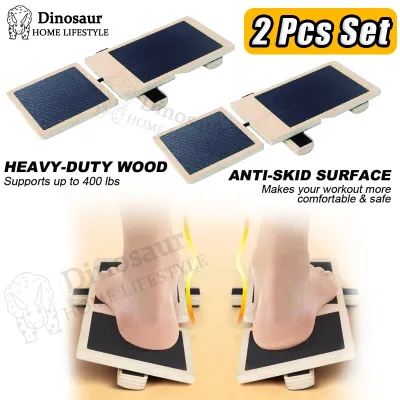
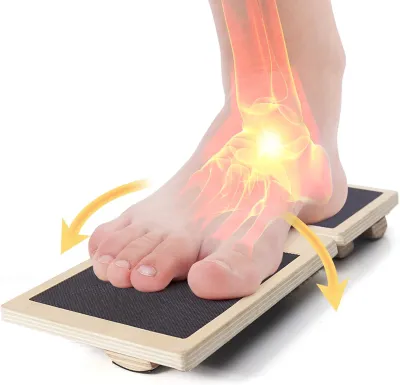
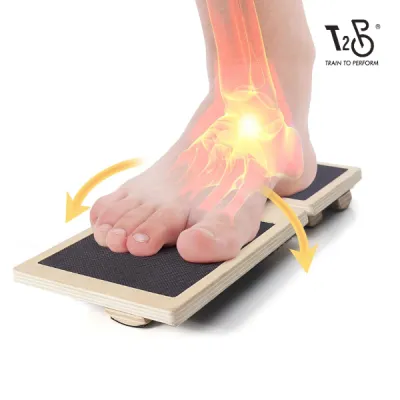
Prices are valid at publication and may change. Please refer to the product page for the latest price.
Additionally, using a secure, dedicated attachment dramatically enhances your mind-muscle connection. When you are not constantly tensing your foot or adjusting your stance to keep an unstable handle from sliding off, your nervous system can fully commit to recruiting the target muscles. You can focus entirely on the contraction of the gluteus maximus, gluteus medius, or hip adductors. This isolation is the key to progressive overload and long-term strength development in the lower body.
What to Look for When Buying an Ankle Strengthener Strap
When shopping for an ankle strengthener attachment, evaluating the construction quality and materials is paramount to ensuring safety and comfort. Gym accessories face intense tension and friction, meaning cheap materials will fail quickly under regular use. Most high-quality ankle straps in Singapore range from S$15 to S$35, representing a highly cost-effective investment in your joint safety.

Material and Comfort
The primary body of the strap is typically constructed from either neoprene or heavy-duty nylon. Neoprene is highly favored for its soft, cushioned feel against bare skin or socks. It is naturally sweat-resistant and flexible, conforming smoothly to the contours of your ankle. This is particularly advantageous in Singapore’s hot and humid climate, where sweat buildup is inevitable during intense workouts. However, ensure the neoprene has a breathable, moisture-wicking inner lining to prevent chafing and skin irritation. Heavy-duty nylon, on the other hand, offers exceptional tensile strength and durability, making it virtually tear-proof. The trade-off is that raw nylon can be abrasive; therefore, any nylon strap you choose must feature thick, integrated padding on the interior side to protect your skin from friction burns.
Padding and Width
The width of the strap directly dictates how comfortable it will feel under heavy loads. Look for straps that are at least 3 to 5 inches wide. According to basic physics, distributing a force over a larger area reduces the pressure exerted on any single point. A narrow strap will cut into your tissue, whereas a wide strap distributes the weight comfortably across the lower shin and Achilles area. The padding itself should consist of high-density foam or gel inserts, ideally between 5mm and 10mm thick. High-density foam retains its shape under compression, ensuring the strap does not bottom out when you increase the weight on the cable stack.
Hardware and Adjustability
The hardware is the most critical safety component of any ankle attachment. Look for heavy-duty metal D-rings made of welded steel or solid iron. Avoid cheap, bent-wire rings that have a visible gap, as these can bend or snap open under high tension. Double D-ring designs are highly recommended because they distribute the pulling force across two points, reducing stress on the fastening mechanism. The fastening system itself is usually a hook-and-loop (Velcro) strap. Verify that the manufacturer uses commercial-grade, tightly woven Velcro with reinforced double or triple stitching along the seams where the metal rings are attached. If you plan to lift exceptionally heavy loads, consider a strap that features a secondary steel buckle closure for absolute security.
Types of Ankle Attachments for Lower Body Cable Exercises
Understanding the different designs of ankle attachments allows you to select the one that best matches your strength levels and training goals.
Standard Neoprene Ankle Cuffs
These are the most common attachments found in commercial gyms and personal training studios. They typically feature a single metal D-ring and a simple wrap-around design secured by a Velcro strap. Standard cuffs are excellent for general fitness enthusiasts, beginners, and high-repetition accessory work. They are lightweight, easy to throw into a gym bag, and quick to put on and take off. While they offer superb comfort for moderate weights, they may shift slightly when subjected to heavy loads or rapid, explosive movements.
Heavy-Duty Nylon Straps with Dual D-Rings
Designed for advanced lifters and strength athletes, these straps utilize thick, reinforced nylon webbing and feature two separate D-rings. When wrapping the strap around your ankle, you pull both rings together and clip the cable carabiner through both simultaneously. This design ensures that the tension is balanced perfectly across the entire width of the cuff, preventing the strap from twisting or sliding up your leg. The dual D-ring configuration is highly versatile, allowing you to easily adjust the angle of pull for exercises like lateral hip abductions, standing hamstring curls, and cable lunges.
Ankle Harnesses and Multi-Angle Attachments
For those seeking maximum stability and multi-directional movement capability, specialized ankle harnesses are the ultimate choice. These designs feature a strap that wraps around the ankle, coupled with an additional strap that loops under the arch of the foot or behind the heel. This foot-loop system mechanically prevents the cuff from sliding upward during leg raises, high kickbacks, or complex, multi-planar movements. While they provide unmatched stability and allow you to pull from various angles, they are bulkier and require a longer setup time to adjust the multiple straps correctly.
How to Position and Secure Your Ankle Strap Safely
Proper setup is essential to prevent injury and ensure that the cable’s resistance is transferred efficiently to your target muscles.
Step-by-Step Positioning
- Wrap the cuff around your lower leg, positioning the padded portion directly above the malleolus (the bony protrusion of your ankle). Placing it too high on the calf can cause it to slide down dynamically, while placing it too low over the foot can restrict ankle mobility and cause discomfort.
- Pull the strap snug. It should feel secure enough that it does not slide or rotate when you pull on it, but it should not be so tight that it pinches your skin or restricts blood circulation.
- Perform the "one-finger check": you should be able to slide a single finger snugly between the strap's padding and your skin. If you cannot fit a finger, loosen it slightly; if you can easily fit two or more fingers, tighten it further.
Cable and Pulley Alignment
Before clipping in, adjust the cable machine’s pulley height. For most kickbacks and abductions, the pulley should be set to the lowest position, close to the floor. When you clip the carabiner to the D-ring, ensure the cable aligns directly with the path of your working leg. If you are performing a straight-back kickback, the D-ring should face forward (on the front of your ankle) so that when you kick back, the cable pulls directly from the front. If you are doing lateral abductions, the D-ring should face the inside of your ankle (towards the machine) so the cable pulls across your body. Proper alignment prevents the strap from twisting on your leg, reducing friction and protecting your skin.
Safety and Stop Conditions
Before starting your set, perform a gentle test rep with a very light weight to verify the security of the connection. Always check the manufacturer’s maximum weight capacity before loading the cable stack. Stop the exercise immediately if you experience any of the following:
- The Velcro closure begins to peel, slip, or make a cracking sound under tension.
- The metal D-rings show any signs of bending, warping, or separation at the weld.
- You feel a sharp, pinching pain in your ankle joint or Achilles tendon, which indicates incorrect positioning or excessive weight.
Common Setup Mistakes to Avoid During Cable Kickbacks
Even with high-quality equipment, improper execution can lead to joint strain and poor muscle activation.
Misaligned Carabiner Attachment
One of the most frequent mistakes is clipping the carabiner to the wrong side of the ankle cuff. For example, during a kickback, if the D-ring is positioned on the side of your ankle rather than the front, the cable will pull sideways. This causes the strap to twist violently around your leg during the concentric phase, digging the edge of the material into your Achilles tendon or shin bone. Always ensure the D-ring is aligned with the direction of the cable’s pull.
Using Excessive Weight
Cable kickbacks and abductions are isolation exercises designed to target specific gluteal muscles. Loading too much weight on the cable stack forces your body to recruit secondary muscles to complete the movement. This leads to excessive pelvic tilting, lower back arching, and momentum-driven swinging. Not only does this reduce the effectiveness of the exercise on your glutes, but it also places dangerous shear stress on your lumbar spine and knee joints. Keep the weight moderate and focus on a slow, controlled tempo.
Neglecting Basic Maintenance
In humid climates like Singapore, gym gear accumulates sweat and body oils rapidly. Leaving your ankle strap crumpled at the bottom of a gym bag promotes bacterial growth, breaks down the neoprene’s elasticity, and degrades the hook-and-loop fibers of the Velcro. Over time, salt buildup from dried sweat will cause the Velcro to lose its grip, creating a severe safety hazard during heavy lifts.
Frequently Asked Questions (FAQ)
Can I use a standard cable handle as an ankle strap?
Standard cable handles are not designed for lower body exercises and should not be used as ankle straps. They lack the necessary wide padding, secure fastening mechanisms, and structural support required to safely pull weight with your legs. Attempting to loop your foot through a standard handle leads to highly concentrated pressure, restricted blood circulation, and a high risk of the handle slipping off dynamically, which can cause severe muscle strains or joint injuries.
Do I need a swivel carabiner for my ankle cuff?
While not strictly mandatory for basic linear movements, a swivel carabiner is highly recommended if you perform rotational or multi-directional exercises, such as hip circles or multi-angle kickbacks. A swivel carabiner allows the attachment point to rotate 360 degrees freely, preventing the cable from kinking and stopping the ankle strap from twisting or digging into your skin as your leg changes angles.
How do I clean and maintain my neoprene ankle straps?
To extend the lifespan and maintain the hygiene of your neoprene ankle straps, wipe them down with a clean, damp cloth after every workout to remove surface sweat. For a deeper clean, hand wash the straps in cool water using a mild, pH-neutral soap. Gently squeeze out excess water without twisting or wringing the material, and lay them flat to air-dry in a well-ventilated indoor space. Avoid direct sunlight, tumble dryers, or high heat sources, as extreme heat will degrade the neoprene’s elasticity and weaken the Velcro’s adhesive backing.
Community discussion
Share your experience or ask a question. Comments are reviewed before publication.