
When choosing between a Camel vacuum flask and legacy giants like Thermos and Tiger for active use in Singapore’s tropical heat, the right choice depends on balancing thermal specifications with your specific sport. While Thermos and Tiger are globally recognized for their highly standardized, precision-engineered vacuum insulation, Camel caters to outdoor, tactical, and rugged sports environments. Because real-world heat and cold retention vary by bottle capacity, lid design, and ambient conditions, finding the ideal flask requires looking beyond marketing buzzwords. This guide breaks down how to verify insulation claims, evaluate sports-specific features, and choose the right bottle for your workouts, hikes, or daily commutes.
Decoding Insulation Claims: Camel vs. Thermos vs. Tiger
To compare the insulation capabilities of a Camel vacuum flask against Thermos and Tiger, you must first learn to read manufacturer specification labels objectively. Brands typically list thermal performance in hours, such as keeping liquids cold for 24 hours or hot for 12 hours. However, these ratings are established under highly controlled laboratory conditions, usually starting with water at a specific temperature in a room kept at a stable 20°C. In Singapore’s warm, humid climate, where outdoor temperatures frequently exceed 30°C, actual thermal retention will differ from the label.
The volume of the bottle also plays a critical role in how long your drink stays cold. Larger flasks contain a greater thermal mass of liquid, which naturally resists temperature changes longer than smaller flasks of the identical design. When comparing a Camel vacuum flask to a Thermos or Tiger model, ensure you are comparing bottles of the exact same capacity. A 1-litre bottle will almost always outperform a 500-millilitre bottle in temperature retention, regardless of the brand’s proprietary technology.
Products mentioned in this guide
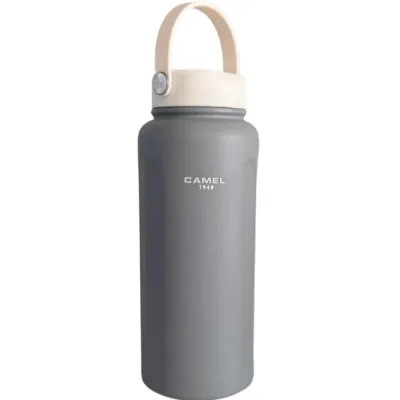
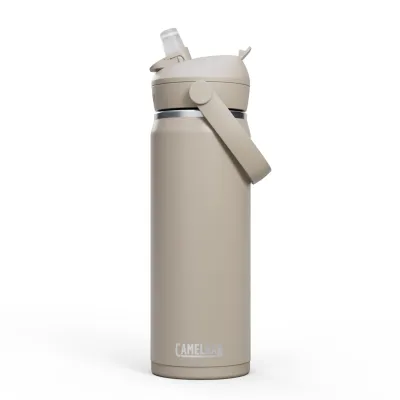
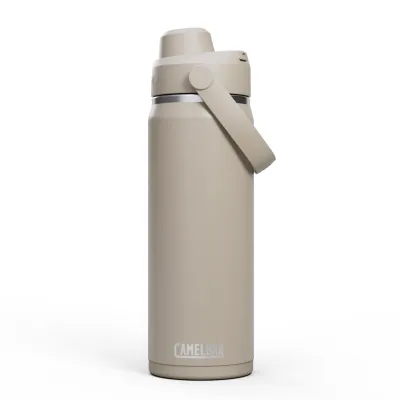
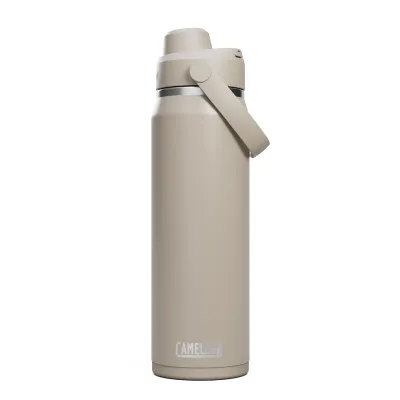
Prices are valid at publication and may change. Please refer to the product page for the latest price.
Beyond volume, examine the structural specifications of each flask. High-quality vacuum flasks utilize a double-wall stainless steel construction where the air between the walls is evacuated to prevent heat transfer by conduction or convection. Some premium models feature an internal copper plating or lining on the outer wall of the inner chamber, which reflects radiant heat. When evaluating these brands, check the product specifications for details on copper lining, seamless inner walls, and high-quality seam welding. Seamless construction minimizes weak points where the vacuum could fail over time due to physical impacts during sports activities.
Evaluating Sports-Specific Features Beyond Temperature
While thermal retention is vital, a sports bottle must also excel in usability during active movement. The lid mechanism is often the deciding factor in how practical a flask is during a workout. Screw caps offer a highly secure, leak-proof seal and are excellent for rugged outdoor hikes, but they require two hands to open. For high-intensity activities like cycling or running, one-handed operations such as flip-tops, push-buttons, or straw lids are far more convenient. However, complex lid mechanisms with multiple moving parts and silicone gaskets are more prone to minor leaks if not aligned perfectly, and they can be harder to clean thoroughly.

Weight and ergonomics are equally critical when carrying a flask on the move. Standard vacuum flasks can be heavy even when empty due to their double-wall steel construction. If you plan to carry your bottle in a backpack side pocket or a running vest, look for lightweight series. Tiger and Thermos often offer ultra-lightweight models designed specifically for daily commuting and light sports. On the other hand, if your sport involves rugged terrain or tactical environments, a slightly heavier Camel vacuum flask with a powder-coated exterior or a silicone boot may provide a more secure grip when your hands are sweaty, while also protecting the bottle from dents.
Material durability and interior safety should also guide your choice. Most reputable sports bottles use food-grade 18/8 (304) stainless steel, which resists rust and does not retain flavors. However, some brands apply specialized interior coatings to prevent sports drinks or tea from staining the steel or leaving a metallic taste. Ensure any interior coating is certified BPA-free and easy to scrub. For active use, check if replacement lids, gaskets, and straw attachments are readily available. A bottle with excellent insulation becomes useless if a single worn-out silicone ring cannot be replaced locally.
Comparing Brand Approaches to Active Hydration
Understanding the design philosophy of each brand helps align your purchase with your lifestyle. Thermos and Tiger are legacy brands that have spent decades perfecting standardized thermal engineering. Their product lines are vast, ranging from ultra-lightweight travel mugs to heavy-duty family carafes. They excel in producing highly reliable, everyday vacuum flasks with classic designs, focusing heavily on maximizing thermal efficiency and minimizing weight. If your primary goal is a sleek, highly efficient bottle for the gym, office, or light outdoor walks, these legacy brands offer highly predictable performance.
In contrast, Camel often positions its vacuum flasks and hydration gear toward outdoor enthusiasts, tactical users, and rugged sports participants. Their designs frequently emphasize impact resistance, integrated carry loops, and compatibility with specialized outdoor accessories. A Camel vacuum flask is highly suited for those who need a bottle that can withstand being dropped on gravel, strapped to a kayak, or tossed into a rugged duffel bag. Their aesthetic tends to be more utilitarian, featuring matte finishes, earth tones, and robust lid designs tailored for demanding environments.
When shopping in Singapore, the price-to-performance ratio and local support are practical considerations. High-quality vacuum flasks generally range from S$30 to S$80 depending on the capacity and specialized lid features. While online marketplaces offer a wide variety of parallel imports, purchasing from authorized local retailers ensures you receive a valid warranty. Check if the brand has a dedicated local distributor or service center in Singapore. Having easy access to replacement gaskets, straw cleaning brushes, and alternative lids locally can significantly extend the lifespan of your sports bottle.
Decision Framework: Which Brand Fits Your Routine?
To make the final decision, evaluate your primary activity, carrying method, and thermal requirements. If your routine consists of gym workouts, indoor fitness classes, or daily commuting where you value a lightweight bottle that fits easily into standard cup holders, Thermos or Tiger is often the most practical choice. Their focus on lightweight engineering and classic, reliable lid designs makes them highly efficient for structured, everyday environments where extreme ruggedness is not a priority.
If your activities take you outdoors for hiking, camping, tactical training, or sports where the bottle is exposed to rough handling, a Camel vacuum flask is highly suitable. The rugged exterior coatings, robust carry handles, and impact-resistant designs are engineered to handle physical stress. Additionally, if you prefer specialized lid styles like high-flow bite valves or heavy-duty magnetic caps that keep the lid out of your face while drinking, Camel’s outdoor-focused accessory ecosystem provides excellent options.
Before purchasing, always verify the exact specifications of the specific model you are considering. Do not assume all bottles from a brand perform identically; a lightweight lifestyle flask will not retain temperature as long as a heavy-duty outdoor flask from the same manufacturer. Check the manufacturer’s official thermal retention ratings for that specific model, inspect the lid design for leak-proof seals, and ensure the capacity matches your daily hydration needs.
Frequently Asked Questions (FAQ)
Does a heavier vacuum flask always mean better insulation?
Not necessarily. While a heavier flask might indicate thicker stainless steel walls that offer better dent resistance, weight alone does not guarantee superior thermal performance. The most critical factor in temperature retention is the quality of the vacuum seal between the double walls and the presence of radiant-heat-reflecting materials like copper plating. Additionally, a significant amount of heat is lost or gained through the lid. A lightweight bottle with a highly insulated, well-sealed lid can easily outperform a heavier bottle with a poorly insulated or loose-fitting cap. Always rely on official thermal specifications rather than the physical weight of the flask.
How can I test my sports bottle's insulation performance at home?
You can perform a simple baseline test using a kitchen thermometer to verify your bottle’s real-world performance. To test heat retention, fill the flask with boiling water, seal the lid tightly, and let it sit in a room-temperature environment for six hours. Measure the water temperature afterward; high-quality flasks typically keep the water above 60°C to 70°C after six hours, depending on their capacity. For cold retention, fill the bottle with ice water, seal it, and check if the ice remains unmelted after 12 to 24 hours. Ensure the exterior of the bottle remains cool to the touch during the hot water test; if the outside of the flask feels warm, it indicates that the vacuum seal has failed and heat is escaping.
Community discussion
Share your experience or ask a question. Comments are reviewed before publication.