
Selecting the ideal water bottle for your child involves balancing physical comfort, daily routines, and hydration habits. The choice between a lightweight, single-wall plastic bottle like the CamelBak Eddy Kids and a double-wall vacuum-insulated stainless steel bottle comes down to a trade-off between weight and temperature control. While plastic bottles offer effortless carrying and spill-resistant drinking mechanisms, insulated options keep beverages cold in warm climates at the cost of added bulk. Understanding how these factors impact your child’s school day will guide you to the most practical choice.
Understanding the Core Differences: Tritan Plastic vs. Vacuum Insulation
To make an informed decision, it is essential to understand the structural differences between these two popular bottle categories. The CamelBak Eddy Kids is primarily constructed from Tritan plastic, a lightweight, BPA-free co-polyester designed to withstand drops without shattering. This single-wall construction means there is only one layer of material separating the liquid from the outside air, resulting in a highly flexible, lightweight vessel that is easy for young children to handle. The defining feature of this bottle is its signature bite-and-sip valve, which requires the user to compress a silicone nozzle to release water, preventing accidental spills even when the bottle is left open.
In contrast, standard insulated kids’ bottles utilize a double-wall vacuum-insulated stainless steel construction. This design features an inner and outer steel wall with an empty space—a vacuum—sealed between them. Because heat cannot easily travel across a vacuum, this structure prevents external temperatures from affecting the liquid inside. These bottles typically pair with various lid styles, including flip-up straws, push-button spouts, or simple twist caps. While this engineering is highly effective at temperature control, the dual layers of steel and the vacuum seal make these bottles significantly heavier and less flexible than their plastic counterparts.
Products mentioned in this guide
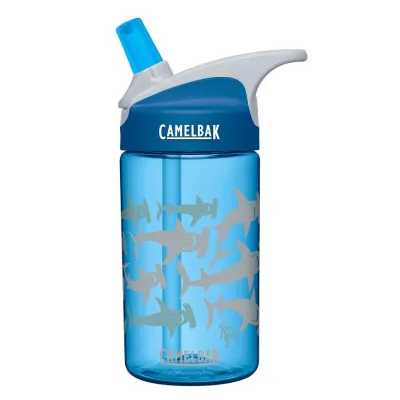
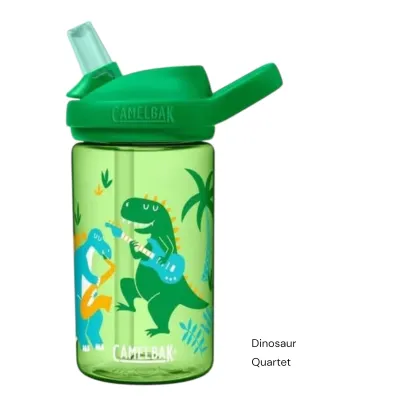
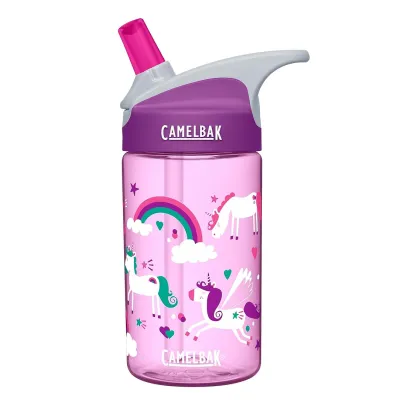
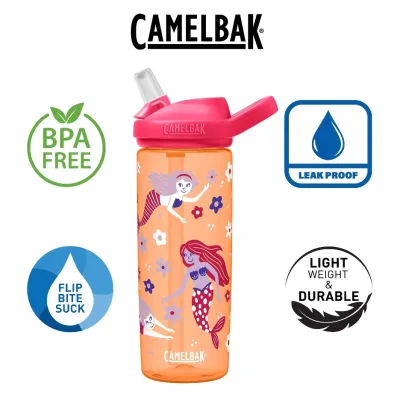
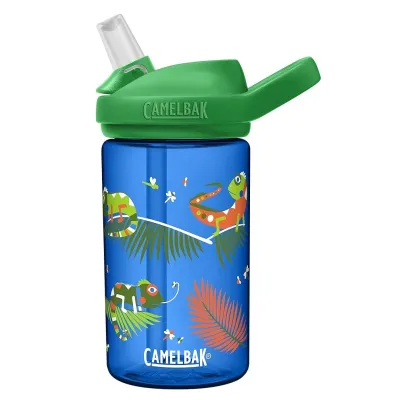
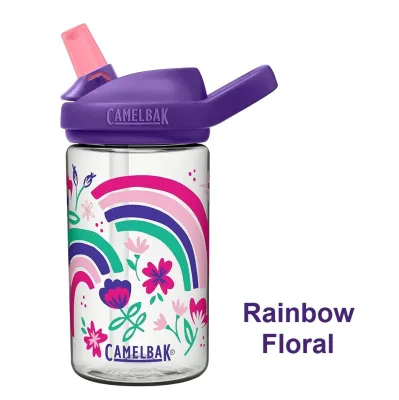
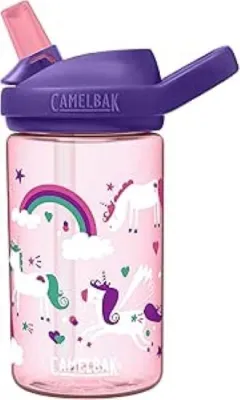
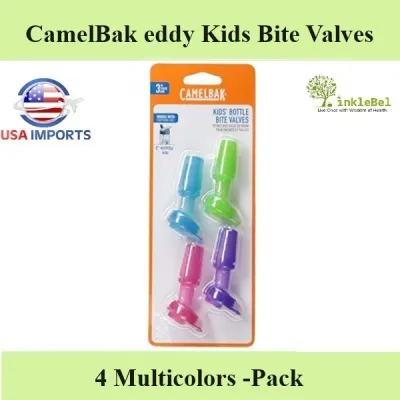
Prices are valid at publication and may change. Please refer to the product page for the latest price.
Temperature Retention: When Insulation Matters
Evaluating whether your child needs temperature control requires looking closely at their daily environment and drinking preferences. In warm, tropical climates like Singapore, where temperatures remain high throughout the year, access to cold water can be a major incentive for children to stay hydrated. If your child spends significant time outdoors, participates in sports, or simply dislikes drinking room-temperature water, an insulated stainless steel bottle is highly beneficial. These bottles prevent heat transfer, ensuring that ice-cold water packed in the morning remains refreshing during afternoon recess or physical education classes.

Single-wall plastic bottles, on the other hand, offer no thermal insulation. The liquid inside will rapidly equalize with the surrounding air temperature, meaning cold water will warm up within an hour or two of leaving the refrigerator. Additionally, single-wall bottles are prone to condensation, often referred to as “sweating.” When filled with cold water, moisture from the humid air condenses on the cold outer plastic surface, creating a slippery grip and potentially wetting schoolbooks, homework, or electronic devices sharing space inside a school bag.
While vacuum insulation solves the temperature and condensation issues, parents must weigh this benefit against the physical effort required to carry the bottle. If your child’s school has chilled water dispensers or water coolers readily available for refills, the need for a highly insulated bottle decreases. In such environments, a lightweight plastic bottle can be refilled throughout the day with cool water, eliminating the need to carry a heavy insulated container.
Weight and Portability: Backpacks and Small Hands
The physical burden of a water bottle is a critical consideration, especially for younger children whose physical strength and grip are still developing. When empty, a single-wall Tritan plastic bottle is exceptionally light, often weighing only a fraction of a comparable stainless steel bottle. When fully filled with water, this weight difference becomes even more pronounced. For a toddler or preschooler, lifting and tilting a heavy steel bottle can be tiring, which may inadvertently discourage them from drinking as often as they should.
A child’s daily commute and carrying method also play a significant role in this decision. School backpacks are often already loaded with textbooks, exercise books, stationery, and lunchboxes. Adding a heavy, filled stainless steel bottle can place unnecessary strain on a young child’s shoulders and back. If your child walks to school or rides public transport, minimizing backpack weight is a priority, making a lightweight plastic bottle the more ergonomic choice.
Portability also depends on physical dimensions and compatibility with everyday gear. Before purchasing, it is wise to check the outer diameter of the bottle against the side mesh pockets of your child’s school bag. Some insulated bottles feature thick protective silicone boots or wider bases that may not slide easily into standard backpack pockets or stroller cup holders. A bottle that does not fit securely in an external pocket is more likely to be placed inside the main compartment, increasing the risk of accidental leaks onto schoolwork.
Ease of Use and Cleaning: Bite Valves vs. Standard Lids
The drinking mechanism of a water bottle directly affects how easy it is for a child to use independently and how much effort is required to keep it clean. The CamelBak Eddy Kids features a unique bite valve that is highly regarded for its spill-proof design. To drink, a child must bite down gently on the silicone valve while sucking through the straw. This action opens a small slit in the silicone, allowing water to flow. Because the valve automatically seals shut when pressure is released, the bottle will not leak even if tipped upside down with the mouthpiece flipped open, making it excellent for active kids and car rides.
However, this specialized mechanism requires some coordination and suction strength, which may be challenging for very young toddlers. Standard insulated bottles often use simpler flip-up straws or push-button spouts that do not require biting. These designs are highly intuitive and allow for a faster flow of water, which older children or those engaged in high-energy sports often prefer. The trade-off is that if a standard straw lid is left open and the bottle is knocked over, water will flow out freely, potentially causing spills on classroom desks.
Daily maintenance is another crucial factor for busy parents. The intricate design of the CamelBak bite valve features small crevices where moisture can trap, leading to mold growth if not cleaned thoroughly. Cleaning this system requires regular disassembly, pulling the silicone valve and straw apart from the lid, and using specialized small brushes to scrub inside the valve opening. Standard lids with wider spouts or simpler straw designs are often easier to rinse and scrub, though any bottle with a straw attachment will require a dedicated straw brush to maintain proper hygiene. Parents should establish a routine of disassembling and air-drying all lid components daily to prevent buildup.
Durability and Leak Resistance: Surviving the School Day
A children’s water bottle must be resilient enough to survive drops onto concrete playgrounds, tiled classroom floors, and tarmac. Tritan plastic is engineered to be highly impact-resistant, meaning it will not easily crack or shatter upon impact. However, extreme drops or repeated impacts over time can eventually cause hairline fractures, particularly around the threaded collar of the bottle. If a plastic bottle does crack, it must be discarded immediately to prevent leaks and potential injury from sharp edges.
Stainless steel bottles offer a different kind of durability. They are virtually indestructible in terms of structural integrity; dropping a steel bottle will not cause it to shatter or crack. Instead, the metal will dent, and the exterior paint or powder coating may chip. While these cosmetic damages do not affect the bottle’s ability to hold water, severe dents on the bottom can cause the bottle to wobble or tip over easily when placed on a flat surface. Furthermore, a massive impact can occasionally compromise the vacuum seal, destroying the bottle’s insulation capabilities.
Leak resistance also depends on the condition of the sealing components. Over time, the silicone gaskets, O-rings, and bite valves on both types of bottles will wear down due to friction, cleaning, and natural degradation. A worn gasket or a chewed bite valve will eventually allow water to seep out when the bottle is inverted or squeezed inside a tightly packed bag. Parents should regularly inspect these parts for signs of wear and purchase manufacturer-approved replacement parts to extend the lifespan of the bottle.
How to Decide: Matching the Bottle to Your Child's Routine
To choose the right bottle, synthesize these factors into a clear decision framework based on your child’s age, physical capabilities, and daily environment. A lightweight plastic bottle like the CamelBak Eddy Kids is the ideal choice if your child is younger, has smaller hands, or carries a heavy backpack over long distances. It is also the superior option if you prioritize absolute spill resistance inside school bags and do not require water to remain cold for hours. This bottle excels in active, supervised settings where quick, mess-free sips are the priority.
An insulated stainless steel bottle is the better investment if keeping water cold throughout a hot day is a non-negotiable requirement for your child. It is highly suited for older children, those participating in outdoor sports, or kids who prefer a traditional straw or spout with a faster flow rate. While it requires more physical effort to carry, the temperature retention and long-term durability of steel make it a reliable companion for long school days.
Before making a final purchase, always verify the specific rules of your child’s school or childcare center. Some classrooms have strict policies regarding water bottles, such as prohibiting bottles that sweat on desks, requiring completely leak-proof lids, or limiting the physical size of bottles to fit specific desk cubbies. Checking these guidelines beforehand ensures that whichever bottle you choose will be fully functional and welcomed in your child’s daily learning environment.
Frequently Asked Questions (FAQ)
Are bite valves safe for toddlers transitioning from sippy cups?
Bite valves are generally safe and can assist in the transition from sippy cups, but parents should check the manufacturer’s recommended minimum age, which is typically three years old. Younger toddlers may lack the oral coordination and suction strength required to compress the valve and draw water simultaneously. Additionally, toddlers who are teething may chew excessively on the soft silicone, which can damage the valve and create small pieces that pose a choking hazard. Always supervise young children during use and inspect the valve regularly for bite marks or tears.
Can I put hot liquids in a CamelBak Eddy Kids bottle?
No, you should not put hot liquids in a CamelBak Eddy Kids bottle. Single-wall Tritan plastic is not designed to insulate against heat, meaning the exterior of the bottle will become extremely hot to the touch, presenting a significant burn hazard for a child. Furthermore, hot liquids can cause pressure to build up inside the bottle, which may force hot water to spray out unexpectedly through the bite valve when it is flipped open. For warm beverages, always use a dedicated insulated bottle designed for hot liquids, and verify the manufacturer’s temperature limits beforehand.
Community discussion
Share your experience or ask a question. Comments are reviewed before publication.