
Camelbak’s insulation performance is not a single, uniform standard across all products; rather, it depends heavily on the specific model’s vacuum specifications, material thickness, and lid design. When deciding whether to pay a premium for a Camelbak bottle or choose a competing sports brand, you must look beyond general brand reputation. The true value of a premium insulated bottle lies in how well its thermal retention, weight, and specialized lid features align with your specific sport or outdoor activity.
For active users, a bottle is more than just a container; it is a piece of performance gear. A cyclist navigating a hot road route has vastly different hydration needs than a hiker trekking through a humid nature reserve. To determine if the price premium is justified, you need to evaluate how these bottles manage heat transfer, how their drinking mechanisms affect thermal efficiency, and whether their specialized designs offer a tangible advantage over standard insulated flasks.
Understanding Camelbak's Insulation Design
To make an informed comparison, you must first understand how vacuum insulation works and how to verify a manufacturer’s claims. Double-wall vacuum insulation relies on a simple physical principle: removing the air between two walls of stainless steel creates a vacuum barrier. Because there are no air molecules to transfer heat via conduction or convection, the temperature inside the bottle remains stable for longer periods. When shopping, always check the product label or official specifications for explicit double-wall vacuum construction, as some entry-level sports bottles may only feature single-wall steel or basic foam insulation, which offer significantly less thermal protection.
Products mentioned in this guide
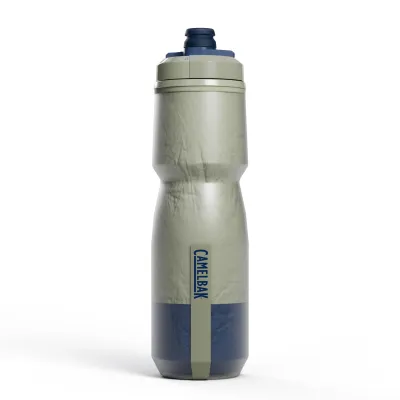
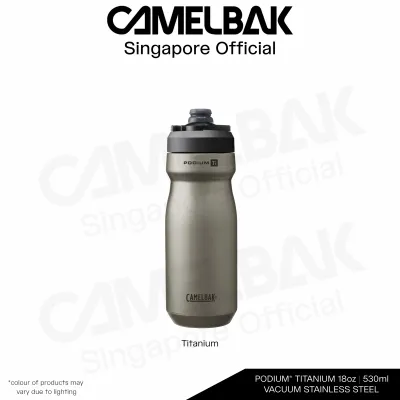
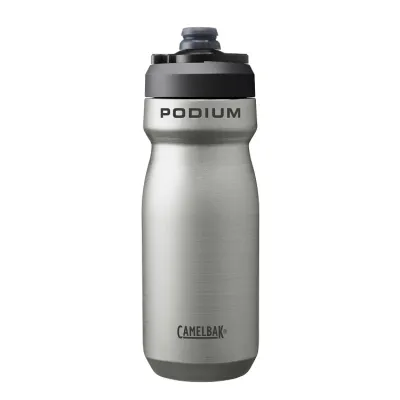
Prices are valid at publication and may change. Please refer to the product page for the latest price.
However, the insulated body is only one part of the equation. The primary point of heat exchange in any insulated bottle is the lid. Plastic, silicone, and rubber components do not insulate as effectively as double-wall steel. Lids with complex drinking mechanisms, such as straws, bite valves, or flip-top caps, introduce more surface area and thinner materials where heat can escape or enter. When evaluating a Camelbak model, inspect the lid design to see how securely it seals and how much uninsulated surface area is exposed to the ambient air.
Furthermore, you must distinguish between models designed strictly for cold liquids and those rated for hot beverages. Many sports-oriented bottles, particularly those featuring integrated straws or silicone bite valves, are explicitly labeled for cold use only. Using hot liquids in these models can cause steam pressure to build up inside the vacuum chamber, leading to sudden leaks, spraying when the valve is opened, or even physical damage to the lid components. Always verify the manufacturer’s temperature limits and safety warnings on the packaging before pouring hot coffee or tea into your sports bottle.
Core Dimensions for Comparing Insulated Bottles
When comparing Camelbak to other prominent sports bottle brands, a structured set of criteria helps you cut through marketing claims. The first dimension to consider is the balance between thermal retention and weight. Thicker steel walls and internal copper coatings can enhance temperature retention, but they also add physical weight. For long-distance runners, cyclists, or backpackers, carrying unnecessary weight can lead to fatigue. You should compare the empty weight of different bottles of the same capacity to find a model that offers adequate insulation without becoming a burden during your workouts.

Lid functionality is the next critical comparison point. Sports bottles generally fall into three categories: wide-mouth screw caps, straw or bite-valve lids, and quick-flow spout lids. Camelbak is highly regarded for its proprietary bite-valve systems, which allow for spill-proof, one-handed drinking without tilting your head back—a major safety advantage when cycling or running. However, competing brands may offer simpler, highly insulated screw caps that provide enhanced thermal retention because they have fewer seams and thicker seals. Consider your activity: if you need quick, frequent sips on the move, a specialized sports lid is essential; if you prioritize keeping water ice-cold for an entire day-long excursion, a simple, heavily insulated cap may perform better.
Exterior durability and grip are also vital for outdoor gear. Look for bottles with high-quality powder-coat finishes. This textured coating serves two purposes: it prevents the bottle from slipping out of sweaty hands or wet gloves, and it protects the underlying steel from scratches and minor dents. A severe dent can cause the inner and outer steel walls to touch, instantly destroying the vacuum barrier and rendering the insulation useless. Additionally, verify that the bottle is rated as “sweat-proof,” meaning it will not form condensation on the exterior, which can damp your gear or make the bottle difficult to hold.
Evaluating the Price Premium
Premium sports bottles often carry a higher price tag, sometimes exceeding S$40 or S$50. To determine if this investment is worthwhile, look closely at the long-term ownership benefits, starting with the manufacturer’s warranty and the availability of replacement parts. High-quality brands typically offer robust warranties against manufacturing defects, including premature vacuum failure. More importantly, reputable brands maintain a steady supply of replacement lids, bite valves, straws, and silicone gaskets. Because these soft components naturally wear out, stretch, or accumulate mold over time, being able to buy a cheap replacement part rather than a whole new bottle significantly lowers your long-term cost-per-use.
You must also evaluate whether you actually need the specialized, patented features that drive up the cost of premium bottles. Features like magnetic cap retainers that keep the lid out of your face while drinking, integrated carry loops designed for carabiner attachment, or ergonomic shapes tailored to fit securely into standard bicycle bottle cages add real utility for active users. If you are simply using the bottle at an office desk or during light gym sessions, these specialized outdoor features may not justify the extra cost, and a more basic, budget-friendly insulated bottle may serve you just as well.
Ultimately, calculate the true value based on expected lifespan. A cheap, generic insulated bottle from an online marketplace might save you money initially, but if the lid leaks, the plastic cracks after a minor drop, or the vacuum seal fails within a few months, you will end up spending more on replacements. Investing in a durable, well-engineered bottle from an established brand ensures reliable performance, leak-proof transport in your gear bag, and consistent temperature control over years of rugged use.
Decision Framework: Which Bottle Fits Your Activity?
To finalize your choice, match the bottle’s design to your primary physical activities and hydration habits.
Choose Camelbak if your workouts require rapid, one-handed hydration or hands-free operation. Their bite-valve and straw systems are ideal for cyclists who need to keep their eyes on the road, runners using hydration vests, or gym-goers who want to avoid tilting their heads back mid-exercise. Additionally, if you already own Camelbak hydration packs or accessories, staying within their ecosystem ensures compatibility with replacement parts and specialized cleaning kits.
Choose competing sports brands if your primary goal is maximum thermal retention for both hot and cold liquids, or if you prefer a simpler, wide-mouth design. If you frequently carry hot tea or soup on cold-weather hikes, a brand that specializes in heavy-duty, insulated screw caps will generally keep liquids hot longer than a bottle equipped with a sports spout or straw lid. Simpler lids are also much easier to clean thoroughly, making them a better choice if you frequently mix sports drinks, electrolytes, or juices into your water.
Verify first before taking any bottle into extreme environments or high-impact sports. Always check the specific model’s safety instructions, temperature limits, and impact ratings. If you are planning a high-altitude climb, a long-distance desert trek, or a whitewater paddling trip, your equipment must be completely reliable. Ensure the bottle’s lid can handle pressure changes without leaking, and verify that the carrying method—whether in a backpack side pocket, a bike cage, or clipped to a harness—is secure enough to prevent accidental drops that could damage the vacuum seal.
Frequently Asked Questions (FAQ)
Does Camelbak keep drinks hot as well as cold?
While the double-wall stainless steel body of an insulated Camelbak bottle is highly effective at maintaining both hot and cold temperatures, hot-liquid compatibility depends entirely on the specific lid design. Many sports-oriented lids, especially those with integrated straws, bite valves, or flip spouts, are rated for cold liquids only. Hot liquids can create steam pressure inside the sealed bottle, which may cause hot liquid to spray out unexpectedly when you open the valve, posing a burn hazard. Additionally, extreme heat can warp or degrade the silicone and plastic components of sports lids. Always check the manufacturer’s packaging or product manual to verify if your specific model and lid combination is rated for hot liquids before use.
How does the bite valve affect temperature retention?
The bite valve is an excellent feature for convenient, spill-proof drinking, but it does introduce a minor trade-off in thermal efficiency. Because the silicone bite valve is exposed to the outside air and is much thinner than the insulated steel body of the bottle, it acts as a pathway for heat exchange. Ambient heat can slowly transfer through the valve and warm the liquid in the straw. To minimize this effect, ensure the valve is fully closed and folded down when not in use. You should also regularly inspect the valve and its internal gaskets for wear, cracks, or dirt; a compromised seal will allow outside air to enter the bottle, rapidly accelerating temperature loss and potentially causing leaks.
Community discussion
Share your experience or ask a question. Comments are reviewed before publication.