
When choosing a water bottle to keep your child’s drinks cold during a hot afternoon or warm during long hours in an air-conditioned classroom, insulation performance is often the deciding factor. However, comparing CamelBak, Thermos, and Owala is not as simple as declaring one brand the absolute winner. The actual temperature retention your child experiences depends heavily on the specific model line, the lid design, and whether you are trying to preserve cold or heat.
While a brand name gives you a general idea of build quality, the physical design of the bottle dictates its thermal limits. For instance, straw and spout lids, which are highly popular in CamelBak and Owala children’s models, naturally allow more heat transfer than fully sealed, insulated screw caps often found on Thermos models. To ensure your child’s drink stays at the desired temperature, you must look past marketing claims and evaluate the specific engineering of each bottle. Before making a purchase, always check the product packaging or the manufacturer’s official specifications for verified hot and cold retention hours.
Understanding Insulation Technology in Kids' Drinkware
To make an informed decision, it helps to understand the physical construction of modern kids’ drinkware. Water bottles generally fall into three construction categories: single-wall, double-wall non-vacuum, and double-wall vacuum insulated. Single-wall bottles offer no thermal protection and will sweat profusely in humid climates. Double-wall non-vacuum bottles use an air gap to slow heat transfer, but this is far less effective than double-wall vacuum insulation. In vacuum-insulated models, the air between the two stainless steel walls is completely evacuated, creating a vacuum barrier that prevents heat from transferring via conduction or convection.
Products mentioned in this guide
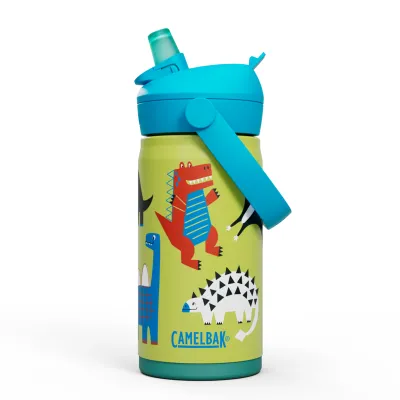
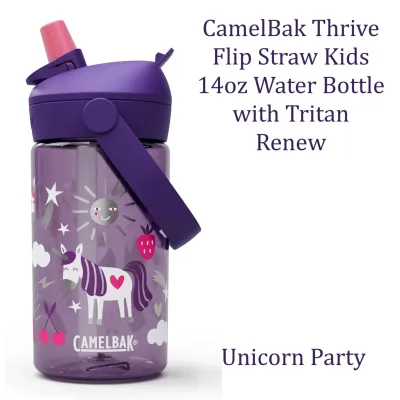
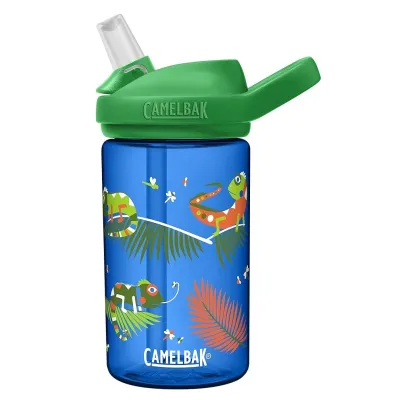
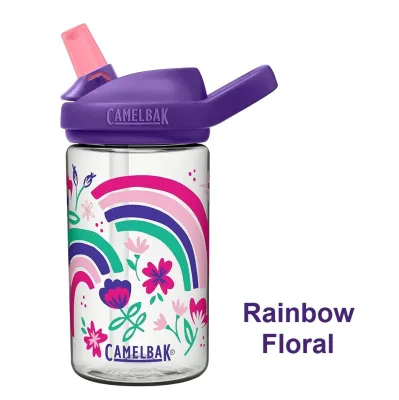
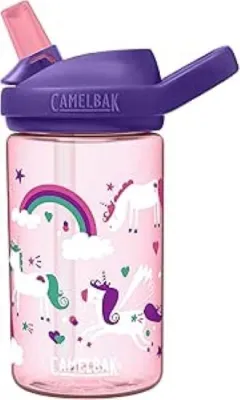
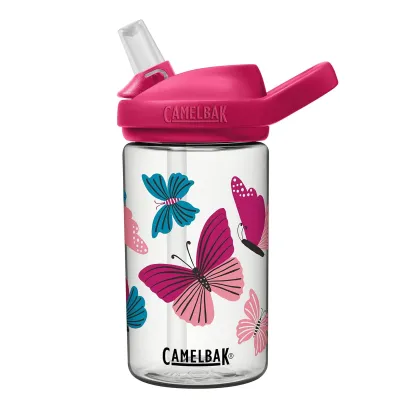
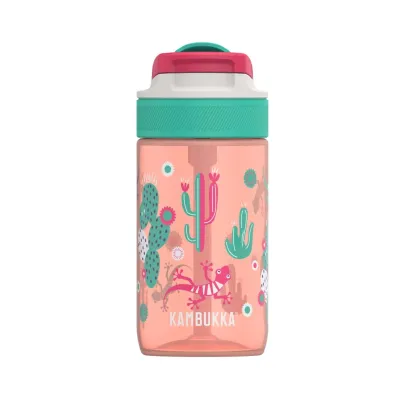
Prices are valid at publication and may change. Please refer to the product page for the latest price.
However, even the most advanced vacuum-insulated body cannot overcome a poorly insulated lid. The lid is the primary escape route for thermal energy. A wide-mouth opening with a thin plastic cap will lose temperature much faster than a narrow opening with a thick, insulated stopper. Straw mechanisms and flip-top spouts introduce air pathways and moving parts that reduce the overall sealing efficiency, meaning these convenient designs often trade some thermal performance for ease of use.
Safety must always be your primary concern when dealing with insulated drinkware for children. Never put hot liquids into a bottle equipped with a straw, bite-valve, or push-button spout. The sealed environment of an insulated bottle can cause pressure to build up as a hot liquid releases steam. When your child opens the spout or bites the valve, this pressure can force hot liquid to spray out violently, leading to severe burns. Additionally, drinking hot liquids directly through a straw bypasses the lips’ natural temperature-sensing ability, increasing the risk of scalding the throat. Always reserve straw and spout bottles strictly for cold or room-temperature beverages.
Comparing Design and Insulation Approaches by Brand
Each of these three popular brands approaches children’s hydration with a distinct design philosophy. These priorities shape how their bottles perform, how much they weigh, and how easy they are for small hands to carry.

When evaluating these brands, remember that all three manufacturers produce both insulated stainless steel models and non-insulated plastic models. It is easy to mistake a colorful plastic bottle for an insulated one, so you must verify the material composition before buying. Furthermore, heavy-duty vacuum insulation adds significant weight. A fully insulated stainless steel bottle filled with water can be surprisingly heavy for a preschooler or primary school student, making the trade-off between thermal performance and carrying comfort a key consideration.
CamelBak Kids Bottles
CamelBak has built its reputation on active, spill-proof hydration, primarily utilizing their signature bite-valve straw system. In their children’s lineup, this design is engineered to prevent accidental spills even when the bottle is left open on a desk or dropped in a school bag. The bite valve requires the child to bite down gently to draw water, which naturally limits flow but ensures excellent spill control.
However, this open-air straw mechanism has a direct impact on thermal efficiency. Because the straw pathway remains open to the ambient air through the valve, heat can slowly enter or escape the bottle. Consequently, CamelBak kids’ models are generally optimized for cold retention and active, everyday use rather than long-term temperature preservation. They are designed to keep water cool and refreshing during outdoor play or physical education classes, prioritizing easy cleaning and spill prevention over extreme thermal limits. If temperature control is your main priority, you must carefully inspect the product details to ensure you are selecting a model explicitly marked as “vacuum insulated” stainless steel, rather than their popular single-wall plastic alternatives.
Thermos Kids Bottles
Thermos is a pioneer in vacuum insulation technology, and their children’s line reflects a traditional focus on maximum thermal retention. Their designs often prioritize creating an airtight, highly insulated seal to keep beverages at their starting temperature for as long as possible. This makes them highly reliable for parents who want to send their children to school with chilled juices or warm soups.
The trade-off for this superior thermal sealing is often found in the lid design and overall usability. Thermos models frequently use secure, push-button flip lids that reveal a simple pouring spout or a soft straw, or traditional screw caps that seal completely. While these designs are excellent at preventing heat transfer, they can sometimes be more challenging for very young children to open and close securely compared to simple bite valves. Additionally, the robust insulation layers can make these bottles bulkier and heavier. Parents should physically check the weight and dimensions of these models to ensure their child can comfortably carry the bottle in their backpack side pocket and operate the latch independently.
Owala Kids Bottles
Owala has gained rapid popularity by focusing on modern, versatile lid designs that cater to active lifestyles. Their children’s bottles often feature innovative spout and straw combinations that allow kids to choose how they want to drink—either sipping upright through a built-in straw or tilting the bottle back to drink from a wider spout. This dual-functionality is paired with secure, locking latch mechanisms designed to prevent leaks during transit.
From an insulation standpoint, Owala’s kids’ bottles are designed to keep beverages cold during daily routines, such as school hours or weekend sports. The integration of a dual-purpose lid means there are more moving parts and seals where thermal energy can slowly escape, though the locking outer cap helps mitigate this loss when closed. Like the other brands, Owala offers both single-wall stainless steel and double-wall vacuum-insulated options in their kids’ range. Parents must verify the specific construction of the model they are viewing, as a single-wall version will not provide the long-lasting cold retention required for a full day in a warm climate.
Matching Insulation Features to Your Child's Daily Routine
Choosing the right bottle requires looking at how your child will actually use it throughout the day. A bottle that performs exceptionally well in a laboratory test might not be the practical choice for your child’s specific routine.
School Rules and Classroom Environments
Consider the physical environment where your child spends most of their day. In Singapore, many primary schools and preschools have highly air-conditioned classrooms, while outdoor play areas are hot and humid. If your child’s school restricts the use of certain bottle types or requires specific leak-proof designs to protect school books, this will narrow your choices. Some schools also have strict policies against bringing hot beverages due to safety risks, which makes high-performance heat retention less of a priority than reliable cold retention. Furthermore, carrying heavy school bags packed with textbooks and files can strain a child’s shoulders. Adding a heavy, fully insulated water bottle can contribute significantly to this physical strain. If your child commutes by public transport or walks to school, a smaller 350ml or 400ml insulated bottle might be a better compromise than a larger 500ml or 600ml model, ensuring they have enough cool water for recess without overloading their bag.
Hydration Habits and Beverage Preferences
Observe how your child prefers to drink. If they are a frequent sipper who takes small gulps of cold water throughout the day, a bottle with an easy-access straw like CamelBak or Owala is highly practical. The ease of sipping encourages regular hydration. On the other hand, if you want to pack warm herbal teas, barley water, or soups for recess, a dedicated thermal bottle with a secure, insulated screw cap—such as those offered by Thermos—is essential. Matching the bottle’s thermal capabilities to your child’s actual beverage preferences prevents you from paying for insulation features they do not need. During Co-Curricular Activities (CCAs) or outdoor sports, children lose fluids rapidly under the afternoon sun. A bottle that can keep water chilled for several hours is not just a luxury but a comfort that encourages them to drink more. If your child participates in active sports like football, track, or swimming, they will need a bottle that can withstand being dropped on concrete or grass while keeping their water cold. CamelBak’s rugged designs and Owala’s protective carry loops are highly suited for these active environments, whereas a traditional Thermos might be better suited for classroom desks.
Cleaning, Maintenance, and Hygiene
Insulated bottles require diligent maintenance to prevent the buildup of mold and bacteria, especially in warm, humid climates. Given the high humidity in Singapore, mold can develop on damp silicone parts within 24 to 48 hours if not dried properly. This makes the ease of disassembly a critical factor for busy parents. When comparing these brands, look at how many individual silicone pieces you need to remove. CamelBak’s bite valves can be difficult to pull out and push back in for some parents, while Owala’s lid has a deep rubber gasket that requires a flat tool or toothpick to pry out for deep cleaning. Thermos straw bottles often have a simple three-piece straw assembly that is relatively straightforward to clean but still requires dedicated straw brushes. If you do not have the time for daily meticulous cleaning, a simpler screw-top insulated bottle might save you significant effort.
How to Verify Insulation Claims Before Buying
With so many marketing terms used on packaging, it is important to know how to verify a bottle’s actual capabilities before spending your money. Use this practical checklist when browsing online marketplaces or local retail stores:
- Confirm the Insulation Type: Look for the specific phrase "double-wall vacuum insulation" on the packaging or product description. Avoid vague terms like "thermal," "insulated," or "double-wall" on their own, as these can refer to non-vacuum plastic constructions that offer minimal temperature control.
- Check Stated Retention Times: Review the manufacturer's official specifications for hot and cold hours. Keep in mind that these ratings are typically based on ideal laboratory conditions, such as starting with a completely full bottle of ice water or boiling water and keeping the lid closed in a temperature-controlled room. Real-world performance will be lower once the lid is opened repeatedly.
- Inspect the Lid Construction: Look at the underside of the lid. A quality insulated bottle will often have a thick, gasketed stopper that extends down into the neck of the bottle to block heat transfer. If the lid is thin, single-layer plastic, the bottle will lose temperature quickly regardless of how good the stainless steel body is.
- Read Verified Customer Feedback: Search online reviews specifically for mentions of temperature retention after a typical school day. Look for feedback from parents living in similar warm climates who can verify if the bottle still contains cool water by the time the child returns home in the afternoon.
- Review Safety Warnings: Always read the manufacturer's age recommendations and safety warnings. Ensure the bottle is rated as BPA-free and check if there are explicit instructions warning against the use of hot liquids with that specific lid design.
Final Verdict: Choosing the Right Bottle for Your Child
To make your final decision, match your child’s specific needs and habits to the strengths of each brand’s design:
- Choose CamelBak if your child is younger or highly active, prefers the intuitive action of a bite-valve straw, and needs a highly spill-resistant bottle that can be tossed into a school bag without leaking. This option is best for keeping water cool during daily school activities and outdoor play, provided you select a verified vacuum-insulated model.
- Choose Thermos if your absolute priority is maximum thermal retention for either very cold drinks or warm beverages, and your child is comfortable operating a standard push-button or screw-cap lid. This is the ideal choice for long school days, field trips, or packing warm liquid snacks where maintaining temperature is critical.
- Choose Owala if your child wants a versatile, modern drinking experience with the option to both sip through a straw and swig from a spout, and you want a secure locking lid that prevents accidental openings. This is a great all-around choice for older children who want quick access to cold water during sports or classroom study.
Before finalizing your purchase at a local department store or online marketplace, always double-check that the specific model you have selected is explicitly labeled as vacuum insulated, is certified safe for the types of beverages your child drinks, and is light enough for them to carry and open without adult assistance.
Community discussion
Share your experience or ask a question. Comments are reviewed before publication.