
Quick Answer: How Does the CamelBak Thrive Perform?
The CamelBak Thrive positions itself as a premium, highly durable contender in the insulated sports bottle market, engineered to combat challenging thermal conditions. Utilizing double-wall vacuum insulation, it is designed to keep beverages cold for extended periods, making it highly suitable for high-humidity, high-temperature environments like Singapore. However, determining whether it is the absolute best choice depends entirely on your specific athletic requirements, such as preferred drinking mechanics, weight limits, and how you carry your gear.
While the underlying insulation technology is highly competitive, real-world performance is heavily influenced by external factors. In tropical climates with high ambient temperatures, the rate of temperature loss increases every time the bottle is opened. To maximize cold retention, users should focus on practical preparation steps, such as pre-chilling the bottle with ice water before use and maintaining a high ice-to-liquid ratio. Before purchasing, always check the manufacturer’s packaging or official product documentation to verify the exact cold-retention hours claimed for your specific bottle size.
Core Comparison: CamelBak Thrive vs. Leading Insulated Bottles
To understand how the CamelBak Thrive compares to other established sports bottles, it is necessary to examine the core engineering choices that dictate temperature retention, physical durability, and lid functionality. Different brands prioritize different aspects of the user experience, meaning a bottle that excels on a gym floor might not be the ideal choice for a long-distance bicycle ride or a rugged trail hike.
Products mentioned in this guide
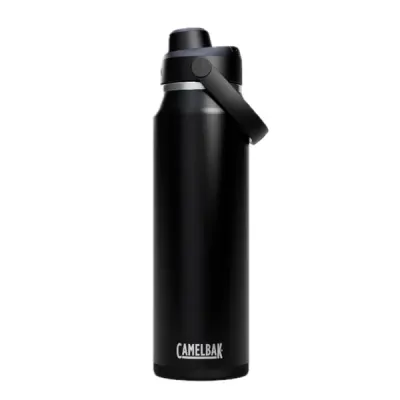
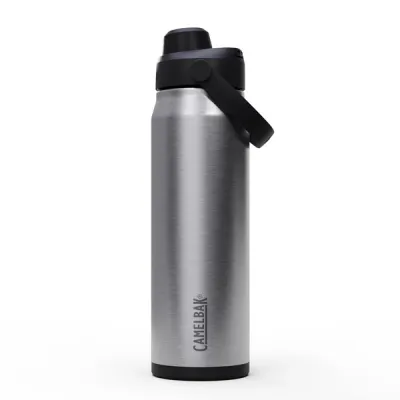
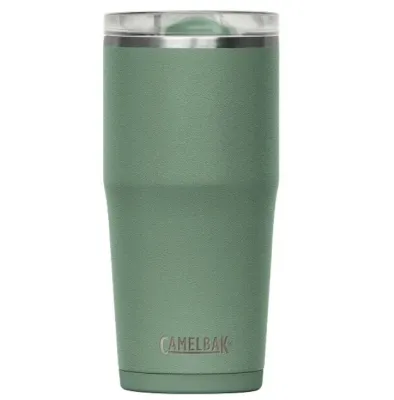
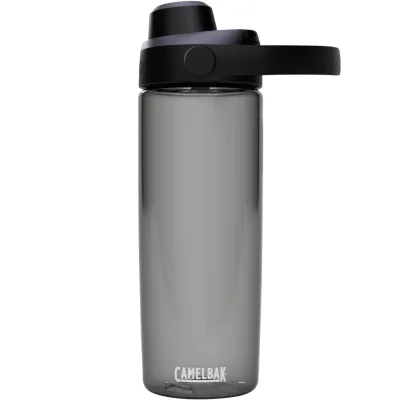
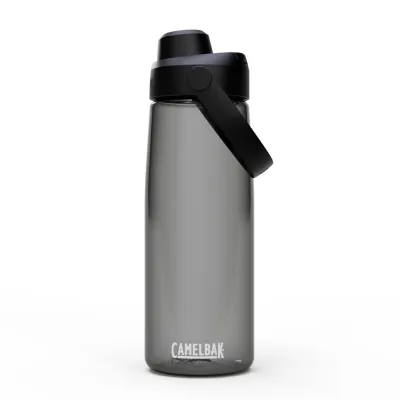
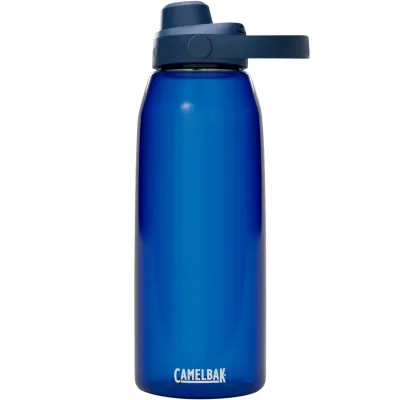
Prices are valid at publication and may change. Please refer to the product page for the latest price.

Temperature Retention and Insulation Technology
Double-wall vacuum insulation is the industry standard for premium sports bottles, and both the CamelBak Thrive and its leading competitors rely on this thermal barrier. The technology works by evacuating the air between two stainless steel walls, creating a vacuum. Because vacuum contains no matter, it prevents heat transfer via conduction and convection, leaving thermal radiation as the only remaining pathway for heat to enter the cold liquid inside.
While the physics of vacuum insulation remain identical across major brands, real-world cooling efficiency varies based on usage habits and environmental exposure. In Singapore, where outdoor temperatures frequently exceed 30°C, a bottle left in direct sunlight on an outdoor tennis court or football pitch will absorb radiant heat much faster than one kept in a shaded sports bag. Every time you open the lid to take a drink, warm ambient air enters the chamber, accelerating the melting of any ice inside.
To evaluate insulation claims accurately, look at your typical workout duration rather than relying on extreme laboratory claims of 24 or 48 hours of cold retention. For a standard two-hour gym session or outdoor run, almost any high-quality double-wall insulated bottle will maintain a refreshing temperature. If you require cold water for all-day outdoor excursions, verify the manufacturer’s stated performance specifications on the product packaging, and always optimize performance by pre-chilling the flask and using dense, slow-melting ice cubes.
Build Quality, Materials, and Durability
High-performance sports bottles must withstand accidental drops, impacts against gym equipment, and the general wear and tear of outdoor activities. The CamelBak Thrive, along with most top-tier competitors, is constructed from 18/8 food-grade stainless steel. This alloy contains 18% chromium and 8% nickel, a composition chosen specifically for its high resistance to rust, corrosion, and physical deformation, while ensuring that no metallic taste transfers to your drinking water.
Exterior finishes play a significant role in both grip and long-term durability. The Thrive features a specialized powder-coat finish designed to provide a secure, non-slip surface even when your hands are wet with sweat or condensation. This textured coating protects the underlying steel from scratches and minor dents when the bottle is placed on abrasive surfaces like concrete courts or gravel trails. In comparison, bottles with painted or bare steel finishes are more prone to chipping and showing cosmetic wear over time.
Material safety is another critical consideration for daily-use hydration gear. When evaluating any insulated bottle, check the product specifications to confirm that all plastic components, silicone seals, and straws are certified BPA-free and BPS-free. These certifications ensure that no harmful chemical compounds will leach into your water, even when the bottle is subjected to warmth or repeated washing cycles over several years of use.
Lid Design, Straw Mechanism, and Leak Prevention
While insulation keeps your drink cold, the drinking interface determines how easily you can access that water during high-intensity activities. The CamelBak Thrive features a specialized lid design that often incorporates a straw or spout mechanism, allowing for upright drinking. This design is highly beneficial for activities like cycling along the Park Connector Network or running on a treadmill, where tilting your head back to drink would block your forward line of sight.
In contrast, many leading competitors utilize alternative lid styles, such as wide-mouth chug caps, push-button flip lids, or traditional screw-top caps. Chug caps allow for a much higher flow rate, which is ideal when you need to hydrate rapidly after a heavy set of exercises, but they require two hands to open and necessitate tilting the bottle. Straw lids offer superior convenience for one-handed operation but naturally restrict the flow rate to the diameter of the straw.
Leak prevention is a common pain point for athletes who toss their bottles into gym bags alongside dry clothes and electronics. While manufacturers design these lids to be highly spill-resistant, the physical seals are subject to wear. Over time, the silicone O-rings and pressure-equalization valves can degrade, collect dirt, or become misaligned. To prevent leaks, inspect these flexible seals regularly, ensure they are seated correctly in their grooves, and replace them if you notice any signs of cracking or loss of elasticity.
Feature Breakdown: Comparing Key Specifications
To help you compare the CamelBak Thrive against typical leading competitors at a glance, the following table summarizes the key structural and functional specifications. These details should be verified against the manufacturer’s official product documentation before making a purchase, as specifications can vary slightly depending on the production year and bottle capacity.
| Feature | CamelBak Thrive | Typical Leading Competitors |
|---|---|---|
| Insulation Type | Double-wall vacuum insulation | Double-wall vacuum insulation |
| Lid Mechanism | Spill-resistant straw or spout system | Chug caps, flip-top lids, or standard screw caps |
| Material Grade | 18/8 Food-Grade Stainless Steel | 18/8 Food-Grade Stainless Steel |
| Dishwasher Safe Status | Check Manufacturer Specs (typically top-rack safe for lids) | Varies (many recommend hand washing the vessel) |
| Weight & Portability | Check Manufacturer Specs (varies by fluid volume) | Varies by capacity and wall thickness |
When evaluating these specifications, consider how they translate to your daily routine. For instance, a heavier bottle with thicker steel walls may offer slightly better resistance to denting, but the added weight can become a burden if you plan to carry the bottle on long-distance trail runs or hikes. Conversely, a lighter bottle might use thinner steel, making it easier to carry but potentially more susceptible to damage from hard drops on concrete.
Usability and Maintenance for Active Lifestyles
Maintaining proper hygiene is one of the most critical aspects of owning an insulated sports bottle, especially in warm, humid climates like Singapore. The dark, damp interior of a water bottle lid provides an ideal environment for mold and bacterial growth if not cleaned regularly. Straw lids, bite valves, and complex spout mechanisms have more intricate parts, narrow channels, and deep crevices than simple screw caps, meaning they require more diligent upkeep.
To clean these complex lid systems effectively, do not rely solely on a standard dishwasher cycle, even if the manufacturer states the lid is top-rack safe. Use dedicated, narrow straw brushes to scrub the inside of the straw and any small ports within the lid assembly. Wash all parts with mild dish soap and warm water, avoiding harsh chemical bleach or abrasive scrubbers that could damage the silicone seals or scratch the exterior powder coating. After washing, allow all components to air-dry completely in a well-ventilated area before reassembling the bottle.
Portability and physical compatibility are equally important for active lifestyles. Before choosing a bottle size, measure the dimensions of the gear you use daily. If you plan to use the bottle while cycling, verify that its outer diameter fits securely into your bicycle’s bottle cage without rattling or slipping out over bumps. Similarly, check if the bottle fits into your car’s cup holders or the side mesh pockets of your favorite running pack. Larger capacity bottles (such as those holding 1 liter or more) offer excellent hydration volume but often require dedicated carrying straps or must be stored inside your main backpack compartment.
Decision Framework: Which Insulated Bottle Fits Your Needs?
To finalize your decision, align the features of the CamelBak Thrive and its competitors with your specific physical activities and lifestyle preferences. Use the following guidelines to determine which option provides the most practical value for your routine:
- Choose the CamelBak Thrive if:
- You prefer an upright drinking position that allows you to keep your eyes on your surroundings during workouts, runs, or commutes.
- You value a highly textured, non-slip powder-coat finish that provides a secure grip even when your hands are sweaty.
- You need a reliable, spill-resistant lid system that can be operated quickly with one hand while on the move.
- Choose a Competitor (e.g., wide-mouth or chug-cap models) if:
- You prioritize rapid, high-volume hydration and prefer a fast-flowing chug cap over a straw mechanism.
- You frequently add large ice cubes or fruit slices to your water, requiring a wider opening for easy loading.
- You want a simpler lid design with fewer moving parts, making daily cleaning and sanitization quick and effortless.
- Verify First if:
- You have strict space constraints, such as fitting the bottle into standard vehicle cup holders or specific bicycle bottle cages.
- You require a fully dishwasher-safe system; always check the manufacturer's care instructions, as high dishwasher temperatures can sometimes compromise the vacuum seal of insulated vessels.
Frequently Asked Questions (FAQ)
Can I put hot drinks in the CamelBak Thrive?
While the 18/8 stainless steel body of the CamelBak Thrive is fully capable of withstanding hot liquids, the specific lid and straw mechanisms of sports bottles are generally designed and tested only for cold beverages. Using hot liquids in a bottle equipped with a straw lid can cause steam pressure to build up inside the sealed chamber, which may force hot liquid to spray out of the straw unexpectedly or cause severe burns. Always consult the manufacturer’s temperature guidelines and safety warnings printed on the packaging before filling your bottle with hot liquids.
Does the powder-coat finish affect insulation performance?
No, the exterior powder-coat finish is applied solely for aesthetic appeal, surface protection, and enhanced grip; it has no impact on the bottle’s thermal insulation performance. The temperature retention of the bottle is entirely determined by the double-wall vacuum barrier sealed between the inner and outer stainless steel walls. To keep this protective coating in good condition, avoid using abrasive cleaning sponges or exposing the bottle to harsh chemicals, which can cause the coating to chip and expose the steel underneath to moisture over time.
Community discussion
Share your experience or ask a question. Comments are reviewed before publication.